Zion National Park
Springdale, Utah · Southwest
Why these walls reset your head
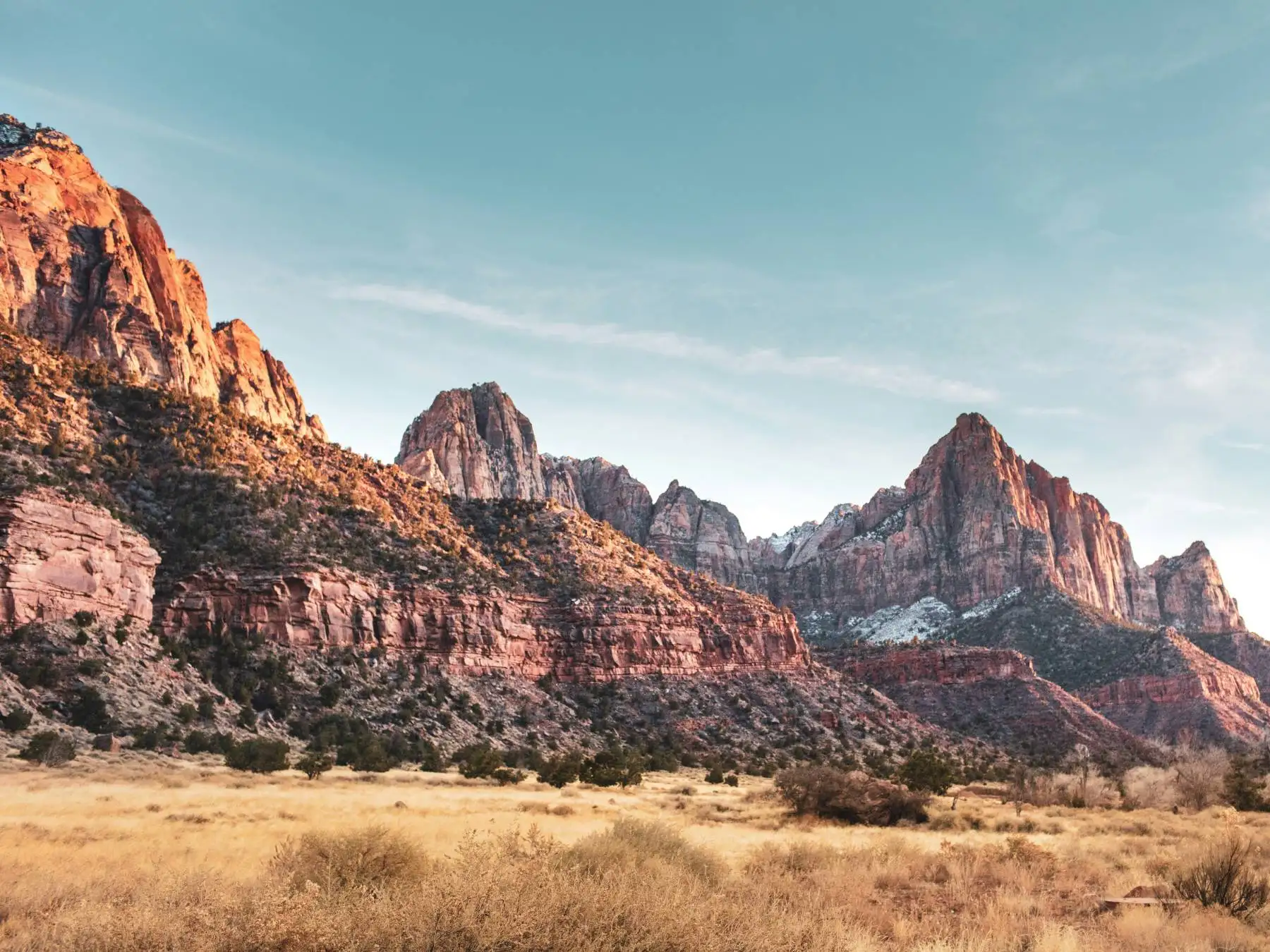
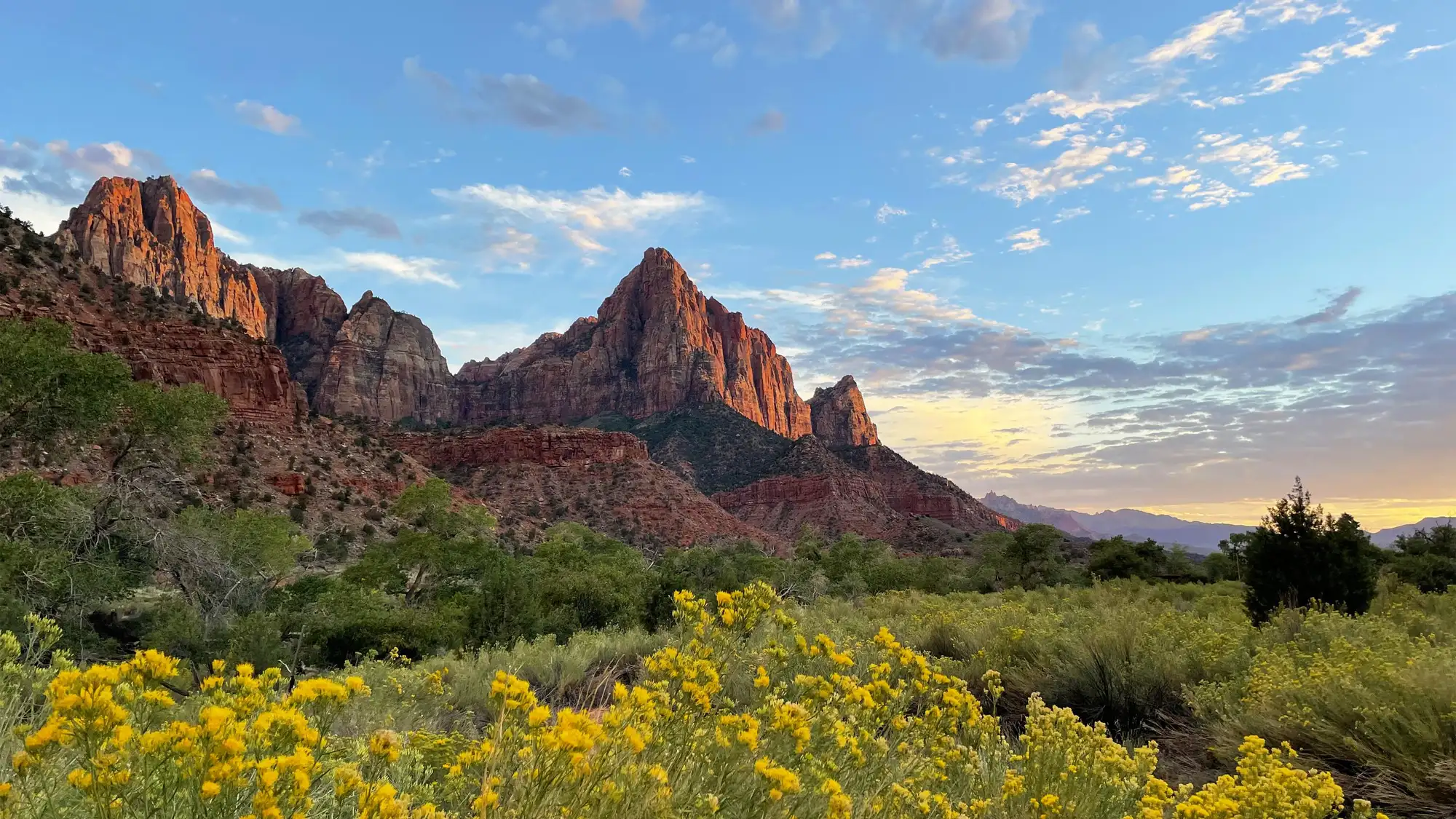
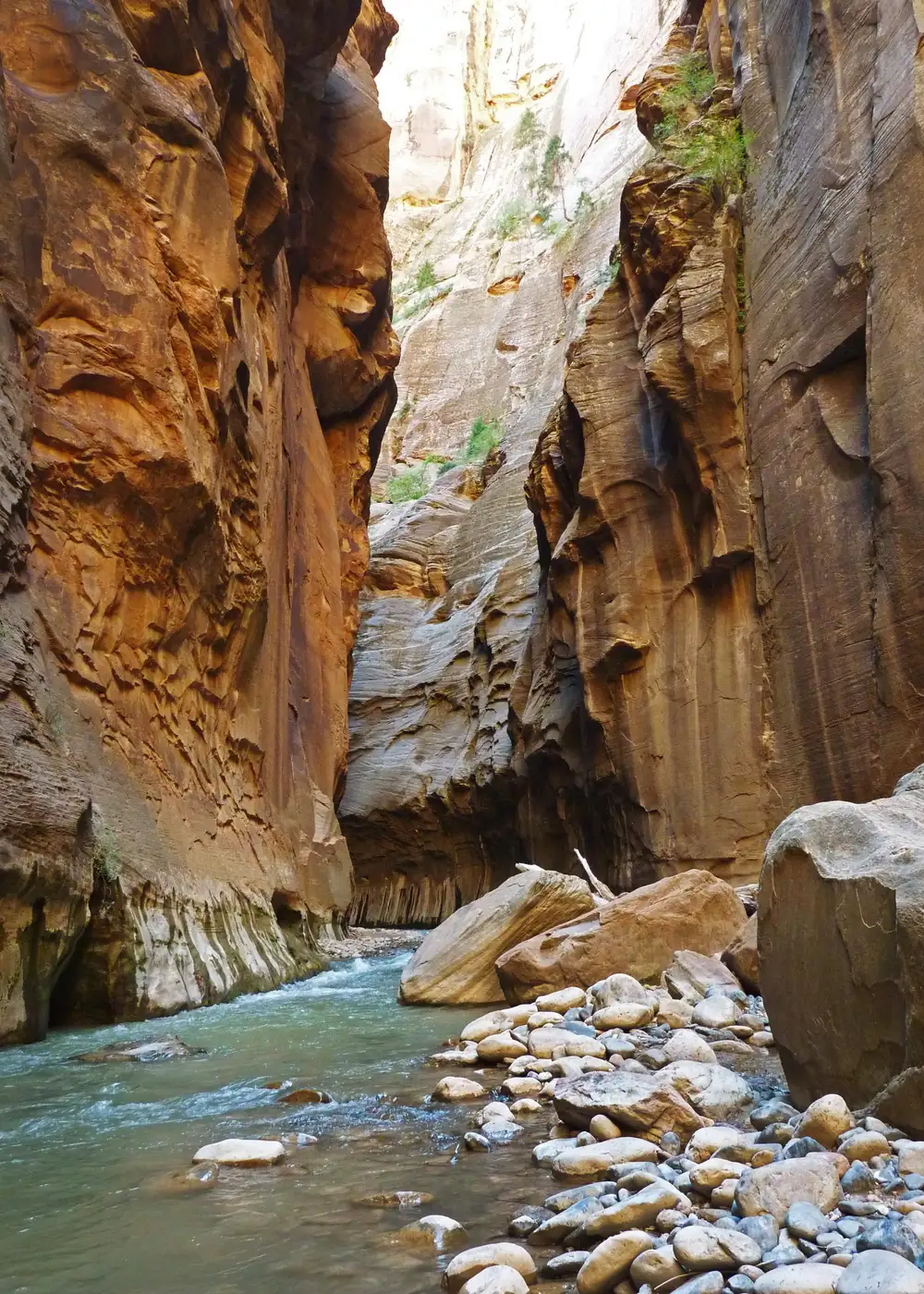
Zion is built for awe. The sandstone cliffs rise in cream, pink, and red straight up from the canyon floor, and standing beneath them shrinks whatever you carried in. The Virgin River threads the bottom of a slot canyon narrow enough to touch both walls, and the scale of it is the whole point.
That feeling of smallness is not a downside. When the landscape is this much bigger than you, your own running list of worries loses some of its grip. People describe leaving Zion quieter inside than they arrived, and the geology is doing most of the work.
You do not need Angels Landing to get it. The Pa'rus Trail along the river, or a slow look up from the canyon floor, delivers the same sense of scale without the exposure.
The science: Piff and colleagues found that experiences of awe were linked to reduced self-focus and more prosocial behavior across a series of studies. Zion's towering cliffs are the kind of vast, hard-to-take-in scenery that reliably triggers that response.
Piff, Dietze, Feinberg, Stancato & Keltner (2015) · Journal of Personality and Social Psychology
Seasonal guide
Crowd levels use NPS monthly visitation, averaged 2015–2025. Excludes 2020 (COVID anomaly) and 2026 (partial year). Temperatures are NOAA climate normals from a station 6.6 miles away. Busy does not mean bad. If a peak month is your only window, the season notes below tell you how to work it.
Winter is Zion's quietest stretch, with days from the low 50s down to freezing nights near 30F. Snow and ice can appear on higher trails, so pack traction and layers, but the canyon floor stays walkable and the crowds thin out to a fraction of summer. This is the season to have the big views closer to yourself.
Spring warms fast, from March highs in the mid-60s to May in the mid-80s, with cool nights and the year's lowest rainfall by late spring. Crowds build steadily from quiet March into a packed May, so start early and reach popular trailheads before mid-morning. Snowmelt can make the Virgin River cold and high, which matters if you plan to wade the Narrows.
Summer is the busiest and hottest season, with July highs above 100F and monsoon storms from mid-July into September bringing real flash-flood risk in the narrows and slot canyons. Start at dawn, carry far more water than you think you need, and check the flash-flood forecast before entering any canyon. Stick to the shaded river walk during the hottest afternoon hours.
Fall eases off, from September highs around 90F to comfortable 60s and 70s by November, with cool nights dropping toward freezing late in the season. September still carries some monsoon flash-flood risk, but October and November bring quieter trails and some of the year's best hiking weather. Bring layers for the sharp day-to-night temperature swing.
This month in the park
Timing changes everything out here. Pick a month to see when the light turns golden, which nights stay darkest for stargazing, and what visitors have actually recorded in bloom and on the move. The new-moon night is the one to plan a sky-watching evening around.
January 2027
In bloom · 5 species on record
- ❀ Zion Milkvetch 3 sightings
- ❀ Greenleaf manzanita 2 sightings
- ❀ California fuchsia 1 sightings
- ❀ Hoary Tansyaster 1 sightings
- ❀ False Monkeyflower 1 sightings
Wildlife on the move · 63 species on record
- Mule Deer 67 sightings
- Wild Turkey 21 sightings
- California Condor 17 sightings
- American Dipper 14 sightings
- Woodhouse's Scrub-Jay 14 sightings
February 2027
In bloom · 14 species on record
- ❀ Zion Milkvetch 29 sightings
- ❀ Greenleaf manzanita 8 sightings
- ❀ Redstem Stork's-bill 7 sightings
- ❀ Pointleaf manzanita 4 sightings
- ❀ Spreading fleabane 4 sightings
Wildlife on the move · 95 species on record
- Mule Deer 67 sightings
- Rock Squirrel 18 sightings
- American Dipper 17 sightings
- Wild Turkey 16 sightings
- Woodhouse's Scrub-Jay 16 sightings
March 2027
In bloom · 47 species on record
- ❀ Zion Milkvetch 54 sightings
- ❀ Greenleaf manzanita 26 sightings
- ❀ Pointleaf manzanita 19 sightings
- ❀ Redstem Stork's-bill 14 sightings
- ❀ Utah Serviceberry 14 sightings
Wildlife on the move · 158 species on record
- Mule Deer 143 sightings
- Rock Squirrel 131 sightings
- Wild Turkey 78 sightings
- Uinta Chipmunk 70 sightings
- Woodhouse's Scrub-Jay 45 sightings
April 2027
In bloom · 126 species on record
- ❀ Firecracker penstemon 47 sightings
- ❀ Zion Milkvetch 41 sightings
- ❀ Mountain phlox 28 sightings
- ❀ Blue dicks 23 sightings
- ❀ Short-sepaled lewisia 22 sightings
Wildlife on the move · 241 species on record
- Rock Squirrel 224 sightings
- Mule Deer 133 sightings
- Plateau Fence Lizard 106 sightings
- Wild Turkey 105 sightings
- Uinta Chipmunk 68 sightings
May 2027
In bloom · 155 species on record
- ❀ Crimson Monkeyflower 61 sightings
- ❀ Blue dicks 36 sightings
- ❀ Palmer's penstemon 32 sightings
- ❀ Dark-throated shooting star 26 sightings
- ❀ Golden Pricklypear 23 sightings
Wildlife on the move · 295 species on record
- Rock Squirrel 258 sightings
- Plateau Fence Lizard 175 sightings
- Mule Deer 156 sightings
- Canyon Tree Frog 127 sightings
- Desert Spiny Lizard 127 sightings
June 2027
In bloom · 94 species on record
- ❀ Golden columbine 29 sightings
- ❀ Crimson Monkeyflower 29 sightings
- ❀ Palmer's penstemon 19 sightings
- ❀ Sego Lily 15 sightings
- ❀ Sacred Datura 13 sightings
Wildlife on the move · 276 species on record
- Rock Squirrel 229 sightings
- Plateau Fence Lizard 170 sightings
- Mule Deer 133 sightings
- Desert Spiny Lizard 133 sightings
- Black-headed Grosbeak 99 sightings
July 2026
In bloom · 53 species on record
- ❀ Sacred Datura 22 sightings
- ❀ Spineless Horsebrush 10 sightings
- ❀ Crimson Monkeyflower 8 sightings
- ❀ Dusty Beardtongue 7 sightings
- ❀ Pale Evening Primrose 6 sightings
Wildlife on the move · 278 species on record
- Rock Squirrel 223 sightings
- Mule Deer 132 sightings
- Plateau Fence Lizard 102 sightings
- Desert Spiny Lizard 96 sightings
- Wild Turkey 63 sightings
August 2026
In bloom · 47 species on record
- ❀ Crimson Monkeyflower 11 sightings
- ❀ Sacred Datura 7 sightings
- ❀ California fuchsia 5 sightings
- ❀ Golden columbine 5 sightings
- ❀ Cardinal flower 4 sightings
Wildlife on the move · 241 species on record
- Rock Squirrel 149 sightings
- Mule Deer 138 sightings
- Plateau Fence Lizard 100 sightings
- Desert Spiny Lizard 80 sightings
- Plateau Striped Whiptail 53 sightings
September 2026
In bloom · 53 species on record
- ❀ Crimson Monkeyflower 39 sightings
- ❀ Sacred Datura 28 sightings
- ❀ Cardinal flower 18 sightings
- ❀ Hoary Tansyaster 12 sightings
- ❀ California fuchsia 9 sightings
Wildlife on the move · 215 species on record
- Mule Deer 130 sightings
- Rock Squirrel 126 sightings
- Plateau Fence Lizard 114 sightings
- Desert Tarantula 62 sightings
- Common Side-blotched Lizard 55 sightings
October 2026
In bloom · 48 species on record
- ❀ Crimson Monkeyflower 27 sightings
- ❀ Rubber Rabbitbrush 15 sightings
- ❀ Blueleaf aster 15 sightings
- ❀ Sacred Datura 13 sightings
- ❀ California fuchsia 8 sightings
Wildlife on the move · 201 species on record
- Mule Deer 119 sightings
- Plateau Fence Lizard 87 sightings
- Spiny Tachina Fly 77 sightings
- Rock Squirrel 74 sightings
- Arizona Sister 50 sightings
November 2026
In bloom · 26 species on record
- ❀ Zion Milkvetch 9 sightings
- ❀ Crimson Monkeyflower 8 sightings
- ❀ Hoary Tansyaster 4 sightings
- ❀ Rubber Rabbitbrush 3 sightings
- ❀ Wyoming Paintbrush 3 sightings
Wildlife on the move · 125 species on record
- Mule Deer 127 sightings
- Uinta Chipmunk 58 sightings
- Woodhouse's Scrub-Jay 37 sightings
- California Condor 33 sightings
- Spiny Tachina Fly 26 sightings
December 2026
In bloom · 8 species on record
- ❀ Zion Milkvetch 6 sightings
- ❀ Chia 3 sightings
- ❀ Spreading fleabane 2 sightings
- ❀ Greenleaf manzanita 2 sightings
- ❀ Redstem Stork's-bill 1 sightings
Wildlife on the move · 73 species on record
- Mule Deer 91 sightings
- Wild Turkey 22 sightings
- California Condor 22 sightings
- Woodhouse's Scrub-Jay 18 sightings
- American Dipper 15 sightings
Sun and moon times are computed for the park's coordinates from standard NOAA solar equations and cross-checked against the U.S. Naval Observatory. Species lists are research-grade community observations for Zion National Park, US, UT via iNaturalist, retrieved July 2026; sighting counts are all-time records for that calendar month.
Don’t wait for Zion.
One big trip a year isn’t what changes how you feel — the small stuff in between is. The 7-Day Nature Reset is one tiny outdoor practice a day, wherever you already are. Day one takes 60 seconds.
No spam. No noise. Just nature.
Day 1 is landing in your inbox right now — go say hi.
Sleep nearby
Most visitors base in St. George, Utah, about 42 miles out. St. George offers a far larger hotel network and more competitive prices than the small gateway town. Springdale sits just feet outside the South Entrance but has very limited, higher-cost lodging. The map opens on St. George, so pan toward the park to trade rooms and price for a shorter morning drive.
Camping inside the park books through Recreation.gov and is listed separately.
The map is provided by Stay22. If you book through it we may earn a commission at no cost to you, which helps keep Happier Outdoors running. It never changes what we recommend.
Let someone else lead
A guide is worth it when the terrain needs one, or when you would rather look around than navigate. These are the highest-rated trips running around Zion, not the cheapest.
 Free cancellation
 Zion Narrows: Private Guided Hike + Picnic (Gear Included)
- Runs year-round
- Private tour, up to 8
- Service animals welcome
 Free cancellation
 Zion National Park: Private Guided Hike & Picnic
- Runs year-round
- Private tour, up to 8
- Service animals welcome

Zion National Park- Private Angels Landing Hike Permit Included
- Runs year-round
- Private tour, up to 6
- Moderate fitness needed

Zion National Park Angels Landing With Permit!!
- Runs year-round
- Up to 12 per booking
Tours are listed by Viator; booking happens there. If you book we may earn a commission at no cost to you, which helps keep Happier Outdoors running. It never changes what we list. Prices checked September 2026 and can change.
Trails & hiking
Over 90 miles of trails, from a flat paved riverside stroll to some of the most famous exposed climbs in the national park system. The four below are the calm-to-strenuous spread most first-time visitors actually want.
Activities & experiences
Beyond the trails
The night sky here is worth the trip, whether you shoot astrophotography or have never picked out the Milky Way. Zion is an International Dark Sky Park, which means no artificial light softens the dark after sunset. Come prepared for how dark it gets.
A ranger can show you what makes this place tick. Programs run through the year and cover geology, wildlife, art, and human history, with the current lineup on the Events Calendar. All of them are free.
Those 2,000-foot sandstone cliffs draw big wall climbers from all over. Most routes are not suited to beginners, both for the difficulty and the soft rock. Sport climbing and top roping are common outside the park but rare inside, where bolted routes often have sparse protection.
Details and current conditions live on nps.gov.
From the field
Common questions
When is the best time to visit Zion National Park?
Spring and fall offer the best balance of mild weather and lighter crowds, with March, October, and November noticeably quieter than the summer peak. Fall days run from the upper 70s down to the low 60s, while spring warms from the 60s into the 80s, both far more comfortable than July highs above 100F.
Is Zion National Park dog-friendly?
Leashed dogs are allowed only on the paved Pa'rus Trail, plus public roads, campgrounds, picnic areas, and the Zion Lodge grounds. They are not permitted on any other trail, in wilderness, or on the shuttle buses, and leashes must be six feet or shorter. Only service dogs may go beyond these areas.
What is the quietest trail in Zion?
Visitors consistently point to the Taylor Creek Trail in Kolob Canyons, the Northgate Peaks Trail in the Kolob Terrace section, and the East Mesa Trail to Observation Point as the least crowded options. These sit in remote parts of the park far from the main Zion Canyon shuttle route, so they take a longer drive to reach but reward you with real solitude.
How crowded does Zion get?
Very crowded, with annual visitation topping 5 million and June and July averaging over 18,000 visitors a day. Crowds concentrate in Zion Canyon at spots like Angels Landing, Scout Lookout, and the Grotto, where shuttle lines and trail congestion are common. The winter months of December through February are dramatically quieter.
Is Zion accessible for wheelchairs and strollers?
Zion has wheelchair-accessible shuttles, accessible visitor centers and lodge facilities, and three paved or wheelchair-friendly trails: the Pa'rus Trail, Lower Emerald Pool Trail, and Riverside Walk. Because of the natural terrain, no trails are fully ADA-compliant, and the two Emerald Pool and Riverside routes may require assistance. The Zion Lodge offers accessible rooms and an adventure wheelchair for loan.
Can you camp at Zion National Park?
Yes, Zion has three campgrounds: Watchman, South, and Lava Point, and all require reservations through recreation.gov with no walk-up sites. Watchman is open year-round with non-electric and electric sites, while South and Lava Point are seasonal, and campers with a reservation do not pay a separate entrance fee.
Where do you park at Zion National Park?
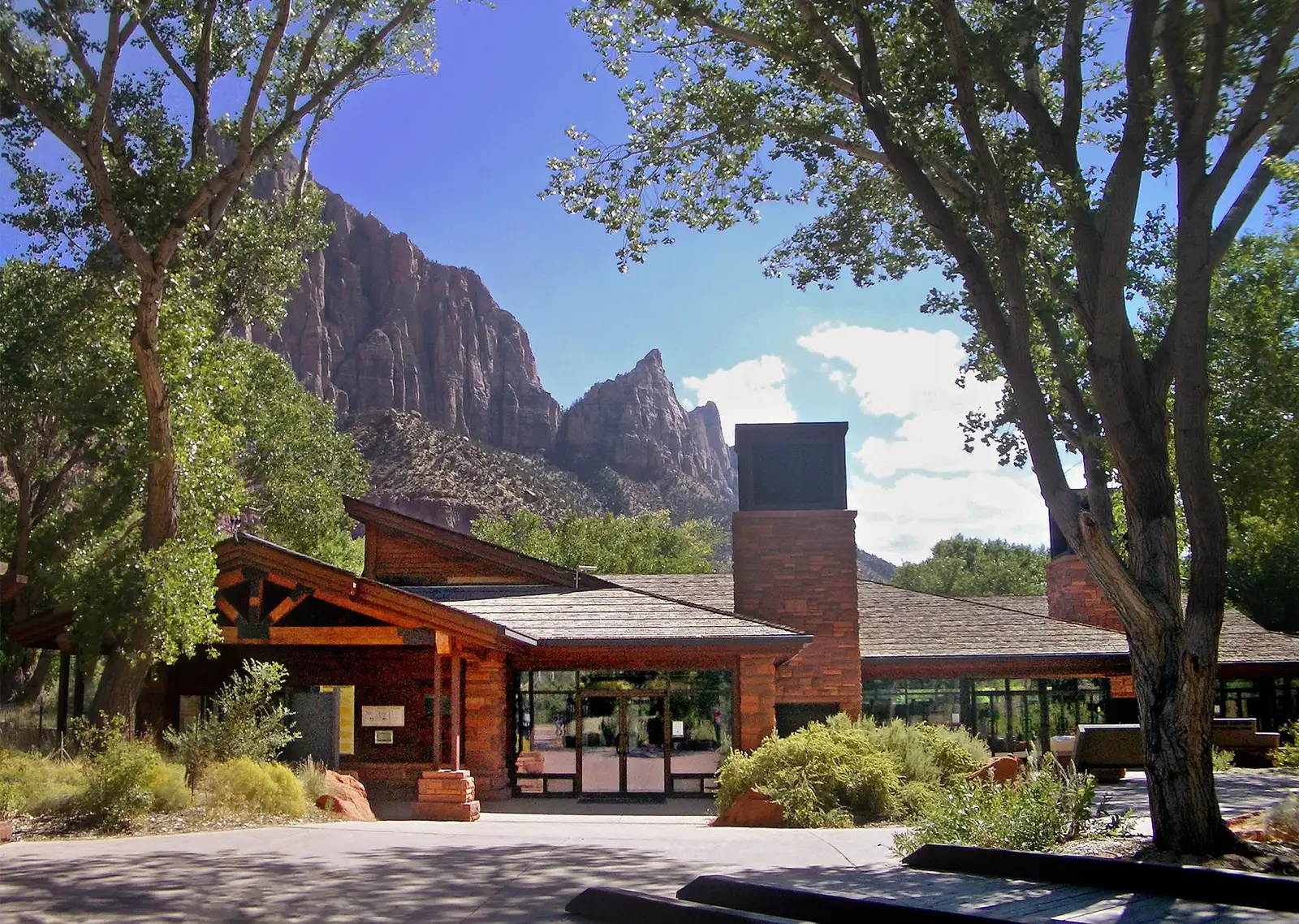
Most visitors park at the Zion Canyon Visitor Center, which has over 350 free first-come spaces, but lots fill early, often by mid-morning in peak season. When they are full, park in Springdale and ride the free town shuttle to the entrance, or use the SunTran Zion Route from nearby towns.
Want it quieter?
Zion is spectacular, but it is rarely quiet. When the canyon fills up, Utah's state parks nearby — Snow Canyon, Sand Hollow, Quail Creek — offer the same red-rock reset with a fraction of the crowd.
Similar parks worth the trip
Matched by wellness profile and the kind of reset they offer.