
You’ve probably seen the photos—those heart-stopping views from Angels Landing, hikers wading through The Narrows’ glowing slot canyons. But here’s what most visitors don’t realize: Zion’s most iconic trails aren’t necessarily its best ones. Some require permits you’ll need to snag months ahead, while others reward you with equally stunning vistas and practically zero crowds. The key is knowing which hike matches your skill level, timing, and tolerance for logistics.
Angels Landing: Zion’s Chain-Assisted Ridge Scramble
Rising 1,500 feet above the Zion Canyon floor, Angels Landing ranks as one of America’s most thrilling—and nerve-wracking—day hikes. You’ll tackle 5 miles round-trip, starting with brutal switchbacks before reaching Scout Lookout at 2.5 miles. The real adventure begins on the final half-mile scramble to the 5,790-foot summit, where you’ll grip chains while maneuvering a narrow ridge with 1,000-foot drops on both sides.
You’ll need a permit through the lottery system—your odds average 50% but vary wildly by season. Plan 2-4 hours total and start early during summer months. Wear grippy shoes and bring a hands-free backpack. Skip this trail during storms, high winds, or icy conditions. While 18 deaths occurred between 2004-2021, millions hike it safely each year. The permit program launched in April 2022 to manage crowding and has improved the overall hiker experience on the trail.
The Narrows: Wade the Virgin River Between Towering Walls
If Angels Landing tests your nerve on exposed ridges, The Narrows challenges you with an entirely different adventure—hiking through a river itself. You’ll wade up the North Fork of the Virgin River between slot-canyon walls soaring 1,000–2,000 feet high yet only 20–30 feet wide.
Your route options include:
- Short bottom-up wade – 1–2 hours from Temple of Sinawava, no permit needed
- All-day push to Big Spring – strenuous 10-mile round trip
- Top-down day hike – 16 miles from Chamberlain’s Ranch, permit required
- Overnight adventure – split the canyon over two days with camping
You’ll navigate slick rocks in ankle-to-chest-deep water. The park closes access when flows exceed 120 CFS or flash-flood risk spikes. Approximately 60% of the hike is spent wading through the Virgin River, making waterproof gear and proper footwear essential for this unique canyon experience.
Observation Point: Better Views Than Angels Landing, Lighter Crowds
The classic Weeping Rock route remains closed, so you’ll access it via East Mesa—a surprisingly easy 6.6-mile round trip with only 300 feet of elevation gain. The flat, sandy approach means you’ll skip technical scrambling entirely.
Best of all? You’ll often find the viewpoint nearly empty. Early starts or weekday hikes guarantee solitude for photos and sunset. No permit. No bottlenecks. Just Zion’s most panoramic overlook, practically to yourself.
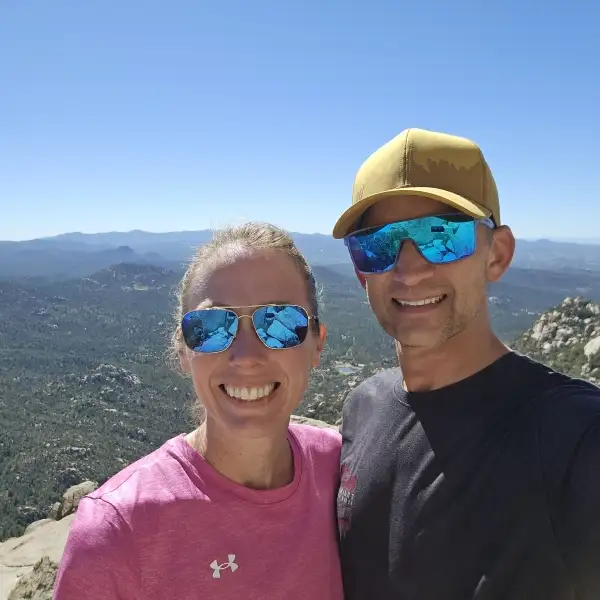
From this vantage point 6,521 feet atop Mount Baldy , you’ll command views of nearly every major attraction in Zion Canyon, with the scenic vista extending well beyond the canyon’s mouth.
Canyon Overlook: Massive Zion Views in Under an Hour
Canyon Overlook delivers one of Zion’s best reward-to-effort ratios—you’ll stand above the Great Arch with sweeping canyon views in just 30 minutes of hiking. The short trail packs in slickrock scrambles, cliff-edge walkways, and nonstop scenery before depositing you at a spectacular overlook of Pine Creek Canyon and the Zion–Mt. Carmel Highway switchbacks. The trailhead sits just outside the upper entrance to the Zion-Mt Carmel Tunnel on the park’s east side, with two small parking lots that fill quickly after sunrise. Timing your visit right and knowing where to point your camera transforms this quick hike into an unforgettable Zion experience.
Trail Features and Highlights
Perched on a thousand-foot cliff rim, this iconic viewpoint delivers one of Zion’s most sweeping panoramas—you’re looking straight down the length of lower Zion Canyon and Pine Creek Canyon in a single breathtaking frame. Bridge Mountain, West Temple, and the Towers of the Virgin sprawl before you, while East Temple looms directly overhead.
The trail packs incredible variety into just over a mile:
- Carved stone stairway launches you upward from the trailhead
- Short steel walkway bolts across an exposed cliff face
- Ledges with railings guide you safely above Pine Creek’s slot canyon
- Sandstone bench winds through hoodoos and slickrock terrain
You’ll spot bighorn sheep on nearby cliffs and enjoy a shaded fern alcove before reaching the overlook positioned directly above the Great Arch. The cliffs you traverse are composed of Navajo Sandstone , a massive 2,000-foot-high layer deposited during the Jurassic Period around 175 million years ago.
Best Time to Visit
Summer temps exceed 100°F, so go early if you’re visiting June–August. Winter brings ice on shaded sections, requiring extra caution on rock steps. Check real-time weather before you go—thunderstorms and wind can make the exposed overlook dangerous. The trail takes 1-2 hours to complete, making it perfect for a quick but rewarding hike when you’re short on time.
Photography and Viewpoint Tips
Want to nail that iconic Zion shot without hiking all day? Canyon Overlook delivers postcard-perfect views in under an hour. You’ll face west-southwest over the Great Arch and those famous zigzag switchbacks—perfect for wide-angle magic.
Pack these essentials:
- Wide-angle lens (14–24mm) to capture the full canyon sweep with slickrock foregrounds
- Circular polarizer to punch up that red sandstone and deepen blue skies
- Compact tripod for steady shots on uneven ledges
- Graduated ND filter to tame harsh midday contrast
Early morning or late afternoon light transforms the canyon walls into glowing orange masterpieces. Move beyond the crowded railing to nearby rock benches for unique angles. Try telephoto shots (70–200mm) to isolate the Great Arch’s dramatic curves.