San Juan National Forest
Durango, Colorado · Rocky Mountains
Why the high country lifts your mood
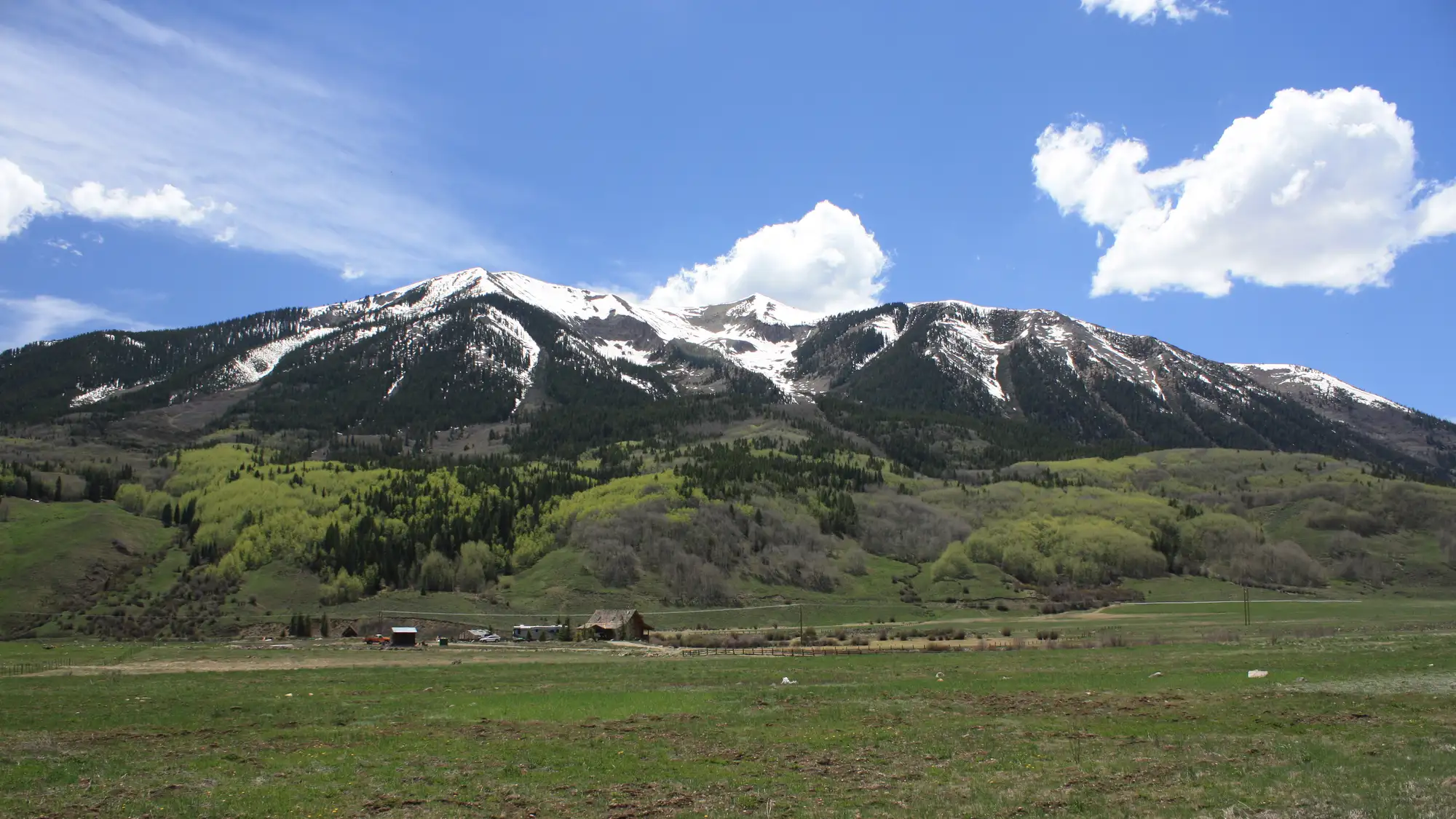
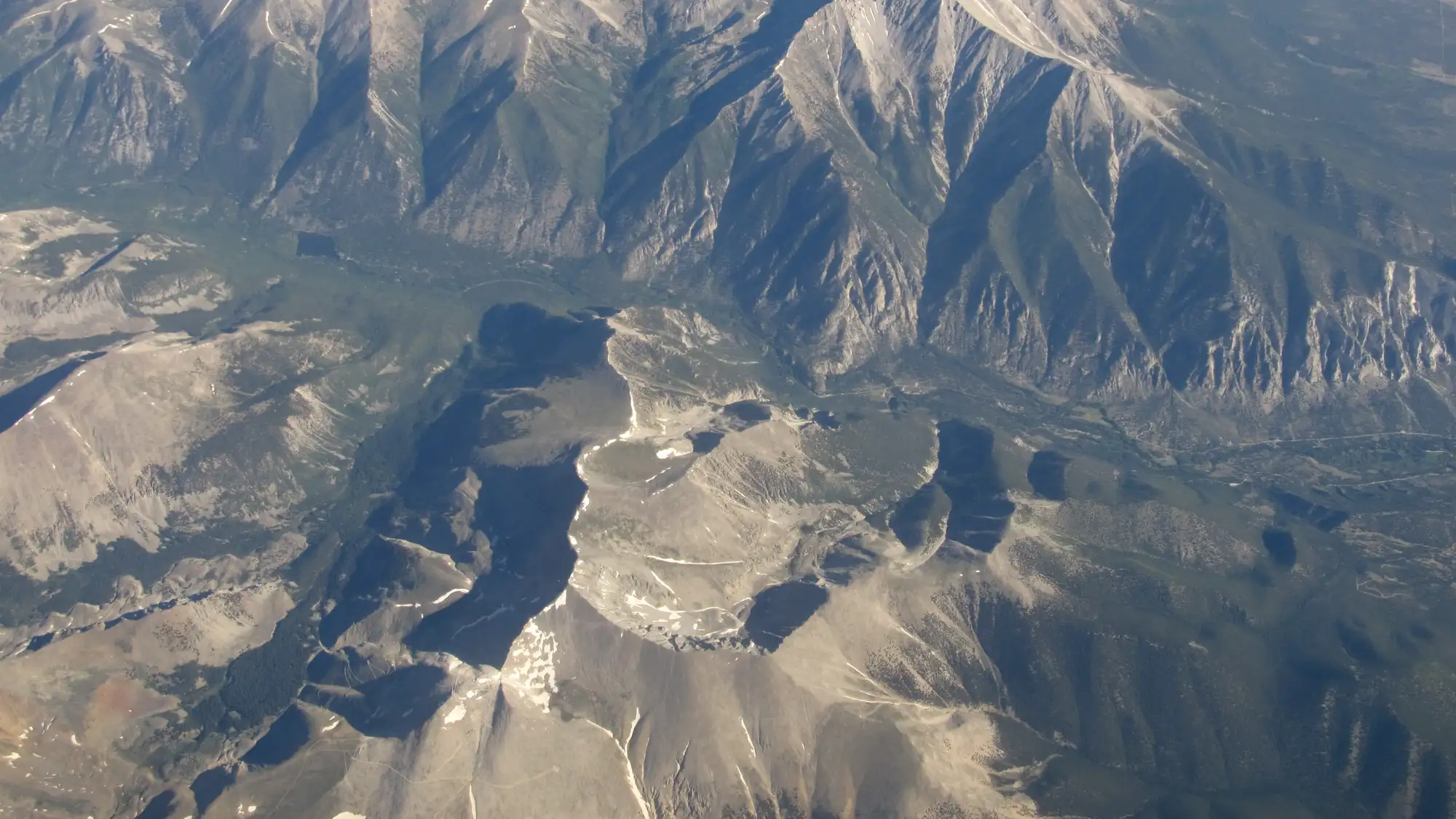
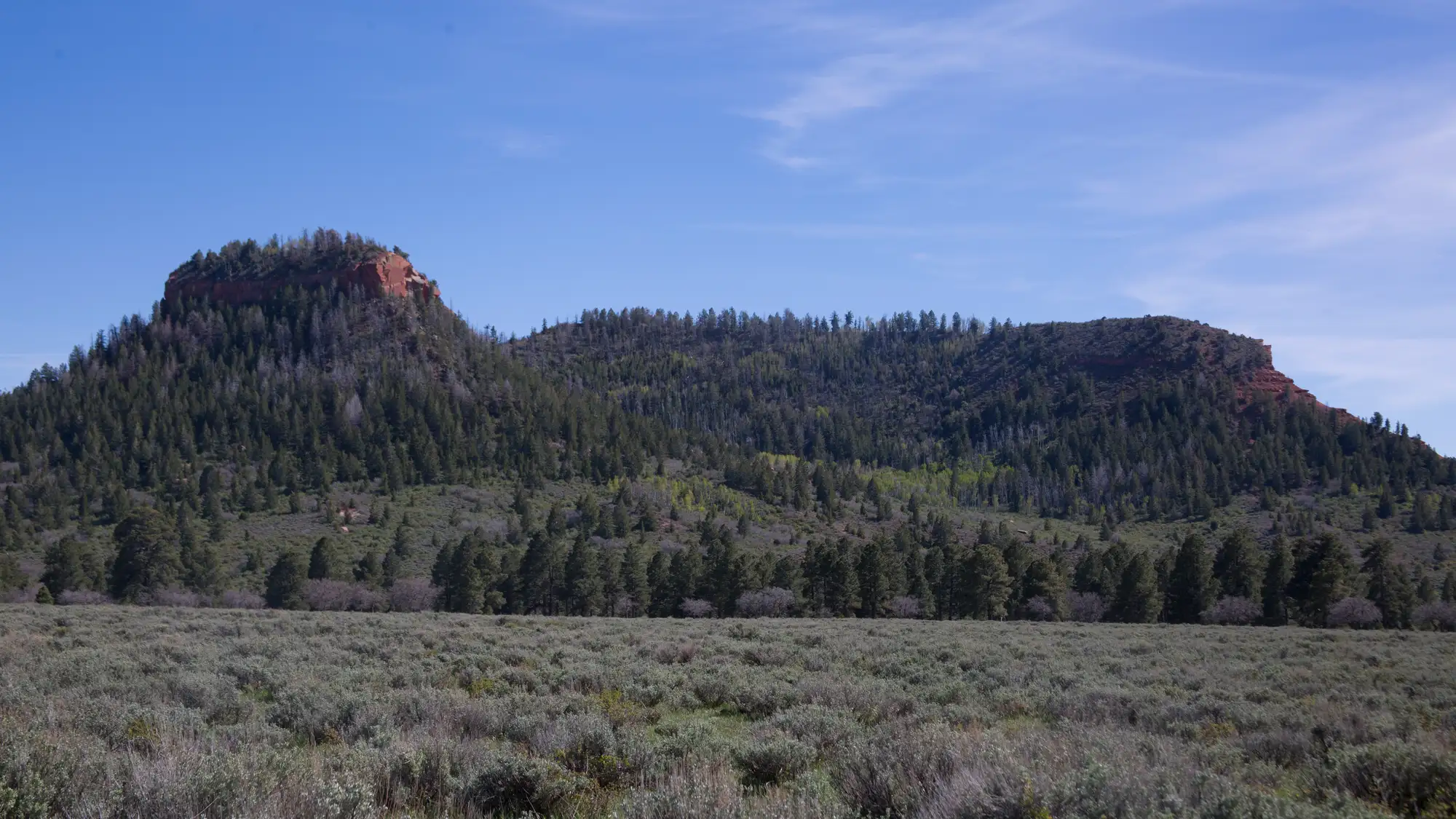
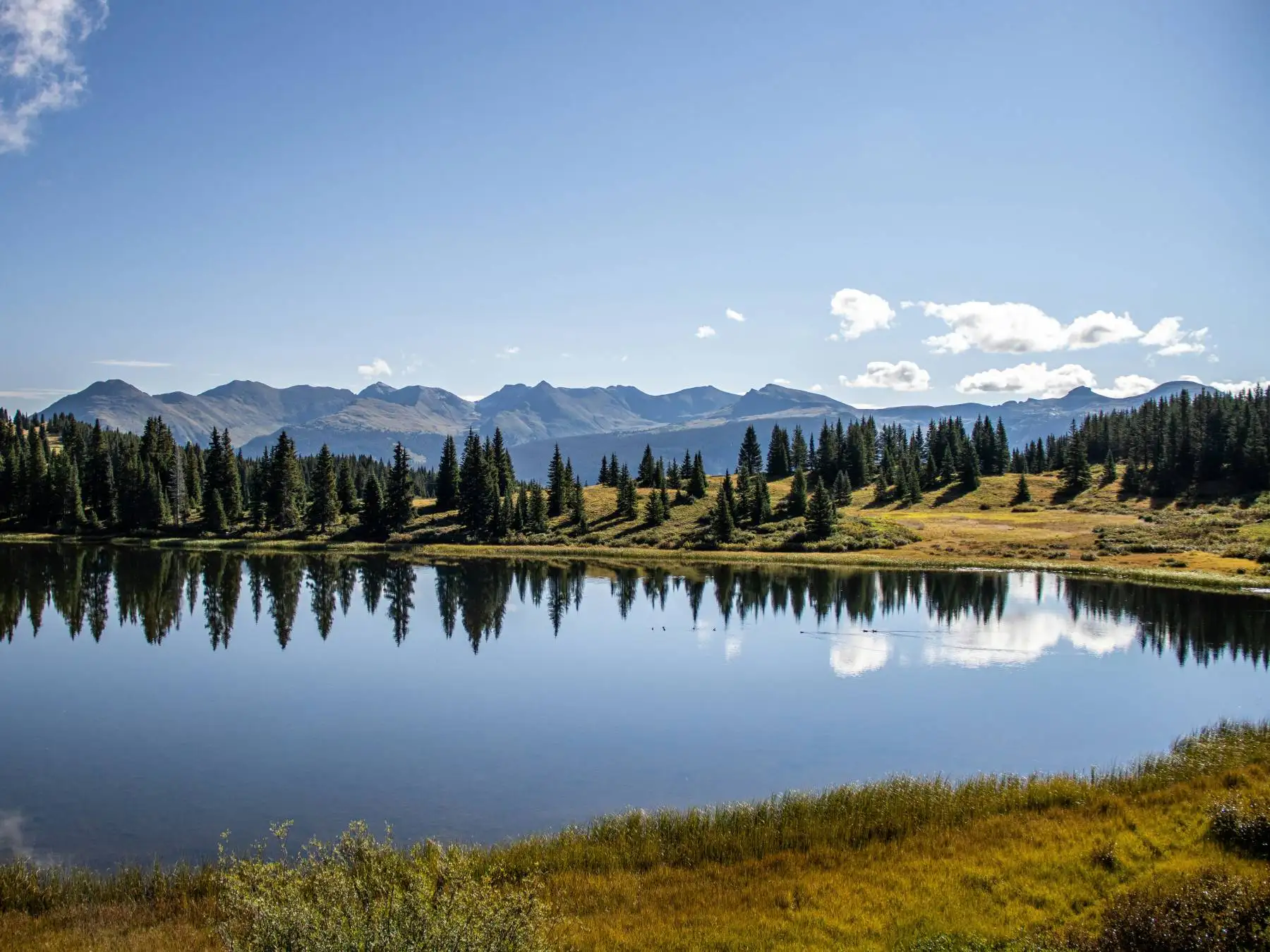
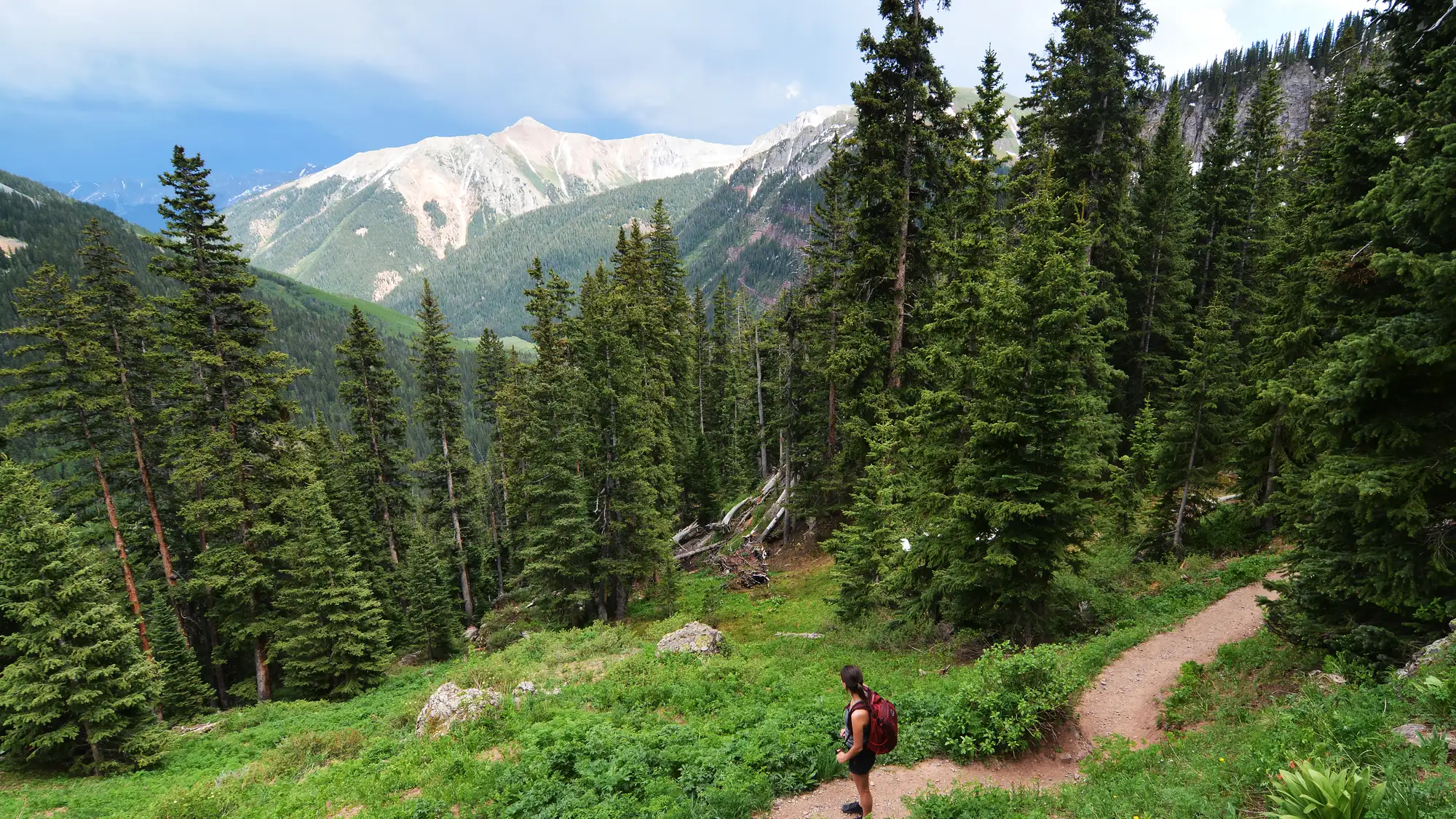
San Juan is really a stack of landscapes across about 1.8 million acres, from high-desert mesas and canyons near 5,000 feet up through pine forest and meadows to several of Colorado's fourteen-thousand-foot peaks. That range means you can pick your effort. A gentle valley walk or a lung-burning climb toward the alpine, both count.
The reset here is built on space and quiet. The Forest Service describes its wilderness areas as offering peaceful solitude, and hikers report that quieter routes like Fourmile Stock Drive #569 stay uncrowded even on a summer weekend. The famous trailheads get the attention, so the walking that actually slows a busy mind is often a mile or two past where most people turn around.
You do not need a summit to feel it. What the terrain gives you is a reason to move at altitude, in clean air, with something worth looking at in every direction.
The science: Researchers in Austria sent people on a three-hour alpine mountain hike and, separately, on a three-hour indoor treadmill walk at matched effort. The hikers finished with larger gains in pleasantness and energy and a bigger drop in fatigue, which suggests the mountain itself, not just the exertion, moved their mood. San Juan is full of exactly that kind of walking, from meadow trails to routes climbing toward its fourteen-thousand-foot peaks.
Niedermeier, Einwanger, Hartl & Kopp (2017) · PLOS ONE
Seasonal guide
Temperatures are NOAA climate normals from LEMON DAM at 8,110 ft. A national forest spans a wide elevation range, so the high country runs cooler and holds snow later than the valleys. The season notes below tell you how to work each one.
Mid-elevation highs climb from the upper 40sF in March to the low 60sF by May, with cold nights still dipping below freezing early on. Seasonal road openings generally begin around May 1, though upper-elevation and backcountry roads often stay closed until June or later as snow melts. Stick to lower districts early and expect the high country to hold snow well after the valleys thaw.
This is peak access, with mid-elevation highs in the mid-to-upper 70sF and high-elevation roads typically clearing by late July or mid-August. Fire restrictions can begin in lower elevations in late May and expand forest-wide by mid-June in hot, dry conditions, and intense afternoon thunderstorms are common, so start hikes early and be off exposed ridges by midday. July and August are also the wettest months from the monsoon.
Fall brings cooler, settled weather, with September highs near 70F dropping into the upper 50sF by October and nights sliding back below freezing. Fall color use concentrates from mid-September into early or mid-October, making it a rewarding time for scenic drives and meadow trails. Pack layers, since the high country cools fast once the sun drops.
Winter is the quietest season, with mid-elevation highs in the upper 30s to mid-40sF and nights well into the teens or single digits. Seasonal road closures usually begin in early to mid-December, and while the forest stays open, access shifts to snow travel and many roads and campgrounds shut down. Come prepared for winter conditions and check current closures, as higher elevations get far more snow than the valleys.
This month in the forest
Timing changes everything out here. Pick a month to see when the light turns golden, which nights stay darkest for stargazing, and what visitors have actually recorded in bloom and on the move. The new-moon night is the one to plan a sky-watching evening around.
January 2027
Wildlife on the move · 66 species on record
- Mule Deer 39 sightings
- Wapiti 23 sightings
- Mountain Chickadee 8 sightings
- Wild Turkey 7 sightings
- Red Fox 6 sightings
February 2027
Wildlife on the move · 79 species on record
- Mule Deer 32 sightings
- Wapiti 20 sightings
- Common Raven 8 sightings
- Bald Eagle 6 sightings
- Canada Goose 5 sightings
March 2027
In bloom · 9 species on record
- ❀ Madrean springbeauty 3 sightings
- ❀ Small-flowered blue-eyed mary 2 sightings
- ❀ Fendler's pennycress 2 sightings
- ❀ Curveseed Butterwort 2 sightings
- ❀ Redstem Stork's-bill 1 sightings
Wildlife on the move · 124 species on record
- Wapiti 27 sightings
- Mule Deer 26 sightings
- Steller's Jay 19 sightings
- Canada Goose 18 sightings
- Dark-eyed Junco 14 sightings
April 2027
In bloom · 18 species on record
- ❀ Prairie pasqueflower 7 sightings
- ❀ Pagosa Springs Bladderpod 5 sightings
- ❀ Glacier Lily 3 sightings
- ❀ Sagebrush buttercup 3 sightings
- ❀ Oregon Boxwood 2 sightings
Wildlife on the move · 183 species on record
- Mule Deer 32 sightings
- Plateau Fence Lizard 13 sightings
- Wapiti 13 sightings
- Mountain Bluebird 12 sightings
- Greater Short-horned Lizard 11 sightings
May 2027
In bloom · 65 species on record
- ❀ Glacier Lily 15 sightings
- ❀ Rocky mountain marsh-marigold 12 sightings
- ❀ Western red columbine 11 sightings
- ❀ Creeping mahonia 10 sightings
- ❀ Pagosa Springs Bladderpod 9 sightings
Wildlife on the move · 348 species on record
- Mule Deer 35 sightings
- Boreal Chorus Frog 33 sightings
- Greater Short-horned Lizard 33 sightings
- Red-winged Blackbird 29 sightings
- Steller's Jay 28 sightings
June 2027
In bloom · 175 species on record
- ❀ Blue columbine 69 sightings
- ❀ Twinberry honeysuckle 22 sightings
- ❀ Edible valerian 21 sightings
- ❀ Western red columbine 15 sightings
- ❀ Gunnison's Mariposa Lily 14 sightings
Wildlife on the move · 482 species on record
- Mule Deer 67 sightings
- Common Golden-mantled Ground Squirrel 61 sightings
- Yellow-bellied Marmot 53 sightings
- Western Terrestrial Garter Snake 47 sightings
- Western Tiger Swallowtail 45 sightings
July 2026
In bloom · 131 species on record
- ❀ Blue columbine 73 sightings
- ❀ Gunnison's Mariposa Lily 58 sightings
- ❀ Fireweed 38 sightings
- ❀ Edible valerian 22 sightings
- ❀ Prairie mallow 12 sightings
Wildlife on the move · 565 species on record
- Mule Deer 106 sightings
- American Pika 100 sightings
- Police Car Moth 88 sightings
- Common Golden-mantled Ground Squirrel 84 sightings
- Yellow-bellied Marmot 82 sightings
August 2026
In bloom · 107 species on record
- ❀ Blue columbine 76 sightings
- ❀ Fireweed 25 sightings
- ❀ Queen's Crown 21 sightings
- ❀ Pearly everlasting 17 sightings
- ❀ Parry's gentian 13 sightings
Wildlife on the move · 478 species on record
- Police Car Moth 205 sightings
- American Pika 99 sightings
- Mule Deer 93 sightings
- Greater Short-horned Lizard 61 sightings
- Yellow-bellied Marmot 59 sightings
September 2026
In bloom · 49 species on record
- ❀ Parry's gentian 5 sightings
- ❀ Blue columbine 5 sightings
- ❀ Scarlet Gilia 3 sightings
- ❀ Common yarrow 3 sightings
- ❀ Musk thistle 3 sightings
Wildlife on the move · 308 species on record
- Mule Deer 54 sightings
- Spotted Tussock Moth 48 sightings
- Western Terrestrial Garter Snake 34 sightings
- Greater Short-horned Lizard 28 sightings
- Police Car Moth 26 sightings
October 2026
In bloom · 13 species on record
- ❀ Musk thistle 3 sightings
- ❀ Common yarrow 2 sightings
- ❀ Red Clover 1 sightings
- ❀ Scarlet Gilia 1 sightings
- ❀ Pearly everlasting 1 sightings
Wildlife on the move · 140 species on record
- Mule Deer 23 sightings
- Steller's Jay 16 sightings
- Grand Canyon Black Tarantula 16 sightings
- Black-billed Magpie 12 sightings
- Red-tailed Hawk 10 sightings
November 2026
In bloom · 2 species on record
- ❀ Spreading fleabane 1 sightings
- ❀ Pagosa Springs Bladderpod 1 sightings
Wildlife on the move · 86 species on record
- Mule Deer 22 sightings
- Red-tailed Hawk 14 sightings
- Steller's Jay 13 sightings
- Black-billed Magpie 10 sightings
- Black-capped Chickadee 9 sightings
December 2026
Wildlife on the move · 74 species on record
- Mule Deer 27 sightings
- Wapiti 20 sightings
- Canada Jay 16 sightings
- Black-billed Magpie 12 sightings
- Wild Turkey 9 sightings
Sun and moon times are computed for the forest's coordinates from standard NOAA solar equations and cross-checked against the U.S. Naval Observatory. Species lists are research-grade community observations for San Juan National Forest via iNaturalist, retrieved July 2026; sighting counts are all-time records for that calendar month.
Don’t wait for San Juan National Forest.
One big trip a year isn’t what changes how you feel — the small stuff in between is. The 7-Day Nature Reset is one tiny outdoor practice a day, wherever you already are. Day one takes 60 seconds.
No spam. No noise. Just nature.
Day 1 is landing in your inbox right now — go say hi.
Sleep nearby
Places to stay around Durango, Colorado. Pan the map to trade a shorter drive for a quieter night.
Camping inside the park books through Recreation.gov and is listed separately.
The map is provided by Stay22. If you book through it we may earn a commission at no cost to you, which helps keep Happier Outdoors running. It never changes what we recommend.
From the field


Photos: Paxson Woelber (CC BY-SA 4.0), via Wikimedia Commons ; John Sowell (CC BY-SA 4.0), via Wikimedia Commons
Common questions
When is the best time to visit San Juan National Forest?
Summer through early fall is the most accessible stretch, with July highs around 79F at mid-elevation and fall color concentrated from mid-September into early or mid-October. High-elevation roads often stay snow-covered into late July or mid-August, so if you are aiming for the alpine, plan later in summer, and expect the high country to run cooler than the valleys year-round.
Is San Juan National Forest dog-friendly?
Yes, the forest says dogs are always welcome but must be kept under control at all times. In campgrounds and developed recreation areas they must be leashed on a 6-foot or shorter leash, they are not allowed inside visitor centers, and they are specifically prohibited in the Chicken Creek Ski Area from December 15 to March 15 each year.
Do you need a pass or permit for San Juan National Forest?
No general recreation pass is required for ordinary use like hiking, biking, fishing, or horseback riding. The exception is Chimney Rock National Monument, where day use is $20 per vehicle or $10 per motorcycle and an America the Beautiful pass is accepted; separate permits are needed for activities like firewood or Christmas tree cutting and groups of 75 or more.
Can you camp in San Juan National Forest?
Yes, the forest has many developed campgrounds plus dispersed camping in some areas. Recreation.gov lists dozens of reservable campgrounds totaling several hundred sites, with standard fees roughly $18 to $41 per night, while dispersed camping is location-specific and not allowed on every road.
Where can you disperse camp in San Juan National Forest?
Dispersed camping is offered in some areas but the rules are location-specific. A clear example is South Mineral along Forest Road 585, where dispersed camping is allowed only in the designated Anvil, Bear, and Sultan Camping Areas, and you must stay at least 100 feet from any water source.
What is a quieter trail in San Juan National Forest?
Fourmile Stock Drive Trail #569 is one of the clearest quiet options, described as usually not busy on a summer weekend. Columbine Lake Trail #509 and Highland Mary Lakes Trail #606 are also away from the busiest headline spots, and on the Piedra River Trail solitude improves the farther in you go past the first couple of relatively busy miles.
Is San Juan National Forest accessible for wheelchairs?
Accessible options are limited in the available information, but a few sites are noted. Big Al Trail (630) is described as handicapped accessible, West Dolores Campground has a site near the restroom designated for wheelchair access plus two picnic areas, and Palisades Horse Campground has wheelchair-accessible picnic tables.
Similar forests worth the trip
Matched by the kind of quiet and the reset they offer.