Gunnison National Forest
Gunnison, Colorado · Rocky Mountains
Why the quiet here restores you
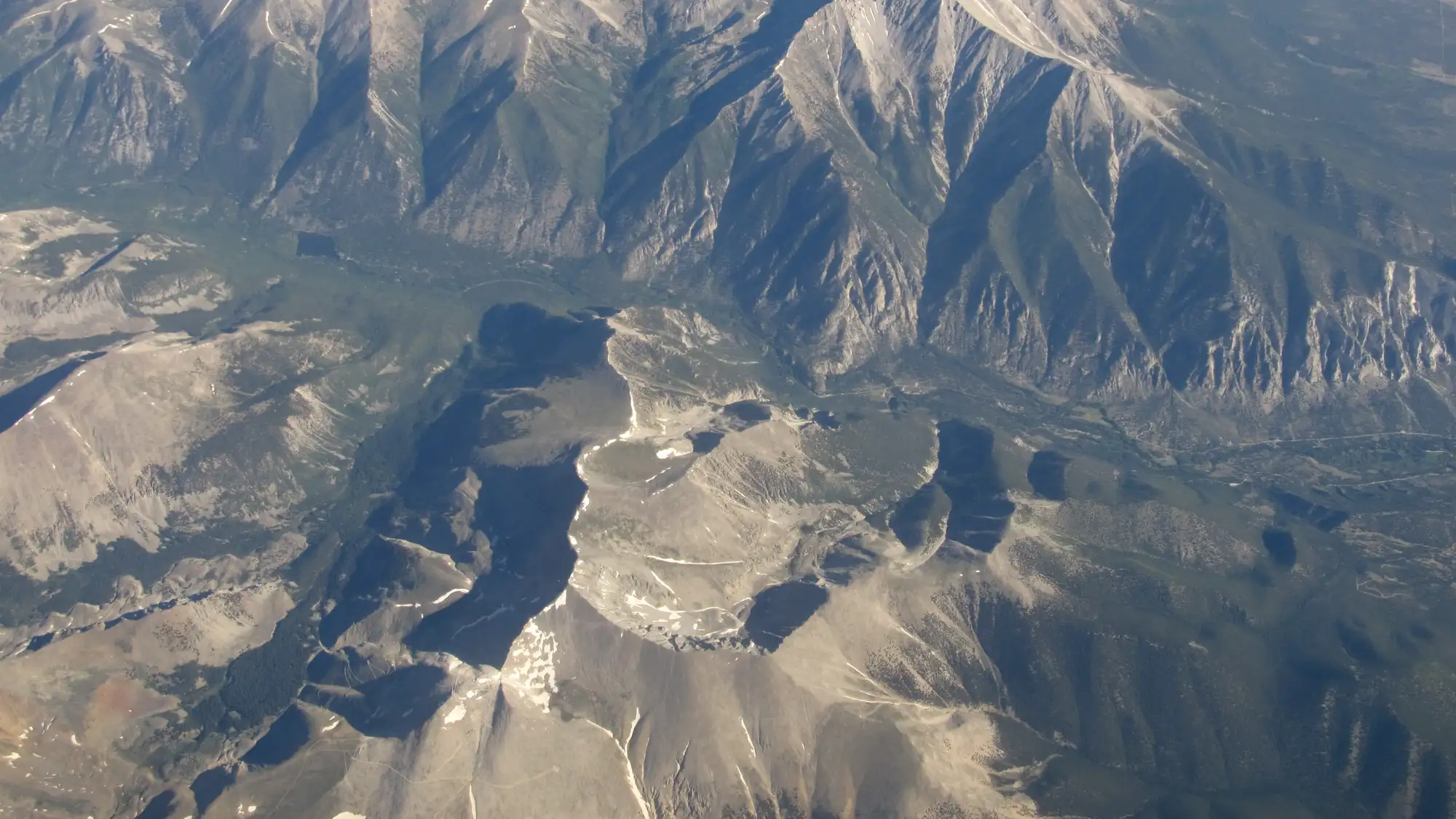
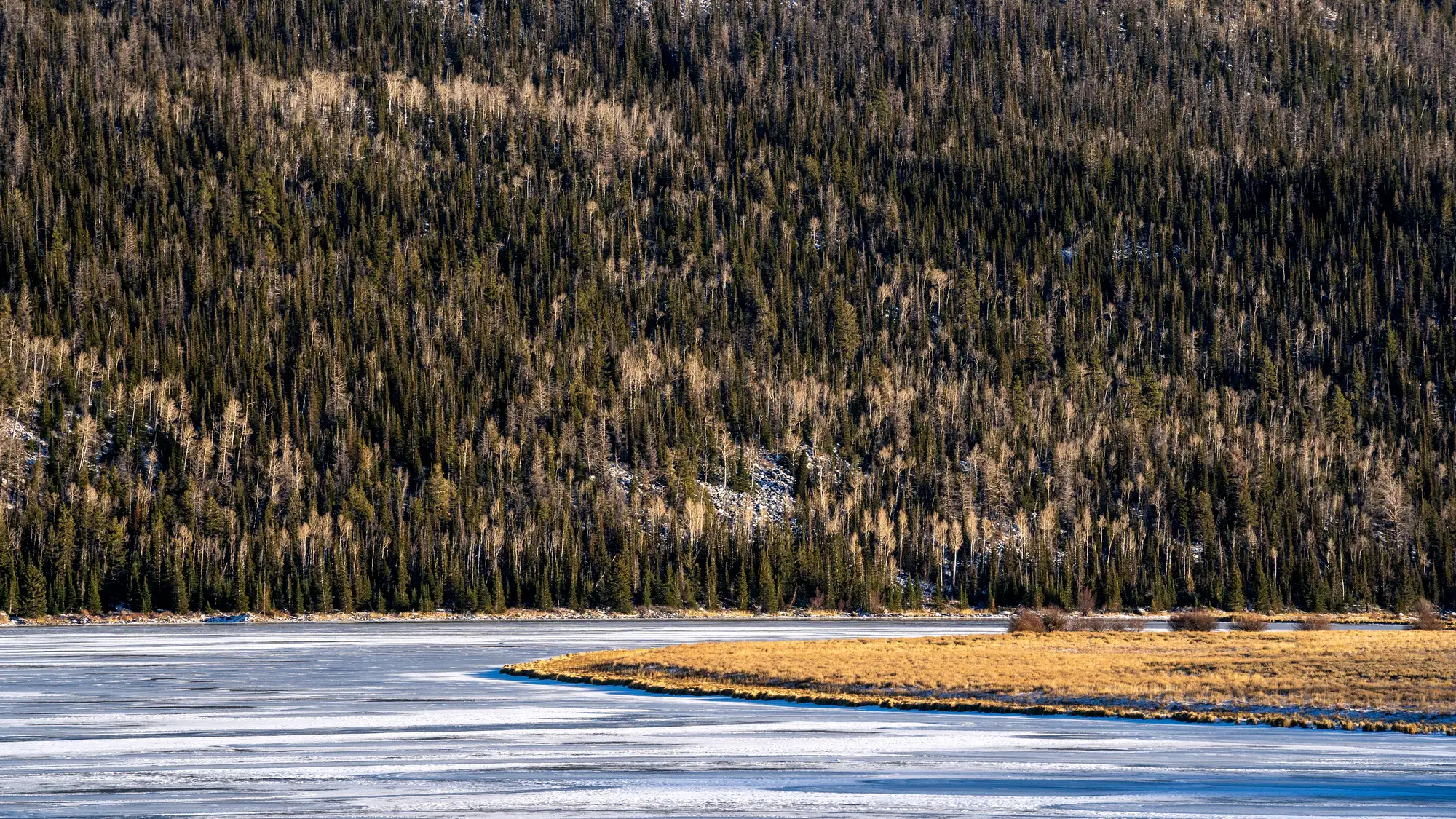
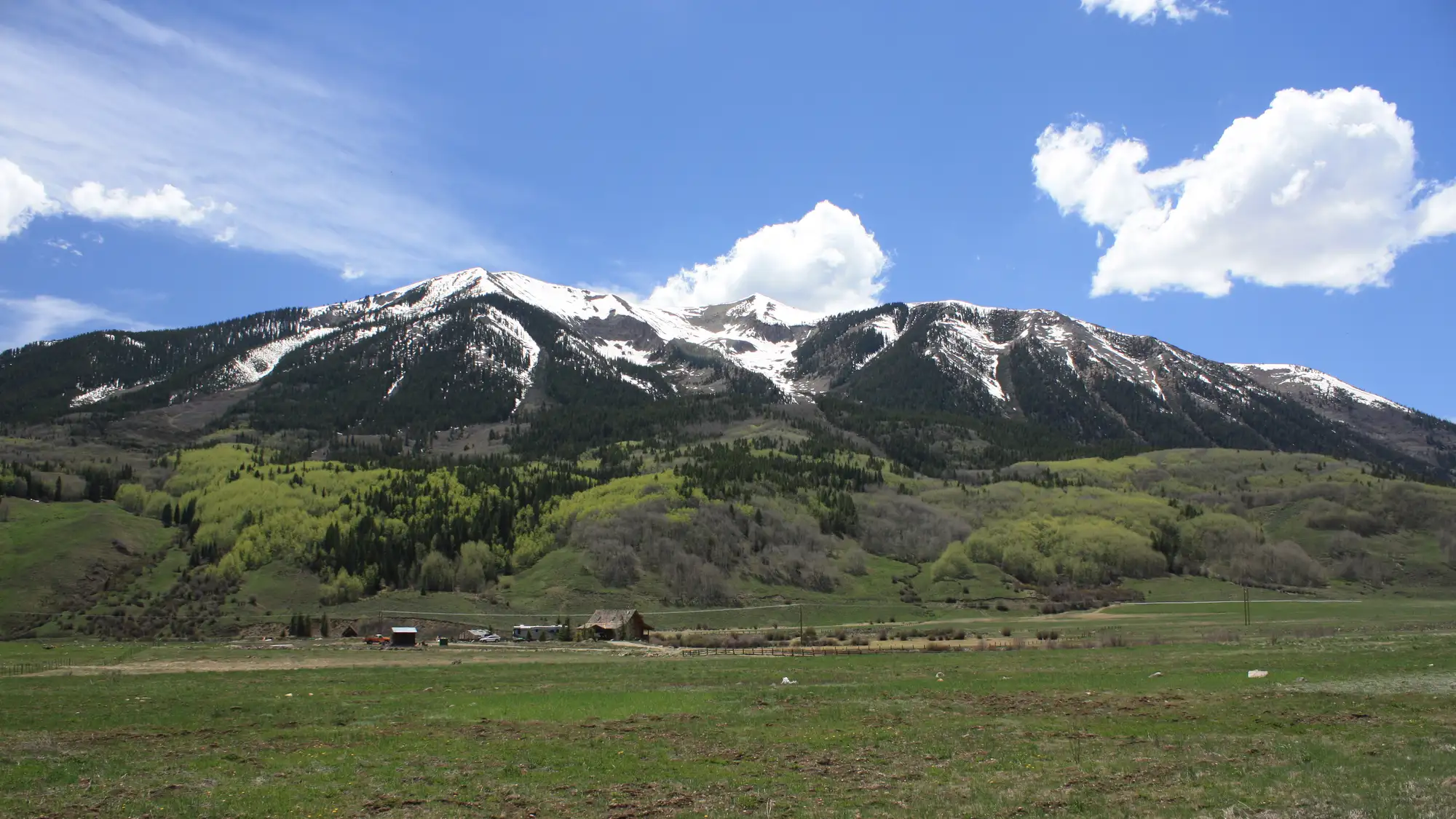
Gunnison sits on Colorado's West Slope, one piece of the sprawling Grand Mesa, Uncompahgre and Gunnison forests. It is rugged country: vast mountains, canyons, plateau and mesa, with the West Elk Wilderness folded into it. The Forest Service notes West Elk sees little visitation except during fall hunting season, which is exactly what makes it worth the walk in.
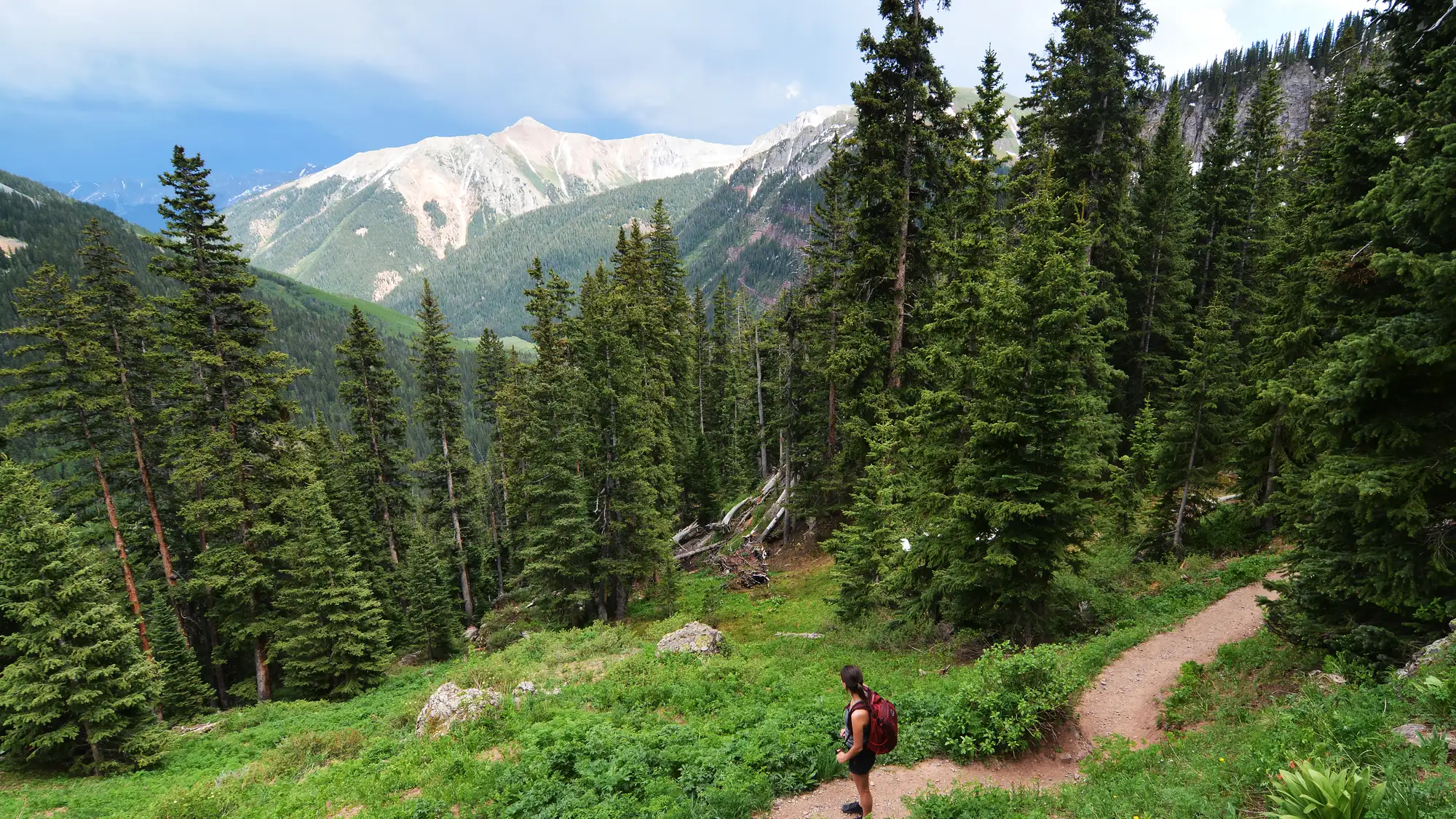
A quiet trail does something specific for a busy head. When there is little to react to and little demand pulling at your attention, the mind gets room to settle, and the small sounds start to register: water over rock, wind in the spruce, birds you would never hear over traffic.
You do not need the deep backcountry to get there. A morning on a low-traffic trail off the Taylor River, or a slow loop near one of the high lakes, gives you the same ingredients. The point is going where the noise is not.
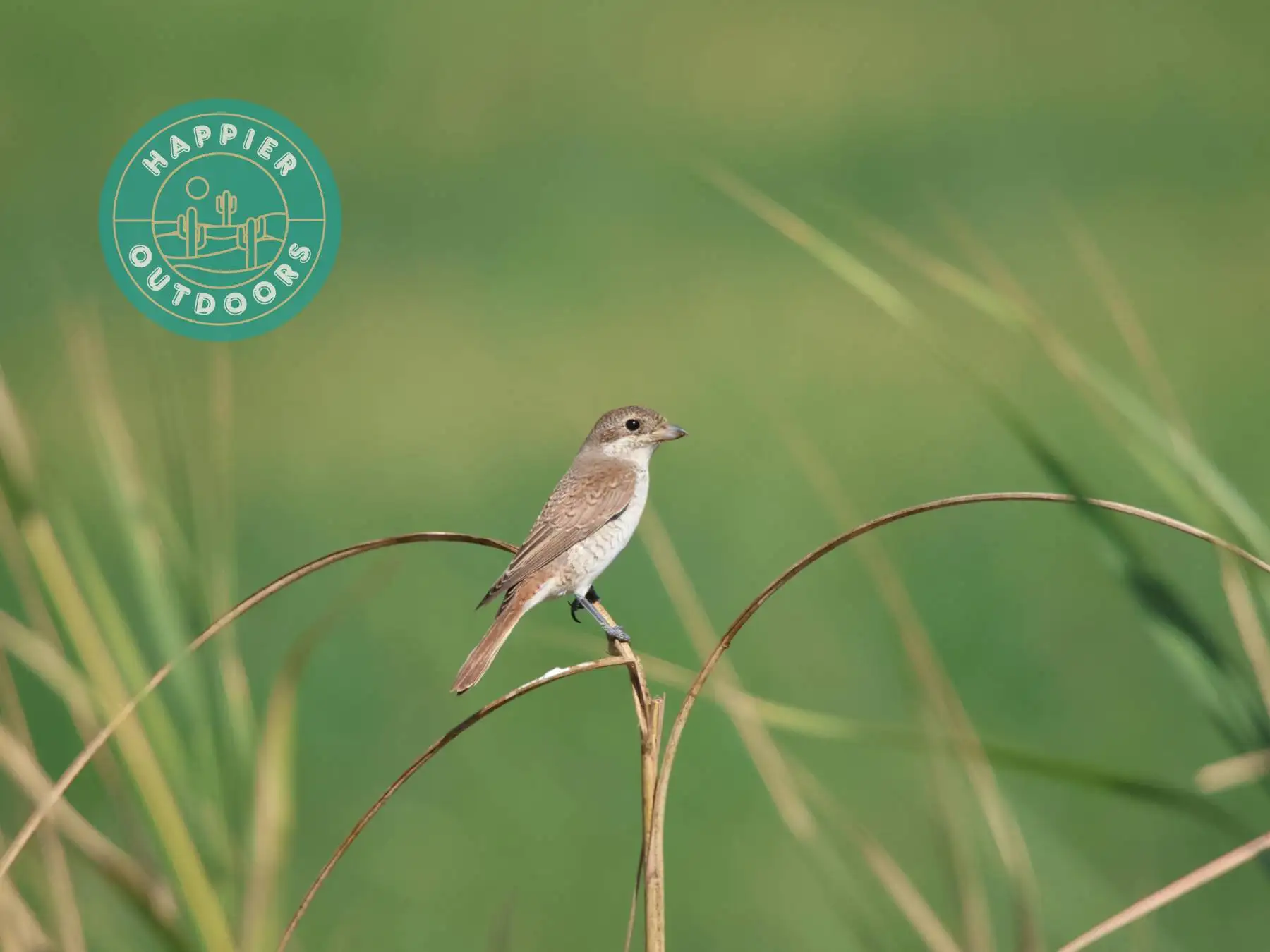
The science: On two hiking trails in a Colorado protected area, researchers hid speakers and added a phantom birdsong chorus, and hikers who walked the enriched stretches reported significantly higher psychological restoration than hikers on the same trails with the playback off. On Gunnison's quiet West Elk trails that chorus is not piped in from a speaker, it is the real thing, which is one reason a low-traffic wilderness pays back the effort of reaching it.
Ferraro, Miller, Ferguson, Taff, Barber, Newman & Francis (2020) · Proceedings of the Royal Society B
Seasonal guide
Temperatures are NOAA climate normals from PAONIA 1SW at 5,581 ft. A national forest spans a wide elevation range, so the high country runs cooler and holds snow later than the valleys. The season notes below tell you how to work each one.
At the Paonia station near 5,600 feet, highs climb from the mid-50s in March to the low 70s by May, but the higher country stays snowbound much later. Many roads are closed until they dry out, and the Forest Service asks visitors to stay off soft roads to avoid ruts. Stick to lower valleys and paved access early, and save the high routes for late May when spurs like NFSR #810 reopen.
Valley highs run in the mid-80s to around 90, while trailheads at elevation stay noticeably cooler. Fire season typically starts in late June, so expect possible Stage 1 or Stage 2 restrictions, and August afternoons bring monsoon thunderstorms. Start hikes early, carry rain gear, and check current fire orders before lighting anything.
Highs ease from the high 70s in September to the mid-60s in October, with cold nights dropping toward freezing up high. Aspens turn and the West Elk sees its heaviest use during hunting season, so wear blaze orange off the beaten track. It is a strong window for cool, quiet hiking before seasonal road closures begin in late fall.
January is the coldest stretch, with valley highs near 39 and lows in the teens, and the high country far colder and deep in snow. Many roads close for the season, such as the Almont Triangle from December 1 to April 30, so access is the most limited of the year. This is the quietest season and good for winter sports where roads and trailheads stay open.
This month in the forest
Timing changes everything out here. Pick a month to see when the light turns golden, which nights stay darkest for stargazing, and what visitors have actually recorded in bloom and on the move. The new-moon night is the one to plan a sky-watching evening around.
January 2027
In bloom · 2 species on record
- ❀ Saskatoon 1 sightings
- ❀ Prairie pasqueflower 1 sightings
Wildlife on the move · 46 species on record
- Bighorn Sheep 10 sightings
- Red-tailed Hawk 9 sightings
- Bald Eagle 7 sightings
- Wild Turkey 4 sightings
- American Kestrel 4 sightings
February 2027
Wildlife on the move · 38 species on record
- Bald Eagle 9 sightings
- Golden Eagle 7 sightings
- Red-tailed Hawk 7 sightings
- Mule Deer 7 sightings
- Black-billed Magpie 7 sightings
March 2027
In bloom · 6 species on record
- ❀ Ivy-leaved Speedwell 1 sightings
- ❀ Lanceleaf Springbeauty 1 sightings
- ❀ Spiny phlox 1 sightings
- ❀ Shortstyle Bluebells 1 sightings
- ❀ Rollins' Twinpod 1 sightings
Wildlife on the move · 61 species on record
- Red Fox 9 sightings
- Black-billed Magpie 8 sightings
- Canada Jay 4 sightings
- Gray-crowned Rosy-Finch 4 sightings
- Wild Turkey 3 sightings
April 2027
In bloom · 14 species on record
- ❀ Rollins' Twinpod 8 sightings
- ❀ Lanceleaf Springbeauty 4 sightings
- ❀ Shortstyle Bluebells 4 sightings
- ❀ Desert Paintbrush 3 sightings
- ❀ Glacier Lily 2 sightings
Wildlife on the move · 164 species on record
- Brown-capped Rosy-Finch 50 sightings
- Tree Swallow 41 sightings
- Common Merganser 24 sightings
- Cassin's Finch 23 sightings
- Black Rosy-Finch 20 sightings
May 2027
In bloom · 69 species on record
- ❀ Glacier Lily 41 sightings
- ❀ Lanceleaf Springbeauty 30 sightings
- ❀ Shortstyle Bluebells 30 sightings
- ❀ Upland larkspur 24 sightings
- ❀ Fendler's pennycress 20 sightings
Wildlife on the move · 247 species on record
- Common Golden-mantled Ground Squirrel 19 sightings
- Mule Deer 15 sightings
- Dusky Grouse 12 sightings
- Western Terrestrial Garter Snake 12 sightings
- Western Tanager 11 sightings
June 2027
In bloom · 225 species on record
- ❀ Blue columbine 265 sightings
- ❀ Upland larkspur 169 sightings
- ❀ Glacier Lily 126 sightings
- ❀ Scarlet Gilia 100 sightings
- ❀ Western red columbine 95 sightings
Wildlife on the move · 482 species on record
- Mule Deer 137 sightings
- Yellow-bellied Marmot 97 sightings
- Common Golden-mantled Ground Squirrel 91 sightings
- Red Fox 62 sightings
- Western Terrestrial Garter Snake 61 sightings
July 2026
In bloom · 223 species on record
- ❀ Blue columbine 402 sightings
- ❀ Gunnison's Mariposa Lily 235 sightings
- ❀ Richardson's geranium 231 sightings
- ❀ Scarlet Gilia 224 sightings
- ❀ Lewis flax 173 sightings
Wildlife on the move · 578 species on record
- Common Golden-mantled Ground Squirrel 114 sightings
- Mule Deer 112 sightings
- Yellow-bellied Marmot 99 sightings
- Weidemeyer's Admiral 77 sightings
- Police Car Moth 72 sightings
August 2026
In bloom · 121 species on record
- ❀ Parry's gentian 93 sightings
- ❀ Fireweed 92 sightings
- ❀ Showy goldeneye 77 sightings
- ❀ Scarlet Gilia 70 sightings
- ❀ Rocky Mountain Fringed Gentian 62 sightings
Wildlife on the move · 414 species on record
- Police Car Moth 86 sightings
- Mule Deer 71 sightings
- Yellow-bellied Marmot 70 sightings
- Common Golden-mantled Ground Squirrel 58 sightings
- Mormon Cricket 55 sightings
September 2026
In bloom · 41 species on record
- ❀ Showy goldeneye 17 sightings
- ❀ Common yarrow 11 sightings
- ❀ Shrubby cinquefoil 11 sightings
- ❀ Wyoming Paintbrush 7 sightings
- ❀ Scarlet Gilia 6 sightings
Wildlife on the move · 216 species on record
- Mormon Cricket 45 sightings
- Mule Deer 35 sightings
- Western Terrestrial Garter Snake 20 sightings
- Red-tailed Hawk 19 sightings
- Black-billed Magpie 19 sightings
October 2026
In bloom · 5 species on record
- ❀ Scarlet Gilia 2 sightings
- ❀ Field bindweed 1 sightings
- ❀ Rubber Rabbitbrush 1 sightings
- ❀ Shrubby cinquefoil 1 sightings
- ❀ Curved Buckwheat 1 sightings
Wildlife on the move · 102 species on record
- Mule Deer 12 sightings
- Red-tailed Hawk 11 sightings
- Canada Jay 9 sightings
- Black-billed Magpie 7 sightings
- Moose 7 sightings
November 2026
Wildlife on the move · 34 species on record
- Bighorn Sheep 13 sightings
- Bald Eagle 3 sightings
- Gray-crowned Rosy-Finch 3 sightings
- Red Fox 3 sightings
- Mule Deer 3 sightings
December 2026
Wildlife on the move · 31 species on record
- Mule Deer 5 sightings
- Red Fox 4 sightings
- Golden Eagle 2 sightings
- Common Merganser 2 sightings
- Gray-crowned Rosy-Finch 2 sightings
Sun and moon times are computed for the forest's coordinates from standard NOAA solar equations and cross-checked against the U.S. Naval Observatory. Species lists are research-grade community observations via iNaturalist, retrieved July 2026; sighting counts are all-time records for that calendar month.
Don’t wait for Gunnison National Forest.
One big trip a year isn’t what changes how you feel — the small stuff in between is. The 7-Day Nature Reset is one tiny outdoor practice a day, wherever you already are. Day one takes 60 seconds.
No spam. No noise. Just nature.
Day 1 is landing in your inbox right now — go say hi.
Sleep nearby
Most visitors base in Montrose, Colorado, about 15 miles out. Montrose has far more lodging and better prices than the smaller mountain towns. Gunnison is the closer mountain gateway but has fewer rooms and higher prices. The map opens on Montrose, so pan toward the park to trade rooms and price for a shorter morning drive.
Camping inside the park books through Recreation.gov and is listed separately.
The map is provided by Stay22. If you book through it we may earn a commission at no cost to you, which helps keep Happier Outdoors running. It never changes what we recommend.
Common questions
When is the best time to visit Gunnison National Forest?
Summer is the most reliable window for full access, since higher roads and campgrounds open around mid-to-late May and many stay closed through April 30 for snow, mud, and wildlife protections. Fall brings aspen color and cooler air but overlaps hunting season in the wilderness, and winter access is the most limited by snow.
Is Gunnison National Forest dog-friendly?
Yes, dogs are allowed, but the rules vary by site. On developed campgrounds and day-use areas dogs must be on leash, and in the La Garita Wilderness that covers part of the forest a dog must be leashed or under direct verbal control at all times.
What is a quieter trail in Gunnison National Forest?
The West Elk Wilderness is the clearest low-traffic area, which the Forest Service describes as having little visitation except during fall hunting season. Named trails there include Mill Castle Trail #450, Rainbow Lake Trail #449, Beaver Ponds Trail #516, Swampy Pass Trail #439, and Coal Mesa Trail #451, all in rugged terrain with fewer casual day-hike draws.
Do you need a pass or permit for Gunnison National Forest?
There is no entrance fee, but fees apply at some campgrounds and day-use areas run by the concessionaire from May to September. Hiking needs no permit, while firewood collection, mushroom picking, rock collecting, and cutting a Christmas tree may require separate permits, and Gunnison Gorge Wilderness charges its own day-use and camping fees.
Can you camp in Gunnison National Forest?
Yes, the forest has over 430 sites across more than 30 campgrounds, including large ones like Lakeview Gunnison, Lottis Creek, and Silver Jack. Dispersed camping is also available in more isolated primitive areas, such as the designated dispersed sites at Alta Lakes, with camping generally limited to 14 consecutive days in one location.
Is Gunnison National Forest accessible for wheelchairs?
A few specific sites document accessible features, though most pages do not offer a full inventory. Lottis Creek has 4 reservable ADA sites, Little Bear has 2 accessible sites plus a wheelchair-friendly area by the fish-cleaning station, Silver Jack has some accessible sites, and Island Lake has a concrete boat ramp and a wheelchair-accessible fishing pier.
Similar forests worth the trip
Matched by the kind of quiet and the reset they offer.