Kaibab National Forest
Williams, Arizona · Southwest
What ponderosa air does for you
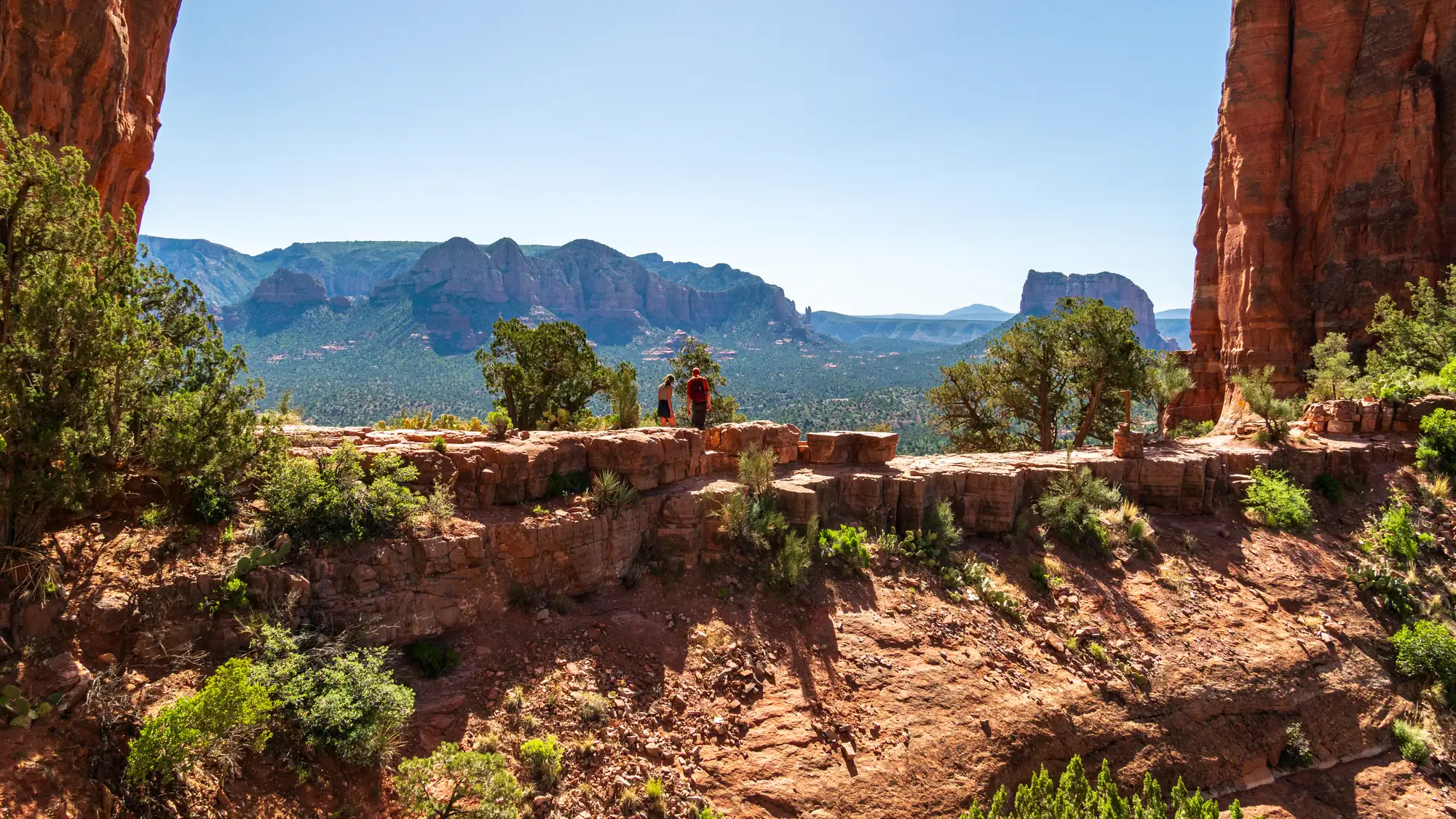
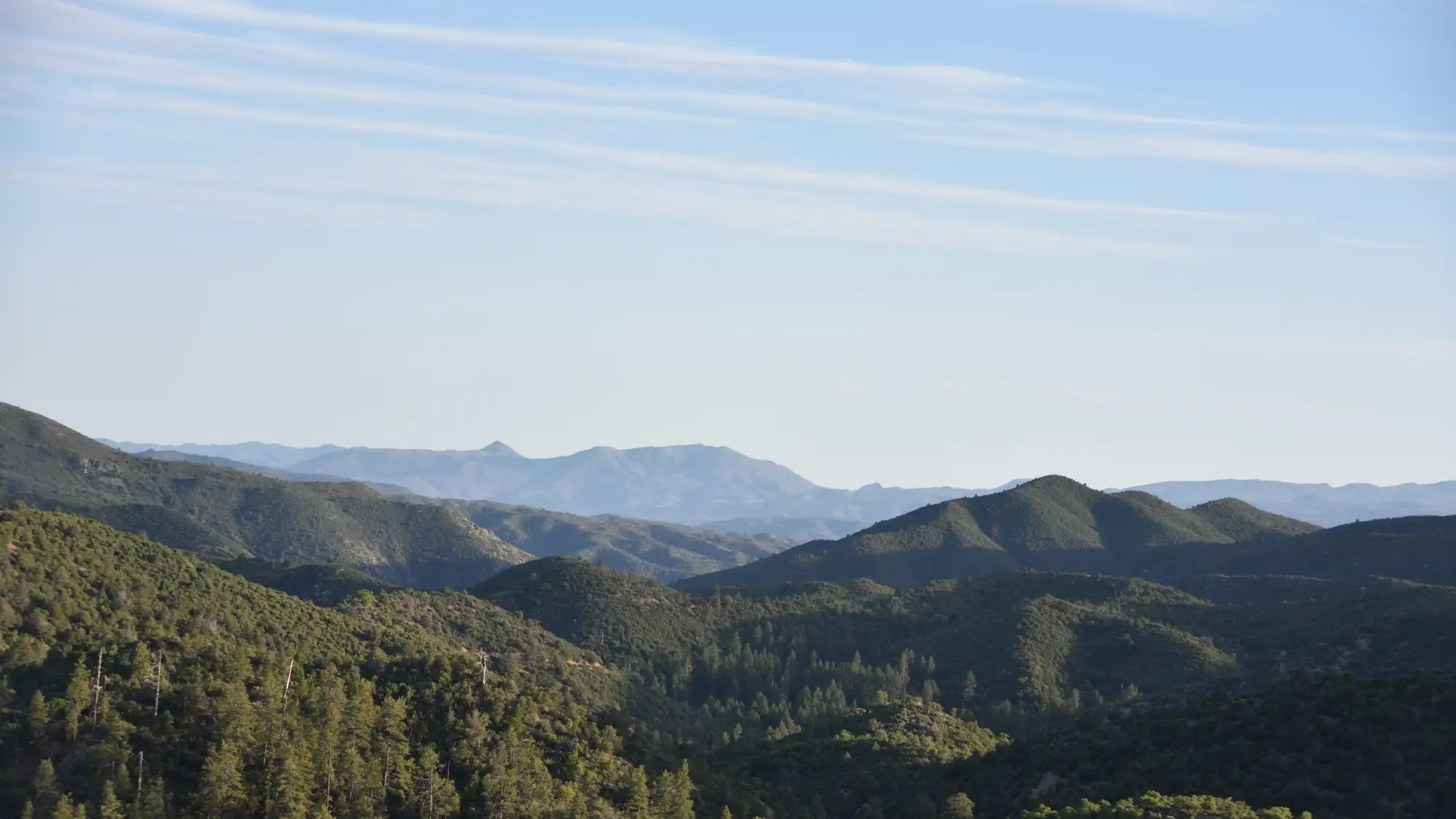
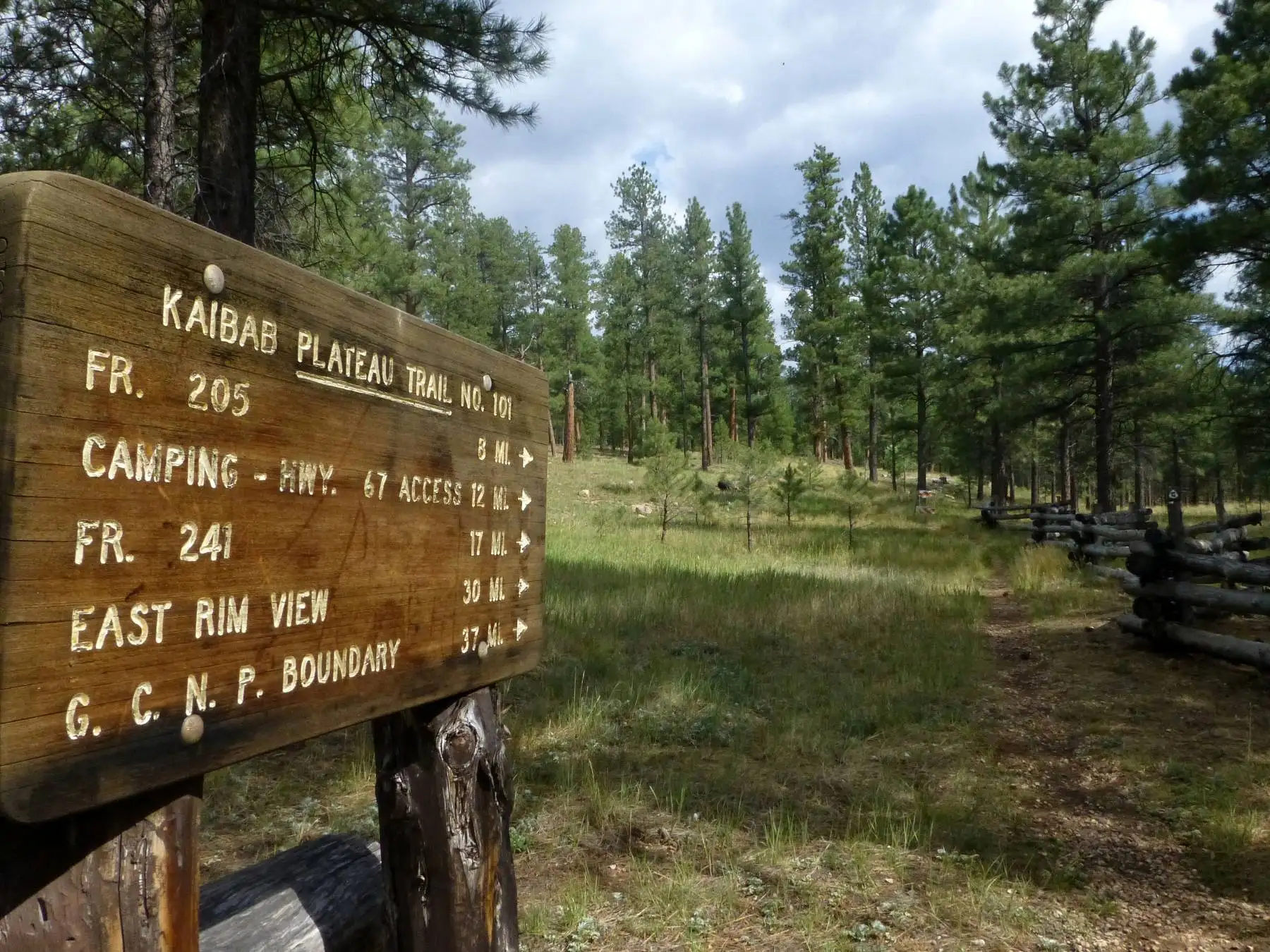
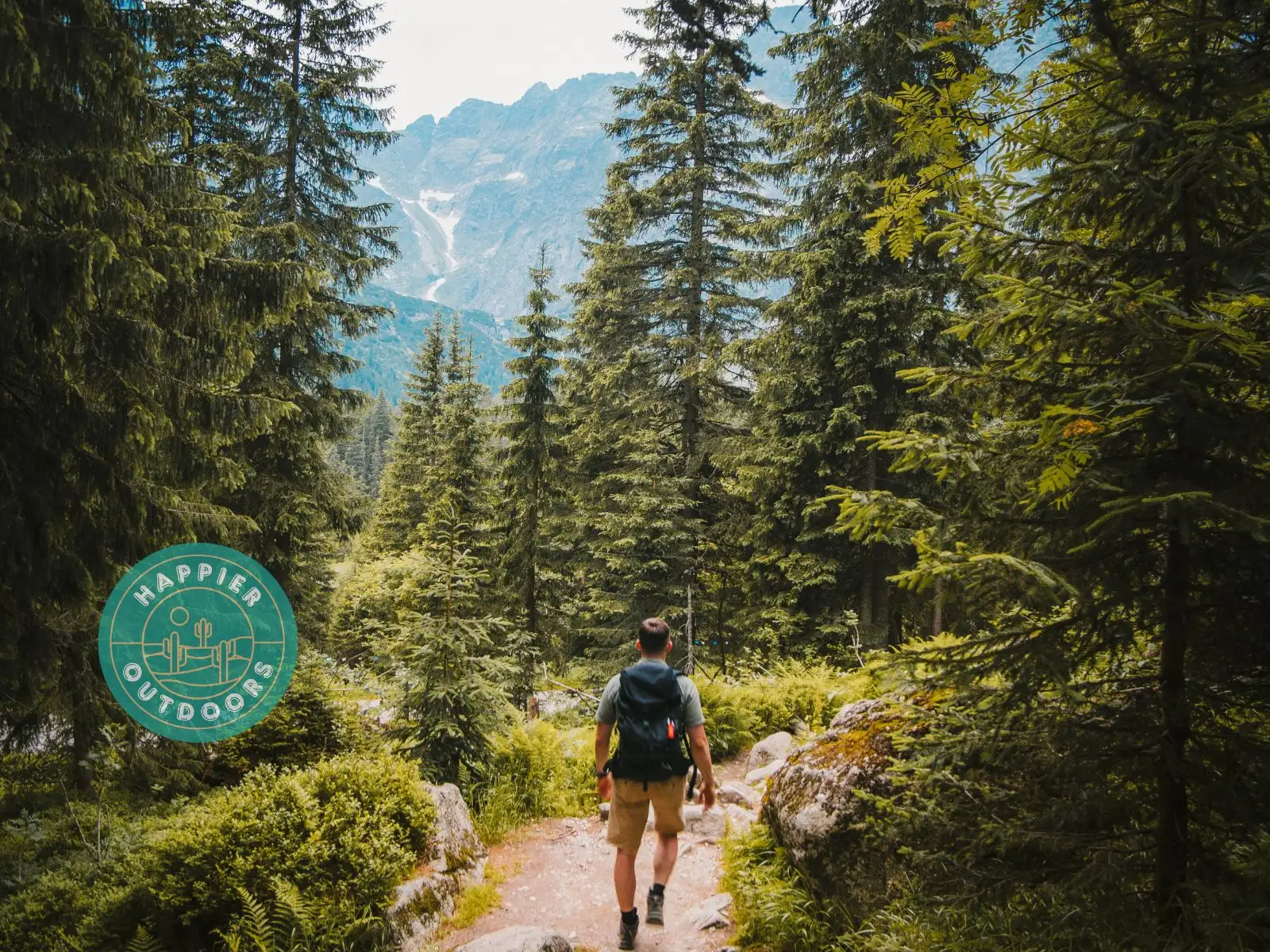
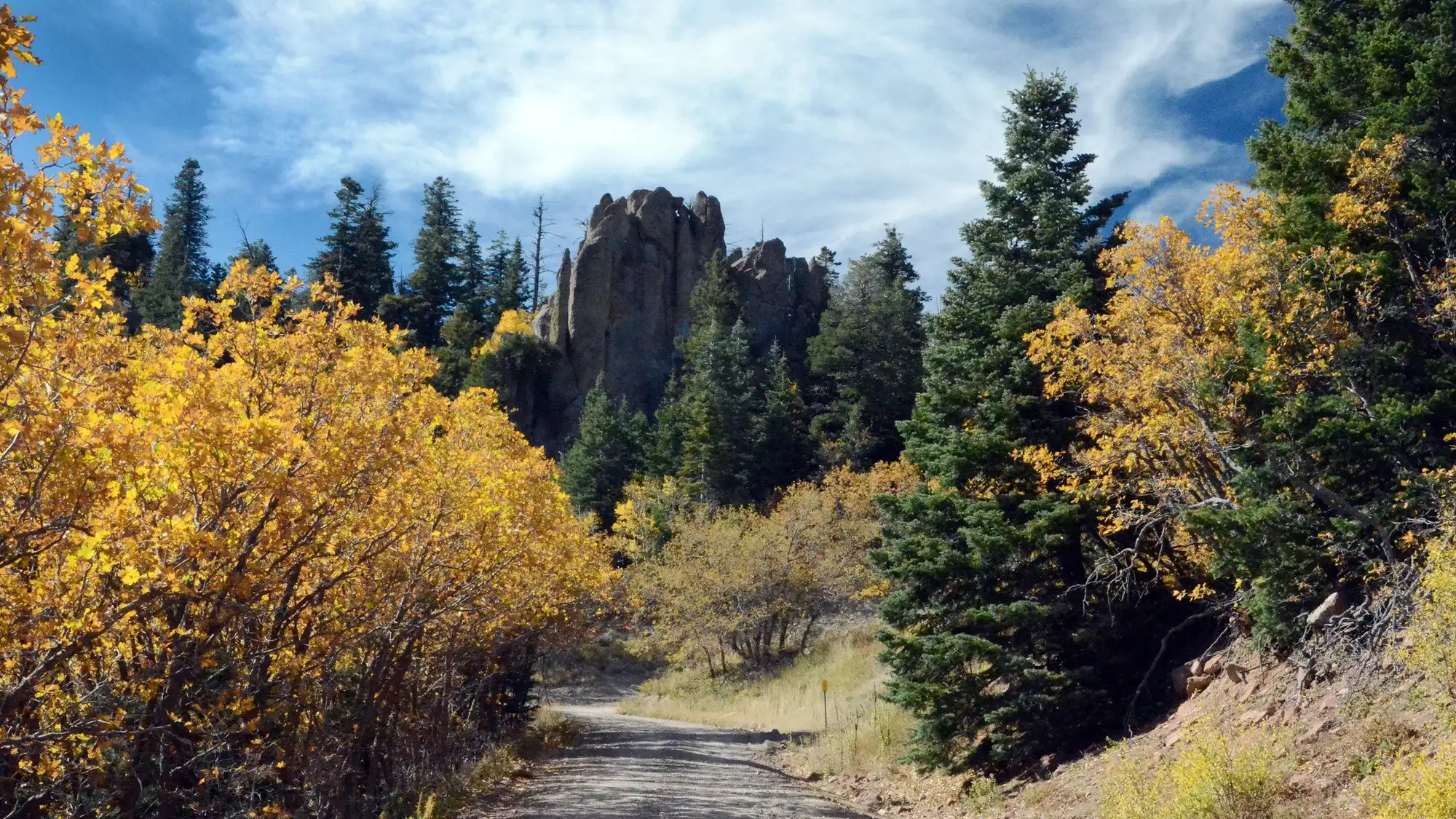
Most people treat Kaibab as the drive-through. It wraps around the Grand Canyon on three sides, 1.6 million acres of it, and the crowds hurry across it to reach the rim. What they pass is one of the great ponderosa pine forests of the Southwest, climbing from grassland and pinyon-juniper up through fir, spruce, and aspen to over 10,000 feet on the North Kaibab plateau.
Standing among those pines is not just pleasant. In field trips to Japanese forests, researcher Qing Li found that time spent breathing forest air raised people's natural-killer-cell activity, an immune boost he traced to phytoncides, the airborne compounds trees give off. Comparable city trips did nothing of the kind. Ponderosa country happens to be dense with that kind of resinous, sun-warmed air.
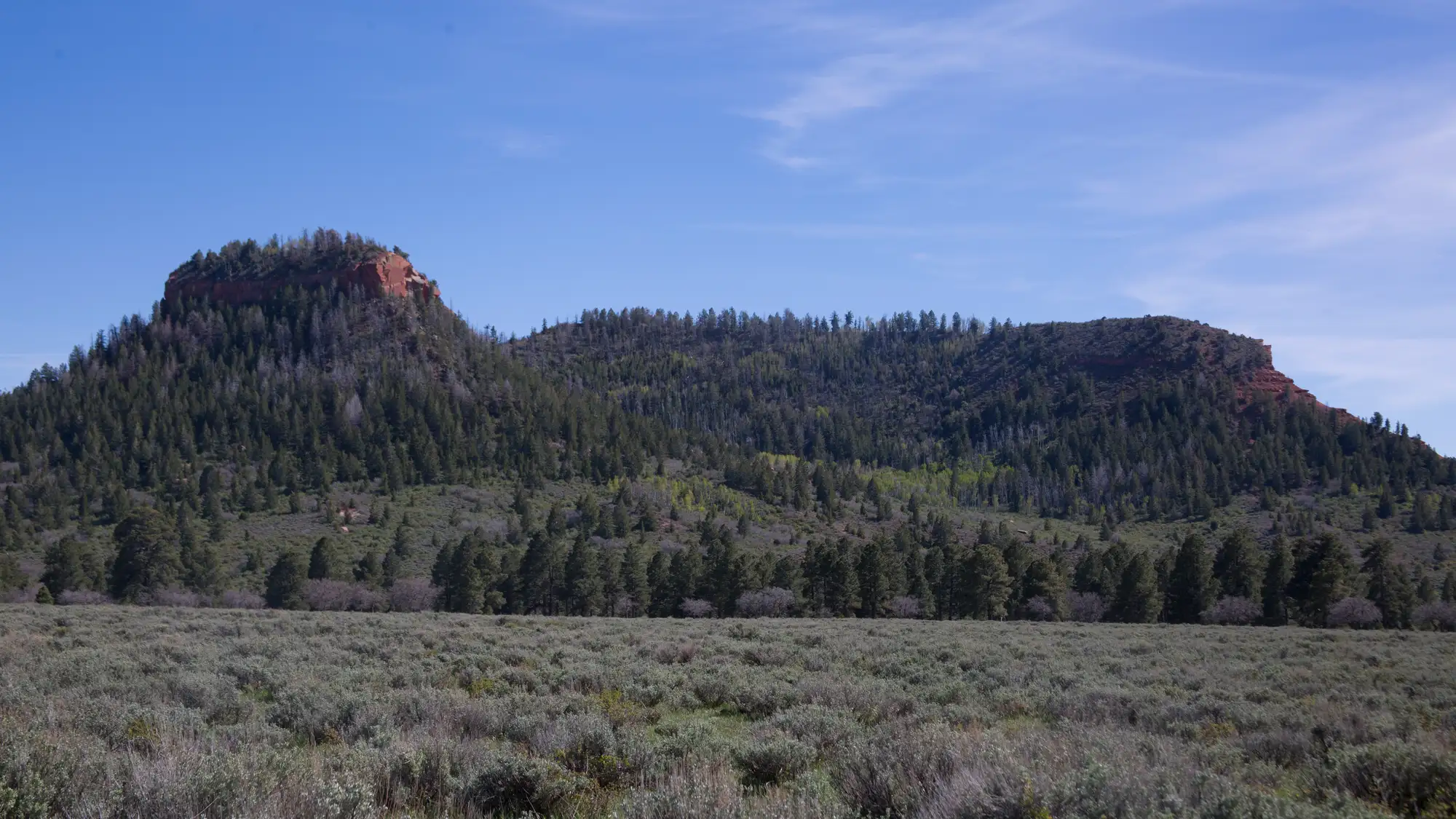
So the move here is to stop instead of pass through. The Forest Service points to quieter options away from the canyon flow, like Red Butte and Lookout Canyon, where you are deep in trees rather than jostling at a viewpoint. Give the forest itself an hour and it gives you something back.
The science: In field trips across Japanese forests, researcher Qing Li found that forest bathing significantly raised participants' natural-killer-cell activity, an immune effect he tied to phytoncides, the airborne compounds trees release. Comparable city trips produced no such change. Kaibab's ponderosa and mixed-conifer stands are exactly the kind of resinous forest air his work points to.
Li (2010) · Environmental Health and Preventive Medicine
Seasonal guide
Temperatures are NOAA climate normals from WILLIAMS at 6,909 ft. A national forest spans a wide elevation range, so the high country runs cooler and holds snow later than the valleys. The season notes below tell you how to work each one.
Spring warms fast at the Williams elevation of about 6,900 feet, from highs near 56F in March to the low 70s by May, with cold nights that can still drop to freezing early on. Higher-elevation campgrounds and roads generally reopen between late April and June as snow melts, so lower and mid elevations open up first. It is also the leading edge of wildfire season, which naturally runs May through July.
Summer highs sit in the low 80s at Williams and run cooler in the high country, making the plateau a comfortable escape from the desert heat below. July and August bring monsoon thunderstorms, so plan hikes early and get off exposed ground before afternoon lightning builds. This is the busiest stretch, and early wildfire season in June can affect access, so check current forest conditions before you go.
Fall cools steadily from highs near 76F in September to the mid-50s by November, with nights dropping back toward freezing later in the season. Aspen turn at higher elevations and the monsoon has usually faded, making for clear, crisp hiking. Fall hunting season brings an increase in traffic, so wear bright colors and be aware of active areas.
Winter is cold and snowy, with Williams highs in the mid-40s and lows around 21F, and higher elevations far colder. Snow and ice are common from December through March and can make higher-elevation roads and areas impassable, with North Kaibab sites closed. To make it work, stick to lower-elevation, accessible areas near Williams and treat it as the quietest, most solitary time of year.
This month in the forest
Timing changes everything out here. Pick a month to see when the light turns golden, which nights stay darkest for stargazing, and what visitors have actually recorded in bloom and on the move. The new-moon night is the one to plan a sky-watching evening around.
January 2027
In bloom · 2 species on record
- ❀ Elephant's-Head lousewort 1 sightings
- ❀ Woolly Plantain 1 sightings
Wildlife on the move · 60 species on record
- Red-tailed Hawk 13 sightings
- Bald Eagle 12 sightings
- Common Raven 7 sightings
- Abert's Squirrel 7 sightings
- Dark-eyed Junco 6 sightings
February 2027
Wildlife on the move · 67 species on record
- Dark-eyed Junco 13 sightings
- Anna's Hummingbird 5 sightings
- Common Raven 5 sightings
- Steller's Jay 5 sightings
- Western Bluebird 5 sightings
March 2027
In bloom · 4 species on record
- ❀ Redstem Stork's-bill 1 sightings
- ❀ Woolly bluestar 1 sightings
- ❀ Macdougal's Bluebell 1 sightings
- ❀ Kaibab Pincushion Cactus 1 sightings
Wildlife on the move · 120 species on record
- Common Raven 15 sightings
- Dark-eyed Junco 14 sightings
- Pinyon Jay 10 sightings
- Osprey 10 sightings
- Wapiti 10 sightings
April 2027
In bloom · 20 species on record
- ❀ Macdougal's Bluebell 6 sightings
- ❀ Kingcup Cactus 3 sightings
- ❀ Redstem Stork's-bill 2 sightings
- ❀ Notch-leaf Scorpionweed 2 sightings
- ❀ Small-flowered androstephium 2 sightings
Wildlife on the move · 222 species on record
- Mallard 24 sightings
- Western Bluebird 24 sightings
- Abert's Squirrel 24 sightings
- Common Raven 22 sightings
- Wapiti 22 sightings
May 2027
In bloom · 55 species on record
- ❀ Baker Kingcup Cactus 27 sightings
- ❀ Western blue flag 6 sightings
- ❀ Spinystar 5 sightings
- ❀ Field bindweed 4 sightings
- ❀ Cushion buckwheat 3 sightings
Wildlife on the move · 304 species on record
- Greater Short-horned Lizard 46 sightings
- Wapiti 34 sightings
- Plateau Fence Lizard 26 sightings
- Abert's Squirrel 22 sightings
- Western Bluebird 20 sightings
June 2027
In bloom · 82 species on record
- ❀ New Mexico locust 9 sightings
- ❀ Sego Lily 7 sightings
- ❀ Arizona mariposa lily 6 sightings
- ❀ Toadflax Beardtongue 5 sightings
- ❀ Fendler's ceanothus 5 sightings
Wildlife on the move · 344 species on record
- Greater Short-horned Lizard 47 sightings
- Wapiti 43 sightings
- Common Raven 38 sightings
- Western Bluebird 27 sightings
- Plateau Fence Lizard 26 sightings
July 2026
In bloom · 77 species on record
- ❀ MacDougal verbena 13 sightings
- ❀ New Mexico locust 9 sightings
- ❀ Showy milkweed 6 sightings
- ❀ Plains coreopsis 6 sightings
- ❀ Redroot Buckwheat 6 sightings
Wildlife on the move · 401 species on record
- Wapiti 49 sightings
- Greater Short-horned Lizard 33 sightings
- Common Raven 25 sightings
- Plateau Fence Lizard 24 sightings
- Abert's Squirrel 23 sightings
August 2026
In bloom · 50 species on record
- ❀ MacDougal verbena 13 sightings
- ❀ Redroot Buckwheat 7 sightings
- ❀ Plains coreopsis 5 sightings
- ❀ Woodland pinedrops 4 sightings
- ❀ Kaibab Paintbrush 4 sightings
Wildlife on the move · 294 species on record
- Greater Short-horned Lizard 33 sightings
- Wapiti 31 sightings
- Broad-tailed Hummingbird 24 sightings
- Western Bluebird 20 sightings
- Plateau Fence Lizard 16 sightings
September 2026
In bloom · 50 species on record
- ❀ Redroot Buckwheat 10 sightings
- ❀ Field bindweed 4 sightings
- ❀ Ragleaf bahia 4 sightings
- ❀ Common yarrow 3 sightings
- ❀ Common Sunflower 3 sightings
Wildlife on the move · 252 species on record
- Greater Short-horned Lizard 27 sightings
- Abert's Squirrel 22 sightings
- Western Bluebird 15 sightings
- White-lined Sphinx 13 sightings
- Mule Deer 12 sightings
October 2026
In bloom · 13 species on record
- ❀ Plains coreopsis 3 sightings
- ❀ Scarlet Gilia 2 sightings
- ❀ Common yarrow 2 sightings
- ❀ Yellow Salsify 1 sightings
- ❀ Great mullein 1 sightings
Wildlife on the move · 137 species on record
- Abert's Squirrel 15 sightings
- Mule Deer 14 sightings
- Grand Canyon Black Tarantula 14 sightings
- Steller's Jay 11 sightings
- Common Raven 9 sightings
November 2026
Wildlife on the move · 83 species on record
- Dark-eyed Junco 12 sightings
- Abert's Squirrel 12 sightings
- Common Raven 10 sightings
- Common Pill Woodlouse 10 sightings
- Rock Squirrel 9 sightings
December 2026
Wildlife on the move · 47 species on record
- Common Raven 14 sightings
- Bald Eagle 9 sightings
- Abert's Squirrel 8 sightings
- Steller's Jay 5 sightings
- Dark-eyed Junco 5 sightings
Sun and moon times are computed for the forest's coordinates from standard NOAA solar equations and cross-checked against the U.S. Naval Observatory. Species lists are research-grade community observations for Kaibab National Forest via iNaturalist, retrieved July 2026; sighting counts are all-time records for that calendar month.
Don’t wait for Kaibab National Forest.
One big trip a year isn’t what changes how you feel — the small stuff in between is. The 7-Day Nature Reset is one tiny outdoor practice a day, wherever you already are. Day one takes 60 seconds.
No spam. No noise. Just nature.
Day 1 is landing in your inbox right now — go say hi.
Sleep nearby
Places to stay around Williams, Arizona. Pan the map to trade a shorter drive for a quieter night.
Camping inside the park books through Recreation.gov and is listed separately.
The map is provided by Stay22. If you book through it we may earn a commission at no cost to you, which helps keep Happier Outdoors running. It never changes what we recommend.
Common questions
When is the best time to visit Kaibab National Forest?
Late spring through fall is the widest-open window, with higher-elevation campgrounds and roads typically reopening between late April and June as snow clears. Winter brings snow and ice from about December through March that can make higher-elevation roads impassable, so lower-elevation areas near Williams are the reliable cold-season choice.
Is Kaibab National Forest dog-friendly?
Yes, dogs are allowed in Kaibab National Forest. In developed recreation sites like campgrounds and day-use or picnic areas they must be leashed or otherwise restrained, and the Forest Service advises checking local regulations since pet rules can vary by area.
What are the quieter trails in Kaibab National Forest?
Red Butte Trail and Lookout Canyon Trail #120 are described as ways to get away from the busy Grand Canyon crowds, along with Sycamore Rim Trail #45 and Navajo Trail. For deeper solitude, remote wilderness routes like Snake Gulch-Kanab Creek Trail #59, Ranger Trail #41, South Canyon, and North Canyon sit well off the standard rim day-hike circuit.
Do you need a pass or permit for Kaibab National Forest?
No pass is usually required just to enter the forest for normal recreation, but specific fee areas and activities do require payment. Cataract, Dogtown, Kaibab, and White Horse lakes charge an $8 per-vehicle day-use fee starting May 1, with an annual pass at $100 per vehicle or $50 for Williams-area residents; America the Beautiful passes do not apply to these day-use fees, and fishing requires a separate state license.
Can you camp in Kaibab National Forest?
Yes, the forest has several developed campgrounds plus primitive dispersed camping. Standard sites run roughly $8 to $32 per night across places like Jacob Lake, DeMotte, Dogtown Lake, Kaibab Lake, Tusayan-Montane, and White Horse Lake, and Indian Hollow is a free-use primitive campground with three sites not suited to large RVs or groups.
Is Kaibab National Forest accessible for wheelchairs?
Yes, there is accessible recreation at the lake campgrounds. Kaibab Lake Campground has 22 wheelchair-accessible campsites and an accessible fishing pier, and White Horse Lake Campground also has 22 fully wheelchair-accessible campsites with picnic tables; the sources do not identify accessible trails or overlooks.
Similar forests worth the trip
Matched by the kind of quiet and the reset they offer.