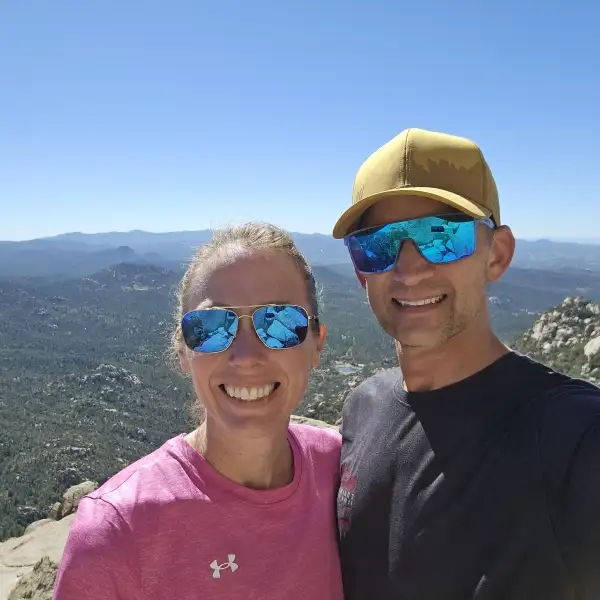
You’re planning your Sedona trip, but here’s the thing—choosing between summer and winter isn’t just about temperature preferences. It’ll completely reshape your experience, from what you can actually do outdoors to how much you’ll spend and whether you’ll be sharing those iconic red rock views with dozens of other hikers or practically no one. Let’s break down what each season really means for your adventure.
Summer vs. Winter in Sedona: Heat, Crowds, and Costs Compared
When you’re planning a Sedona getaway, the difference between summer and winter isn’t just about packing a swimsuit versus a jacket—it’s about choosing between two completely different experiences. Summer delivers scorching 97°F highs and afternoon thunderstorms, but you’ll find lighter crowds and discounted hotels compared to peak spring. Winter brings comfortable 56°F days with freezing nights, steadier visitor traffic around holidays, and moderate pricing that sits between summer deals and spring surcharges. Summer’s biggest draw? Fewer tourists overall, especially on trails—though creek swimming spots fill with heat-seeking Phoenix residents. Winter offers more predictable weather without monsoon flash floods, but expect ice on shaded trails after cold fronts. December is the coolest month
on average, with temperatures consistently dipping into the 30s°F at night. Your choice ultimately depends on whether you’d rather brave intense heat for solitude or enjoy mild temperatures with company.
Match Your Season to Your Priorities: Budget, Activities, or Weather
Your perfect Sedona season depends on what matters most to you—saving money, maximizing outdoor adventures, or chasing ideal weather conditions. Winter delivers the strongest budget wins through hotel discounts and off-peak pricing, while summer’s extended daylight gives you more hours to pack in hikes and tours. Winter also brings unique opportunities to witness snow-covered red rocks
and explore iconic formations like Antelope Canyon under a rare desert blanket of white. Let’s break down how each priority shifts the seasonal winner so you can book with confidence.
Budget-Friendly Winter Savings
If you’re watching your wallet, winter delivers Sedona’s biggest bargains of the year. Early January through mid-February offers the sweetest savings window, when post-holiday demand drops and hotels slash rates dramatically. You’ll find average daily costs around $215—far less than spring’s peak pricing—and lodging discounts that can cut your bill in half compared to popular shoulder seasons.
Winter’s slow-season status gives you real negotiating power. Three-star hotels average $125 per night, while properties charging $400+ in spring often drop to $161 through February. Rental demand typically declines
in winter, creating opportunities for better apartment deals if you’re considering a longer stay. Book about one month ahead to lock in these deals without committing too early.
Just watch for rate bumps during the Sedona International Film Festival in February and holiday weekends. Otherwise, winter positioning makes Sedona exceptionally budget-friendly compared to pricey resort towns like Aspen.
Activity-Driven Seasonal Trade-Offs
Summer releases water-based cooling—think swimming at Slide Rock State Park and kayaking the Verde River—activities that simply aren’t practical when winter temperatures drop. You’ll tackle trails early morning or late evening to dodge 80–95°F+ heat, but you’ll gain extended daylight and smaller crowds than spring or fall.
Winter flips the script: mild 40s–50s°F afternoons let you hike and bike comfortably without heat stress, occasional snowfall creates stunning red rock contrasts, and you’ll enjoy the year’s quietest trails and restaurants. Hotels slash lodging rates during winter
, making it Sedona’s most budget-friendly season for accommodations.
Heat-sensitive? Choose winter. Water lover or stargazer? Summer delivers. Your ideal season depends entirely on which trade-offs match your priorities.
What Sedona’s Summer Weather Really Feels Like
You’ll wake up to comfortable mornings in the 50s–60s°F, but by afternoon, Sedona cranks up to sweltering 90s with intense sun beating down on those famous red rocks. Then, like clockwork from late June through August, dramatic thunderstorms roll in during late afternoon, bringing spectacular lightning shows and brief but heavy downpours. Once the monsoon passes and evening arrives, temperatures drop back into the pleasant 60s°F—giving you cool, clear nights perfect for stargazing. You can expect roughly 14 hours of daylight
each summer day, with the sun rising around 5:24 AM and setting near 7:39 PM.
Intense Heat and Sun
When temperatures climb into the mid-90s throughout June, July, and August, Sedona’s summer heat becomes impossible to ignore. July brings the most intense conditions, with averages hitting 97°F and occasional 100-degree days testing your heat tolerance. The extreme was recorded in 2003 when temperatures soared to 110°F.
However, Sedona’s 4,500-foot elevation provides a significant advantage—you’ll experience temperatures about 10 degrees cooler than Phoenix’s scorching 105°F averages. The sun intensifies everything, though. With over 278 days of annual sunshine and high-altitude UV exposure, you’ll feel the heat more intensely on exposed skin and surfaces. Maximum temperatures
rarely exceed 100°F during the summer months.
Relief comes after sunset when temperatures plunge into the comfortable mid-60s, creating 30-degree swings that make evenings genuinely pleasant despite brutal afternoon conditions.
Afternoon Monsoon Storm Patterns
From mid-June through September, Sedona’s monsoon season transforms your summer experience with spectacular afternoon thunderstorms that roll in with remarkable predictability. You’ll watch towering clouds build throughout the day as intense desert heat draws moist air from the Gulf of California and Gulf of Mexico. By late afternoon, these elements combine to create dramatic storms.
These aren’t gentle summer showers. You’re looking at lightning, powerful winds, and heavy rainfall that can knock down power poles. Dust storms often arrive first, followed by intense rain that turns bone-dry washes into raging torrents within minutes. Flash flooding hits trails and roads fast.
Check weather conditions before heading out, and always have a safe place to retreat when afternoon clouds start building.
Early Morning Temperature Relief
Summer’s afternoon storms might steal the spotlight, but Sedona’s early mornings tell a different story altogether. You’ll wake to temperatures in the low-to-mid 60s°F—a stunning contrast to the 90s°F that’ll arrive by afternoon. That elevation advantage keeps Sedona roughly 15–20°F cooler than Phoenix overnight, giving you genuine relief from desert heat.
Here’s why early starts matter:
- Temperatures climb fast: By 9–10 a.m., you’re already hitting the mid-80s°F
- Dry air feels amazing: Low humidity makes 65°F feel crisp and comfortable, not clammy
- Safety window closes quickly: Most guides recommend finishing strenuous hikes before mid-morning
Plan your adventures for sunrise through 9 a.m., and you’ll experience Sedona’s summer at its most comfortable.
Swimming Holes, Sunrise Hikes, and Heat-Safe Summer Activities
As summer temperatures climb past 100°F on exposed trails, Sedona’s swimming holes transform into the season’s most coveted destinations. Slide Rock State Park tops nearly every list—its 80-foot natural sandstone waterslide has earned spots in Travel Channel’s top 10 swimming holes nationwide, and for good reason. You’ll pay $20–30 per vehicle and arrive early; it reaches capacity fast. Grasshopper Point offers cliff-jumping and deep pools via rocky scramble, while Red Rock Crossing provides family-friendly wading beneath Cathedral Rock for around $12. Remote hike-in spots like Wet Beaver Creek’s “The Crack” reward you with 10–20-foot cliff jumps. Pair creek time with sunrise hikes—Cathedral Rock and Bell Rock between 5:00–5:30 a.m. deliver cooler temps and lighter crowds before the heat arrives.
Heat Safety and Hydration Strategies for Summer Visits
When daytime temperatures routinely push past 90°F and the dry June air hovers around 24% humidity, your body loses water faster than you’ll realize—sweat evaporates before you even notice you’re sweating. At Sedona’s 4,300-foot elevation, dehydration sneaks up even faster, especially if you’re coming from sea level.
Your heat-safe summer game plan:
- Drink on a schedule, not when thirsty—waiting until you feel parched means you’re already behind
- Pack electrolyte tablets or sports drinks for any hike longer than an hour to replace what you’re sweating out
- Time outings for early morning or evening when temps drop 25°F cooler than midday peaks
Urban areas with asphalt can run 9°F hotter than trailheads, so plan accordingly and seek shade aggressively.
Sedona’s Monsoon Season: When Storms Hit in July and August
The afternoon sky darkens without warning, and within minutes a wall of rain marches across the red rocks—welcome to Sedona’s monsoon season. From mid-July through mid-August, you’ll experience nature’s most dramatic show. Mornings start sunny, then clouds build by midday before intense storms roll in during late afternoon.
These downpours are short but powerful, dropping temperatures from sweltering 90s to comfortable 70s within an hour. You’ll get about half of Arizona’s annual rainfall during these months—roughly 1.6 to 1.8 inches each in July and August.
Watch for flash flooding on trails and roads during heavy bursts. But once storms pass, you’re rewarded with spectacular rainbows, vivid sunsets, and crystal-clear stargazing skies.
Lightning Risk and Storm Safety During Monsoon Months
Monsoon storms don’t just bring rain—they pack serious lightning danger that can strike up to 10 miles away from the storm’s visible core. You’ll want to know exactly when storms typically roll in (usually afternoon through evening) so you can time your red rock hikes for safer morning hours. Understanding Arizona’s lightning patterns and having a solid escape plan can literally save your life during Sedona’s electrifying summer season.
Monsoon Lightning Threat Patterns
Arizona’s summer skies crackle with an extraordinary light show—nearly 500,000 lightning strikes illuminate the state during monsoon season. You’ll witness fascinating variations in this natural spectacle, with 2024 recording approximately 350,000 strikes—the seventh lowest since 1990.
Understanding lightning behavior keeps you safer during storms:
- Most strikes occur over three miles from storm centers, with some recorded 15 miles away
- Cloud-to-cloud lightning dominates, though you’ll also see dramatic intra-cloud “sheet lightning”
- Danger persists even when storms appear distant from your location
Sedona’s lightning activity typically intensifies mid-July as thunderstorms expand northwestward from southeastern Arizona. The region received over 900 severe thunderstorm warnings in 2024, with Phoenix metro experiencing significant microburst wind damage despite fewer overall thunderstorm days than average.
Safe Activity Timing Strategies
Knowing when lightning strikes most often matters less than knowing when you’re outdoors. Schedule strenuous hikes and exposed-ridge routes for early morning—roughly sunrise to 10 a.m.—before afternoon monsoon storms build in July and August. Commercial operators shift departures earlier for good reason: morning temps in the upper 60s–70s°F beat midday 90s, and you’ll dodge peak convection. Reserve afternoons for indoor activities like galleries or spas when lightning risk peaks. Evening outings work after storms pass—stick to short, low-risk spots like viewpoints once radar confirms clear skies. For canyon and creek routes prone to flash floods, skip peak monsoon weeks entirely and visit during spring or fall. Winter offers all-day freedom with minimal thunderstorm threat.
What Sedona Winters Actually Feel Like
When you step outside on a December morning in Sedona, you’ll find yourself reaching for a jacket as the thermometer hovers around freezing—but by lunch, you might be peeling off layers as the sun pushes daytime highs into the comfortable mid-50s to low-60s.
This wild temperature swing defines Sedona’s winter personality:
- Mornings start crisp with frost and temps near 30°F, demanding gloves and hats
- Afternoons feel surprisingly mild under brilliant sunshine, often reaching the upper 50s
- Snow dusts the red rocks a few times each season but melts by midday
You won’t face harsh, gloomy winters here. Instead, expect mostly sunny days with that signature high-desert clarity. The town stays active and accessible, though you’ll definitely notice it’s 20°F colder than Phoenix—especially after sunset when temperatures plummet again.
Why Winter Is Ideal for Sedona Hiking
While summer hikers across Arizona retreat indoors to escape triple-digit heat, you’ll find Sedona’s winter trails offering some of the year’s absolute best conditions. Those crisp 60-degree afternoons let you tackle longer routes and sustained climbs without heat stress holding you back. Popular spots like Devil’s Bridge and Cathedral Rock become blissfully uncrowded—no more queuing for photos or constantly stepping aside on narrow sections.
Winter’s low-angle sunlight bathes the red rocks in rich golden tones, while clear air sharpens distant vistas dramatically. Snow-dusted formations create striking contrasts you won’t see other seasons. You’ll also discover better lodging rates, easier restaurant access, and hassle-free trailhead parking. The combination of comfortable temperatures, fewer crowds, and enhanced scenery makes winter Sedona’s sweet spot for serious hikers.
Sedona Winter Trail Conditions: Snow, Ice, and What to Pack
How challenging are Sedona’s winter trails, really? You’ll find light snowfalls between December and February, but major storms are rare. Snow typically melts within hours on exposed rock, though shaded canyons hold it longer. Here’s what makes winter hiking trickier:
- Slick surfaces: Morning frost turns sandstone into skating rinks, especially on steep slabs like Cathedral Rock
- Hidden ice: North-facing slopes stay icy all day while sunny areas look bone-dry
- Cold crossings: Creekside trails like West Fork feature frozen seeps and icy water
Pack waterproof boots with aggressive tread, microspikes for icy sections, and layers you can adjust throughout the day. Temps swing from mid-20s at dawn to low-60s by afternoon. Check recent trail reports before heading out—conditions change fast.
How Crowds and Lodging Costs Change in Sedona by Season
Sedona’s 3 million annual visitors don’t spread evenly across the calendar—they cluster heavily in spring and fall, creating a tourism tug-of-war that directly impacts your wallet and trail experience. March through May and September through mid-December bring peak crowds and the year’s highest lodging rates. Summer flips that script—June through August sees tourism slow markedly, with hotel parking lots half-empty and room rates dropping to uncharacteristically low levels. Winter takes the prize for deepest discounts, especially early January through mid-February, when you’ll find the year’s lowest accommodation prices and the thinnest trail crowds. Holiday weekends create temporary surges regardless of season, but overall, summer and winter offer budget-friendly windows with genuine breathing room.
Daylight Hours in Sedona: How Seasons Shape Your Itinerary
The sun sets the tempo for your Sedona adventure, and the difference between summer and winter itineraries isn’t subtle—it’s a 4.5-hour swing that reshapes everything from breakfast timing to your evening plans. Late June gives you nearly 15 hours of usable light (5:00 am to 8:05 pm), perfect for multi-stop days. Late December? You’re working with 10.5 hours (7:05 am to 5:50 pm).
Here’s what changes:
- Summer: Start trail hikes at dawn, take a mid-day AC break, then hit viewpoints and catch sunset around 7:45 pm
- Winter: Pick either sunrise or sunset—rarely both—and plan one solid mid-day activity
- Golden hour photography: Summer’s magic light happens during dinner; winter’s wraps by 5:20 pm
Your restaurant reservations will literally depend on sunset timing.
Packing Essentials: What to Bring for Summer vs. Winter
Your backpack tells the story of which Sedona you’re visiting—and packing wrong means spending your first day buying what you forgot. Summer demands high-SPF sunscreen, breathable shirts, trail runners, and a high-capacity water bottle for 90°F+ heat. Toss in electrolyte packets, a wide-brimmed hat, and sandals for creek crossings. Winter flips the script: pack waterproof boots, insulated jacket, warm hat, gloves, and extra wool socks for 30°F mornings. You’ll still need sunscreen and sunglasses year-round—UV doesn’t take vacations. Both seasons require a light jacket for temperature swings and a daypack sized to your layers. Summer keeps it compact; winter needs room for emergency insulation. Don’t forget moisturizer and lip balm in winter’s bone-dry air.
When to Visit Sedona: Quick Decision Guide by Traveler Type
Your travel style makes all the difference when choosing between Sedona’s summer heat and winter chill. If you’re chasing trail adventures, watching your wallet, or wrangling little ones, each season offers distinct advantages that’ll shape your entire experience. Let’s match your traveler type with the perfect season so you can make the smartest choice for your red rock getaway.
Adventure Seekers and Hikers
When adrenaline and altitude gain drive your travel decisions, choosing between summer and winter in Sedona means weighing heat endurance against icy scrambles.
Summer rewards you with:
- Solitude on big objectives like Bear Mountain—fewer crowds mean uninterrupted flow on technical sections
- Extended daylight for alpine starts and sunset ridge runs when temperatures drop
- Water-rich microclimate trails along Oak Creek that stay surprisingly cool
Winter delivers:
- Empty trailheads at Cathedral Rock and Devil’s Bridge during Sedona’s quietest season
- Crisp conditions for long-exposure summit efforts without heat stress
- Technical challenge upgrades when ice transforms polished sandstone into committing terrain
You’ll need desert heat experience for summer’s exposed routes. Winter demands traction devices and layering systems for icy morning scrambles. Both seasons offer world-class adventure—your comfort zone determines which thrills you’ll chase.
Budget-Conscious and Flexible Travelers
Not every Sedona visitor plans trips around physical challenges—some prioritize stretching dollars and staying nimble with travel dates. If that’s you, winter is your sweet spot. December through February brings noticeably lower hotel rates and frequent discounts, especially midweek. You’ll escape summer’s 90–97°F heat while enjoying mild 55–62°F days perfect for free red rock viewing and short hikes. Shoulder windows in early December and late January offer the year’s best lodging values with minimal crowds.
Summer costs more as Phoenix residents flee the heat, driving up weekend prices. But if you’re flexible, midweek monsoon-season dates (late July–early September) soften rates slightly. Either season, Sedona’s no-fee scenic drives and overlooks deliver maximum visual impact without draining your wallet.
Families With Young Children
Winter edges out summer for families with young children, largely because 55–65°F days let toddlers and preschoolers explore comfortably without overheating risk. You’ll enjoy lighter crowds at viewpoints, shorter lines with strollers, and predictable weather that won’t strand you mid-hike during a monsoon flash flood.
Summer does offer water play at Slide Rock and Oak Creek swimming holes, but the intense 90–100°F+ heat pushes outdoor activities to dawn or dusk—tricky windows when you’re managing nap schedules. Plus, those swimming spots fill fast and feature slippery rocks plus very cold water.
Winter wins because you can:
- Tackle easy trails like Bell Rock Loop without heat stress
- Skip the crowds and find parking easily
- Layer clothing instead of fighting dehydration and sunburn
Conclusion
You can’t go wrong choosing between Sedona’s seasons—you’ll just have different adventures. Pick summer if you’re craving long days, swimming holes, and don’t mind the heat and crowds. Choose winter when you want peaceful trails, cozy temps, and snow-kissed red rocks without breaking the bank. Either way, you’re in for stunning views and unforgettable memories. Just pack smart, stay hydrated or layered up, and get ready to fall in love with Sedona’s magic.