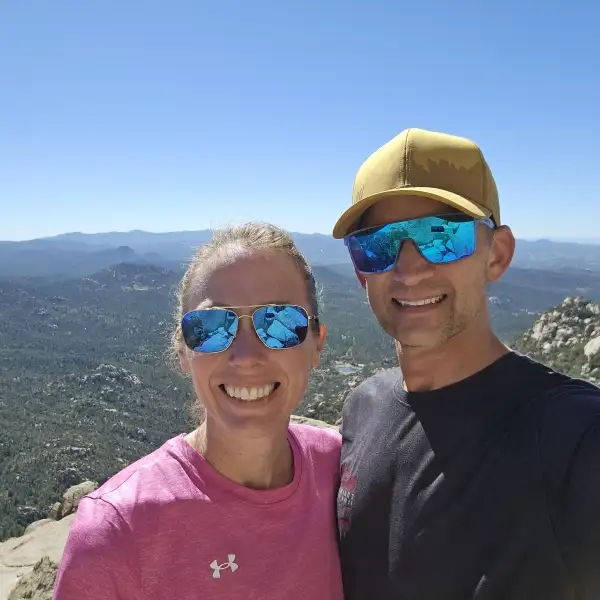
You’ll find some of the most spectacular hiking in the American Southwest right here in Sedona. The red rock formations aren’t just Instagram-worthy—they’re your playground for unforgettable adventures. Whether you’re after a family-friendly stroll to a natural arch or a challenging scramble up a vortex site, these trails deliver views that’ll stop you in your tracks. Let’s explore which paths match your style and skill level, so you can make the most of your desert escape.
Devil’s Bridge Trail: Sedona’s Most Iconic Natural Arch
When you’re searching for Sedona’s signature hike, Devil’s Bridge Trail delivers exactly what put this desert town on every adventurer’s bucket list. You’ll find the largest natural sandstone arch in the area—a stunning 45-foot-high span carved from red Schnebly Hill Formation rock. The 4-mile round-trip hike gains about 400 feet through juniper-pine woodland before narrowing to singletrack with rock steps.
Here’s what makes it iconic: you can walk across the top of the arch on a narrow ledge, creating jaw-dropping photo opportunities against Sedona’s famous red rock backdrop. Expect crowds—this trail sees 500+ hikers daily and accounts for 23% of all Sedona trail use. Peak times mean waiting up to two hours for your arch photo. The trail counter at Devil’s Bridge is currently non-operable
, so recent usage estimates have required adjustments based on historical patterns.
Easy to Moderate Sedona Hikes for Families and Beginners
If you’re new to Sedona or hiking with kids, you’ll love the Bell Rock Pathway—it offers multiple route options from short strolls to 3.6-mile loops, all with stunning red rock views and mostly flat terrain. West Fork Creek Trail takes you into a lush canyon alongside a babbling stream, where you’ll cross the water on stepping stones and enjoy towering rock walls overhead. Both trails let you turn around whenever you want, making them perfect for families who need flexibility with distance and energy levels. For the absolute easiest option, head to Oak Creek Trail at Crescent Moon Ranch, a flat 1.2-mile out-and-back trail
that’s wheelchair-friendly in sections and takes only 30 minutes to complete.
Bell Rock Pathway Options
The Bell Rock Pathway delivers one of Sedona’s most accessible adventures, perfect for families with kids, first-time desert hikers, and anyone who wants stunning red rock views without breaking a sweat. This 3.6-mile round trip trail stays mostly flat and well-maintained, offering steady views of Bell Rock’s distinctive bell-shaped formation throughout your walk.
You’ll love how the trail adapts to your ambition. Start on easy, flat sections near the base, then choose your own intensity at three different junction points. Want more challenge? Take the steeper Bell Rock Climb sections with rock scrambling. Prefer keeping it simple? Stick to the gentle pathway or extend your adventure on the beginner-friendly Llama Trail. You can even connect to the 4-mile Courthouse Butte Loop for a longer exploration.
Many visitors come to Bell Rock not just for the scenery, but to experience its reputation as one of Sedona’s strongest vortex sites
, believed to promote inspiration and personal growth through upflow energy. This blend of natural beauty and spiritual atmosphere makes the Bell Rock Pathway a uniquely refreshing Sedona experience.
West Fork Creek Trail
Looking for a completely different Sedona experience? West Fork Creek Trail takes you into a shaded canyon paradise just 9.5 miles north of town. This 6.6-mile round-trip hike follows Oak Creek through a narrow gorge with towering sandstone cliffs and dense tree canopy—perfect for hot summer days.
You’ll cross the shallow stream about 13 times using stepping stones, so bring water shoes. The maintained trail stays mostly flat with only 200 feet of elevation gain, making it ideal for families and beginners.
The scenery’s spectacular year-round: spring wildflowers, cool summer pools, brilliant fall foliage (Arizona’s best!), and winter icicles. The trail was designated a Research Natural Area
back in 1931, recognizing its diverse ecosystem. Expect crowds, though—this popular trail fills up fast on weekends. Arrive early, pay the $15 parking fee at Call of the Canyon, and enjoy 2–3 hours exploring this shaded oasis.
Cathedral Rock Trail: Steep Vortex Scramble With Big Views
Cathedral Rock Trail packs serious wow factor into just 1.2–1.5 miles, delivering one of Sedona’s most dramatic scrambles and Instagram-worthy panoramas. You’ll climb 740 feet through exposed red slickrock, tackling a steep chute that requires hands-and-feet scrambling—think Class 2 terrain with narrow ledges and polished sandstone. White paint dots and cairns guide you up increasingly vertical terrain until you reach the wide saddle between Cathedral Rock’s iconic spires.
The payoff? Sweeping views of Bell Rock, Courthouse Butte, and the valley floor from one of Sedona’s renowned energy vortex sites. The 30-minute hike
delivers you to the Cathedral Rock saddle, where spectacular views await in every direction. Start early to beat the heat—this trail’s unshaded and intense. Bring plenty of water, wear grippy shoes, and skip it if you’re uncomfortable with exposure or steep scrambling.
Hard Sedona Hikes: Technical Scrambles and Endurance Routes
Beyond the popular trails lie Sedona’s legitimate mountaineering challenges—technical scrambles that’ll test your nerve, fitness, and route-finding skills on steep slickrock faces and exposed ridgelines.
Capitol Butte/Thunder Mountain stands as Sedona’s ultimate Class 3 scramble. You’ll gain 1,800–2,000 feet over 3–4 miles of sustained hand-over-hand climbing on exposed slabs. Route-finding is brutal—cairns disappear, GPS tracks become essential, and wrong turns lead to dangerous terrain.
Bell Rock’s summit route earns its “EXTREME” rating through friction-dependent slickrock pitches and unprotected drop-offs near the top. The scramble follows faint cairns through chimneys and narrow ledges above the tourist crowds.
Bear Mountain Trail pushes endurance with 2,124 feet of elevation gain
over 4.59 miles, making it one of Sedona’s most demanding rated-hard routes that requires a Red Rock Pass or Federal Interagency Pass at the Doe/Bear Mountain trailhead.
These routes demand experienced scramblers only. Bring gloves, download GPS tracks, start early, and pack extra water—especially for technical descents requiring sustained concentration.
Boynton Canyon Trail: Deep Walls and the Subway Cave
But the real prize lies off-trail: Subway Cave, a massive slot-like alcove you’ll reach via unmarked spur and short scramble. Inside, smooth arched walls curve like a train tunnel, framing red-rock windows.
Plan for:
- 4–6 hours total with cave detour
- Red Rock Pass at Enchantment Resort trailhead
- Crowds—this cave’s Instagram-famous
West Fork Trail: Shaded Creek Walk Through Oak Creek Canyon
If Boynton’s sun-baked slot felt like Mars, West Fork Trail will feel like another planet entirely—one with actual water, shade, and air you can breathe without overheating. This lush corridor follows Oak Creek’s West Fork through a 1,000-foot sandstone canyon packed with Douglas firs, maples, and wild grapes. You’ll cross the creek 12–13 times over the first three miles, hopping stones through pools and riffles beneath towering red cliffs. The route stays mostly flat and shaded—rare relief from Sedona’s typical sun exposure. Most hikers turn around at a subway-like tunnel feature around 3.5 miles, making the round trip roughly 7 miles. It’s technically easy, but you’ll probably get your feet wet. Head up Highway 89A toward Flagstaff; the trailhead’s halfway to town.
Soldier Pass Trail: Sinkholes, Sacred Pools, and Caves
You’ll discover the Soldier Pass Trail packs incredible geological wonders into a compact 4.5-mile round-trip adventure that’s perfect for intermediate hikers. The journey starts with the massive Devil’s Kitchen Sinkhole just a quarter-mile from the trailhead, then continues upward through red rock terrain toward the popular Soldier Pass Cave. This moderate trail gains 510 to 641 feet in elevation and takes 2.5 to 4 hours to complete, depending on how much time you spend exploring each natural attraction.
Trail Route and Distance
The Soldier Pass Trail No. 66 stretches roughly 4 to 4.5 miles round-trip from the trailhead to the Brins Mesa junction, packing an impressive lineup of natural wonders into a moderate 700–800 feet of elevation gain. You’ll tackle this adventure in about 2–4 hours, depending on how much time you spend exploring side attractions.
Here’s what you’ll encounter along the way:
- Seven Sacred Pools at 0.5 miles – carved sandstone basins in a seasonal drainage
- Soldier Pass Cave spur at 1.3–1.4 miles – unmarked junction leading 0.25 miles to the arch and cave
- Red Rock–Secret Mountain Wilderness boundary just past the 1.2-mile jeep road crossing
The trail starts with a gentle wash crossing, then gradually climbs through juniper-studded terrain before reaching wilderness backcountry.
Devil’s Kitchen Sinkhole
Just 0.7 miles from the trailhead, Devil’s Kitchen Sinkhole drops away in a jagged, 150-by-90-foot opening that’ll stop you in your tracks. You’re looking at one of Sedona’s seven main sinkholes, and it’s the most active one. The floor sits 35–70 feet below the rim, but the collapse system plunges roughly 660 feet deep into dissolved Redwall Limestone caverns.
This isn’t ancient history. The initial collapse happened in the early 1880s. A second major failure struck in 1989, widening the northern section by 40%. Another shift occurred in 1995. You’ll notice angular broken rocks at the edges—fresh fractures showing this feature’s still adjusting. Stay back from the rim. The Forest Service posted warnings after geologic hazard studies confirmed ongoing instability.
Cave Access and Scrambles
After you leave Devil’s Kitchen and pass the Seven Sacred Pools around mile 0.9, keep pushing northwest along the main trail until you hit a clear fork at roughly 1.3 miles. Take the right fork—the busier, wider path that leads toward the cliff band. You’ll also spot a tree with a National Forest Wilderness sign; turn right here onto a narrower, steeper spur. The trail gets rugged fast, with loose rock and roots underfoot as you approach the caves.
At the cliff base, you’ll find three main openings:
- Two large, arch-like shallow caves to the left
- Soldier Pass Cave tucked slightly right among trees
- Clusters of waiting hikers marking the most popular entrance
The primary scramble into Soldier Pass Cave is a steep rock ramp with carved steps—a short class-2 climb that’s thrilling but manageable.
Bell Rock and Courthouse Butte: Classic Red Rock Loops
Standing tall above the southern approach to Sedona, Bell Rock and Courthouse Butte form one of Arizona’s most photographed red-rock duos—and the loop trail encircling them delivers exactly what you’d hope for in a Sedona hike. You’ll cover 4–4.6 miles of firm red-clay tread with 400–800 feet of elevation gain, passing panoramic vistas that stretch toward Cathedral Rock and beyond. The route connects Bell Rock Pathway and Courthouse Butte Loop, with clear Forest Service signs at key junctions to keep you on track. Park at either Courthouse Vista or Bell Rock Vista along SR 179—both require a Red Rock Pass. If you’re feeling adventurous, tackle the steeper Bell Rock scramble for an extra 400 feet of climbing and summit views that’ll make your camera work overtime.
Airport Loop Trail: 360-Degree Panoramic Sunset Hike
You’ll love the Airport Loop Trail, a 3.2-mile moderate hike that delivers unbeatable 360-degree views of Sedona’s iconic red rocks from every angle. This trail’s claim to fame is its spectacular sunset vistas—the wide-open mesa top transforms into a photographer’s paradise during golden hour when Cathedral Rock, Bell Rock, and Thunder Mountain glow against the evening sky. The upper parking lot near the trailhead costs $3 daily and fills up fast at sunset, but you can also start from the free lower lot and add a short connector trail to reach the loop.
Trail Features and Distance
Circling the top of Airport Mesa, the Airport Loop Trail delivers a compact 3.2 to 3.5-mile adventure packed with constantly shifting red rock panoramas. You’ll gain about 500 feet of elevation while maneuvering through rocky singletrack that wraps around the mesa’s edges. The terrain keeps things interesting—expect embedded basalt, uneven footing, and narrow stretches along dramatic drop-offs.
Plan for these distance variations depending on your starting point:
- Roadside trailhead: 3.2–3.5 miles for the complete loop
- Airport Scenic Overlook: Add 0.4–1.2 miles round-trip via Sedona View Trail
- Extended routes: Connect with Table Top, Bandit, or Brewer trails for longer adventures
The loop’s moderate rating comes from its rocky surface and sun exposure rather than steep climbs, making it accessible yet engaging.
Best Sunset Viewing Spots
Why settle for a single sunset viewpoint when Airport Loop delivers an ever-changing display from every angle? You’ll find the western side perfect for capturing the sun dropping behind distant ridges, while the eastern sections reveal glowing alpenglow on Cathedral Rock and Bell Rock afterward.
Hike clockwise in the afternoon for shaded walking that opens toward golden hour views. The early loop segments near Airport Scenic Overlook offer front-row sunset color, but don’t rush off—stay 20–30 minutes post-sunset for spectacular pastel light on the valley.
While the overlook and vortex summit draw heavy crowds, mid-loop stretches remain surprisingly quiet. You’ll discover natural rock outcrops functioning as private viewing balconies, giving you intimate sunset experiences away from the masses.
Access and Parking Tips
While Airport Loop offers multiple entry points, the main trailhead parking lot remains the most straightforward choice—if you can snag one of its 6-10 spots. Located about ¼ mile up Airport Road, this small free lot fills quickly during peak times. If it’s full, you’ve got solid alternatives:
- Upper airport lot – Large gravel area at the mesa top ($3 daily fee, rarely full except at sunset)
- Sunset Park – Abundant parking with bathrooms and water station, just streets away off Sunset Drive
- Shelby or Brewer Road – West Sedona access points for extended hiking routes
Don’t walk on Airport Road—it’s too narrow and dangerous. Your parking receipt works all day, but overnight parking’s prohibited everywhere.
When to Hike Sedona: Best Seasons and Sunrise Strategy
Timing your Sedona hike correctly transforms a good outing into an unforgettable adventure. Spring (March–May) and fall (September–November) offer the best conditions, with daytime highs between 65–82°F and minimal rainfall. April and October stand out as peak months, balancing comfortable temperatures with stunning scenery.
Start early regardless of season. Sunrise departures give you cooler temps, empty trails, and dramatic lighting on the red rocks. Summer demands pre-8 a.m. starts to beat 95°F+ heat and afternoon monsoon storms. Winter mornings dip below freezing but reward you with solitude and photogenic light.
Expect 30°F temperature swings between dawn and midday in spring and fall—pack layers. Monsoon season (July–September) brings intense afternoon thunderstorms, so plan morning hikes and watch afternoon skies carefully.
Red Rock Pass, Parking, and Trailhead Shuttle Systems
Purchase your pass instantly online at Recreation.gov, scan QR codes at trailheads, or grab one at the Sedona Visitor Center. If you’ve got an America the Beautiful Pass, you’re already covered!
Want to skip the pass entirely? Use Sedona’s free shuttle system, which operates Thursday through Sunday from three convenient Park & Ride lots:
- West SR-89A Lot – serves Dry Creek Vista and Mescal
- North SR-179 Lot – serves Cathedral Rock and Little Horse
- Posse Grounds Lot – serves Soldier Pass
Your shuttle fare includes the permit requirement automatically.
Conclusion
You’ve got everything you need to tackle Sedona’s best trails now. Whether you’re scrambling up Cathedral Rock at sunrise, crossing Devil’s Bridge for that epic photo, or catching sunset views from Airport Loop, you’re in for unforgettable adventures. Don’t forget your Red Rock Pass, bring plenty of water, and hit the trails early to beat the crowds. Sedona’s red rocks are calling—time to lace up those boots and explore!