
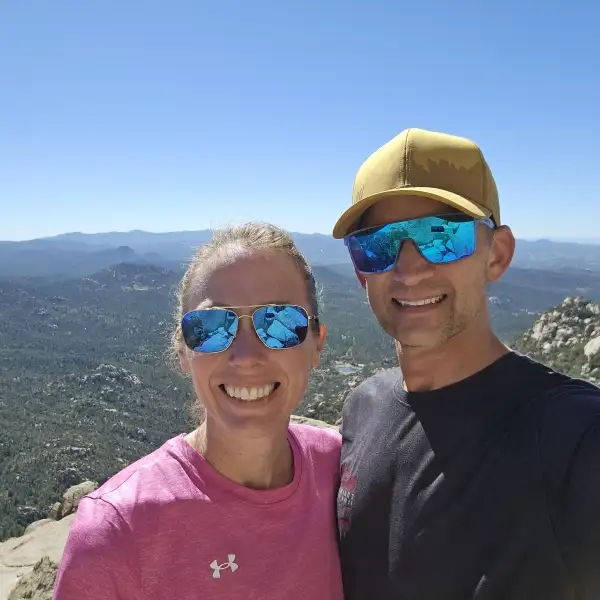
You’re looking at Colorado’s highest peak, and here’s the thing—Mount Elbert isn’t just about bragging rights. At 14,440 feet, it’s a serious challenge that’ll test your lungs and legs, but it’s also one of the most accessible fourteeners you’ll find. Whether you’re a seasoned hiker or someone who’s been thinking about stepping up your game, there’s a trail here with your name on it. Let’s break down what you’re actually getting into.
Mount Elbert Colorado: Difficulty, Elevation, and What You Need to Know
Standing tall at 14,440 feet according to the official 2002 USGS measurement, Mount Elbert claims its throne as Colorado’s highest peak and the second-highest summit in the lower 48 states. You’ll find this giant in west-central Colorado’s Sawatch Range, just 12 miles southwest of Leadville.
Don’t let its impressive height intimidate you—Elbert’s main routes are Class 1 trails that don’t require technical climbing skills. However, you’ll need solid fitness levels since you’re tackling over 4,100 feet of elevation gain. The North Mount Elbert Trail climbs 4,400 feet over 4.3 miles, while the South route gains 4,600 feet across 5.5 miles. Altitude sickness remains your biggest concern, so acclimatize properly before attempting this challenging yet achievable summit. Modern surveying technology using GPS data, LIDAR scanning , and high-tech altimetry has made elevation measurements increasingly accurate over time.
Mount Elbert Trail Options: North vs South vs Black Cloud Routes
When you’re planning your Mount Elbert ascent, you’ll choose between three main routes—each offering distinct advantages depending on your vehicle clearance, fitness level, and preferred scenery.
The North Mount Elbert Trail (#1484) spans 4.3 miles with 4,400 feet of elevation gain from Halfmoon Road near Elbert Creek Campground. It’s straightforward with minimal water availability.
The South Mount Elbert Trail (#1481) runs 5.8 miles from Shore Pretty Overlook, following the Colorado Trail for 0.3 mile before branching left. You’ll reach treeline at 11,800 feet after a steep climb through aspens. This route’s very steep and shows more wear. From the upper trailhead, the one-way distance is 4.2 miles to the summit.
The Black Cloud Route shares initial segments with the North Trail via Halfmoon Creek, offering less-traveled terrain with similar Class 1 conditions.
North Mount Elbert Trail: Distance, Elevation Gain, and Route Details
At 2.55 miles, you’ll get your first glimpses of the upper mountain before re-entering trees briefly. The trail breaks above treeline at 2.90 miles (11,900 feet), where the real adventure begins. You’ll traverse the exposed North Face, then tackle a steep push up the Northeast Ridge to reach the Upper Ridge at 13,900 feet (4.35 miles). The final stretch follows straightforward Class 1 terrain with minimal exposure—perfect for confident hikers seeking Colorado’s highest peak. The one-way distance from the North Mount Elbert Trailhead to the summit measures 4.8 miles.
South Mount Elbert Trail: The Longer, Gentler Alternative
If you’re looking for a less crowded route with a more gradual climb, the South Mount Elbert Trail is your best bet. This 5.8-mile one-way trail (11 miles round trip) gains about 4,700 feet in elevation, offering a steadier ascent compared to the steeper northeast ridge. You’ll start from the South Mount Elbert Trailhead at 10,520 feet, accessed via Lake County Road 24 near Twin Lakes—just 4 miles from the US 24 and Colorado 82 junction. This route offers more solitude compared to the busier Northeast Ridge trail, making it ideal for hikers seeking a quieter wilderness experience.
Trail Length and Gain
The South Mount Elbert Trail covers 7.4 miles round trip from the upper trailhead, though your GPS will likely clock closer to 9.3 miles by the time you’re back at your car. You’ll climb 3,915 feet from start to summit, making this the easier option compared to the North Mount Elbert Trail’s 10.4 miles and 4,468 feet of gain. Starting from the lower trailhead adds another 2.5 miles along the Colorado Trail, so plan accordingly. The beauty of this route is its steady, consistent ascent without any elevation loss to regain later. You’re looking at a Class 1 climb that’s straightforward and manageable, perfect if you want a less intense fourteener experience.
Gradual Ascent Benefits
When you choose the South Mount Elbert Trail, you’re picking a route that lets your body adjust naturally to Colorado’s thin air. The gradual climb works with your physiology rather than against it, giving you time to adapt as oxygen levels drop.
This gentler approach delivers real advantages:
- Switchbacks pace your effort – Zigzagging trails above treeline spread elevation gain over longer distances, preventing the lung-burning steep climbs you’d face on northeast alternatives
- More time equals better acclimatization – Extended hiking duration allows red blood cells to adjust incrementally to altitude changes
- Energy conservation matters at 14,000 feet – Maintaining steady effort instead of intense bursts keeps you strong for the summit push
You’ll appreciate this measured ascent when others struggle with altitude sickness on steeper routes.
Trailhead Access Information
Getting to the South Mount Elbert Trailhead couldn’t be more straightforward—you’ll find it at Shore Pretty Overlook, perched above Twin Lakes on County Road 24. From Leadville, drive 15 miles south on US 24, then head west 3.75 miles on Highway 82, and finally north 1.5 miles on County Road 24.
The paved road to the lower trailhead welcomes all vehicles, making it accessible for everyone. If you’ve got a four-wheel-drive with high clearance, you can push another 1.8 miles up Forest Service Road 125 to save hiking distance.
Here’s the catch: parking lots fill quickly on sunny weekends, so arrive early. Denver drivers should budget 2 hours 15 minutes for the 115-mile journey. This trailhead beats the East Ridge option since you won’t need specialized vehicles.
Best Time to Hike Mount Elbert: Season-by-Season Conditions
Timing your Mount Elbert adventure right can make the difference between a memorable summit and a miserable slog through dangerous conditions. Late June through early September offers your best hiking window, with snow-free trails and calmer morning weather. You’ll want to start at dawn since afternoon thunderstorms roll in regularly during summer months.
Key seasonal considerations:
- Shoulder seasons (late May and early October) bring unpredictable snow conditions and require extra preparation
- Winter months transform the peak into ski mountaineering terrain, demanding avalanche safety knowledge
- Summer storms develop quickly, making early departures non-negotiable for summit success
Pack moisture-wicking layers, rain protection, and warm jackets year-round. Check mountain forecasts before heading out, and don’t underestimate how rapidly conditions change at altitude.
Staying Safe on Mount Elbert: Altitude Sickness and Weather Risks
At 14,440 feet, Mount Elbert doesn’t forgive careless preparation. You’ll likely face altitude sickness symptoms like headaches, nausea, and dizziness—up to 75% of hikers do above 9,800 feet.
Start acetazolamide two days before your climb if you’re high-risk. Spend a night in Denver first, then ascend no more than 1,500 feet daily. Drink at least three liters of water with electrolytes, and skip alcohol for 48 hours after arrival.
If severe headaches or dizziness hit, descend immediately. Rest and hydration fix mild symptoms fast.
Weather changes rapidly at this elevation. The sun’s intense—wear sunscreen and a hat. Dry air dehydrates you quickly, so keep drinking. Pack a map and compass, and know how to use them.
Mount Elbert Trailhead Access: Parking and Directions
The North Mount Elbert Trailhead sits at 10,040 feet and gives you the most straightforward path to Colorado’s highest peak. You’ll reach it by heading south from Leadville on U.S. 24, then turning onto Colorado 300. Cross the railroad tracks and turn left onto County Road 11 toward Halfmoon Creek. The final 5 miles are dirt road with washboard surfaces and potholes.
You’ll find excellent facilities waiting for you:
- Large parking lot with overflow area (no permits needed)
- Well-maintained pit toilets at the trailhead
- Additional restrooms at Elbert Creek Campground, 4 miles away
Overnight parking isn’t allowed at the trailhead, but you’ve got free dispersed camping along Halfmoon Creek Road just 10-15 minutes away. Elbert Creek Campground offers first-come, first-served sites with tables and toilets.
Conclusion
You’re ready to tackle Mount Elbert! Whether you choose the North or South Trail, you’ll experience Colorado’s highest summit in all its glory. Remember to start early, pack plenty of water, and watch for afternoon storms. Don’t rush—take your time acclimating and enjoy every step. The views from 14,440 feet are absolutely worth it. So lace up those boots, grab your gear, and get out there. Colorado’s rooftop is waiting for you!