
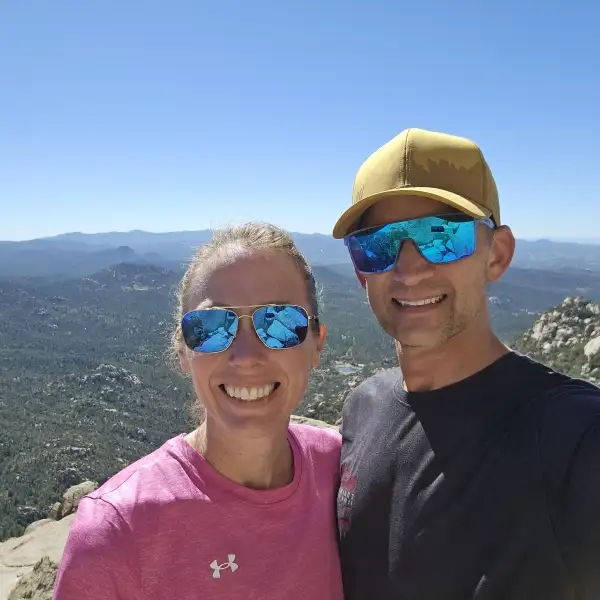
You’re standing at the edge of one of America’s most rugged and breathtaking landscapes, and here’s the thing—Grand Staircase-Escalante won’t hold your hand. This sprawling monument demands preparation, but rewards you with slot canyons that glow like fire, hidden waterfalls, and solitude you won’t find in crowded national parks. Whether you’re planning a family day hike or a multi-day backcountry adventure, choosing the right trail makes all the difference between an epic experience and a dangerous mistake.
Best Family-Friendly Hikes in Grand Staircase-Escalante
Grand Staircase–Escalante’s vast landscape might seem intimidating at first, but you’ll discover dozens of trails perfectly suited for families with young adventurers. Lower Calf Creek Falls rewards you with a stunning 100-foot waterfall after a 6.2-mile roundtrip journey, where kids can spot pictographs and granaries along canyon walls. For water-loving families, Escalante Natural Bridge delivers 10 river crossings over 3.5 miles of flat terrain—perfect for keeping children engaged. Willis Creek Slot Canyon offers narrow passageways your family can navigate for 3 miles or more, though you’ll need AWD or 4×4 access. Near town, Cedar Wash Arch and Covered Wagon Natural Bridge provide quick wins with minimal hiking. Devils Garden at milepost 12 features climbable rock formations with picnic facilities, making it ideal for shorter attention spans. For families seeking a shorter but more challenging adventure, Upper Calf Creek Falls provides an 88-foot waterfall after just a 1.2-mile descent over slick rock.
5 Grand Staircase-Escalante Slot Canyons From Easy to Expert
Grand Staircase–Escalante’s slot canyons range from gentle streambed walks you can tackle in sneakers to advanced routes demanding ropes, rappels, and serious scrambling skills. You’ll find broad, photographer-friendly slots like Willis Creek perfect for first-timers, moderately technical loops through Peek-a-Boo and Spooky Gulch that test your agility, and remote desert slots like Zebra where route-finding becomes as important as fitness. Peek-a-Boo Slot Canyon requires a 12-foot scramble at its entrance before you can explore the narrow passages beyond. Choosing the right canyon means honestly evaluating your comfort with narrow passages, climbing obstacles, and desert navigation—so let’s break down what each difficulty level actually entails.
Beginner-Friendly Slot Canyon Options
If you’re itching to experience the magic of slot canyons but don’t want to rappel down waterfalls or squeeze through body-width cracks, Grand Staircase–Escalante offers several gorgeous beginner routes that deliver the drama without the danger. Willis Creek Narrows tops the list as the region’s most accessible true slot—you’ll walk up a shallow streambed as towering sandstone walls gradually close in overhead, creating that iconic narrow-canyon feel without a single rope, scramble, or tricky downclimb. The out-and-back hike stretches up to 4.8 miles and suits most ages. Lower Dry Fork Narrows provides another easy option, threading through broad sandy washes before walls narrow slightly; it’s perfect if you want a slot sampler near Peek-a-boo and Spooky without tackling those tighter sections yet. Unlike the crowded trails in Utah’s Mighty 5, these slot canyons offer comparable beauty with far fewer hikers competing for space.
Moderate Technical Difficulty Routes
Once you’ve mastered the basics in Willis Creek, you’re ready to tackle Grand Staircase–Escalante’s moderate routes—thrilling canyons that demand route-finding skills, scrambling ability, and a comfort level with tight squeezes, but stop short of requiring ropes or rappelling gear.
The Peek-A-Boo and Spooky Gulch Loop stands out as your best introduction to technical slot canyoning. This three-mile circuit combines narrow winding passages with open canyon sections, testing your scrambling skills through natural waves and contours. You’ll need solid navigational ability—there’s light stemming and maneuvering through tight spaces. Fair warning: Spooky Gulch gets seriously restrictive, favoring smaller body types. Plan to spend approximately four hours navigating these slot canyons to complete the full experience.
Access these moderate adventures via Hole-in-the-Rock Road in the Dry Fork area. Just verify conditions are dry before heading out.
Advanced Scrambling Required Canyons
When the moderate routes no longer challenge you, Grand Staircase–Escalante’s advanced scrambling canyons will push your technical skills to new heights. Egypt 3 stands as the benchmark—a highly technical slot demanding sustained chimney moves, expert stemming above voids, and confident downclimbing through constricted sections. You’ll navigate multiple silos where falls carry serious consequences in tight quarters.
Egypt 2 delivers intensity in a shorter package, testing you with awkward contortions and pothole obstacles. The complex Egypt system branches require sharp route-finding across slickrock benches where parallel slots can lead you astray.
Before entering these narrows, expect Class 3–4 approach scrambling with genuine exposure. You’ll need advanced navigation skills, high-clearance vehicle access, and complete comfort with remote, committing terrain where escape options vanish once you’re deep in the narrows. These canyons sit among dramatic sandstone cliffs and colorful rock formations that define the monument’s stepped plateau landscape.
4WD Requirements for Grand Staircase-Escalante Trails
Remote conditions amplify risks: unmarked trails, poor signage, and potential vehicle trouble can strand you miles from help. Always pack extra water beyond your calculated need—rescues are slow here. Check seasonal water sources at visitor centers before multi-day trips, since creeks often run dry or flash-flood. Winter snowpack above 6,000 feet increases energy demands too. Flash flooding can occur during thunderstorms despite the low chance of precipitation in spring and summer. Remember: overestimating your water needs beats a dangerous shortage every single time.
Coyote Gulch: Routes, Distances, and What to Expect
Coyote Gulch offers several trailhead choices that dramatically affect your trip length and difficulty. You’ll find popular starting points at Hurricane Wash (the easiest entry with 5–6 miles of flat desert wash), Red Well (for extended routes), and the adventurous Fortymile Ridge “sneak” route featuring a steep 100-foot slickrock descent. Depending on which access you choose and whether you’re tackling a quick day hike or the full 20-mile loop, you’re looking at distances ranging from a 4-mile round-trip sampler to multi-day canyon epics.
Trailhead Options and Access
Three primary trailheads open access to Coyote Gulch’s sculpted canyons and hidden arches, each offering distinct approaches that balance driving difficulty against hiking terrain. Hurricane Wash provides the most straightforward entry—you’ll follow a sandy wash that gradually deepens into canyon country, perfect for backpackers wanting non-technical routes. Red Well reaches the gulch via graded dirt roads manageable for passenger cars in dry conditions, though minimal signage demands solid navigation skills. Fortymile Ridge’s Water Tank trailhead requires the longest drive—roughly 41 miles and two hours from Escalante—over increasingly sandy roads where high-clearance 4WD becomes essential. From there, cairns guide you across slickrock flats to the dramatic Crack-in-the-Wall descent. None offer water, restrooms, or trash service, so arrive fully self-sufficient.
Distance Variations by Route
Planning your adventure means choosing among several distinct routes, each delivering a different slice of Coyote Gulch’s spectacular canyon scenery. Hurricane Wash to the Escalante River runs about 12.3 miles one-way and offers the most complete tour—you’ll encounter both major arches, a natural bridge, and multiple waterfalls along a relatively gentle gradient through sandy narrows and shallow creek crossings. Crack-in-the-Wall typically covers 6–8 miles round-trip to Stevens Arch overlook, combining 1.8 miles of desert approach, a steep 0.7-mile sand descent through the namesake slot, then soft creek walking. For an epic challenge, link both via the 20-mile grand loop through Hurricane Wash and Crack-in-the-Wall—plan 1–2 nights. The Water Tank “sneaker” route delivers a quick 4-mile out-and-back with a thrilling Class 3 scramble finale.
Grand Staircase-Escalante Arch Hikes Worth the Trip
Grand Staircase–Escalante shelters some of the Southwest’s most rewarding arch hikes, and you’ll find everything from roadside wonders to remote sandstone spans tucked in hidden drainages. Metate Arch delivers instant gratification—just 0.1 miles from your car in Devils Garden, surrounded by hoodoos perfect for sunset photography. Sunset and Moonrise Arches offer a classic 3-mile adventure across slickrock and sand; bring gaiters and downloaded maps since the route’s unsigned. For a family-friendly option, Escalante Natural Bridge features five easy river crossings over 3.5 miles of shaded canyon, with a bonus skyline arch ten minutes upstream. Cedar Wash Arch rewards navigators with a quiet gray sandstone span in pinyon-juniper country—ideal when you’re craving solitude off the beaten path.
Expert-Only Backcountry Trails for Experienced Hikers
Beyond the marked paths and established routes, Grand Staircase–Escalante’s backcountry demands expert navigation skills and genuine wilderness readiness. You’ll tackle technical scrambles like Zebra Slot Canyon’s sinuous 8.4-km corridor or wrestle your pack through Round Valley Draw’s tight 400-foot cliff passages. Navigation relies on washbottom travel, intermittent cairn lines across slickrock, and constant map-and-compass tracking—losing your reference point in these canyons means serious trouble.
Many routes work best as one-way hike-thrus requiring car shuttles, so you’ll need careful pre-planning. Coyote Gulch offers multiple entry options with spring-fed creeks, arches, and waterfalls. The Death Hollow and Escalante River Traverse showcases breathtaking cascades through remote eastern tributaries. Expect vague trailhead markings, notoriously poor road conditions, and the raw wilderness character that makes this monument legendary.
Trailhead Locations and How to Reach Them
Key access points include:
- Egypt Road junction (16.5 miles down Hole-in-the-Rock Road) leads 9 miles to Golden Cathedral trailhead
- Hurricane Wash spur provides easiest established route into Coyote Gulch
- Passenger vehicles handle the first 10–12 miles; high-clearance recommended beyond
Conclusion
You’ve got everything you need to tackle Grand Staircase-Escalante’s incredible trails! Whether you’re bringing the family to Lower Calf Creek Falls or pushing your limits through Zebra Slot Canyon, there’s an adventure waiting for you. Don’t forget to check your vehicle’s capabilities, pack plenty of water, and download offline maps—cell service is nonexistent out here. Now grab your gear and get ready to experience some of Utah’s most stunning backcountry. You won’t regret it!