
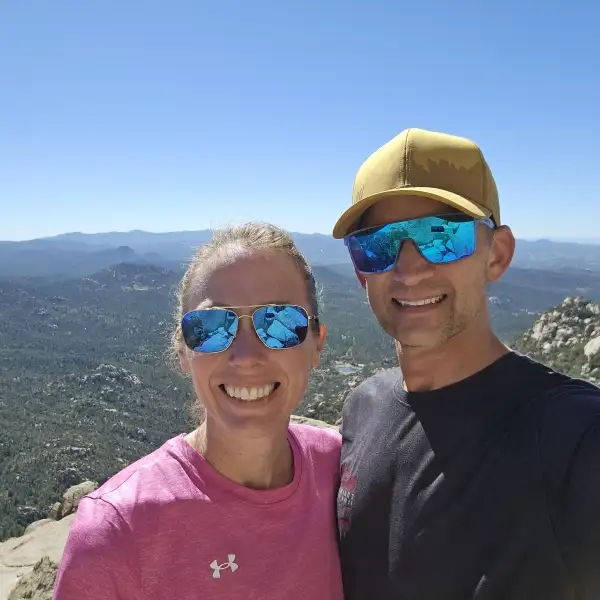
You’ve probably driven past the La Sal Mountains a dozen times while exploring Moab’s desert trails, noticing those snow-capped peaks rising in the distance. What you might not realize is that they’re hiding some of Utah’s most rewarding hiking—alpine lakes, aspen groves, and views that’ll make your desert adventures look tiny by comparison. Here’s what makes these high-elevation trails worth the drive, and why timing your visit changes everything about the experience you’ll have up there.
When Are La Sal Mountain Trails Open and Accessible?
Spring melt brings muddy, icy sections that can damage trails and test your patience. North-facing slopes hold snow longest. October storms can dump significant snow overnight, ending the season abruptly. Before you drive out, contact the Moab Ranger District for real-time conditions—trail status swings wildly by aspect and elevation, even on the same day. Be aware that major construction is currently underway on La Sal Mountain Loop Road, with full closures on weekdays that may affect trailhead access through fall 2025.
La Sal Mountains Trail Guide: Easy Lakeside Walks to Strenuous Peak Routes
The La Sal Mountains pack dozens of trails into a compact range, giving you options from flat lakeside strolls perfect for kids to lung-busting scrambles up 12,000-foot peaks. You’ll find gentle 2-mile loops through aspen groves at Warner and Oowah lakes if you’re new to mountain hiking, plus moderate forest routes like Hazard County and Squaw Springs when you want more mileage. Advanced hikers can tackle steep alpine climbs to Burro Pass, Manns Peak, and Mount Peale—where switchbacks, scree fields, and thin air turn day hikes into serious workouts with massive payoff views. The range earned its name from early Spanish explorers who thought the summer snow resembled salt from a distance.
Beginner-Friendly Lake Trails
While most visitors associate southeastern Utah with red rock desert, La Sal Mountains’ alpine lake trails deliver an entirely different experience—one where you’ll trade slickrock for shoreline, sage for spruce, and sweltering heat for cool mountain air.
Three beginner-friendly lake options await:
- Warner Lake to Oowah Lake – A moderate 4-mile out-and-back connecting two pristine alpine lakes through shaded aspen groves at 9,000+ feet.
- Lakeside strolls at Warner and Oowah – Short campground loops under 1.5 miles offer flat, easy walking with picnic spots and fishing access.
- Clark Lake Loop – Though rated strenuous due to steeper terrain, this 2.8-mile trail rewards hikers with the range’s most secluded lake.
All routes stay cool through summer, with prime season running late June through September after snowmelt clears. The La Sal Loop Scenic Drive provides access to various trailheads throughout the mountain range, making these alpine destinations easily reachable for families.
Advanced Alpine Summit Routes
Above the lake basins and aspen groves, La Sal Mountains transforms into serious alpine terrain—a domain of 12,000-foot summits, endless talus fields, and routes where trails disappear and navigation skills become survival tools.
Mt. Peale (12,721 ft), Mt. Mellenthin (12,646 ft), and Mt. Tukuhnikivatz (12,489 ft) crown the range. You’ll face 2,000–3,000 feet of climbing on unmarked scree slopes and loose rock. Only Manns Peak offers a constructed trail; everything else demands off-trail scrambling and confident map reading.
Access via La Sal Pass Road (high-clearance vehicle) or Geyser Pass Road (most cars manage). Expect thin air above 11,500 feet—your lungs will notice. Rapid thunderstorms roll in fast. Fog erases landmarks instantly. Cell coverage is spotty , so proper navigation gear and telling someone your plans before you head out are essential.
This isn’t beginner territory. It’s steep, exposed, and utterly rewarding.
What Makes High-Elevation La Sal Hiking Different From Moab Desert Trails?
Trading Moab’s slickrock for the La Sals means you’ll climb into a completely different world where temperatures drop 10°F and you’re surrounded by shady aspen groves instead of open desert. You’ll hike through cool forests and wildflower meadows that feel more like Colorado than southern Utah, all while enjoying sweeping views of the red rock canyons thousands of feet below. The air’s thinner up here, the weather changes faster, and you might encounter snowfields in June—but that alpine escape from the desert heat is exactly what makes these trails special. Your options range from easy lakeside strolls to challenging summit attempts, giving you the flexibility to match the hike to your energy level and time constraints.
Cooler Alpine Climate Conditions
When you climb from Moab’s desert floor at 4,000 feet to the La Sal peaks topping out above 12,000 feet, you’re ascending through a remarkable temperature gradient that transforms the entire hiking experience. The lapse rate means temperatures drop roughly 3.5°F for every 1,000 feet you gain.
Here’s what that means for your hike:
- Summer escape – While Moab bakes at 100°F in July, you’ll enjoy pleasant low-80s hiking at higher elevations
- Cool nights – Even after warm days, temperatures plunge into the 40s and 50s, so pack layers
- Year-round variety – The La Sals offer true alpine conditions with over 30 inches of annual snowfall, versus Moab’s sparse 9 inches
This dramatic cooling provides genuine climatic relief from the scorching Colorado Plateau desert below. The mountains deliver four-season hiking opportunities , with spring temperatures ranging from the high 40s to 70s, fall offering conditions from the mid 70s down to the upper 40s by November, and winter bringing below-freezing conditions with heavy snowfall.
Forest and Meadow Ecosystems
The cooler temperatures at elevation fuel an entirely different world of plant life. You’ll hike through pinyon-juniper forests at lower elevations before entering towering ponderosa pines and quaking aspen groves. Above 11,000 feet, spruce-fir forests give way to alpine tundra with scattered lichens and boulder fields.
This diversity contrasts dramatically with Moab’s desert landscape below. Within just a few miles, you’ll shift from arid rock formations to lush mountain forests. The La Sals support mule deer, elk, black bears, mountain lions, and bobcats—wildlife communities distinct from desert species.
You’ll even encounter rare alpine plants found nowhere else in Utah, like yellow dot saxifrage and Eastwood’s podistera. These high-elevation ecosystems create specialized habitats that make La Sal trails completely different from typical Colorado Plateau hikes.
Panoramic Canyon Country Views
From La Sal summits, you’ll stand more than 8,700 vertical feet above Moab and witness canyon country unfold in every direction like a geologic map come to life. The thin alpine air cuts through haze that blurs lower desert viewpoints, delivering razor-sharp views of Arches and Canyonlands simultaneously.
What you’ll see that desert trails can’t show:
- Entire drainage systems traced from source to confluence, revealing fault patterns hidden when you’re hiking inside a single canyon
- Temperature inversions that lift you above dust layers, especially during summer when valley floors shimmer at 100°F while you’re comfortable in the 70s
- Snow-capped foregrounds framing red sandstone—an extreme contrast impossible from mesa-top overlooks
This elevated perspective connects fragmented park districts into one continuous landscape.
Driving to La Sal Trailheads: Roads, Times, and Conditions From Moab
Getting yourself to La Sal trailheads starts with a scenic drive that’s almost as rewarding as the hikes themselves. You’ll leave Moab via the La Sal Mountain Loop Road, accessed from US-191 either six miles south or through Castle Valley to the north via UT-128. The full 60-mile loop takes 2.5–4 hours of driving time, though you’ll want to budget a half-day with stops.
Expect steep grades, tight switchbacks, and a 5,500-foot elevation gain that drops temperatures by 30°F. Passenger cars handle the paved loop fine, but large RVs shouldn’t attempt the hairpin turns. Side spurs like Warner Lake’s five-mile dirt road require extra time and clear weather—wet conditions make them treacherous.
Check forest service updates before departing, especially during spring snowmelt and early fall storms.
Aspen Groves, Alpine Meadows, and Peak Views: La Sal Scenery by Season
Rising 5,700 feet above Moab’s red rock desert, the La Sal Mountains pack an extraordinary vertical shift into a compact mountain range. You’ll experience three distinct landscape zones as you climb:
- Mid-elevation aspen-conifer forests (7,000–10,000 ft) with dense groves, grassy openings, and views down to desert canyons
- Alpine meadows near tree line displaying wildflowers in early summer and brilliant golds in fall
- High peaks and tundra slopes (above 11,000 ft) with talus fields, cirque lakes, and snow-capped summits
The scenery transforms dramatically by season. Spring brings retreating snow and bare aspen trunks against lingering snowfields. Summer delivers full green canopies and lush meadows. Fall ignites the slopes with yellow-orange aspen color peaking late September through early October—the range’s most spectacular display.
Pairing Cool La Sal Forest Hikes With Hot-Weather Moab Desert Days
When Moab’s desert trails feel like hiking inside an oven, the La Sal Mountains become your escape hatch—just 30 minutes away and up to 30 degrees cooler. You’ll trade scorching sandstone for shaded aspen groves and pine forests that actually feel invigorating.
The logistics couldn’t be simpler. Hit Arches or Canyonlands early, then drive La Sal Pass Road for an afternoon forest hike. Trails like Oowah Lake (2 miles) or Warner Lake give you easy alpine relief without technical difficulty. Want more challenge? Tackle Burro Pass Trail’s 7.1 miles through dense tree coverage.
The cooling effect goes beyond shade alone. Alpine lakes, creek crossings, and waterfall routes like Mill Creek Canyon add humidity and water proximity that desert environments can’t match. You’re building the perfect mixed-terrain day.
Conclusion
You’ve got an incredible escape waiting just outside Moab’s red rock desert! The La Sals offer something totally different—cool forests, alpine lakes, and mountain peaks that’ll take your breath away. Whether you’re seeking an easy lakeside stroll or a challenging summit climb, these trails deliver. Pack layers, check current conditions, and don’t forget your camera. You’ll discover why locals treasure these mountains as their go-to refuge from desert heat. Now get out there and explore!