Best Hikes in Coconino National Forest: Trails Across Northern Arizona
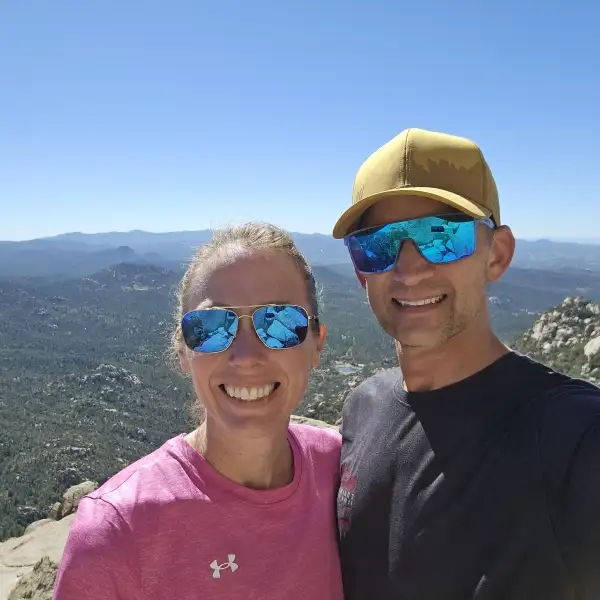
By Andrew and Ashley Tepen·
You’ll find some of Arizona’s most breathtaking trails winding through Coconino National Forest, from Sedona’s red rock wonderland to Flagstaff’s alpine peaks. Whether you’re planning a casual family stroll or ready to tackle a grueling summit, this vast forest has exactly what you’re looking for. The real question isn’t whether to visit—it’s which trail you’ll conquer first. Let’s explore the routes that’ll give you the most unforgettable views and experiences.
Red Rock, Mogollon Rim, and Flagstaff Districts: Where to Hike
The Red Rock Ranger District around Sedona serves up 400 miles of trails threading through iconic buttes, pinnacles, and crimson canyons. You’ll find everything from Bell Rock’s slickrock benches to Cathedral Rock’s scrambles and West Fork’s shaded canyon walking. Spring and fall bring peak crowds, so consider the Sedona Shuttle to dodge parking hassles.
The Mogollon Rim District offers rim-edge trails with sweeping views over Verde Valley, plus mixed-forest canyons where ponderosa pines and intermittent creeks create cooler summer escapes. The Carroll Canyon Trail system provides well-connected loops
that ascend to scenic ridges with awe-inspiring views of Northern Sedona.
The Flagstaff District rounds out your options with high-elevation terrain and volcanic features worth exploring when desert heat climbs.
Easy to Strenuous: Coconino Trails by Difficulty Level
How do you pick the right trail when Coconino’s 1.8 million acres offer everything from flat canyon strolls to lung-busting scrambles? Start with Bell Rock Pathway or Fay Canyon—both deliver red rock views without steep climbs. West Fork of Oak Creek’s first few miles keep grades gentle while you splash across the stream.
Ready for more? Devil’s Bridge and Doe Mountain step into moderate territory with short, steep finishes. Soldiers Pass rolls through diverse terrain to sinkholes and sacred pools. Brins Mesa and Boynton Canyon push you harder with sustained climbs and 6-mile round trips.
Full-length West Fork crossings and Fatman’s Loop circuits test your stamina with rocky switchbacks. For serious elevation seekers, Humphreys Peak at 12,633 feet
stands as Arizona’s highest point. Match your fitness to the trail, and you’ll enjoy every step.
Family-Friendly Trails: Bell Rock, Cathedral Rock, and Baldwin Trail
Bell Rock Trail wraps around one of Sedona’s most iconic red-rock formations, offering you nearly two miles of moderate terrain that’s perfect for kids who want an adventure without the scrambles. You’ll catch 360-degree views of the surrounding buttes and mesas as you circle the base, making it easy to snap photos at every turn. Cathedral Rock steals the show with its dramatic twin spires rising 741 feet above the trailhead—though the main route requires scrambling, families with older children can tackle connecting trails like Baldwin for spectacular views without the climb. The 1.6-mile Baldwin Trail
provides an easy, family-friendly alternative with scenic views of both Cathedral Rock and Wilson Mountain, gaining just 150 feet in elevation along the way.
Bell Rock Trail Features
Standing tall against Sedona’s crimson skyline, Bell Rock offers something special for every type of adventurer. You’ll find the relatively flat Bell Rock Pathway perfect for leisurely strolls—this scenic 3.6-mile route delivers consistent views without demanding elevation gain. It’s excellent for families with young children.
Want more challenge? The Bell Rock Summit Climb starts easy but shifts to steeper terrain after 0.25 miles. You can choose simple overlook hikes or tackle demanding scrambles to the 4,265-foot high point. Lower sections stay well-marked, though trails become less defined higher up. The summit rewards climbers with panoramic views
of Sedona’s iconic red rock formations stretching 360 degrees.
Arrive at sunrise for parking and stunning photography. Pack abundant water, especially during summer’s heat. Wide-angle lenses capture the expansive landscapes beautifully. With 491,000 reviews rating it 4.6 stars, you’ll understand why visitors rave about this iconic destination.
Cathedral Rock Scenic Views
Rising dramatically from the desert floor, Cathedral Rock delivers some of Sedona’s most breathtaking vistas—though it’s not your typical family stroll. The 1.2-mile trail climbs 750 feet over packed red dirt and slickrock, rewarding you with panoramic views at multiple levels. If steep scrambles aren’t your thing, the broad lower ledge at 0.25 miles offers stunning red rock formations without the exposure. More adventurous families can push to the intermediate plateau for expansive desert vistas. The upper saddle between two spires provides the iconic Instagram-worthy shots—dramatic cliff faces framing sweeping valley views toward Munds Mountain Wilderness. For easier alternatives, Baldwin Trail circles Cathedral Rock’s base with moderate grades and framed photography angles, minus the nerve-wracking scrambles above. Plan to arrive early since police may block entrance
when the small parking area on Back O’Beyond Road reaches capacity.
Devil’s Bridge Trail: Two Routes and What to Expect
Devil’s Bridge Trail offers two distinct routes to reach Sedona’s most impressive natural sandstone arch, and you’ll want to choose based on your time, fitness level, and vehicle capabilities.
The standard Dry Creek Trailhead route covers 1.6 miles roundtrip with 371 feet of elevation gain—perfect for a quick two-hour adventure. You’ll need a high-clearance or 4WD vehicle to navigate Forest Road 152’s rocky terrain.
Alternatively, the Mescal Trailhead route spans 4.2 miles roundtrip, combining flat desert scenery with forested sections dotted with piñons and junipers. This moderately easy approach adds variety to your hike.
Both routes converge three-quarters mile from the trailhead. Turn left to view the arch’s base or right to climb natural rock stairs. At the top, you’ll stand atop a 54-foot natural sandstone span—the largest in Sedona. The trailhead sits at an elevation of 4,605 feet
, starting your ascent through Sedona’s distinctive red rock landscape.
Soldiers Pass: Sinkholes, Sacred Pools, and Cave Scrambles
Why settle for just scenic views when Soldiers Pass Trail delivers geology, mystery, and adventure in one 4.5-mile package? You’ll encounter Devil’s Kitchen Sinkhole first—a massive collapsed crater just 0.25 miles in with unstable edges that demand respect. Stay back from the rim and admire this active geological feature safely.
Half a mile later, you’ll find Seven Sacred Pools nestled in sandstone channels. These year-round water basins hold cultural significance and attract wildlife, making them a photographer’s favorite spot.
The real thrill? An unmarked scramble at 1.5 miles leads to Soldier Pass Cave, where multiple arches frame dramatic views of Coffee Pot Rock and surrounding formations. Expect loose rock, light exposure, and moderate difficulty with 500–650 feet elevation gain throughout.
Boynton and Carroll Canyons: Scenic Loop Hikes
When you’re craving red rock scenery without the steep climbs, Boynton Canyon delivers drama on a moderate 6-mile out-and-back trail. You’ll hike past towering crimson cliffs and ancient Sinaguan ruins tucked in side alcoves. Near the trailhead, take the short Boynton Vista spur to reach the vortex site and Kachina Woman spire—a slickrock knoll with panoramic views over Sedona’s buttes.
The main canyon floor shifts from exposed desert scrub to shaded pinyon-juniper groves as you venture deeper. For adventurous souls, the unofficial Subway Cave spur climbs steeply to a high alcove resembling a tunnel. Combine these spurs with the main trail for a scenic lollipop loop. Expect 900–980 feet of elevation gain total, with the first mile rockier and hotter before dropping into the cooler canyon.
Humphreys Peak and Thunder Mountain: Summit Trail Challenges
After exploring Sedona’s red rock canyons at moderate elevations, serious hikers will find their ultimate test 60 miles north: Humphreys Peak, Arizona’s rooftop at 12,633 feet. This 5-mile trail from Snowbowl gains over 3,300 feet through aspen forests before hitting the exposed ridge—where things get real. You’ll scramble across massive boulders guided by wooden stakes, battling false summits and thin air above treeline. Start before dawn because afternoon monsoons bring deadly lightning to this exposed ridge from July through September. The saddle at mile 3.5 offers a smart bailout point when storms build or altitude strikes. Plan 6–8 hours round-trip and respect the fragile alpine tundra. This isn’t beginner terrain—it’s Arizona’s most demanding summit challenge.
Aerie Trail System and Doe Mountain: Crowd-Free Alternatives
Looking for incredible red rock views without the typical Sedona crowds? The Aerie Trail System delivers exactly that with its interconnected routes offering everything from quick 3.8-mile hikes to longer 5.2-mile loop adventures. You’ll find 15 parking spots at the trailhead on Boynton Pass Road, and from there you can explore multiple route options that showcase Bear Mountain, Fay Canyon, and Boynton Canyon from perfectly positioned vista points.
Interconnected Aerie System Routes
Tucked into the Red Rock Ranger District west of Sedona, the Aerie Trail System runs along the north side of Doe Mountain and offers a revitalizing escape from the crush of tourists on marquee trails like Cathedral Rock and Devil’s Bridge. You’ll love the flexibility here—Aerie connects seamlessly with Cockscomb, Dawa, and Girdner trails, letting you craft circuits from 4.4 to 9+ miles. A popular choice is the Cockscomb loop at roughly 5 miles, blending open singletrack with views toward Bear Mountain and Fay Canyon. Rolling terrain keeps climbs moderate, and morning shade along the north slope cuts heat exposure. As part of Sedona’s “Secret 7” lesser-used hikes, you’ll encounter far fewer hikers and share trail space with mountain bikers on red dirt and slickrock.
Doe Mountain Vista Points
Bear, Maroon, and Wilson mountains to the north
Free 7-day email course
You know you should go outside.
You just… don’t. That gap isn’t laziness — it’s how avoidance works. The 7-Day Nature Reset closes it, one small step at a time.
One tiny outdoor practice a day — day one takes 60 seconds
Why the gap between knowing and doing isn’t about willpower
The real thing competing with going outside — and it’s not your schedule
A simple framework for what to actually do once you’re out there
Start the 7-Day Reset
Day 1 lands in your inbox the moment you join.
No spam. No noise. Just nature.
🌿
You’re in!
So glad you’re here. Day 1 is landing in your inbox right now — go say hi.
Free 7-day email course
You know you should go outside.
You just… don’t — and it’s not laziness. The 7-Day Nature Reset closes the gap between knowing and doing, one small step at a time. Day 1 takes 60 seconds.
No spam. No noise. Just nature.
🌿
You’re in!
So glad you’re here. Day 1 is landing in your inbox right now — go say hi.