You’ll find three main campgrounds in Acadia National Park, each offering distinct advantages for your stay. Blackwoods sits near the ocean and provides easy access to popular trails, while Seawall delivers those classic Maine coastal vibes with opportunities for tidepooling. Schoodic Woods, the newest addition, gives you a quieter experience away from the crowds. But before you pack your tent and head out, there’s essential information you need to know about securing your spot.
Key Takeaways
- Acadia has four campgrounds: Blackwoods, Seawall, Schoodic Woods, and Duck Harbor, each offering unique features and amenities.
- Reserve campsites exclusively through Recreation.gov six months ahead at 10 a.m. EST; peak season sites are highly competitive.
- Private vehicle entrance fees cost $30 for seven days; annual passes available for $55-$70 or $80 for all national parks.
- Campfires allowed only in metal fire rings; use local firewood, keep fires small, and extinguish completely before leaving.
- Store food in locked vehicles or lockers, maintain quiet hours from 10 p.m. to 8 a.m., and follow generator restrictions.
Campground Locations and Features
Acadia National Park operates four distinct campgrounds that give you access to different corners of this coastal Maine treasure. Blackwoods anchors the eastern side of Mount Desert Island with roughly 275–306 wooded sites, placing you within walking distance of the ocean and close to Park Loop Road’s iconic attractions like Sand Beach and Cadillac Mountain. The campground sits within approximately 50,000 acres of diverse ecosystems that include mountains, lakes, streams, wetlands, forests, meadows, and beaches. Seawall offers 98–214 quieter sites on the island’s western shore, perfect for tidepooling and sunset views near Bass Harbor Head Light. Schoodic Woods sits on the Schoodic Peninsula with 90–203 sites, some featuring electric and water hookups—your only option for RV connections. Duck Harbor on Isle au Haut provides five primitive lean-tos accessible by mail boat, delivering true backcountry solitude with composting toilets and hand-pump water.
How to Make Campsite Reservations
Securing a spot at any of Acadia’s campgrounds requires advance planning through Recreation.gov—the park’s exclusive reservation platform that handles all bookings for Blackwoods, Seawall, and Schoodic Woods. You can’t make reservations by phone or in person at the park.
The system releases sites in two waves:
| Release Type | Percentage | Timing | Availability Window |
|---|---|---|---|
| Primary Release | 90% | Six months ahead at 10 a.m. EST | December 1st starts May bookings |
| Secondary Release | 10% | Two weeks before arrival | Includes same-day reservations |
Peak season sites vanish within seconds, especially summer weekends. Log in several minutes early, research your preferred sites beforehand, and have your credit card ready. When sites turn blue at 10 a.m., immediately add them to your cart and complete payment. Before planning your visit, check the park’s current alerts for updates on campground conditions, weather, or trail closures that may affect your camping experience.
Entrance Fees and Annual Passes
Visiting Acadia National Park requires an entrance fee during most of the year, though the specific amount depends on how you arrive and how long you plan to stay. A private vehicle permit costs $30 and remains valid for seven days. Motorcycles pay $25, while individuals entering on foot or bicycle pay $15 per person. Children under 16 get in free with an adult pass.
If you’re planning multiple visits, consider the Acadia Annual Pass at $55-$70, which grants unlimited access for 12 months. Alternatively, the America the Beautiful Annual Pass costs $80 and covers all national parks nationwide. You’ll find these passes available for purchase online or at park entrances. Seniors over 62 can purchase the America the Beautiful Senior Pass for just $20, which provides lifetime access to all national parks. Keep your pass displayed on your dashboard with the signature and expiration date visible.
Campsite Capacity and Vehicle Limits
You’ll need to follow specific capacity and vehicle rules when booking your Acadia campsite. Most campgrounds limit sites to six people and two vehicles, though you can park additional cars in designated overflow lots. Your tents and gear must fit entirely on the designated campsite pad, so check the site’s dimensions before you arrive.
Maximum Occupancy Per Site
Planning your camping trip to Acadia means understanding how many people, vehicles, and tents can actually fit at your site. Most campgrounds limit you to six people per site, though immediate families can exceed this number. Mount Desert Campground restricts sites to just three adults over 21, and some spots there only accommodate two people total.
Here’s what you need to know about site capacity:
- Group sites hold 15 people at Blackwoods and Seawall, but 20 at Schoodic Woods
- Standard drive-in sites accommodate two tents maximum at all campgrounds
- Vehicle limits vary—one car at Blackwoods and Seawall, two at Schoodic Woods
- RV restrictions cap length at 35 feet for Blackwoods and Seawall, while Schoodic Woods prohibits vehicles over 21 feet
You’ll need an additional site if your group exceeds these limits. If you decide to bring more people than you originally planned when making your reservation, be sure to call ahead to adjust your reservation so the campground can accommodate your updated party size.
Vehicle Parking Restrictions
Beyond how many people can share your campsite, you’ll face strict rules about where vehicles can go and how many you can park. Most campsites allow only one vehicle, though Schoodic Woods Campground permits two per site. Additional parking exists near amphitheaters if needed.
Keep all your equipment and gear confined to the campsite pad—you can’t unpack beyond these designated areas. Overnight parking isn’t permitted anywhere in Acadia, and backcourty camping is banned. Don’t attempt stealth camping; it’s prohibited throughout the park.
Winter camping and overnight parking are also forbidden. You’ll need advance reservations for all campgrounds since same-day availability doesn’t exist. This means planning ahead is essential, especially during peak seasons when spots fill quickly. While camping, you’ll also need a valid entrance pass, which is separate from your camping fee.
Tent Quantity and Placement
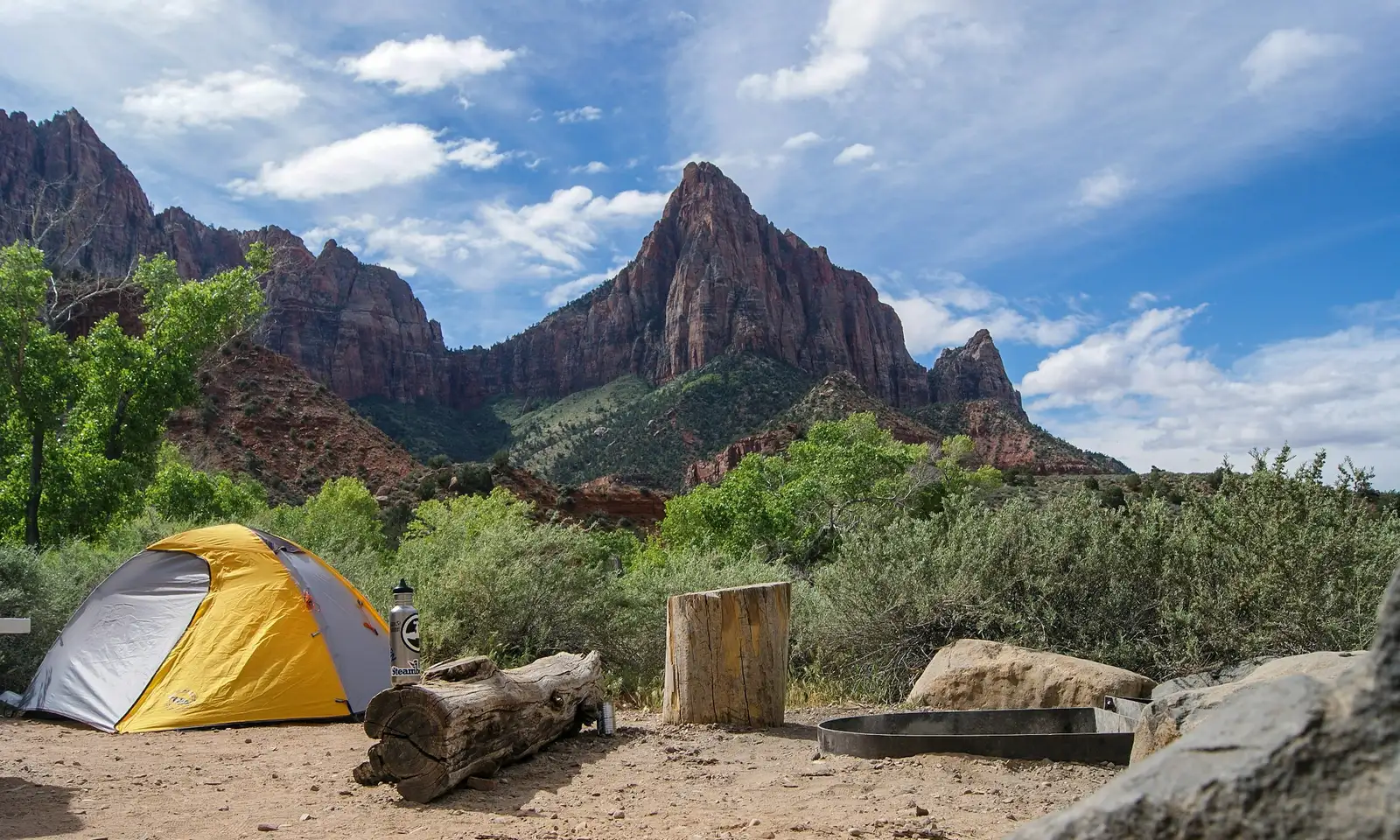
Each campsite in Acadia’s frontcountry campgrounds accommodates up to six people, but your tents must fit entirely on the designated campsite pad. Typical pads measure approximately 9 ft × 12 ft, though dimensions vary by site. You’ll need to verify your tent’s footprint matches the pad before booking—equipment placed off-pad is prohibited to protect vegetation.
When planning your setup, remember:
- Multi-tent arrangements require fitting all tents within the single pad’s boundaries
- Tree tents and hammock systems are completely prohibited in campgrounds
- Portable showers and large shelters can’t extend beyond pad limits
- Additional tents that exceed pad capacity require reserving a second site, subject to availability
Review each site’s specific equipment allowances during reservation—your booking can be canceled if gear exceeds listed limits. Each campsite is limited to two tents maximum and one vehicle per site.
Campfire Guidelines and Firewood Requirements
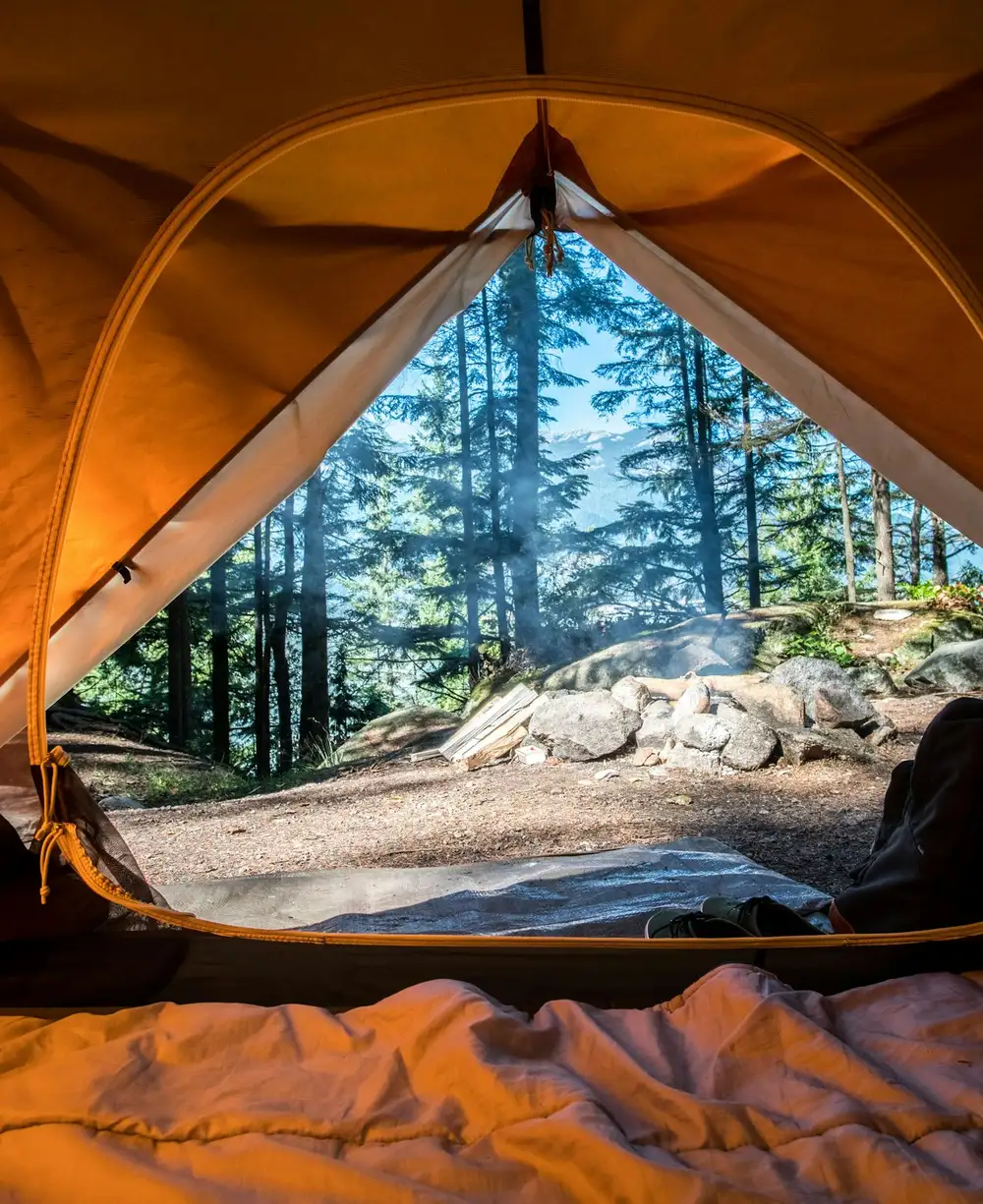
When you’re ready to build a campfire at Acadia National Park, you’ll need to follow specific rules designed to protect both the forest and surrounding communities. You can only light fires in established campgrounds using the metal fire rings provided at your campsite. Keep your fire small—less than three feet in diameter and height.
You must use local firewood due to Maine law, which prevents non-native insects from spreading. Purchase wood nearby or collect dead, downed pieces no larger than your wrist. Don’t bring firewood from out-of-state or use chainsaws for gathering. Avoid burning chemically treated wood, painted wood, or wood with staples in your campfire.
Never leave your fire unattended. Completely extinguish it with water before sleeping or departing. Rangers will fine you for violations. During dry conditions, temporary bans may prohibit all campfires, so check current restrictions before your visit.
Quiet Hours and Generator Usage
Just as important as fire safety, maintaining a peaceful atmosphere helps everyone enjoy their camping experience at Acadia National Park. You’ll need to observe quiet hours from 10:00 p.m. to 8:00 a.m. at most campgrounds, though some locations like Blackwoods, Seawall, and Schoodic Woods enforce them from 10:00 p.m. to 6:00 a.m.
Generator rules vary by location:
- Blackwoods A-Loop and Seawall C-Loop allow generators from 8:00 a.m. to 10:00 a.m. and 4:00 p.m. to 7:00 p.m.
- Schoodic Woods and Duck Harbor prohibit generators entirely
- Blackwoods B-Loop and Seawall Loops A, B, D, G ban generator use
- All campgrounds require you to stay at your campsite while generators operate
Sound carries easily between sites, so keep voices low and electronics off during quiet hours.
Wildlife Safety and Food Storage
While black bears roam Maine and occasionally appear in Acadia, you’re far more likely to encounter raccoons, gulls, foxes, and other opportunistic foragers at your campsite. Feeding wildlife is strictly prohibited, so store all food, trash, and scented items in your locked vehicle or a hard-sided locker—never inside your tent. Cook and eat away from sleeping areas, then clean surfaces immediately and secure cookware with other food items.
If wildlife approaches, don’t panic. Secure everything edible and contact campground staff if animals persist. Keep pets leashed within six feet and prevent them from chasing wildlife. When hiking, make noise in dense vegetation to avoid surprising animals. Maintain at least 25 yards from wildlife you observe, and use designated trash receptacles promptly to minimize attraction.
Park Rules and Prohibited Activities
You’ll need to follow specific rules that protect both the park’s natural resources and the experience of fellow campers. These regulations cover everything from when you can run your generator to what equipment you’re allowed to bring into the park. Understanding these restrictions before you arrive will help you avoid fines and guarantee your camping trip goes smoothly.
Campfire and Generator Hours
Acadia National Park enforces specific generator hours that vary considerably by campground and loop, so you’ll need to check your assigned location’s rules before firing up any equipment. Blackwoods A Loop and Seawall C Loop permit generators during 8:00–10:00 a.m. and 4:00–7:00 p.m., while other loops and campgrounds prohibit them entirely. You can’t leave generators running unattended—someone must occupy your campsite during operation.
For fires, follow these essential rules:
- Use only designated receptacles – Park-provided fire rings or personal grills in campgrounds and picnic areas
- Extinguish completely – Douse fires before leaving your site
- No chainsaw collection – Gather dead wood by hand outside campgrounds only
- Proper disposal matters – Never dump hot charcoal in dumpsters
Quiet hours run 10:00 p.m. to 6:00 a.m., protecting Acadia’s natural soundscape.
Wildlife and Drone Restrictions
Protecting Acadia’s ecosystem means never feeding wildlife—not the gulls swooping over your picnic table, not the chipmunks begging at your feet, and definitely not those “adorable” raccoons that show up after dark. Store all food in hard-sided lockers or your vehicle because tent fabric won’t stop a hungry animal from investigating interesting smells.
| Storage Location | Approved Items |
|---|---|
| Hard-sided vehicles | Food, trash, toiletries |
| Animal-resistant containers | All scented products |
| Never in tents | Nothing with odor |
Drones are completely banned throughout Acadia—no launching, landing, or operating anywhere in the park. Federal regulations enforce this restriction to protect wildlife and preserve the experience for other visitors. Keep pets leashed within six feet, maintain distance from all animals, and make noise while hiking to avoid surprising black bears.
Winter Camping Ban
Unlike many national parks that allow winter backcountry camping, Acadia maintains a complete prohibition on overnight stays from mid-fall through spring. You won’t find any legal camping options inside park boundaries during winter months. All official campgrounds close by mid-fall, and rangers actively enforce this ban.
The prohibition covers:
- Backcountry and dispersed camping – No tents allowed anywhere within park boundaries
- Overnight vehicle parking – You can’t sleep in your car at trailheads or pullouts
- Out-of-bounds camping – Closed campground areas remain off-limits even if accessible
- Fire building – Fires are prohibited when campgrounds aren’t operating
You’ll need to stay in Bar Harbor hotels or rentals instead. Private campgrounds outside the park also close November through March, leaving winter visitors with limited accommodation options nearby.
Conclusion
You’ll find camping in Acadia offers an unforgettable adventure when you follow the park’s guidelines and plan ahead. Since reservations fill up quickly, you should book early through Recreation.gov. Remember to store your food properly because wildlife encounters can be dangerous. Keep noise levels down during quiet hours, and only burn approved firewood to protect the ecosystem. By respecting these rules, you’re helping preserve Acadia’s natural beauty while creating lasting memories in one of Maine’s most stunning destinations.