

Have you ever wondered why a walk in the woods feels so restorative? There’s a scientific explanation for that pull you feel toward nature. It’s called biophilia, and it’s hardwired into your DNA. This concept explains why you’re drawn to sunlight, greenery, and flowing water—and why concrete jungles leave you feeling drained. Understanding this connection could change how you design your home, your workspace, and your life.
Defining Biophilia: The Love of Life and Living Things
Have you ever felt a deep sense of calm while walking through a forest, or found yourself inexplicably drawn to a puppy’s face? That pull you’re experiencing has a name: biophilia.
The term comes from Greek—bio meaning life and philia meaning friendly love. Psychologist Erich Fromm coined it in 1964, describing it as “the passionate love of life and all that is alive.” Harvard biologist Edward O. Wilson later popularized the concept in 1984, framing it as your innate tendency to focus on life and lifelike processes.
Biophilia isn’t just poetic sentiment. It’s a natural human inclination encompassing both emotional connection and cognitive fascination with living things. You’re wired to seek communion with nature—and science is beginning to explain why. This concept also helps explain why people fill their homes with plants and pets, creating personal connections to the natural world within their living spaces.
Evolutionary Roots of Our Connection to Nature
Your deep connection to nature isn’t just a preference—it’s hardwired into your DNA through millions of years of evolution. Your ancestors who understood ecosystems, recognized seasonal patterns, and worked with their environment didn’t just survive; they thrived and passed those nature-loving genes directly to you. This genetic inheritance, known as biophilia, represents an evolutionary advantage that helped early humans secure food, avoid predators, and build the social bonds necessary for collective survival. Those who could identify edible plants, track animal behavior, and interpret weather patterns were far more likely to survive and reproduce, cementing these nature-attuned instincts into our genetic code.
Survival Through Nature Bonds
Long before cities, technology, or even agriculture existed, our ancestors’ survival depended entirely on their connection to the natural world. You’d need to know which plants were safe to eat, where water sources flowed, and how to read seasonal patterns for migration and harvesting.
This wasn’t just practical knowledge—it was life or death. Those who understood their environment thrived. They found food more efficiently, avoided predators, and adapted to environmental shifts. Natural selection favored these individuals, passing their nature-attuned traits to future generations.
Your brain evolved specifically to process natural stimuli quickly and accurately. Identifying threats, locating resources, and interpreting weather patterns required cognitive systems finely tuned to the outdoors. This deep programming explains why you still feel drawn to green spaces and flowing water today. The modern built environment presents stimuli that our ancient brains were never designed to handle, creating a fundamental mismatch between our evolutionary wiring and daily experience.
Genetic Basis for Biophilia
The survival instincts that kept your ancestors alive didn’t just disappear—they became encoded in your DNA. Through gene-culture co-evolution, your attraction to nature became hardwired into your genetic makeup. This isn’t a learned preference—it’s inherited.
Your genes predispose you to favor specific landscapes. You’re drawn to savannah-like environments with scattered trees, open views, and water sources because these settings offered your ancestors ideal survival conditions. When you see such scenes, your body responds immediately—stress hormones drop, and you feel calmer. This reaction is involuntary and universal. Your biological evolution occurred predominantly in wilderness settings during the Late Pleistocene, shaping these deep-rooted responses to natural environments.
These biophilic traits vary in strength from person to person, explaining why some people feel nature’s pull more intensely than others. But the genetic foundation exists in all of us, connecting you to countless generations before.
The Psychology Behind Human-Nature Bonds
Curiosity about why humans feel drawn to forests, oceans, and open landscapes runs deeper than simple preference—it’s woven into our psychological makeup.
Your bond with nature works much like attachment theory explains infant-parent relationships. You seek proximity to natural spaces, find comfort there, and experience distress when disconnected. Early experiences shape this connection—family hikes, childhood gardens, and community green spaces build lasting attachments. Just as infants have critical periods for forming attachments with caregivers, early childhood may represent a crucial window for developing lasting bonds with the natural world.
Consider what nature provides psychologically:
- Reduced stress and improved mood within minutes of exposure
- Enhanced attention and lower risk of psychiatric disorders
- Decreased loneliness and cardiovascular risk
- Feelings of awe, beauty, and compassion that deepen connection
When you integrate nature into your identity, you’re more likely to protect it. This isn’t just appreciation—it’s recognizing nature as part of who you are.
How Biophilia Shapes Environmental Conservation
When you feel genuine love for a forest or coastline, you’re not just experiencing a pleasant emotion—you’re tapping into a powerful force for conservation. Biophilia transforms passive appreciation into active environmental stewardship.
Your connection to nature shapes real-world outcomes. Biophilic urban design creates habitats for insects, birds, and wildlife through native plants and green roofs. These features combat urban heat islands while managing stormwater runoff. When cities embrace biophilia, they become refuges for migrating species facing habitat loss elsewhere. With climate change threatening up to one million species due to habitat destruction, these urban interventions become increasingly critical.
This love for nature also shifts your daily choices. You’re more likely to adopt sustainable practices—using renewable energy, reducing waste, and supporting conservation policies. Biophilia cultivates respect and responsibility for ecosystems, moving society away from exploitation toward reciprocal relationships with the natural world.
Health Benefits of Connecting With the Natural World
Beyond its power to inspire conservation, your connection to nature delivers measurable benefits to your physical and mental health. Just 20-30 minutes in green spaces can lower your cortisol levels and reduce blood pressure. Regular outdoor time strengthens your immune system, sharpens cognitive function, and cuts your risk of cardiovascular disease. Research also shows that nature exposure is linked to better sleep quality, helping you wake more refreshed and restored.
Here’s what happens when you spend time in nature:
- Your stress melts away — forest environments release phytoncides that boost infection-fighting white blood cells
- Your mind clears — anxiety and rumination decrease while attention and memory improve
- Your body heals faster — patients with nature views recover more quickly from surgery
- Your lifespan extends — spending 120+ minutes weekly in nature considerably reduces mortality risks
Nature isn’t just beautiful—it’s medicine.
Biophilic Design and Cultural Applications in Modern Life
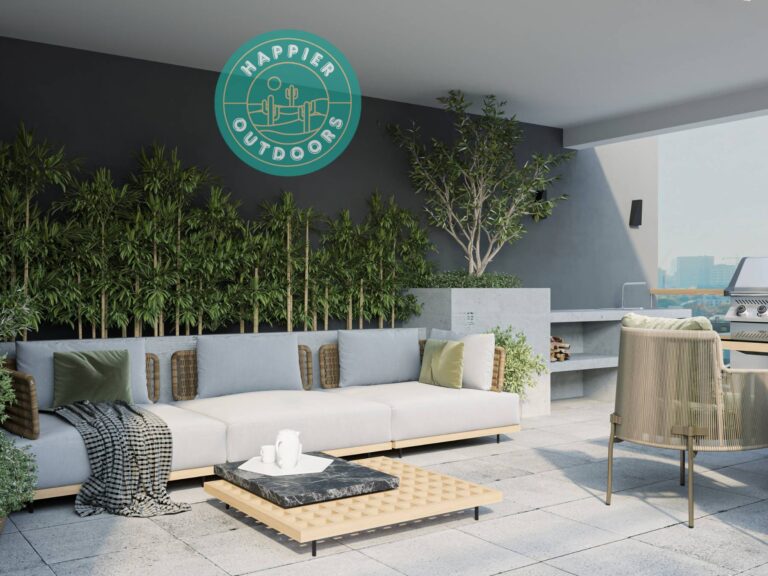
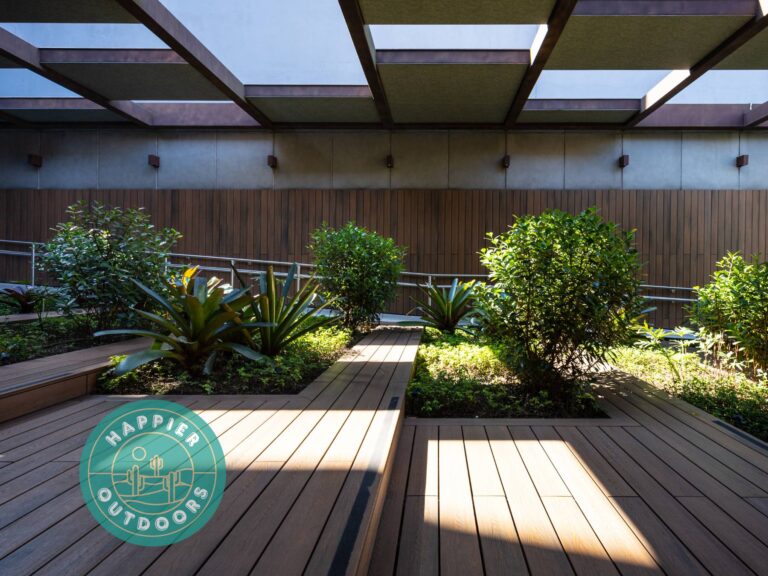
Though nature itself offers profound healing, you don’t have to venture into the wilderness to reap its benefits—biophilic design brings nature’s restorative power directly into your home, office, and city streets. This architectural approach weaves natural elements—living plants, water features, organic shapes, and natural light—into built spaces. You’ll notice it avoids harsh right angles, instead embracing curves, fractals, and patterns that mirror nature’s complexity.
What makes biophilic design truly effective is its cultural rootedness. The best designs incorporate local materials, native plants, and regional architectural traditions that connect you to your specific place and heritage. Think arched doorways echoing natural shelters or courtyard gardens featuring indigenous species.
At the city scale, biophilic urbanism creates green corridors, rooftop gardens, and accessible natural spaces that foster community connection and environmental stewardship. Research shows that biophilic design enhances recovery from illness and reduces stress while improving overall quality of life in communities.
Closing Thoughts
You’re hardwired to love nature—it’s that simple. Whether you’re hiking through forests, adding plants to your workspace, or simply opening a window, you’re honoring an ancient bond that’s kept humans thriving for millennia. Don’t ignore this instinct. Embrace biophilia in your daily life, and you’ll discover what your ancestors always knew: connecting with nature isn’t just nice—it’s essential for your well-being.