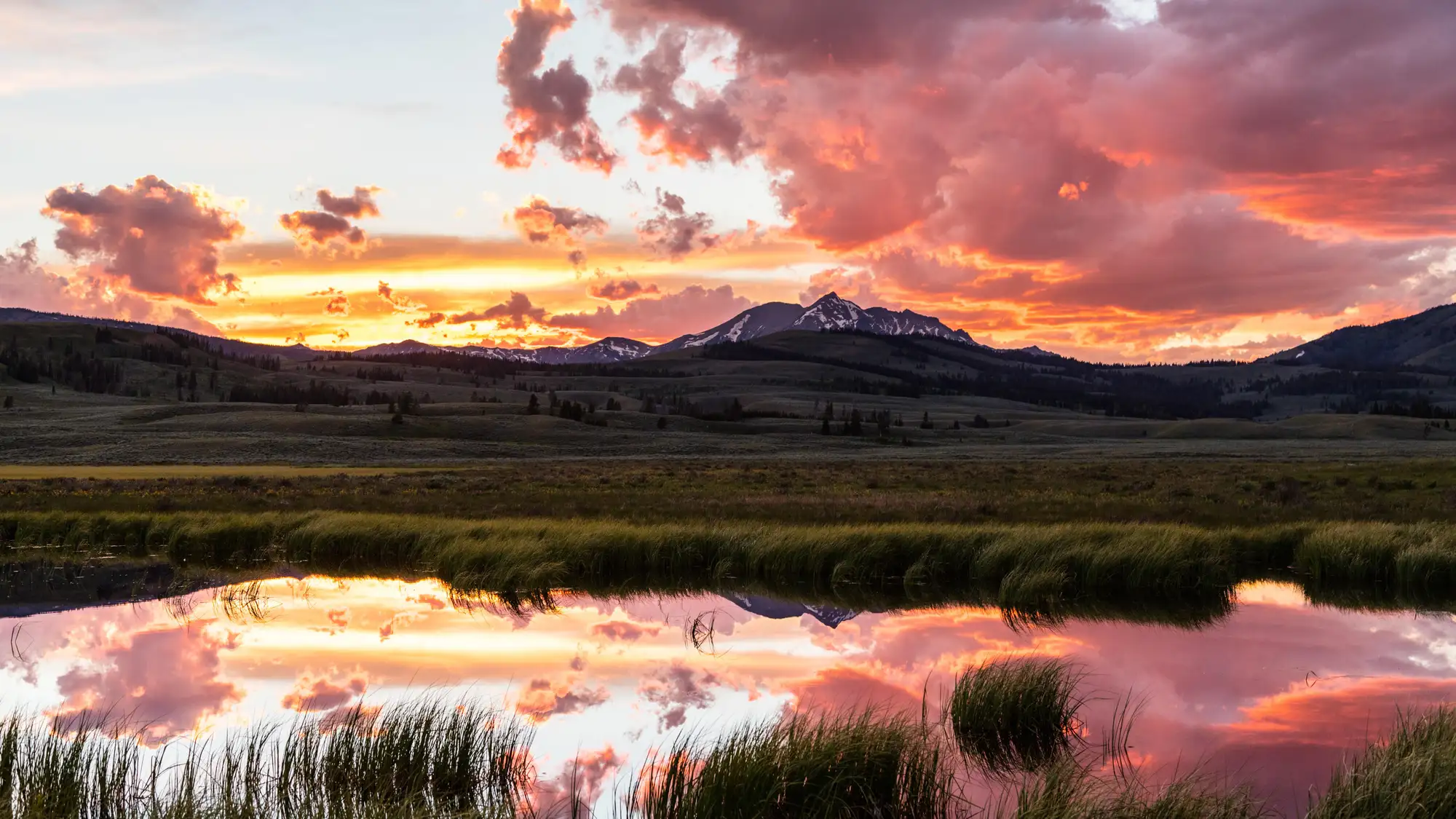
Yellowstone National Park
Yellowstone National Park, Wyoming · Rocky Mountains
Past the boardwalk, the quiet does work
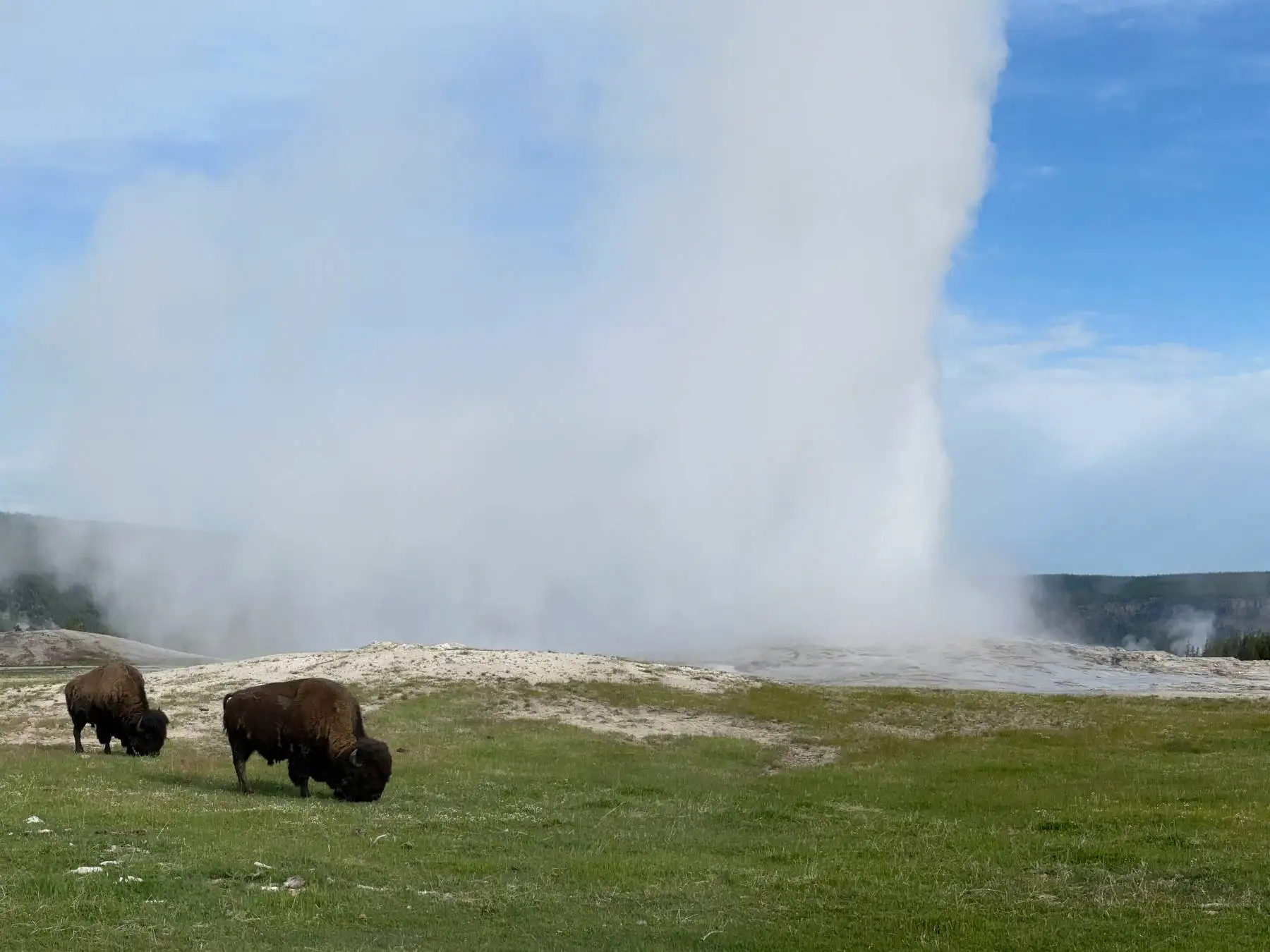
Yellowstone is enormous, close to 3,500 square miles, and the part everyone photographs is tiny. The park service notes that visitor traffic concentrates on roads, parking lots, and boardwalks covering less than 1% of the ground. Old Faithful, Grand Prismatic, and the Grand Canyon of the Yellowstone run like a slow-moving parade through the middle of summer.
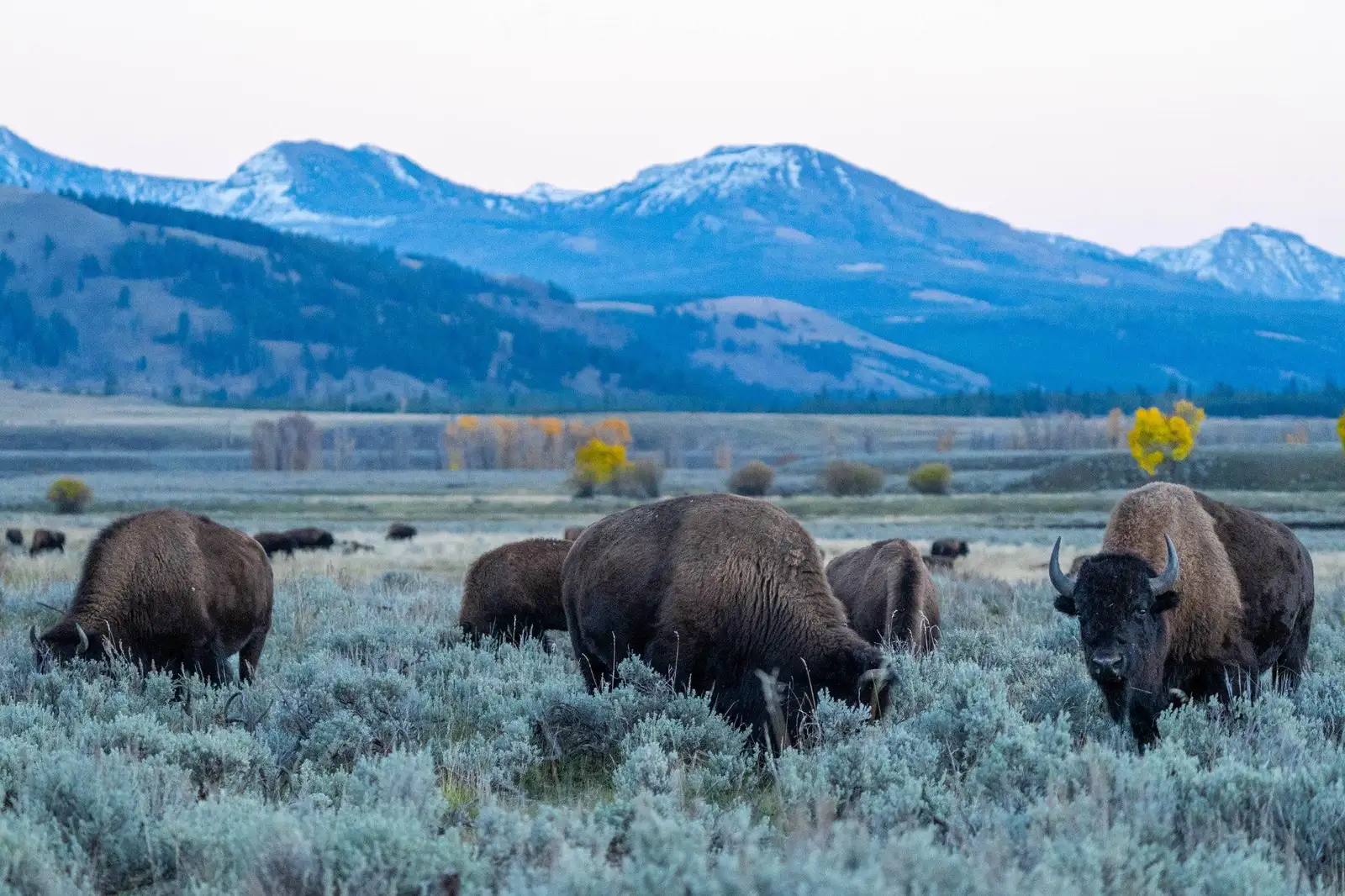
The other 99% is where the reset lives. Walk a mile from a trailhead and, by the park's own reckoning, you leave roughly 90% of other visitors behind. What replaces the crowd is running water, wind, birdsong, and the open sweep of valleys like the Lamar and Hayden, where bison and elk move on their own schedule.
That shift does something real. A landscape that holds your attention without demanding anything from you is the kind of place a tired, overloaded head can rebuild on, and Yellowstone hands it to you the moment you get off the pavement.
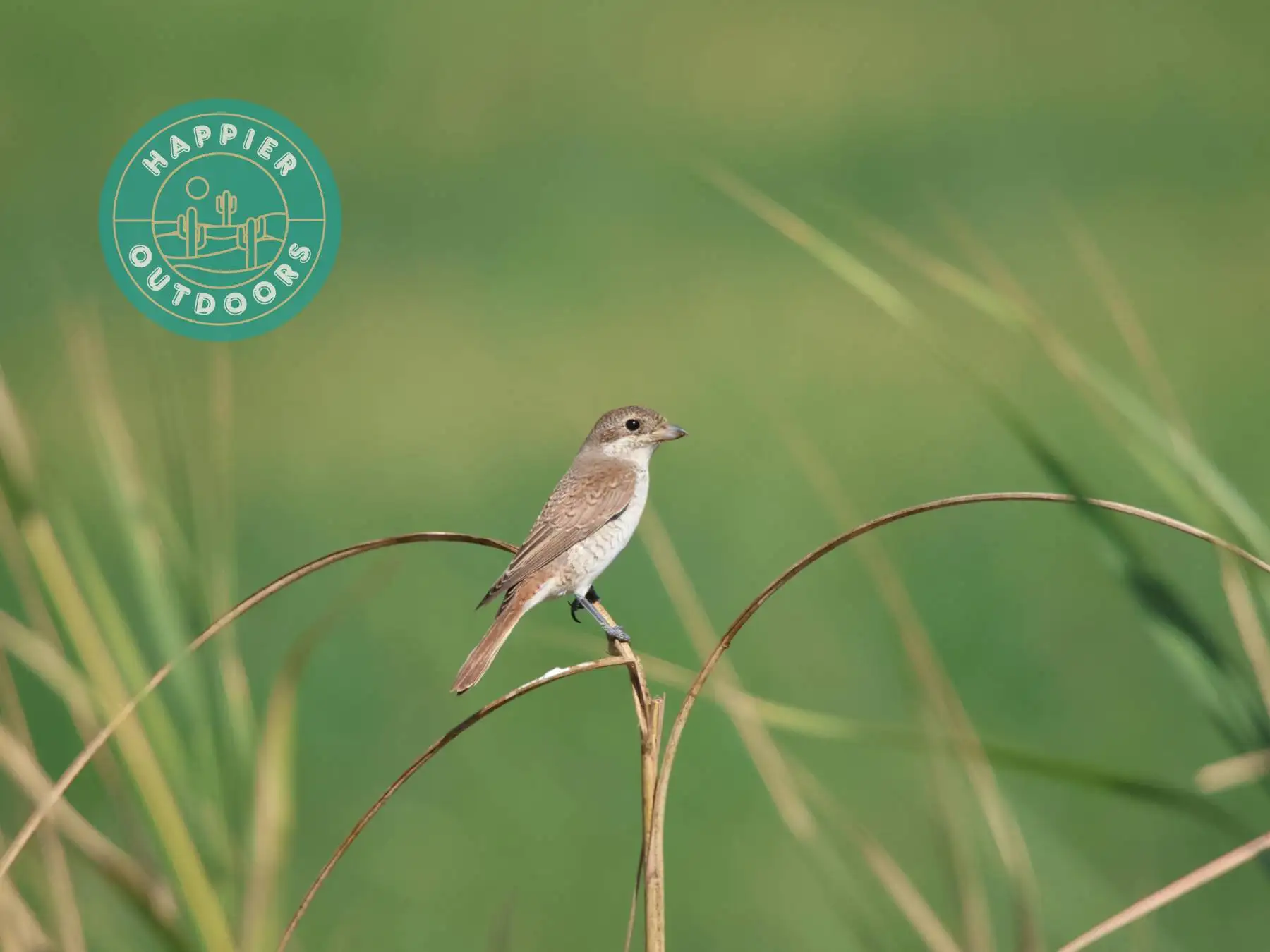
The science: On real hiking trails in a Colorado protected area, researchers hid speakers that added a birdsong chorus to some stretches, and hikers who walked the enriched sections reported significantly higher psychological restoration, measured as fascination and the sense of being away, than hikers on the same trails with the sound off. Yellowstone jams its crowds onto boardwalks over less than 1% of the park, so a single quiet mile hands you the genuine version of that soundscape.
Ferraro, Miller, Ferguson, Taff, Barber, Newman & Francis (2020) · Proceedings of the Royal Society B
Seasonal guide
Crowd levels use NPS monthly visitation, averaged 2015–2025. Excludes 2020 (COVID anomaly) and 2026 (partial year). Temperatures are NOAA climate normals from a station 7.2 miles away. Busy does not mean bad. If a peak month is your only window, the season notes below tell you how to work it.
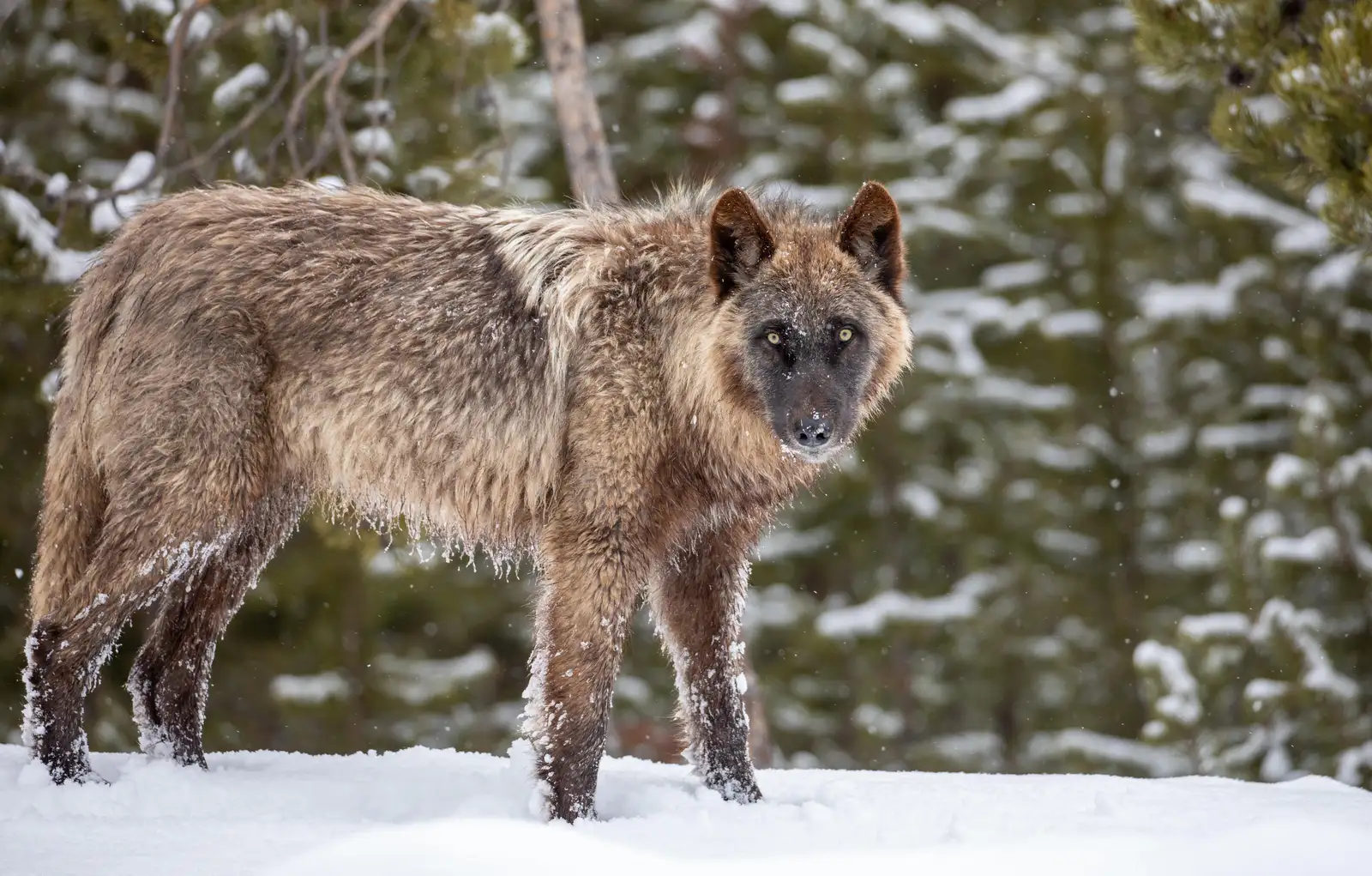
Highs sit in the low-to-mid 20s and nighttime lows drop to or below 0F, and it can snow any month. Most interior roads close to cars, so access is by guided snowcoach, snowmobile, or ski, while the road from Gardiner through Mammoth to Cooke City stays open to vehicles. Book oversnow travel ahead and watch for wolves and bison across the Northern Range, where winter viewing is at its best.
March is the park's quietest month with highs near 35F, warming to the low 50s by May as lows climb from single digits into the upper 20s. Snow lingers and roads reopen gradually, so check road status before you drive, and note that May visitation jumps sharply as summer approaches. This is a strong window for newborn wildlife and open space before the peak-season crush.
This is peak season, with highs from the low 60s in June to around 72F in July and the heaviest crowds of the year. Afternoon thunderstorms can drop temperatures 20 degrees fast, so pack rain gear and a warm layer even in July. Start at dawn to beat the 9 a.m. to 4 p.m. congestion, and walk a mile off the boardwalks to trade the crowd for quiet.
September stays busy with highs around 60F, cooling into the 40s by October and the low 30s by November, when the park empties to its quietest. Snow is possible early and services wind down as the season closes, so confirm what's open before you go. Cooler days, the elk rut, and shrinking crowds make early fall one of the best times to move slowly through the valleys.
This month in the park
Timing changes everything out here. Pick a month to see when the light turns golden, which nights stay darkest for stargazing, and what visitors have actually recorded in bloom and on the move. The new-moon night is the one to plan a sky-watching evening around.
January 2027
Wildlife on the move · 72 species on record
- American Bison 113 sightings
- Coyote 87 sightings
- Wapiti 63 sightings
- Gray Wolf 46 sightings
- Bighorn Sheep 44 sightings
February 2027
Wildlife on the move · 62 species on record
- American Bison 171 sightings
- Coyote 92 sightings
- Wapiti 74 sightings
- Bighorn Sheep 52 sightings
- Gray Wolf 50 sightings
March 2027
Wildlife on the move · 57 species on record
- American Bison 110 sightings
- Wapiti 80 sightings
- Coyote 50 sightings
- Mule Deer 36 sightings
- Bighorn Sheep 35 sightings
April 2027
In bloom · 10 species on record
- ❀ Yellow fritillary 3 sightings
- ❀ Sagebrush buttercup 3 sightings
- ❀ Hookedspur violet 1 sightings
- ❀ Lanceleaf Springbeauty 1 sightings
- ❀ Saskatoon 1 sightings
Wildlife on the move · 130 species on record
- American Bison 138 sightings
- Common Raven 53 sightings
- Coyote 47 sightings
- Mountain Bluebird 46 sightings
- Wapiti 46 sightings
May 2027
In bloom · 76 species on record
- ❀ Yellowstone Monkeyflower 68 sightings
- ❀ Arrowleaf balsamroot 44 sightings
- ❀ Yellow fritillary 27 sightings
- ❀ Prairie pasqueflower 22 sightings
- ❀ Glacier Lily 20 sightings
Wildlife on the move · 315 species on record
- American Bison 1181 sightings
- Wapiti 469 sightings
- Brown Bear 466 sightings
- American Black Bear 441 sightings
- Common Raven 279 sightings
June 2027
In bloom · 161 species on record
- ❀ Arrowleaf balsamroot 163 sightings
- ❀ Yellowstone Monkeyflower 49 sightings
- ❀ Edible valerian 48 sightings
- ❀ Silky Phacelia 39 sightings
- ❀ Bitterroot 35 sightings
Wildlife on the move · 563 species on record
- American Bison 1788 sightings
- Wapiti 938 sightings
- American Black Bear 880 sightings
- Uinta Ground Squirrel 458 sightings
- Pronghorn 411 sightings
July 2026
In bloom · 157 species on record
- ❀ Fireweed 184 sightings
- ❀ Arrowleaf balsamroot 34 sightings
- ❀ Western harebell 32 sightings
- ❀ Rocky Mountain Fringed Gentian 28 sightings
- ❀ Yellowstone Monkeyflower 28 sightings
Wildlife on the move · 618 species on record
- American Bison 1862 sightings
- Wapiti 1156 sightings
- American Black Bear 464 sightings
- Common Raven 423 sightings
- Pronghorn 377 sightings
August 2026
In bloom · 103 species on record
- ❀ Fireweed 142 sightings
- ❀ Rocky Mountain Fringed Gentian 37 sightings
- ❀ Pearly everlasting 20 sightings
- ❀ Curlycup Gumweed 19 sightings
- ❀ Sulfur buckwheat 17 sightings
Wildlife on the move · 499 species on record
- American Bison 1266 sightings
- Wapiti 744 sightings
- Common Raven 301 sightings
- Pronghorn 250 sightings
- Common Golden-mantled Ground Squirrel 188 sightings
September 2026
In bloom · 45 species on record
- ❀ Western harebell 24 sightings
- ❀ Rocky Mountain Fringed Gentian 14 sightings
- ❀ Virginia strawberry 12 sightings
- ❀ Fireweed 10 sightings
- ❀ Pearly everlasting 7 sightings
Wildlife on the move · 368 species on record
- American Bison 1161 sightings
- Wapiti 731 sightings
- Common Raven 321 sightings
- Pronghorn 260 sightings
- Brown Bear 197 sightings
October 2026
In bloom · 22 species on record
- ❀ Common yarrow 3 sightings
- ❀ Spotted knapweed 3 sightings
- ❀ Western harebell 3 sightings
- ❀ Shrubby cinquefoil 2 sightings
- ❀ Hoary Tansyaster 2 sightings
Wildlife on the move · 162 species on record
- American Bison 395 sightings
- Wapiti 327 sightings
- Common Raven 143 sightings
- Coyote 92 sightings
- Brown Bear 86 sightings
November 2026
Wildlife on the move · 45 species on record
- American Bison 53 sightings
- Wapiti 51 sightings
- Pronghorn 36 sightings
- Coyote 26 sightings
- Black-billed Magpie 15 sightings
December 2026
Wildlife on the move · 50 species on record
- American Bison 92 sightings
- Wapiti 42 sightings
- Coyote 36 sightings
- Gray Wolf 19 sightings
- Bighorn Sheep 16 sightings
Sun and moon times are computed for the park's coordinates from standard NOAA solar equations and cross-checked against the U.S. Naval Observatory. Species lists are research-grade community observations for Yellowstone National Park, US, WY via iNaturalist, retrieved July 2026; sighting counts are all-time records for that calendar month.
Don’t wait for Yellowstone.
One big trip a year isn’t what changes how you feel — the small stuff in between is. The 7-Day Nature Reset is one tiny outdoor practice a day, wherever you already are. Day one takes 60 seconds.
No spam. No noise. Just nature.
Day 1 is landing in your inbox right now — go say hi.
Sleep nearby
Places to stay around West Yellowstone, Montana. Pan the map to trade a shorter drive for a quieter night.
Camping inside the park books through Recreation.gov and is listed separately.
The map is provided by Stay22. If you book through it we may earn a commission at no cost to you, which helps keep Happier Outdoors running. It never changes what we recommend.
Let someone else lead
A guide is worth it when the terrain needs one, or when you would rather look around than navigate. These are the highest-rated trips running around Yellowstone, not the cheapest.

From Jackson Hole: Yellowstone Old Faithful, Waterfalls and Wildlife Day Tour
- Runs Apr–Oct
- Up to 15 per booking
- Service animals welcome
 Free cancellation
 Private Yellowstone Tour: ICONIC Sites, Wildlife, Family Friendly Hikes + lunch
- Runs year-round
- Private tour, up to 15
- Wheelchair accessible
 Free cancellation
 Yellowstone Lower Loop Tour | Wildlife & Hot Springs | PRIVATE
- Runs May–Nov
- Private tour, up to 15
- Stroller accessible
 Free cancellation
 Guided Yellowstone Wildlife Tour
- Runs May–Oct
- Up to 14 per booking
- Service animals welcome
Tours are listed by Viator; booking happens there. If you book we may earn a commission at no cost to you, which helps keep Happier Outdoors running. It never changes what we list. Prices checked September 2026 and can change.
Activities & experiences
Beyond the trails
A 2.0 mile (3.2 km) loop open to snowshoes only. It opens up clear views of the Upper Geyser Basin and the Firehole River.
This one-way ski runs 4.2 miles (6.76 km) and ranges from easiest to most difficult. Expect a steep, heavily forested climb before it flattens into open ground with views of Swan Lake Flats.
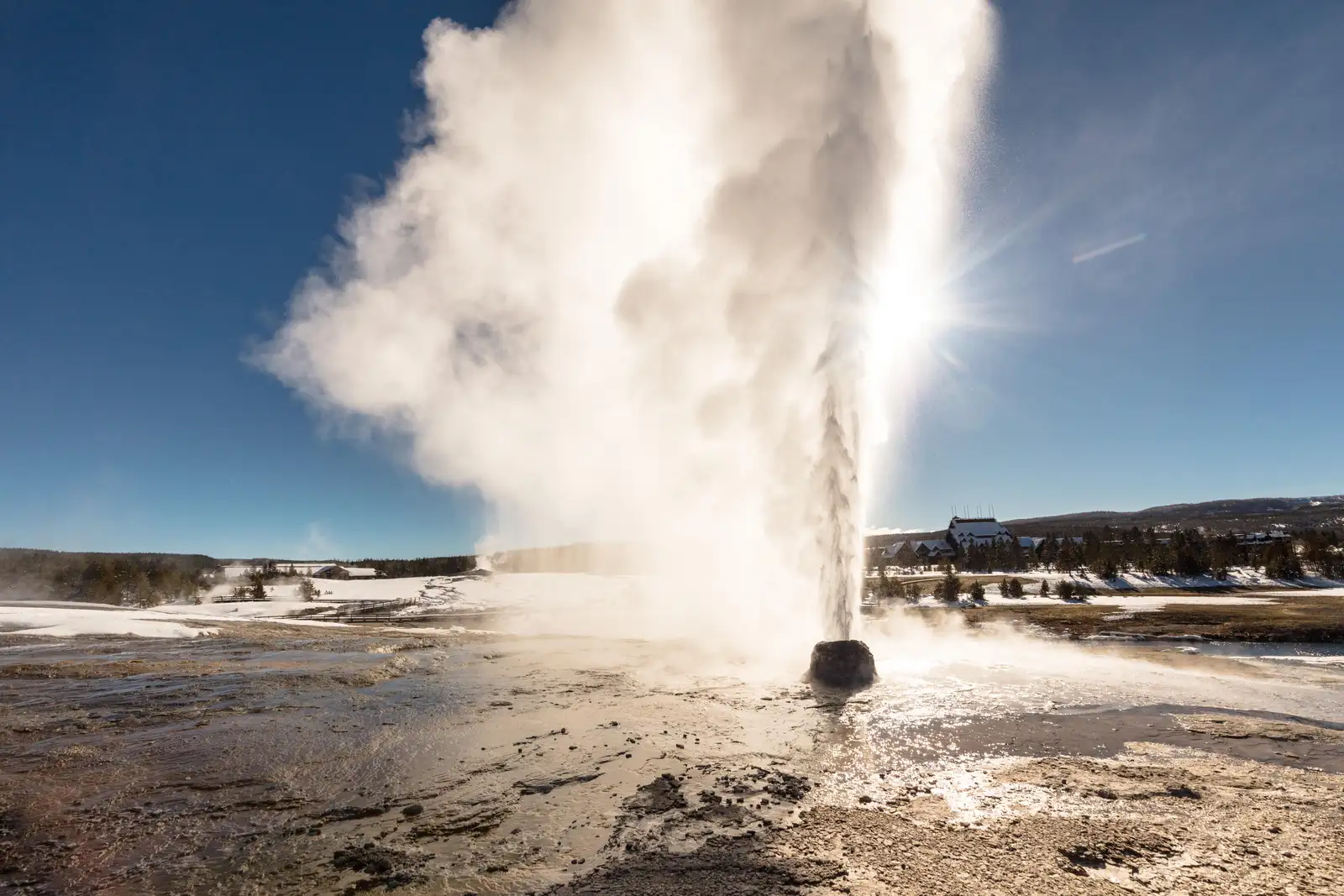
The best known geyser in the world, with eruption intervals ranging from 40 to 126 minutes. Check predicted times at the Old Faithful Visitor Education Center, the @GeyserNPS Twitter feed, or the Geysers app.
Several easy options here follow the Madison River, with views of both the Gallatin and Madison mountain ranges.
An easy 2 mile (3.2 km) ski along the old road bed that once supplied the mining town of Cooke City, Montana.
A 5.0 mile (8 km) round-trip on the easiest rating, with canyon views of the Yellowstone River and Tower Fall.
Details and current conditions live on nps.gov.
From the field
Common questions
When is the best time to visit Yellowstone?
For thinner crowds with roads mostly open, aim for late April through May or September through October, the shoulders around peak season. June, July, and August draw nearly 60% of the park's yearly visits, with July the single busiest month, so summer trips reward an early start and flexible plans.
Is Yellowstone dog-friendly?
Leashed dogs are allowed only in developed areas and must stay within 100 feet of roads, parking areas, and campgrounds on a leash no longer than six feet. They are not permitted on hiking trails, boardwalks, in thermal areas, or in the backcountry, so most of what people come to see is off-limits to pets.
What is the quietest trail in Yellowstone?
Hikers consistently point to lesser-known trails like Blacktail Deer Creek, Trout Lake, and Lone Star Geyser, which sit off the main tourist route and see far fewer people. Visitors report that the northeast and northwest corners of the park draw the lightest traffic, and that walking a mile or more on almost any trail leaves the bulk of other visitors behind.
How crowded does Yellowstone get?
Yellowstone is very crowded in summer, drawing around 4.76 million visits a year with June, July, and August accounting for nearly 60% of them. Congestion peaks from roughly 9 a.m. to 4 p.m. at frontcountry hotspots like Old Faithful, Midway Geyser Basin, the Grand Canyon of the Yellowstone, and Mammoth Hot Springs.
Is Yellowstone accessible for wheelchairs?
Yes, several areas are wheelchair-accessible, including the Lone Star Geyser and Natural Bridge trails and the boardwalks at Old Faithful. Visitor centers such as the Old Faithful Visitor Education Center are fully accessible, manual wheelchairs can be borrowed in the Old Faithful area, and a beach wheelchair is available at Fishing Bridge for Yellowstone Lake shore access.
Can you camp in Yellowstone?
Yes, Yellowstone has multiple campgrounds with over 2,000 sites, and camping is allowed only in designated campgrounds. Most require advance reservations through Recreation.gov, while Mammoth Campground runs first-come, first-served from October 15 to April 1.
Where do you park in Yellowstone?
Park at the designated lots serving each attraction, but expect them to fill fast in summer, with popular lots like Norris often at capacity by mid-morning. Arriving before 9 a.m. or after 4 p.m., or choosing a less crowded lot and walking, helps; roadside parking is prohibited when lots are full.
How much does it cost to enter Yellowstone?
A private vehicle pass is $35 and covers everyone in the car for seven consecutive days. Motorcycles are $30, individuals on foot or bike are $20, and a Yellowstone annual pass is $70; non-US residents 16 and older pay a $100 nonresident fee on top of the entrance fee.