
Wind Cave National Park
Hot Springs, South Dakota
What the descent quiets in you
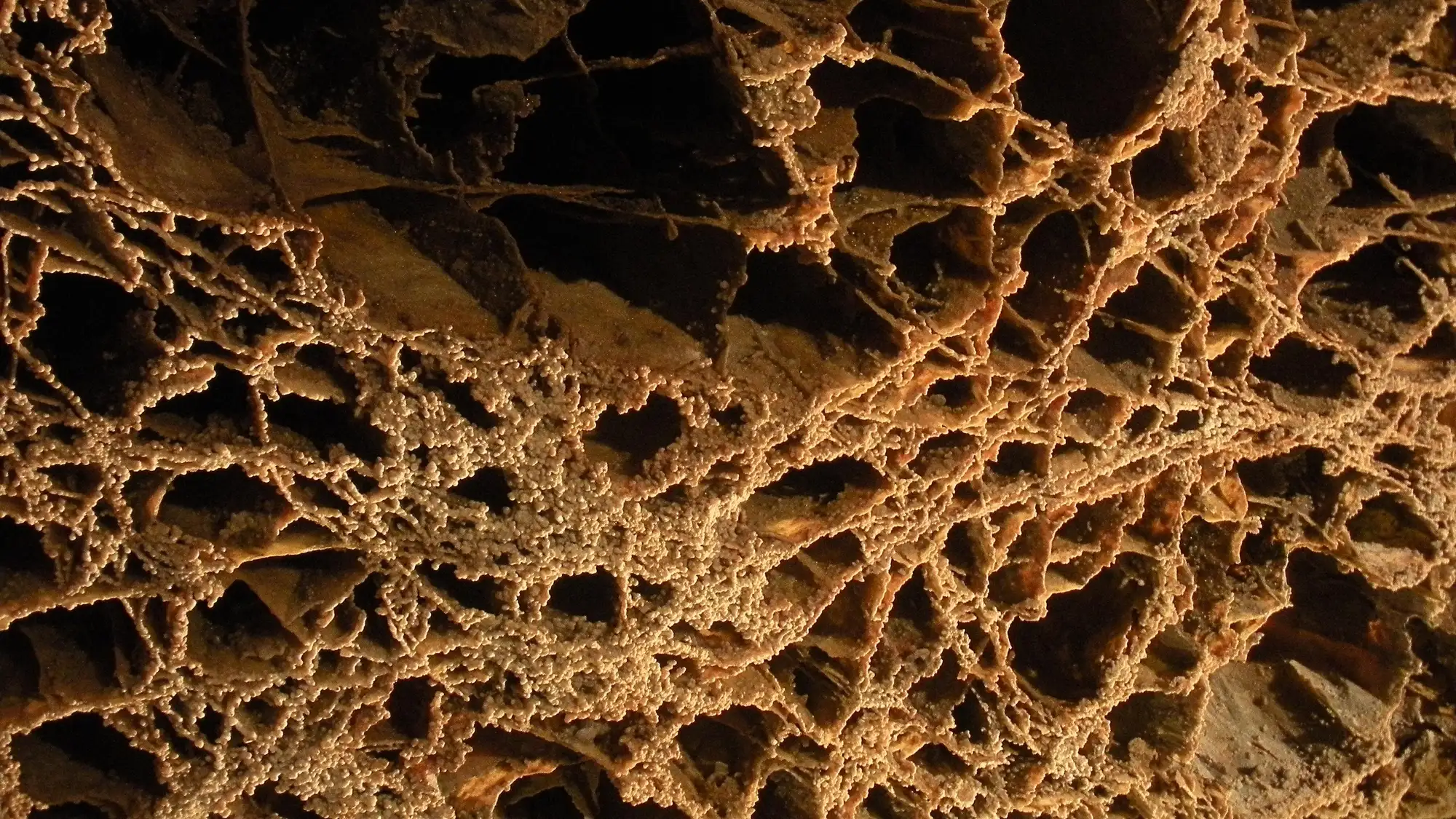
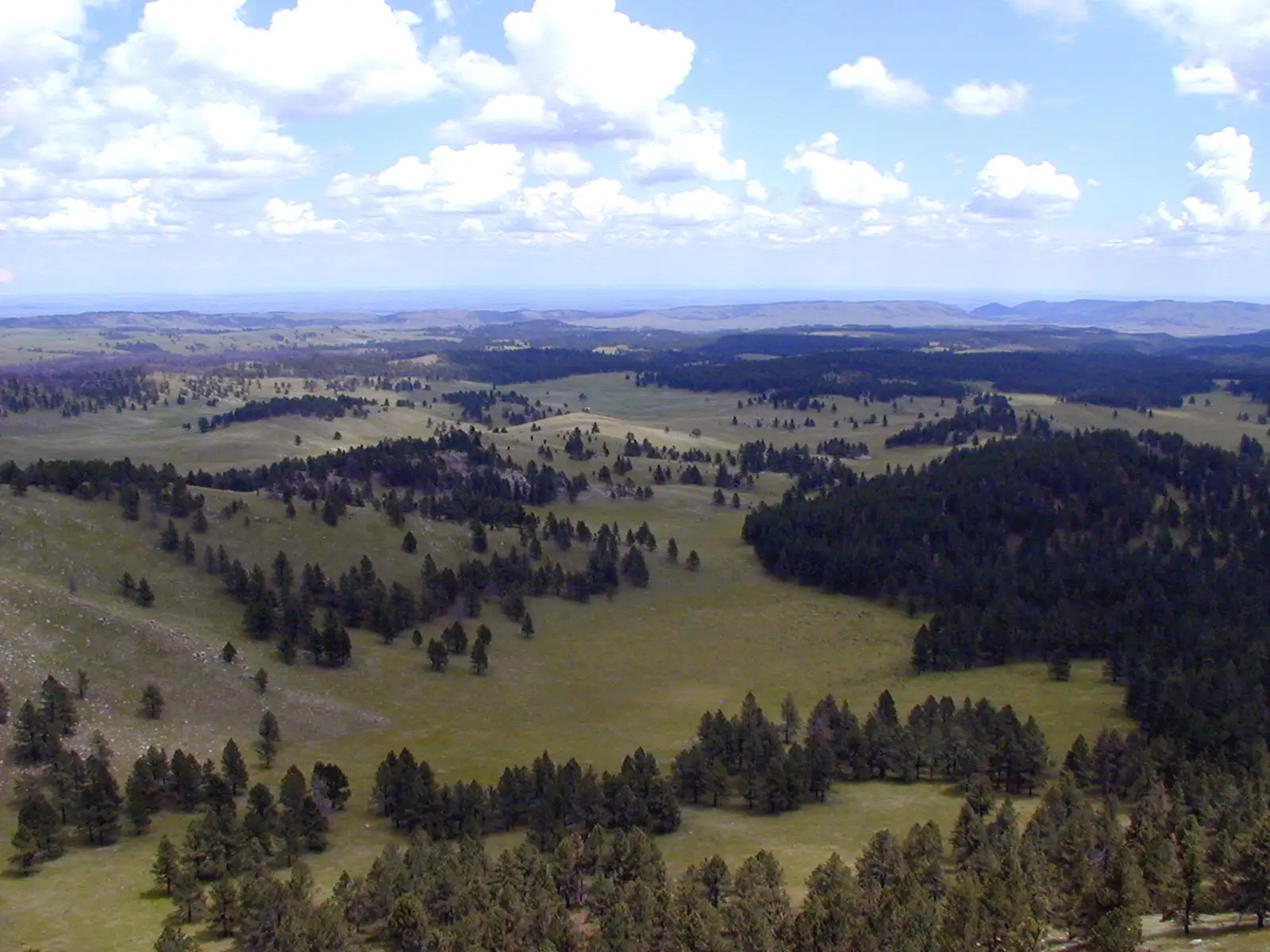
Wind Cave keeps two worlds stacked on top of each other. Up top is a remnant island of intact prairie, where bison and elk move through grass and forested hillsides in one of the country's oldest national parks. Below runs one of the longest and most complex caves on Earth, and the only way in is a ranger-guided tour that starts at the visitor center.
Stepping into it is a clean break. The signal drops, the weather stops mattering, and the errands you drove in with have nowhere to reach you. For the length of a tour, the ordinary flood of input that a busy head runs on simply isn't there.
Back on the surface, the split works in your favor. The crowds bottleneck at the visitor center for cave tickets, so the prairie trails stay nearly empty, and the park points hikers toward East Bison Flats and Boland Ridge for real solitude. Bison, birdsong, and open grass are the reward for walking a few minutes past the parking lot.
The science: In a flotation-tank study, a single one-hour session floating in dark, silent, skin-temperature water produced a very large drop in anxiety among people already living with it. Most Wind Cave tours run about that long, a short window with the surface world and everything pulling at you left up top. That was a flotation tank and not a cave, so take it as evidence about what removing the usual flood of input does, not as a claim about caving itself.
Feinstein, Khalsa, Yeh, Wohlrab, Simmons, Stein & Paulus (2018) · PLOS ONE
Seasonal guide
Crowd levels use NPS monthly visitation, averaged 2015–2025. Excludes 2020 (COVID anomaly) and 2026 (partial year). Temperatures are NOAA climate normals from a station 2.6 miles away. Busy does not mean bad. If a peak month is your only window, the season notes below tell you how to work it.
Highs sit in the high 30s to low 40s with lows near 15F, and about 30 inches of snow falls across the season, sometimes closing park roads. The cave stays a steady temperature no matter the surface weather, so this is the easiest time to get a tour without a wait. Dress in warm layers, check road conditions before you drive, and expect the prairie to yourself.
Highs climb from the 50s into the mid-60s, but spring is the wettest and most variable season, and school groups swell cave visitation as it warms. Pack for sudden changes and cold lows that can still dip near freezing early on. Reserve cave tickets ahead through Recreation.gov as crowds build toward summer.
Highs run from the upper 70s to the mid-80s, and strong afternoon thunderstorms can bring large hail and lightning. Cave tours frequently sell out by early afternoon, so arrive near the 8 a.m. opening to secure a spot. Do the cave in the morning, save the exposed prairie trails for early or late, and watch the sky for storms.
Days stay warm early on, with highs from the mid-70s in September dropping into the 40s by November, and nights turn cold with lows often below freezing. The weather is generally dry and crowds thin quickly after Labor Day, making tours easy to get. Bring a warm layer for the mornings and enjoy some of the year's best solitude on the surface trails.
This month in the park
Timing changes everything out here. Pick a month to see when the light turns golden, which nights stay darkest for stargazing, and what visitors have actually recorded in bloom and on the move. The new-moon night is the one to plan a sky-watching evening around.
January 2027
Wildlife on the move · 26 species on record
- American Bison 10 sightings
- Black-tailed Prairie Dog 8 sightings
- Pronghorn 7 sightings
- Sharp-tailed Grouse 3 sightings
- Coyote 3 sightings
February 2027
Wildlife on the move · 19 species on record
- Black-tailed Prairie Dog 3 sightings
- Wapiti 3 sightings
- Mule Deer 2 sightings
- Pronghorn 2 sightings
- Rock Pigeon 1 sightings
March 2027
Wildlife on the move · 31 species on record
- American Bison 9 sightings
- Black-tailed Prairie Dog 8 sightings
- Coyote 5 sightings
- Pronghorn 3 sightings
- Bald Eagle 2 sightings
April 2027
In bloom · 4 species on record
- ❀ Prairie pasqueflower 8 sightings
- ❀ American plum 1 sightings
- ❀ Common starlily 1 sightings
- ❀ Canadian gooseberry 1 sightings
Wildlife on the move · 56 species on record
- American Bison 21 sightings
- Black-tailed Prairie Dog 7 sightings
- Burrowing Owl 6 sightings
- Wild Turkey 5 sightings
- Sharp-tailed Grouse 5 sightings
May 2027
In bloom · 18 species on record
- ❀ American plum 9 sightings
- ❀ Green-flower Hedgehog Cactus 7 sightings
- ❀ Chokecherry 5 sightings
- ❀ Common starlily 3 sightings
- ❀ Prairie Bluebells 3 sightings
Wildlife on the move · 135 species on record
- American Bison 48 sightings
- Black-tailed Prairie Dog 42 sightings
- Pronghorn 18 sightings
- Coyote 17 sightings
- Burrowing Owl 12 sightings
June 2027
In bloom · 52 species on record
- ❀ Sego Lily 9 sightings
- ❀ Red columbine 7 sightings
- ❀ Golden currant 5 sightings
- ❀ Scarlet Beeblossom 4 sightings
- ❀ Scarlet Globemallow 4 sightings
Wildlife on the move · 165 species on record
- American Bison 107 sightings
- Black-tailed Prairie Dog 90 sightings
- Pronghorn 25 sightings
- Coyote 15 sightings
- Spotted Towhee 13 sightings
July 2026
In bloom · 32 species on record
- ❀ Gunnison's Mariposa Lily 11 sightings
- ❀ Upright prairie coneflower 4 sightings
- ❀ Wild bergamot 3 sightings
- ❀ Leadplant 3 sightings
- ❀ Showy milkweed 2 sightings
Wildlife on the move · 184 species on record
- Black-tailed Prairie Dog 136 sightings
- American Bison 104 sightings
- Pronghorn 41 sightings
- Coyote 21 sightings
- Barn Swallow 11 sightings
August 2026
In bloom · 31 species on record
- ❀ Hoary vervain 5 sightings
- ❀ Hairy False Goldenaster 4 sightings
- ❀ Great mullein 3 sightings
- ❀ Fetid marigold 3 sightings
- ❀ Curlycup Gumweed 3 sightings
Wildlife on the move · 168 species on record
- American Bison 94 sightings
- Black-tailed Prairie Dog 83 sightings
- Pronghorn 35 sightings
- American Robin 18 sightings
- Coyote 16 sightings
September 2026
In bloom · 2 species on record
- ❀ Hairy False Goldenaster 1 sightings
- ❀ Rush skeletonplant 1 sightings
Wildlife on the move · 99 species on record
- Black-tailed Prairie Dog 62 sightings
- American Bison 43 sightings
- Pronghorn 14 sightings
- Coyote 9 sightings
- Western Conifer Seed Bug 6 sightings
October 2026
Wildlife on the move · 41 species on record
- Black-tailed Prairie Dog 30 sightings
- American Bison 28 sightings
- Pronghorn 11 sightings
- Western Conifer Seed Bug 4 sightings
- North American Racer 3 sightings
November 2026
Wildlife on the move · 21 species on record
- Black-tailed Prairie Dog 6 sightings
- Golden Eagle 5 sightings
- American Bison 5 sightings
- Wild Turkey 4 sightings
- Coyote 4 sightings
December 2026
Wildlife on the move · 16 species on record
- Black-tailed Prairie Dog 7 sightings
- American Bison 5 sightings
- Ferruginous Hawk 2 sightings
- Wapiti 2 sightings
- Merlin 1 sightings
Sun and moon times are computed for the park's coordinates from standard NOAA solar equations and cross-checked against the U.S. Naval Observatory. Species lists are research-grade community observations for Wind Cave National Park, US, SD via iNaturalist, retrieved July 2026; sighting counts are all-time records for that calendar month.
Don’t wait for Wind Cave.
One big trip a year isn’t what changes how you feel — the small stuff in between is. The 7-Day Nature Reset is one tiny outdoor practice a day, wherever you already are. Day one takes 60 seconds.
No spam. No noise. Just nature.
Day 1 is landing in your inbox right now — go say hi.
Activities & experiences
Beyond the trails
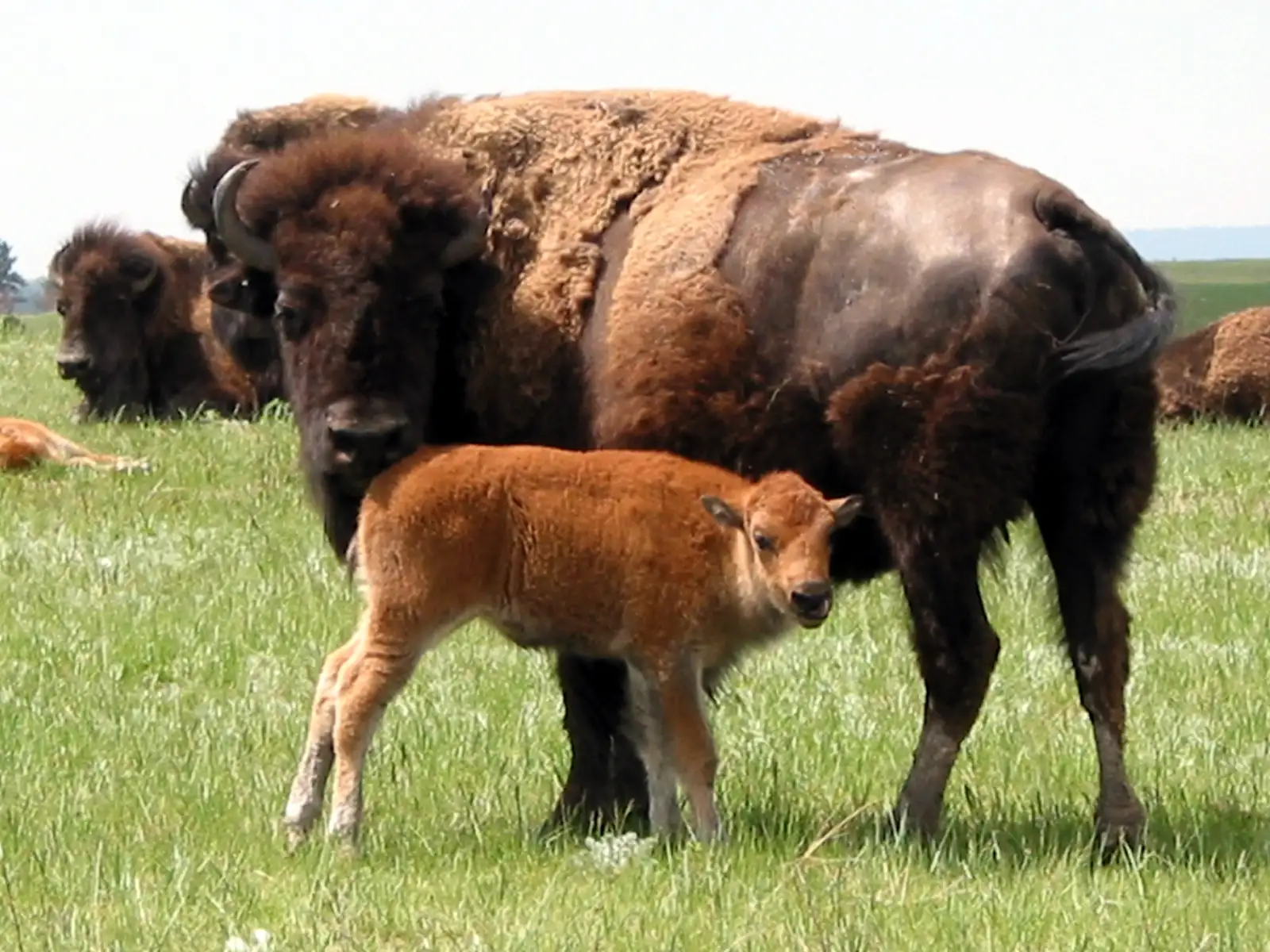
This is a place to see some of North America's most iconic wildlife against Black Hills scenery. Prairie and forest ecosystems meet here, so a range of animals share the ground.
Prairie dogs live in busy colonies called towns. Find them at work across the grassland.
In September and October, male elk bugle to challenge each other and attract females. It is a haunting sound, and a clear sign fall has come to the West. A ranger may lead a program to listen for them.
Birds are here year-round, and you can watch them anywhere in the park. For the widest variety, try Elk Mountain Campground and the visitor center.
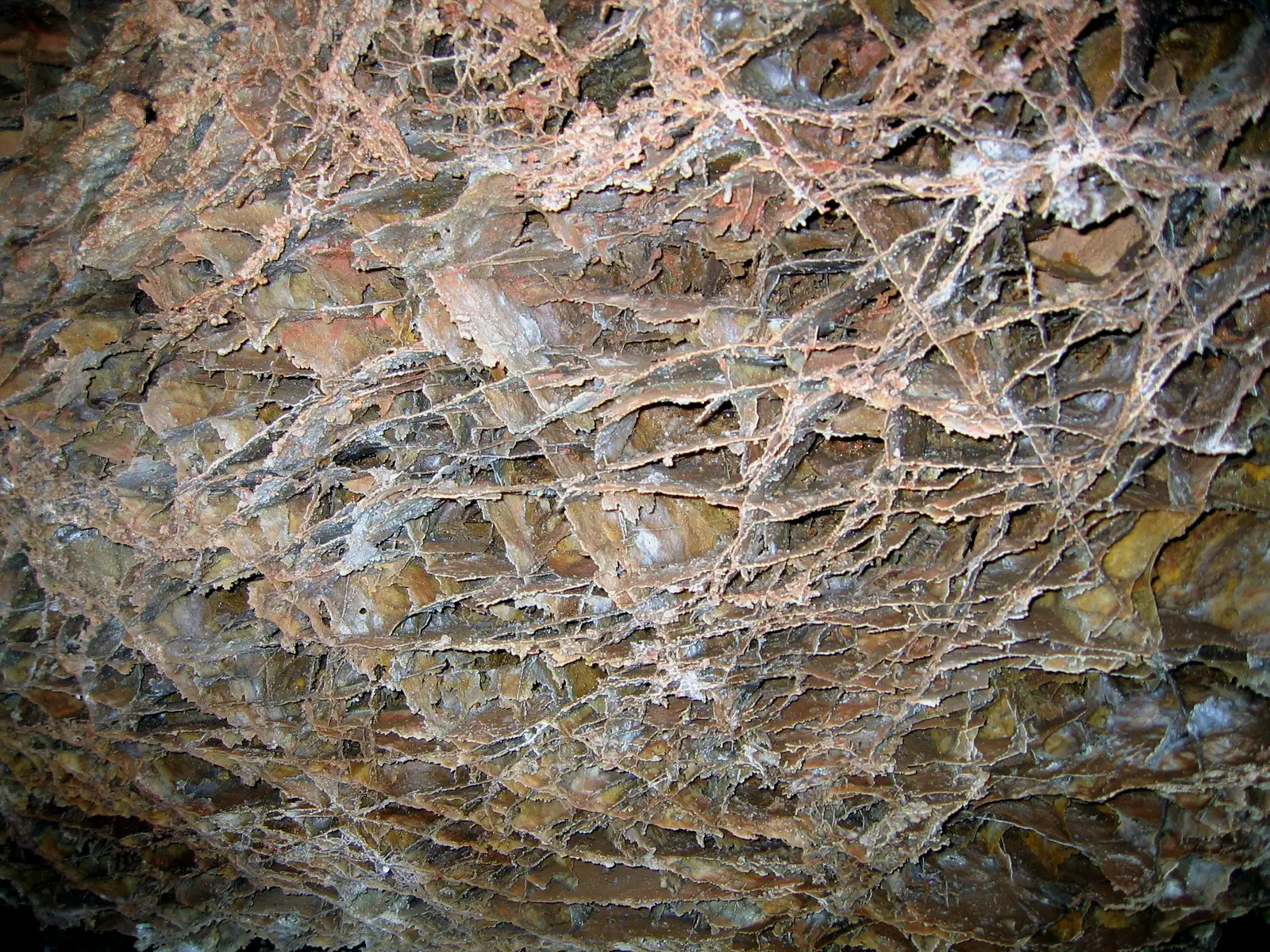
Below your feet sits one of the world's longest and most complex caves. A guided tour takes you in.
Kids of any age can earn a Junior Ranger badge. Work through the activity book, learn about the park, and take the pledge.
Details and current conditions live on nps.gov.
From the field
Common questions
When is the best time to visit Wind Cave National Park?
Fall and winter, roughly October through March, are the quietest and the easiest times to get a cave tour. Summer is peak season, when tours often sell out by early afternoon and highs climb into the 80s with afternoon thunderstorms; spring warms up but is the park's wettest stretch. If you want an easy tour ticket and thin crowds, aim for the shoulder or cold months.
Is Wind Cave National Park dog-friendly?
Yes, but leashed dogs are limited to a few areas. They are allowed on the Prairie Vista Trail and the Elk Mountain Campground Trail, in Elk Mountain Campground, and on park roads and parking lots. Pets are not permitted on other trails, in the backcountry, inside the cave, or on any guided tour or program.
What is the quietest trail at Wind Cave?
The East Bison Flats and Boland Ridge trails are the park's quietest, and the park recommends Boland Ridge specifically for solitude. Both sit on the far east side, well away from the visitor center, and Boland Ridge's trailhead is reached by a long unpaved road, which is why most visitors miss them.
How crowded does Wind Cave get?
Summer brings heavy crowds to the cave, with tours frequently selling out by early afternoon, while the surface trails and campground stay uncrowded. June through August is busiest; the visitor center opens at 8 a.m. and around 200 people often wait to buy tickets. The Elk Mountain Campground rarely fills, even in peak season.
Can you camp at Wind Cave National Park?
Yes, the park has one campground, Elk Mountain, with about 67 sites open year-round. Sites are reservable through Recreation.gov and cost $24 with water available (late May through September) or $12 when water is off. Backcountry camping is also allowed in the park's northern section with a free permit from the visitor center.
Where do you park at Wind Cave National Park?
Park at the Visitor Center lot, which is the hub for all cave tours and includes RV, bus, and accessible spaces near the elevator building. The lot rarely fills even in peak season, but cave tickets often sell out by midday, so arriving near the 8 a.m. summer opening is smart.
Is there an entrance fee?
No, there is no entrance fee to Wind Cave National Park. Cave tours require a paid ticket, and camping carries a nightly fee, but simply entering the park and using the surface trails is free.
What are the park hours?
The park grounds are open all day, every day, year-round. Visitor center hours and cave tour schedules change through the seasons, and snow or severe weather can limit access to some areas, especially in winter.