Virgin Islands National Park
St. John, U.S. Virgin Islands
Water is the whole point here
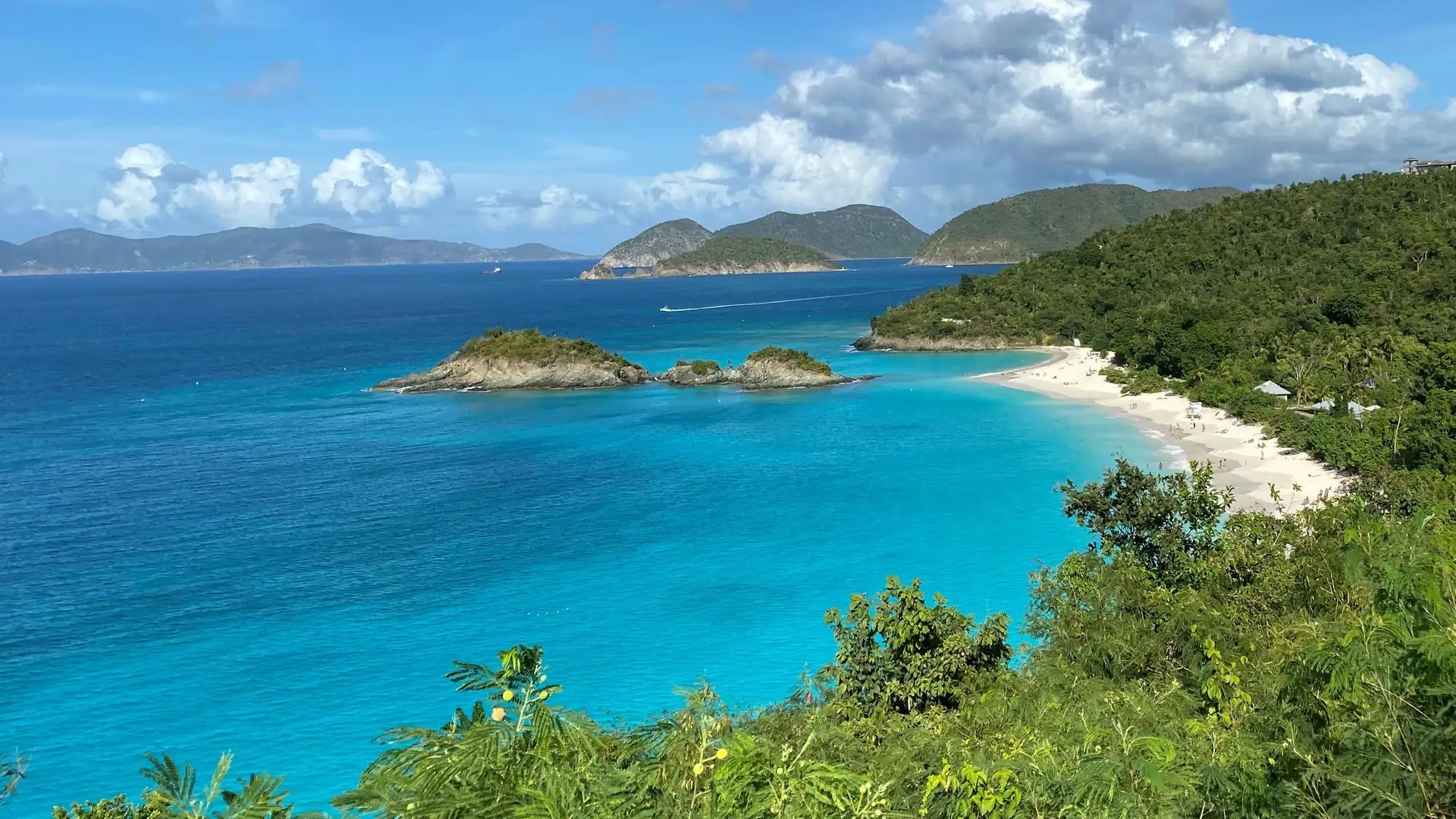
St. John is unusual among the places the Park Service protects: two-thirds of the whole island sits inside Virgin Islands National Park. That means water is never far away. White-sand beaches, coral reefs just off the shore, salt ponds, mangroves, and the tradewinds moving over all of it.
Most people come for the snorkeling and the beaches, and the water does more than photograph well. A slow walk along the sand, or an hour spent floating over a reef, tends to pull attention outward and off whatever you carried in. You do not have to be an athlete to get it. The shoreline is the destination.
In an experiment on a real Mediterranean beach, office workers who took a 20-minute shoreline walk reported better mood, more vitality, and higher mental wellbeing than when the same people walked a city route or rested indoors. That was a short, ordinary visit rather than a lifetime spent living by the sea, which is exactly what St. John hands you: coast you can reach and walk in a single afternoon.
The science: In an experiment on a real Mediterranean beach, office workers who took a 20-minute shoreline walk reported better mood, more vitality, and higher mental wellbeing than when the same people walked a city route or rested indoors. That was a short, ordinary coastal visit rather than a lifetime near water, and it maps directly onto how St. John works: reachable shoreline you can walk in an afternoon rather than a landmark you have to conquer.
Vert, Gascon, Ranzani, Márquez, Triguero-Mas, Carrasco-Turigas et al. (2020) · Environmental Research
Seasonal guide
Crowd levels use NPS monthly visitation, averaged 2015–2025. Excludes 2020 (COVID anomaly) and 2026 (partial year). Temperatures are NOAA climate normals from a station 14.8 miles away. Busy does not mean bad. If a peak month is your only window, the season notes below tell you how to work it.
Winter is the dry season and the busiest stretch, with highs in the mid-80s, lows near 73, and stronger tradewinds. Expect north shore parking to fill by mid-morning, so arrive early or take a safari taxi from Cruz Bay. Watch forecasts for occasional winter swell events that can churn up the water.
March and April stay dry and remain peak season, while May quiets down as highs climb toward 87. Crowds thin noticeably by late spring, making it a good window if you want warm, mostly settled weather with fewer people. Book beach parking or camping ahead in March, the single busiest month.
Summer brings the warmest days, with highs near 90 and higher humidity, but crowds drop sharply through July and August. Tradewinds are lighter and rain picks up, so plan water time for mornings and keep an eye on the Atlantic hurricane season, which runs June through November. Snorkeling is often calm and the beaches feel far emptier.
Fall is the quietest and wettest time, with September and October seeing the fewest visitors and the most rain, over five inches a month. Highs hold in the high 80s. This is peak hurricane season, so check forecasts often and stay flexible, but you will trade that risk for empty beaches and the calmest crowds of the year.
This month in the park
Timing changes everything out here. Pick a month to see when the light turns golden, which nights stay darkest for stargazing, and what visitors have actually recorded in bloom and on the move. The new-moon night is the one to plan a sky-watching evening around.
January 2027
In bloom · 18 species on record
- ❀ Tropical milkweed 3 sightings
- ❀ Butterfly pea 2 sightings
- ❀ Skyblue Clustervine 2 sightings
- ❀ Ipomoea repanda 2 sightings
- ❀ Coral Vine 1 sightings
Wildlife on the move · 248 species on record
- Caribbean Land Hermit Crab 52 sightings
- Pearly-eyed Thrasher 33 sightings
- Crested Anole 20 sightings
- White-tailed Deer 20 sightings
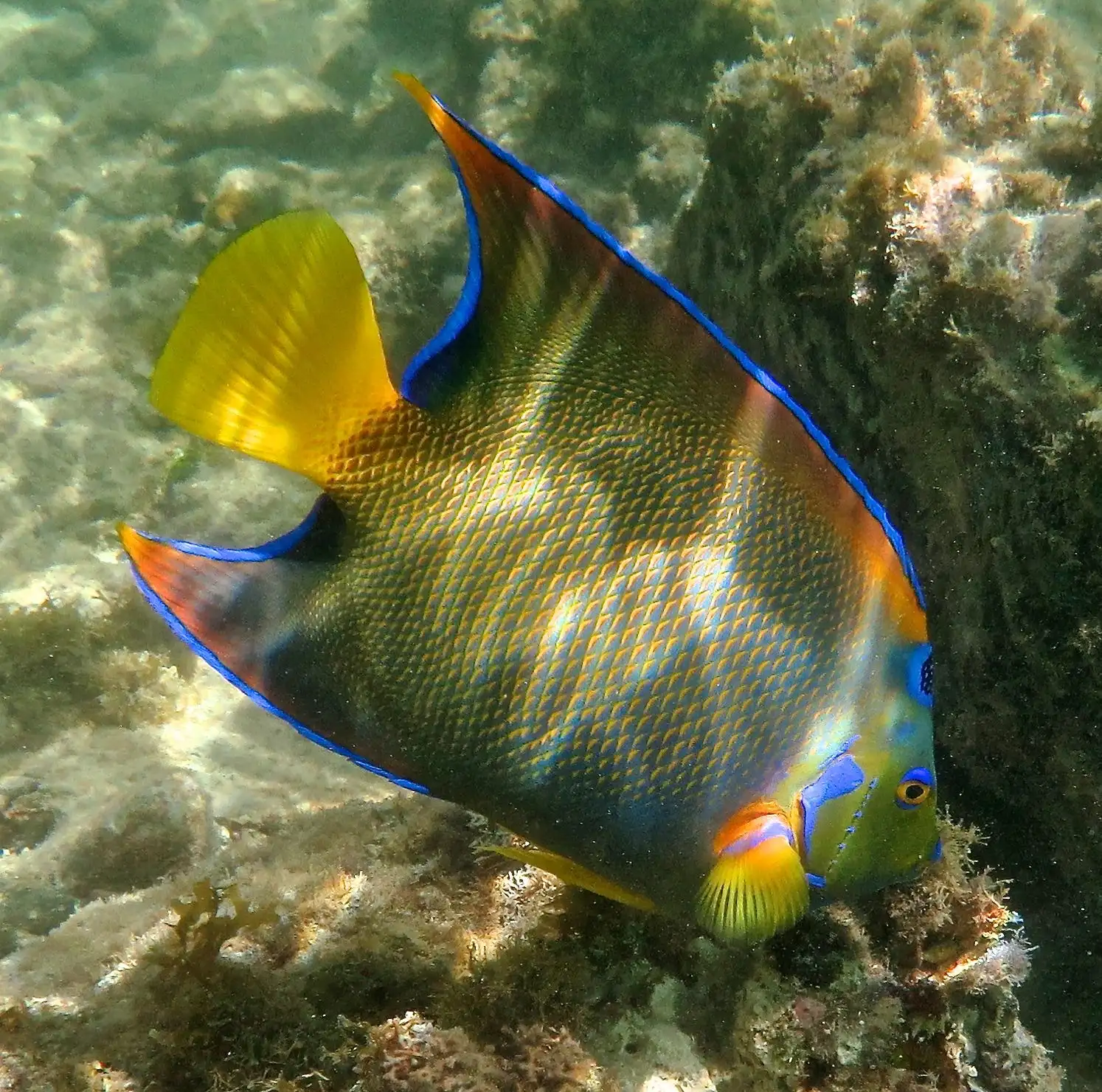
- Atlantic Blue Tang 16 sightings
February 2027
In bloom · 12 species on record
- ❀ Tropical milkweed 2 sightings
- ❀ Air Plant 2 sightings
- ❀ Orangefruit Passionflower 2 sightings
- ❀ Yellow trumpet flower 1 sightings
- ❀ Bellyache Bush 1 sightings
Wildlife on the move · 290 species on record
- Caribbean Land Hermit Crab 40 sightings
- Atlantic Blue Tang 28 sightings
- Pearly-eyed Thrasher 23 sightings
- Green Iguana 20 sightings
- White-tailed Deer 15 sightings
March 2027
In bloom · 25 species on record
- ❀ Bellyache Bush 5 sightings
- ❀ Tropical milkweed 2 sightings
- ❀ Piñuela 2 sightings
- ❀ Yellow trumpet flower 1 sightings
- ❀ Coral Vine 1 sightings
Wildlife on the move · 365 species on record
- Caribbean Land Hermit Crab 44 sightings
- Pearly-eyed Thrasher 35 sightings
- Caribbean Reef Squid 28 sightings
- Atlantic Sergeant Major 21 sightings
- Caribbean Bluehead Wrasse 18 sightings
April 2027
In bloom · 14 species on record
- ❀ Bellyache Bush 3 sightings
- ❀ Mexican prickly poppy 2 sightings
- ❀ Piñuela 2 sightings
- ❀ Poitea florida 2 sightings
- ❀ Tropical milkweed 1 sightings
Wildlife on the move · 216 species on record
- Caribbean Land Hermit Crab 25 sightings
- White-tailed Deer 20 sightings
- Crested Anole 19 sightings
- Tree Millipede 17 sightings
- Pearly-eyed Thrasher 16 sightings
May 2027
In bloom · 40 species on record
- ❀ Piñuela 4 sightings
- ❀ Pink Trumpet-tree 2 sightings
- ❀ Bellyache Bush 2 sightings
- ❀ Butterfly pea 2 sightings
- ❀ Skyblue Clustervine 2 sightings
Wildlife on the move · 227 species on record
- Pearly-eyed Thrasher 19 sightings
- White-tailed Deer 19 sightings
- Crested Anole 17 sightings
- Green Iguana 14 sightings
- French Grunt 13 sightings
June 2027
In bloom · 10 species on record
- ❀ Flamboyant 1 sightings
- ❀ Tropical milkweed 1 sightings
- ❀ Indian tulip tree 1 sightings
- ❀ Piñuela 1 sightings
- ❀ Pink bauhinia 1 sightings
Wildlife on the move · 209 species on record
- Pearly-eyed Thrasher 20 sightings
- Crested Anole 20 sightings
- White-tailed Deer 20 sightings
- Caribbean Land Hermit Crab 16 sightings
- Red Cushion Sea Star 15 sightings
July 2026
In bloom · 10 species on record
- ❀ Pink Trumpet-tree 1 sightings
- ❀ Flamboyant 1 sightings
- ❀ Indian tulip tree 1 sightings
- ❀ Bellyache Bush 1 sightings
- ❀ Sea grape 1 sightings
Wildlife on the move · 249 species on record
- Caribbean Land Hermit Crab 22 sightings
- Atlantic Blue Tang 18 sightings
- Pearly-eyed Thrasher 16 sightings
- Green Iguana 13 sightings
- St. Andrew's Cotton Stainer 11 sightings
August 2026
In bloom · 5 species on record
- ❀ Nosegaytree 4 sightings
- ❀ Flamboyant 3 sightings
- ❀ Noni 2 sightings
- ❀ Pink bauhinia 1 sightings
- ❀ Monarch Amazonvine 1 sightings
Wildlife on the move · 209 species on record
- Crested Anole 15 sightings
- Caribbean Land Hermit Crab 12 sightings
- White-tailed Deer 10 sightings
- Pearly-eyed Thrasher 9 sightings
- Slippery Dick 9 sightings
September 2026
In bloom · 3 species on record
- ❀ Flamboyant 1 sightings
- ❀ Sea grape 1 sightings
- ❀ Tree of Little Stars 1 sightings
Wildlife on the move · 39 species on record
- Caribbean Land Hermit Crab 7 sightings
- Stoplight Parrotfish 4 sightings
- Donkey 4 sightings
- White-tailed Deer 3 sightings
- Tree Millipede 3 sightings
October 2026
Wildlife on the move · 78 species on record
- Green Iguana 4 sightings
- Crested Anole 4 sightings
- White-tailed Deer 4 sightings
- Atlantic Blue Tang 4 sightings
- Caribbean Land Hermit Crab 4 sightings
November 2026
In bloom · 4 species on record
- ❀ Indian tulip tree 2 sightings
- ❀ Skyblue Clustervine 2 sightings
- ❀ Bitter Melon 1 sightings
- ❀ Harlequin dancing-lady orchid 1 sightings
Wildlife on the move · 160 species on record
- Caribbean Land Hermit Crab 23 sightings
- Tetrio Sphinx 15 sightings
- Cylindera suturalis 12 sightings
- Tree Millipede 11 sightings
- Pearly-eyed Thrasher 10 sightings
December 2026
In bloom · 4 species on record
- ❀ Indian tulip tree 2 sightings
- ❀ Skyblue Clustervine 1 sightings
- ❀ Ipomoea repanda 1 sightings
- ❀ Poitea florida 1 sightings
Wildlife on the move · 230 species on record
- Caribbean Land Hermit Crab 26 sightings
- Pearly-eyed Thrasher 14 sightings
- White-cheeked Pintail 13 sightings
- Cuban Tree Frog 13 sightings
- St. Andrew's Cotton Stainer 12 sightings
Sun and moon times are computed for the park's coordinates from standard NOAA solar equations and cross-checked against the U.S. Naval Observatory. Species lists are research-grade community observations for Virgin Islands National Park via iNaturalist, retrieved July 2026; sighting counts are all-time records for that calendar month.
Don’t wait for Virgin Islands.
One big trip a year isn’t what changes how you feel — the small stuff in between is. The 7-Day Nature Reset is one tiny outdoor practice a day, wherever you already are. Day one takes 60 seconds.
No spam. No noise. Just nature.
Day 1 is landing in your inbox right now — go say hi.
Sleep nearby
Places to stay around Cruz Bay, U.S. Virgin Islands. Pan the map to trade a shorter drive for a quieter night.
Camping inside the park books through Recreation.gov and is listed separately.
The map is provided by Stay22. If you book through it we may earn a commission at no cost to you, which helps keep Happier Outdoors running. It never changes what we recommend.
Activities & experiences
Beyond the trails
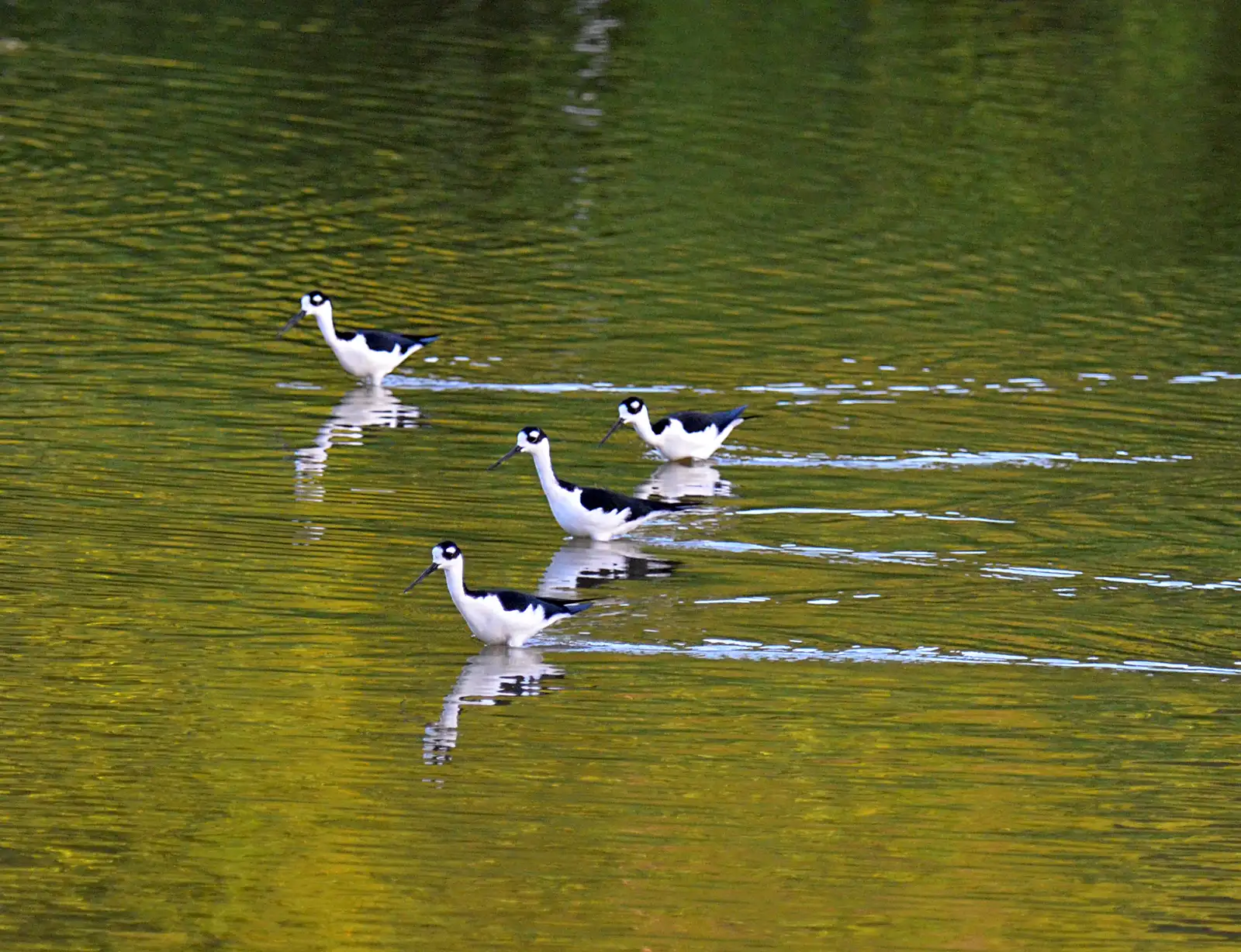
Walk the Francis Bay Trail and its nearby salt pond with a park ranger. You will look for the resident and migratory birds that live around the bay.
Reef Bay Trail is a strenuous hike past some of the oldest and tallest trees on the island. Along the way you pass Danish sugar plantation ruins, stone walls from cattle grazing, and ancient rock carvings left by the pre-Columbian Taino. In rainy season the waterfall can be spectacular.
Come to Maho Bay if you want to see sea turtles.
An underwater trail at Trunk Bay guides you through the coral reef and the animals that live there.
Tour the Annaberg Sugar Plantation on your own and learn about the era when sugar ruled the island. Volunteer docents are often on hand weekdays to answer questions, and most weekdays you can visit the small country garden and learn traditional plant uses with Mr. Charles.
Cinnamon Bay Plantation was established in 1717 and became one of the earliest and most prosperous sugar plantations on the island. In 1903 the Danish West India Plantation Company bought it and grew bay rum trees for bay leaf oil, used in the colognes and lotions known as St. John Bay Rum.
Details and current conditions live on nps.gov.
From the field
Common questions
When is the best time to visit Virgin Islands National Park?
The best time depends on whether you want dry weather or thin crowds, since the two do not line up here. December through May is the driest stretch and also the busiest, while September and October are the quietest months but fall in the wetter, hurricane-season part of the year. Temperatures barely move, with highs in the mid-80s all winter and high-80s in summer.
Is Virgin Islands National Park dog-friendly?
Yes, leashed dogs are allowed on several trails, including Reef Bay, Yawzi Point, and the Cinnamon Bay trails. Pets are not permitted on any park beach, on the Trunk Bay Underwater Snorkel Trail, or inside the visitor center, and leashes must be no longer than six feet.
What is the quietest trail in Virgin Islands National Park?
Visitors consistently point to the Dennis Bay Trail to Oppenheimer Beach and the Lind Point Trail to Solomon Bay as the least crowded, because both require a short walk to reach beaches that drive-up tourists cannot access. Hikers also describe the long, remote L'Esperance Trail and the Ram Head area near Salt Pond Bay as quieter alternatives thanks to their distance.
How crowded does Virgin Islands National Park get?
The park draws roughly 344,000 visitors a year, with the heaviest crowds from December through May as people escape colder climates. September and October are by far the quietest, with monthly visitation dropping to a fraction of the winter peak. The Cruz Bay Visitor Center, Cinnamon Bay, and the boat and ferry areas concentrate the most people.
Is Virgin Islands National Park accessible for wheelchairs?
The Cruz Bay Visitor Center has a wheelchair-accessible entrance, parking, and restrooms, and Cinnamon Bay Beach is listed as wheelchair accessible with accessible restrooms. The park also loans beach wheelchairs to help with sand access, but most hiking trails are rough, rocky, and slippery when wet, so they are not wheelchair accessible.
Can you camp at Virgin Islands National Park?
Yes, but camping is only allowed at Cinnamon Bay Beach and Campground, the park's sole designated campground. Reservations are required and are handled through Cinnamon Bay's own booking system rather than Recreation.gov, so you contact the campground directly to book and see amenities. Recreation.gov does list a separate first-come overnight boat mooring, which is not land camping.
Where do you park at Virgin Islands National Park?
Parking is very limited, and lots at the popular north shore beaches often fill by 10 a.m. during the peak season from November through April. Park only in designated areas near the visitor center or ferry docks to avoid fines and towing, and consider a safari taxi from Cruz Bay, which the park strongly recommends over driving.
Is there an entrance fee for Virgin Islands National Park?
No, there is no entrance fee or park pass required for general access. Special use permits are needed for specific activities such as weddings, beach picnics, and commercial tours, and camping at Cinnamon Bay must be reserved separately.
What are the visitor center hours?
The Cruz Bay Visitor Center and store are open 8:15 a.m. to 4 p.m. Monday through Thursday and 8:15 a.m. to 1:30 p.m. on Friday. It is closed weekends, the Fourth of July, Thanksgiving, and Christmas, though the park itself is always open.