Sequoia National Park
Three Rivers, California · West
Under trees that make you small
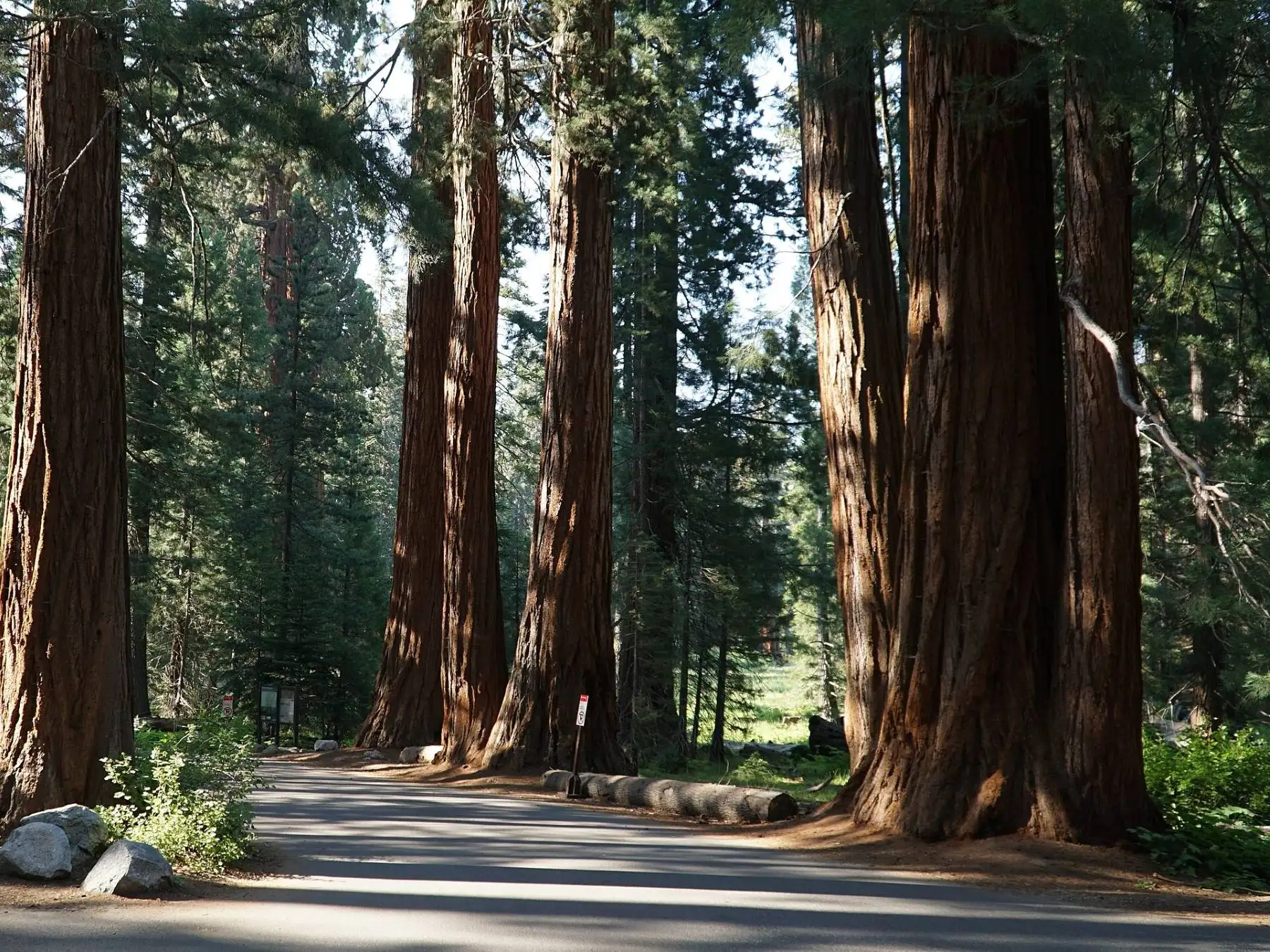
Sequoia protects the largest trees on Earth, and the encounter with them is unlike anything a canyon or a peak delivers. The giant sequoias in the Giant Forest are living, ancient, and enormous all at once, and the General Sherman Tree draws a steady line of people who walk up simply to stand at its base. You look up, and up, and the scale keeps going. That upward pull is the whole experience.
Psychologists Piff and colleagues found across a series of studies that awe reliably shrinks self-focus and makes people more generous and less absorbed in their own worries. A tree far older and larger than anything in your own life is a dependable trigger for exactly that small-self feeling. Standing beneath one, the running list in your head tends to go quiet, not because you willed it but because your attention got pulled outward.
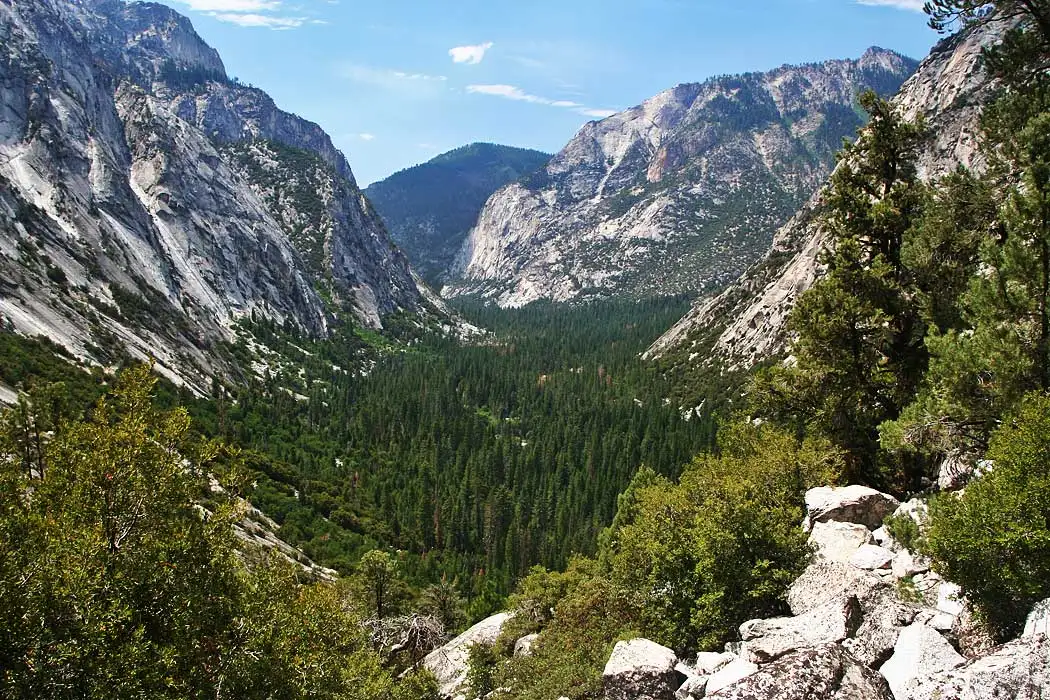
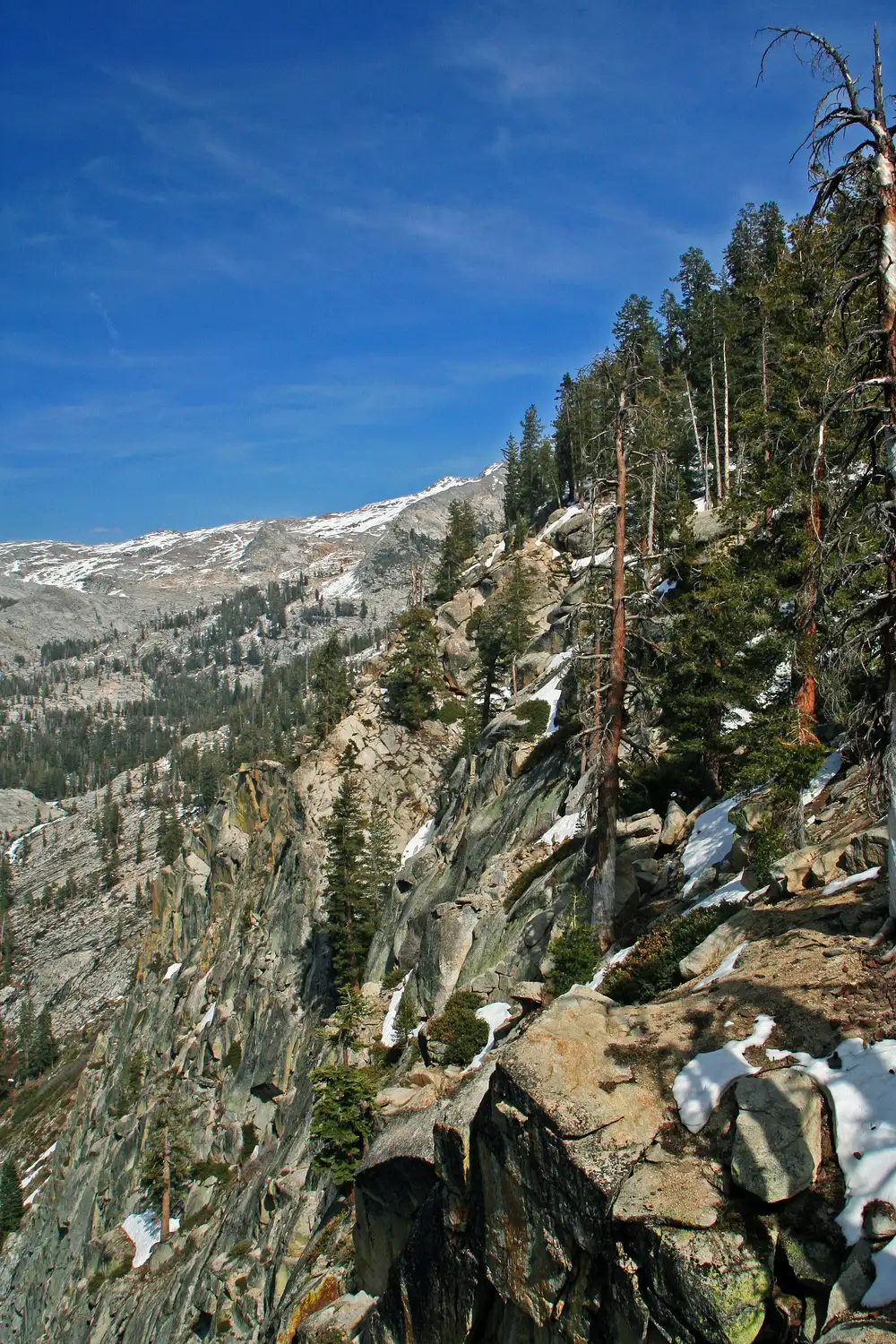
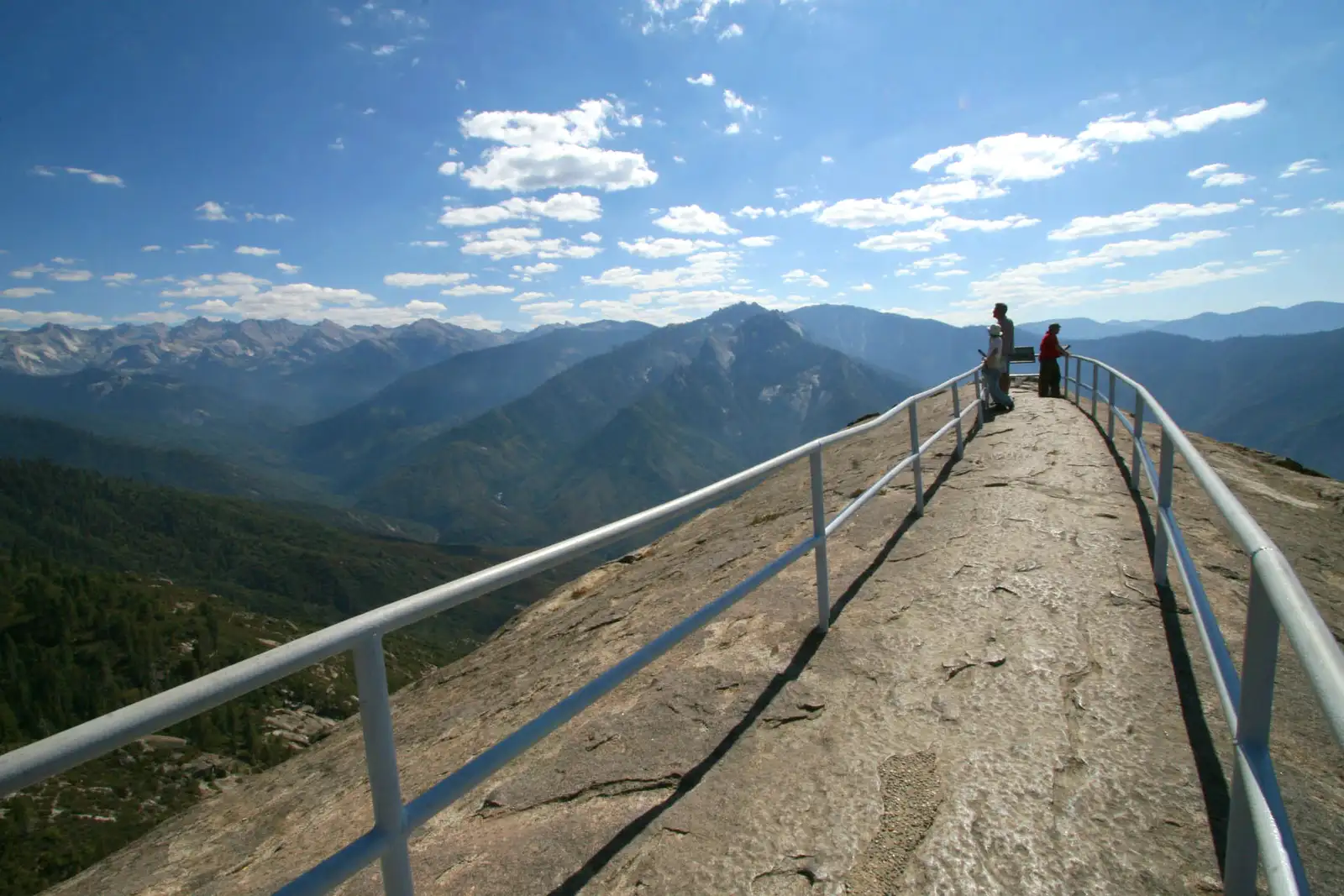
The park stretches far past the groves, from hot foothills up to high mountain passes that hold snow into summer, so the reset is available at more than one altitude. The Giant Forest holds the marquee trees, but the quieter meadows and side trails around the grove deliver the same craned-neck feeling with far fewer people.
The science: Psychologists Piff and colleagues found across a series of studies that experiences of awe reduced self-focus and increased generosity toward others. Sequoia's giant trees are one of the most reliable awe triggers in any park, because you are standing beside a living thing older and larger than your whole frame of reference. That is what pulls attention off your own concerns and quiets the mind's chatter.
Piff, Dietze, Feinberg, Stancato & Keltner (2015) · Journal of Personality and Social Psychology
Seasonal guide
Crowd levels use NPS monthly visitation, averaged 2015–2025. Excludes 2020 (COVID anomaly) and 2026 (partial year). Temperatures are NOAA climate normals from a station 3.5 miles away. Busy does not mean bad. If a peak month is your only window, the season notes below tell you how to work it.
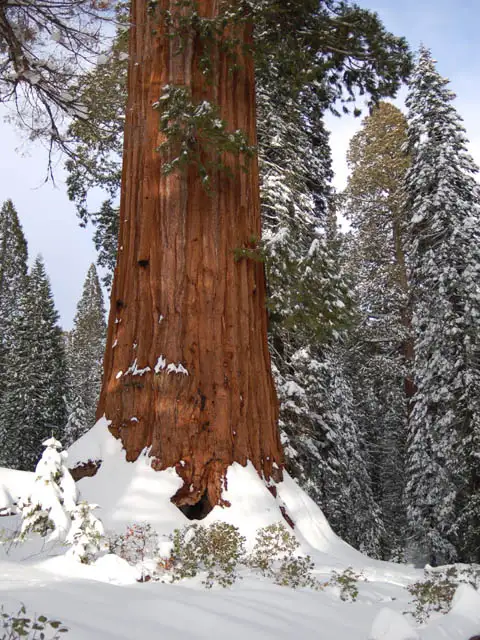
Winter is the quietest season, with highs in the upper 30s to low 40s and lows near 17F in the sequoia groves. Snow reaches the groves, chains are often required, and the Generals Highway between the parks frequently closes. Come prepared for winter driving and you get snowshoeing, snow play, and the giant trees under snow with almost no one around.
Spring stays fairly quiet through March and April before May picks up, with grove highs climbing from the mid-40s to upper 50s as snow melts at higher elevations. The hot mountain passes still hold snow, so the foothills are the best bet for hiking early in the season. Bring layers, since conditions can swing between wintry and warm.
Summer is peak season, and it is also when the sequoia groves are most comfortable, with grove highs in the upper 60s to mid-70s while the foothills turn hot and dry. Parking fills by mid-morning at popular spots, so start at dawn, use the free Giant Forest shuttle, and save the exposed lower trails for cooler hours. This is the busiest window but also the most reliable weather.
Fall stays busy through September and October before quieting sharply in November, with grove highs easing from the low 70s into the 40s. Conditions can range from summer-like to winter-like, and the first snows can arrive by late fall. September and October offer thinner crowds with mild days, while November rewards anyone ready for cold and possible chain requirements.
This month in the park
Timing changes everything out here. Pick a month to see when the light turns golden, which nights stay darkest for stargazing, and what visitors have actually recorded in bloom and on the move. The new-moon night is the one to plan a sky-watching evening around.
January 2027
In bloom · 13 species on record
- ❀ California bay 2 sightings
- ❀ Bermuda buttercup 2 sightings
- ❀ Sierra Gooseberry 2 sightings
- ❀ Sand fringepod 2 sightings
- ❀ Shining Pepperweed 1 sightings
Wildlife on the move · 50 species on record
- Mule Deer 16 sightings
- Western Bluebird 5 sightings
- White-headed Woodpecker 4 sightings
- American Black Bear 3 sightings
- Douglas's Squirrel 3 sightings
February 2027
In bloom · 17 species on record
- ❀ Sierra Gooseberry 3 sightings
- ❀ Redstem Stork's-bill 2 sightings
- ❀ Common Vetch 2 sightings
- ❀ Rock Bush Monkeyflower 2 sightings
- ❀ California bay 1 sightings
Wildlife on the move · 73 species on record
- Mule Deer 12 sightings
- Common Raven 6 sightings
- Sierra Newt 6 sightings
- Pacific chorus frog 5 sightings
- Wild Turkey 4 sightings
March 2027
In bloom · 29 species on record
- ❀ Redstem Stork's-bill 7 sightings
- ❀ Sierra Gooseberry 7 sightings
- ❀ Mediterranean Stork's-bill 7 sightings
- ❀ Western Redbud 6 sightings
- ❀ Pacific hound's tongue 6 sightings
Wildlife on the move · 124 species on record
- Wild Turkey 28 sightings
- Mule Deer 19 sightings
- Western Fence Lizard 14 sightings
- Echo Azure 10 sightings
- Sierra Newt 10 sightings
April 2027
In bloom · 45 species on record
- ❀ Purple Fairy-lantern 24 sightings
- ❀ Ithuriel's Spear 13 sightings
- ❀ Prettyface 13 sightings
- ❀ Tomcat clover 11 sightings
- ❀ Shy monkeyflower 11 sightings
Wildlife on the move · 155 species on record
- Yellow-bellied Marmot 32 sightings
- Mule Deer 28 sightings
- Dark-eyed Junco 27 sightings
- Western Fence Lizard 27 sightings
- American Robin 18 sightings
May 2027
In bloom · 74 species on record
- ❀ Chaparral yucca 39 sightings
- ❀ Purple Fairy-lantern 23 sightings
- ❀ Pacific Dogwood 17 sightings
- ❀ Greenleaf manzanita 14 sightings
- ❀ Rock Bush Monkeyflower 14 sightings
Wildlife on the move · 228 species on record
- Yellow-bellied Marmot 99 sightings
- Mule Deer 95 sightings
- American Black Bear 79 sightings
- Western Fence Lizard 74 sightings
- Common Golden-mantled Ground Squirrel 37 sightings
June 2027
In bloom · 135 species on record
- ❀ Leichtlin's Mariposa Lily 36 sightings
- ❀ Snowplant 28 sightings
- ❀ Western columbine 20 sightings
- ❀ Whiskerbrush 17 sightings
- ❀ Mountain Pride 15 sightings
Wildlife on the move · 388 species on record
- Yellow-bellied Marmot 223 sightings
- Mule Deer 166 sightings
- American Black Bear 145 sightings
- Common Golden-mantled Ground Squirrel 96 sightings
- Western Fence Lizard 83 sightings
July 2026
In bloom · 145 species on record
- ❀ Kelley's Lily 64 sightings
- ❀ Leichtlin's Mariposa Lily 42 sightings
- ❀ Western columbine 36 sightings
- ❀ California fuchsia 16 sightings
- ❀ Little Prince's Pine 15 sightings
Wildlife on the move · 389 species on record
- Yellow-bellied Marmot 194 sightings
- Mule Deer 185 sightings
- American Black Bear 148 sightings
- Common Golden-mantled Ground Squirrel 94 sightings
- Sooty Grouse 61 sightings
August 2026
In bloom · 98 species on record
- ❀ California fuchsia 30 sightings
- ❀ Kelley's Lily 16 sightings
- ❀ Western columbine 13 sightings
- ❀ Fireweed 10 sightings
- ❀ Pearly everlasting 8 sightings
Wildlife on the move · 326 species on record
- Mule Deer 141 sightings
- Yellow-bellied Marmot 137 sightings
- American Black Bear 134 sightings
- Common Golden-mantled Ground Squirrel 79 sightings
- Western Fence Lizard 49 sightings
September 2026
In bloom · 55 species on record
- ❀ California fuchsia 28 sightings
- ❀ Western columbine 4 sightings
- ❀ Pearly everlasting 4 sightings
- ❀ Violet draperia 4 sightings
- ❀ Musk monkeyflower 4 sightings
Wildlife on the move · 238 species on record
- Mule Deer 105 sightings
- American Black Bear 75 sightings
- Yellow-bellied Marmot 68 sightings
- Common Golden-mantled Ground Squirrel 61 sightings
- Douglas's Squirrel 44 sightings
October 2026
In bloom · 10 species on record
- ❀ California fuchsia 7 sightings
- ❀ Sacred Datura 3 sightings
- ❀ White hawkweed 2 sightings
- ❀ Bull Thistle 1 sightings
- ❀ Bush Poppy 1 sightings
Wildlife on the move · 177 species on record
- American Black Bear 43 sightings
- Mule Deer 37 sightings
- Brook Trout 26 sightings
- Common Golden-mantled Ground Squirrel 21 sightings
- Douglas's Squirrel 19 sightings
November 2026
In bloom · 8 species on record
- ❀ California fuchsia 3 sightings
- ❀ White-tipped clover 1 sightings
- ❀ Wedgeleaf Goldenbush 1 sightings
- ❀ Golden eardrops 1 sightings
- ❀ Chaparral honeysuckle 1 sightings
Wildlife on the move · 97 species on record
- Mule Deer 29 sightings
- American Black Bear 13 sightings
- Douglas's Squirrel 12 sightings
- White-headed Woodpecker 8 sightings
- Common Raven 7 sightings
December 2026
In bloom · 5 species on record
- ❀ California bay 3 sightings
- ❀ Rock Bush Monkeyflower 2 sightings
- ❀ Western columbine 1 sightings
- ❀ Whiteleaf Manzanita 1 sightings
- ❀ Wedgeleaf Goldenbush 1 sightings
Wildlife on the move · 82 species on record
- Mule Deer 22 sightings
- California Towhee 9 sightings
- Common Raven 6 sightings
- Acorn Woodpecker 6 sightings
- American Black Bear 5 sightings
Sun and moon times are computed for the park's coordinates from standard NOAA solar equations and cross-checked against the U.S. Naval Observatory. Species lists are research-grade community observations for Sequoia National Park, US, CA via iNaturalist, retrieved July 2026; sighting counts are all-time records for that calendar month.
Don’t wait for Sequoia.
One big trip a year isn’t what changes how you feel — the small stuff in between is. The 7-Day Nature Reset is one tiny outdoor practice a day, wherever you already are. Day one takes 60 seconds.
No spam. No noise. Just nature.
Day 1 is landing in your inbox right now — go say hi.
Sleep nearby
Places to stay around Three Rivers, California. Pan the map to trade a shorter drive for a quieter night.
Camping inside the park books through Recreation.gov and is listed separately.
The map is provided by Stay22. If you book through it we may earn a commission at no cost to you, which helps keep Happier Outdoors running. It never changes what we recommend.
Let someone else lead
A guide is worth it when the terrain needs one, or when you would rather look around than navigate. These are the highest-rated trips running around Sequoia, not the cheapest.
 Free cancellation
 Sequoia National Park Tour from Wuksachi Lodge
- Runs year-round
- Up to 10 per booking
- Stroller accessible
 Free cancellation
 Transformative Sequoia Day Hike
- Runs year-round
- Up to 7 per booking
- Wheelchair accessible
 Free cancellation
 Sequoia National Park Small-Group Tour from Three Rivers
- Runs year-round
- Up to 10 per booking
- Stroller accessible
 Free cancellation
 Private Guided Hiking Tour - Sequoia National Park
- Private tour, up to 15
- Wheelchair accessible
Tours are listed by Viator; booking happens there. If you book we may earn a commission at no cost to you, which helps keep Happier Outdoors running. It never changes what we list. Prices checked September 2026 and can change.
Activities & experiences
Beyond the trails
Wildlife shows up often along the Big Trees Trail. It's an easy, accessible loop from the Giant Forest Museum that circles a meadow ringed with mature sequoias.
The Crescent Meadow trail runs through the Giant Forest. Keep your eyes and ears open for wildlife as you go.
Watch and listen for wildlife along the Tokopah Falls trail.
People have been driving through Tunnel Log since 1935. You can too, straight through a fallen sequoia.
Ranger-guided snowshoe walks are a good way to explore snowy trails. Programs usually run December through March, as long as there's at least 8 inches of snow on the ground.
Walk up close to the big trees in winter, including the largest tree on Earth, the General Sherman.
Details and current conditions live on nps.gov.
From the field
Common questions
When is the best time to visit Sequoia National Park?
Late spring and early fall hit the sweet spot, with the sequoia groves comfortable and the crowds lighter than midsummer. Summer brings the most pleasant grove temperatures but also peak visitation and full parking lots, while winter blankets the groves in snow and often triggers tire-chain requirements.
Is Sequoia National Park dog-friendly?
No, pets are not allowed on any trails in Sequoia, including the paved General Sherman Tree Trail. Leashed pets on a six-foot leash are welcome in campgrounds, picnic areas, parking lots, and on paved roads, and service dogs are permitted everywhere.
What is the quietest trail in Sequoia National Park?
Local hikers and visitors often point to Little Baldy, Sunset Rock, the Crescent Meadow Loop, the Wuksachi Trail, and the remote Ladybug Trail as the least crowded. These sit away from the Giant Forest hub and the shuttle routes, so most people never reach them.
How crowded does Sequoia National Park get?
Sequoia and Kings Canyon together drew a record 2.01 million visitors in 2024, and it gets busiest June through August and on holiday weekends. Mid-morning to early afternoon is the most crowded, so arriving before 9 a.m. or after 3 p.m. helps you skip the entrance lines.
Is Sequoia National Park accessible for wheelchairs?
Yes, Sequoia offers several wheelchair-accessible paved trails, accessible shuttles, and accessible visitor centers. The 0.2-mile accessible path to the General Sherman Tree and the paved Big Trees Trail are both usable, and free manual wheelchairs can be loaned at the Giant Forest Museum and the Lodgepole and Kings Canyon visitor centers.
Can you camp at Sequoia National Park?
Yes, Sequoia has several reservable campgrounds including Lodgepole, Dorst Creek, Potwisha, Cold Springs, Atwell Mill, and Buckeye Flat. All sites are reservation-only through Recreation.gov, with no first-come, first-served options in the park.
Where do you park at Sequoia National Park?
Parking fills early in summer, with the Giant Forest Museum lot usually full by about 10 a.m. and General Sherman by around noon. Park at the larger Wolverton or Lodgepole lots and ride the free Giant Forest shuttle, or come early morning or late afternoon.