
Saguaro National Park
Tucson, Arizona · Southwest
Standing among cacti eases the body
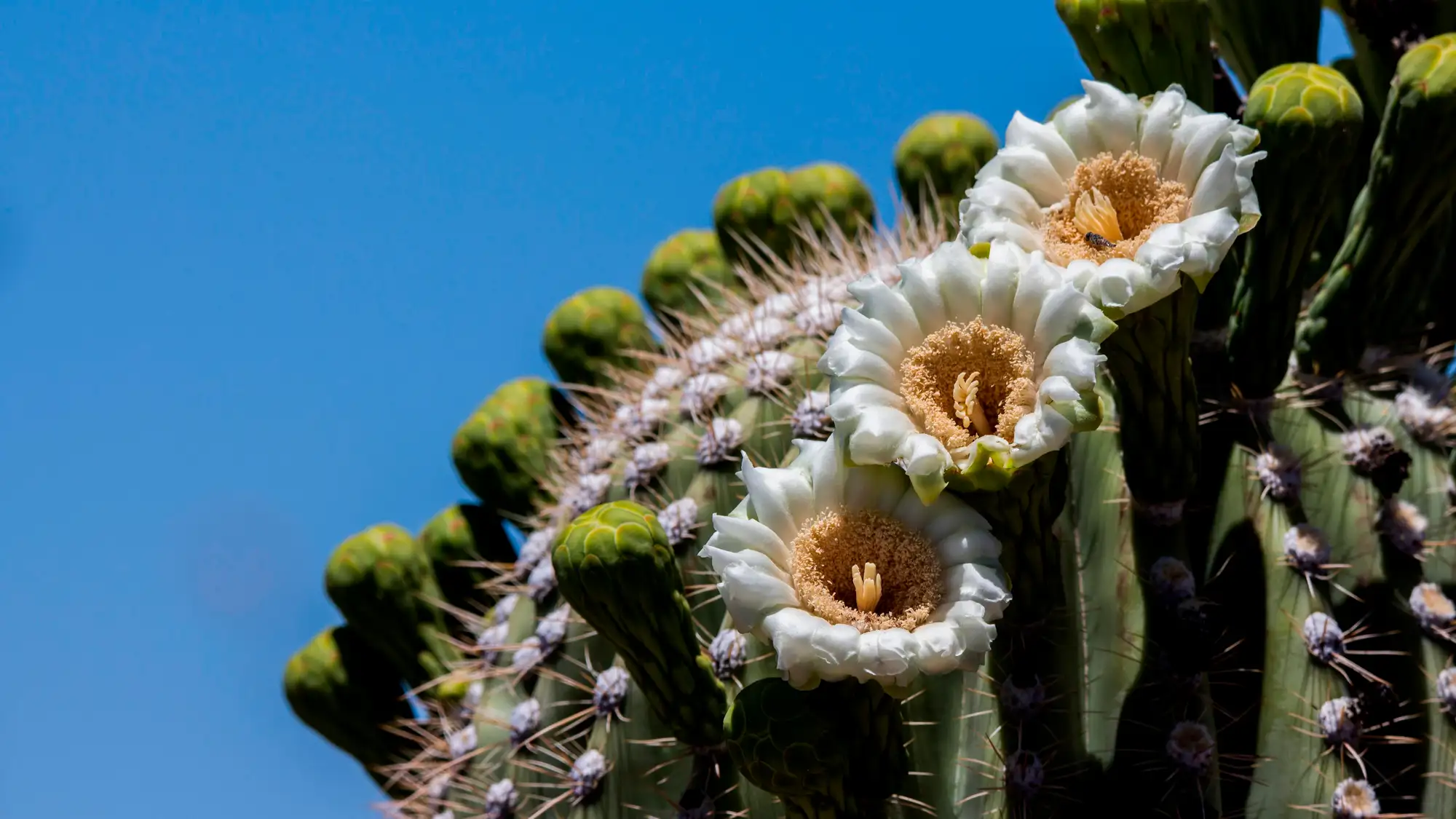
Saguaro protects the largest cacti in the country, split into two districts on the east and west edges of Tucson. This is Sonoran Desert: wide open ground, sparse vegetation, and stands of giant saguaro that the park service calls the universal symbol of the American West. At the end of the day the cacti go to silhouette against the sunset, and the whole basin quiets down.
There is an assumption that a landscape has to be green to settle you, and the desert quietly argues against it. In a study run through a VR headset, men who spent ten minutes in a virtual desert after a stressor showed lower salivary cortisol and lower mean arterial pressure than men left in a virtual office, even with almost no green in the scene. That matters at a park whose whole character is arid rather than leafy. The work was done in a headset, on men only, and green scenes still edged out the desert on some readings, so read it as a signal rather than proof.
Much of the reset here needs no summit. The Bajada Loop Drive in the west and the Cactus Forest Loop in the east put you inside the desert from behind a windshield or on a short walk, and the park's dark night skies make it a stargazing draw once the sun drops. The desert asks little of your attention, which is much of the point.
The science: In a study run through a VR headset, men who spent ten minutes in a virtual desert after a stressor showed lower salivary cortisol and lower mean arterial pressure than men left in a virtual office, even with almost no green in the scene. The Sonoran Desert around Tucson is exactly that kind of spare, brown landscape, all rock and open ground and cactus rather than canopy. The finding came from a headset, on men only, and green scenes still edged out the desert on some measures, so treat it as a signal that arid country can still calm the body.
Yin, Bratman, Browning, Spengler & Olvera-Alvarez (2022) · Journal of Environmental Psychology
Seasonal guide
Crowd levels use NPS monthly visitation, averaged 2015–2025. Excludes 2020 (COVID anomaly) and 2026 (partial year). Temperatures are NOAA climate normals from a nearby representative station. Busy does not mean bad. If a peak month is your only window, the season notes below tell you how to work it.
Winter is the most comfortable stretch, with highs from the mid-60s to near 70 and cool nights dropping into the low 40s. It is also the busiest, peaking in February, so start early at popular trailheads before lots fill by mid-morning. Bring a layer for the chilly mornings and evenings.
March and April are peak season and still pleasant, with highs from the upper 70s into the low 80s, before May climbs past 90. Hike in the morning, carry plenty of water, and expect full parking lots at the west district's short trails. By late May the crowds thin as the heat builds.
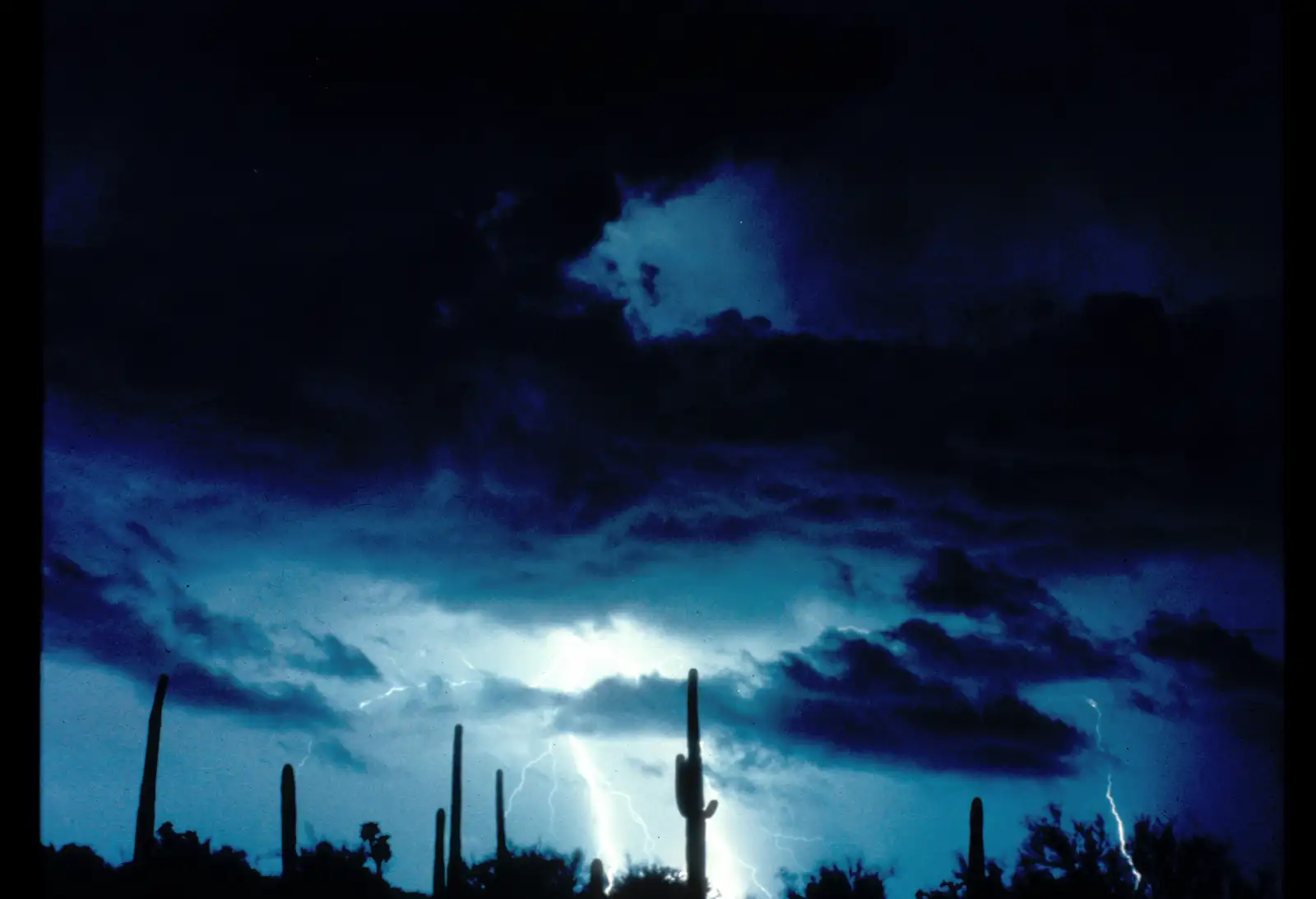
Summer is the quietest season and the harshest, with highs from the upper 90s past 100 and July and August monsoon storms that bring flash-flood risk in washes. Experience the desert at dawn or after the sun drops behind the mountains, stay off exposed trails midday, and watch the sky for building afternoon storms. Carry far more water than feels necessary.
Fall cools steadily, from September highs near 95 down to the mid-70s by November, and it stays relatively uncrowded until the winter crowds return. September can still be hot with lingering monsoon moisture, so morning starts pay off, while October and November are ideal for longer hikes. Nights turn crisp by late fall.
This month in the park
Timing changes everything out here. Pick a month to see when the light turns golden, which nights stay darkest for stargazing, and what visitors have actually recorded in bloom and on the move. The new-moon night is the one to plan a sky-watching evening around.
January 2027
In bloom · 41 species on record
- ❀ Odora 11 sightings
- ❀ Creosote Bush 7 sightings
- ❀ Brittlebush 6 sightings
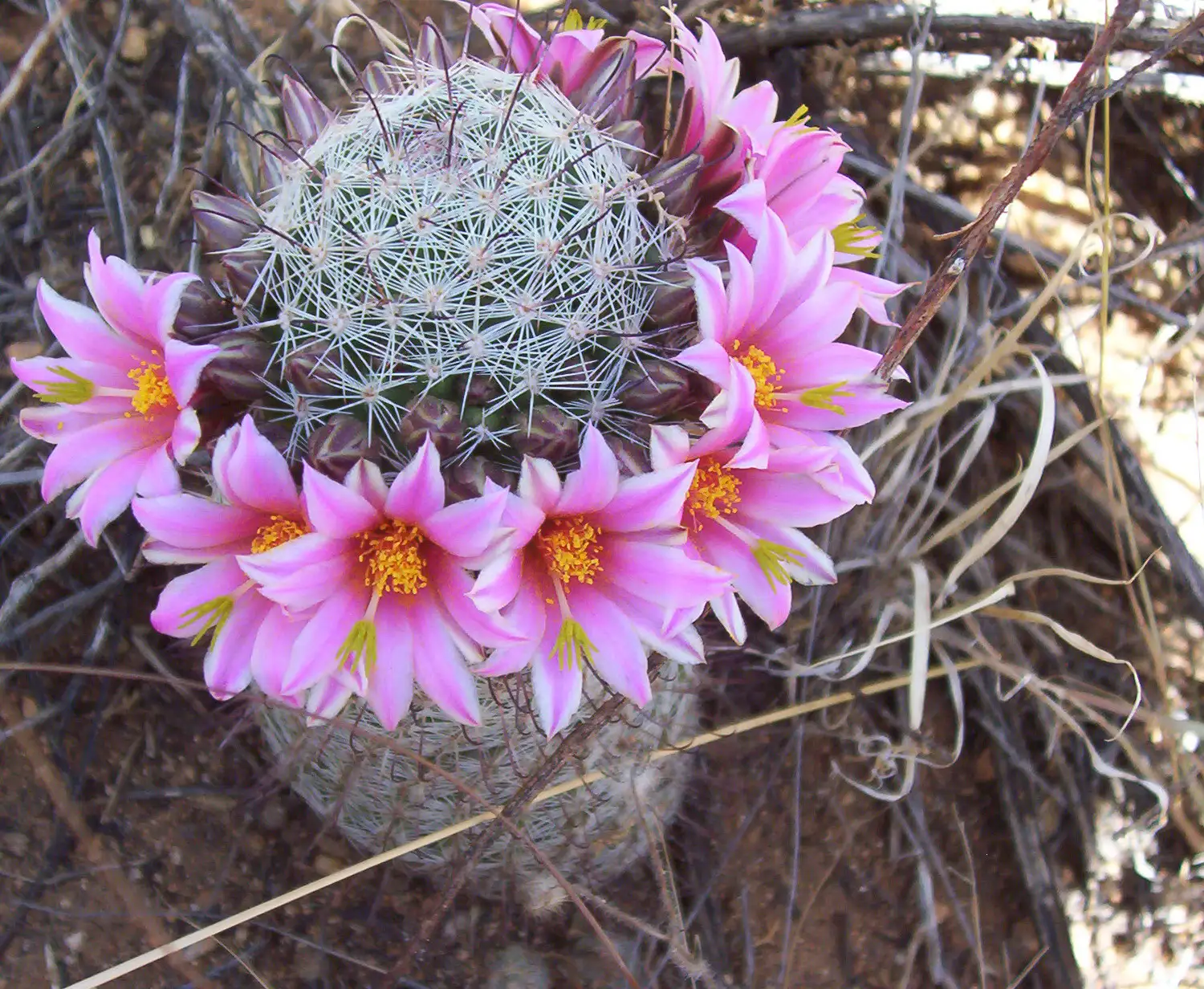
- ❀ Pink fairy-duster 6 sightings
- ❀ Ocotillo 5 sightings
Wildlife on the move · 179 species on record
- Cactus Wren 55 sightings
- Black-throated Sparrow 54 sightings
- Mule Deer 47 sightings
- Collared Peccary 41 sightings
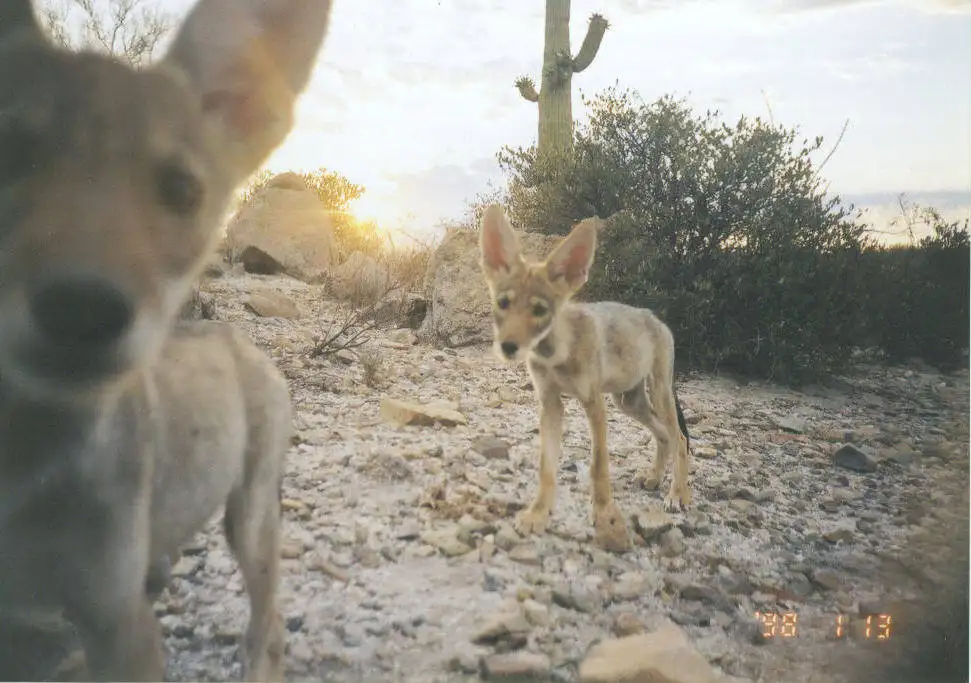
- Coyote 40 sightings
February 2027
In bloom · 62 species on record
- ❀ Blue dicks 29 sightings
- ❀ Texas stork's bill 13 sightings
- ❀ Pointleaf manzanita 10 sightings
- ❀ Mesquite Mistletoe 10 sightings
- ❀ Parry's beardtongue 9 sightings
Wildlife on the move · 234 species on record
- Black-tailed Jackrabbit 87 sightings
- Black-throated Sparrow 63 sightings
- Common Side-blotched Lizard 62 sightings
- Desert Cottontail 62 sightings
- Coyote 59 sightings
March 2027
In bloom · 127 species on record
- ❀ Blue dicks 65 sightings
- ❀ Desert Chicory 42 sightings
- ❀ Pink fairy-duster 39 sightings
- ❀ Ocotillo 26 sightings
- ❀ Shy monkeyflower 18 sightings
Wildlife on the move · 352 species on record
- Black-tailed Jackrabbit 105 sightings
- Common Side-blotched Lizard 102 sightings
- Coyote 82 sightings
- Black-throated Sparrow 81 sightings
- Zebra-tailed Lizard 79 sightings
April 2027
In bloom · 111 species on record
- ❀ Saguaro 59 sightings
- ❀ Desert Mariposa Lily 43 sightings
- ❀ Ocotillo 24 sightings
- ❀ Desert Chicory 22 sightings
- ❀ Arizona carlowrightia 16 sightings
Wildlife on the move · 386 species on record
- Zebra-tailed Lizard 180 sightings
- Gila Woodpecker 82 sightings
- Common Side-blotched Lizard 81 sightings
- Black-tailed Jackrabbit 78 sightings
- Empress Leilia 74 sightings
May 2027
In bloom · 55 species on record
- ❀ Saguaro 91 sightings
- ❀ Arizona carlowrightia 7 sightings
- ❀ Christmas cholla 7 sightings
- ❀ Thurber's Cholla 6 sightings
- ❀ Desert ironwood 5 sightings
Wildlife on the move · 394 species on record
- Zebra-tailed Lizard 114 sightings
- Marine Blue 70 sightings
- Iron Cross Blister Beetle 60 sightings
- Pyrrhuloxia 58 sightings
- Empress Leilia 52 sightings
June 2027
In bloom · 38 species on record
- ❀ Saguaro 28 sightings
- ❀ Gregg's Nightblooming Cereus 7 sightings
- ❀ Western coral bean 3 sightings
- ❀ Chain-fruit Cholla 3 sightings
- ❀ Thurber's Cholla 3 sightings
Wildlife on the move · 293 species on record
- Zebra-tailed Lizard 52 sightings
- Western Diamond-backed Rattlesnake 39 sightings
- White-winged Dove 32 sightings
- Purple Martin 28 sightings
- Desert Cottontail 27 sightings
July 2026
In bloom · 31 species on record
- ❀ Saguaro 18 sightings
- ❀ Graham's nipple cactus 11 sightings
- ❀ Desert unicorn-plant 5 sightings
- ❀ Timberland blue-eyed grass 4 sightings
- ❀ Chain-fruit Cholla 4 sightings
Wildlife on the move · 389 species on record
- Zebra-tailed Lizard 83 sightings
- Purple Martin 69 sightings
- Western Diamond-backed Rattlesnake 65 sightings
- Sonoran Desert Toad 50 sightings
- Desert Blonde Tarantula 44 sightings
August 2026
In bloom · 49 species on record
- ❀ Saguaro 12 sightings
- ❀ Shrubby purslane 9 sightings
- ❀ Longflower Tube Tongue 9 sightings
- ❀ Yellow trumpet flower 7 sightings
- ❀ Desert unicorn-plant 6 sightings
Wildlife on the move · 447 species on record
- Purple Martin 102 sightings
- Zebra-tailed Lizard 96 sightings
- Western Diamond-backed Rattlesnake 79 sightings
- Red-spotted Toad 70 sightings
- Desert Blonde Tarantula 68 sightings
September 2026
In bloom · 52 species on record
- ❀ Saguaro 10 sightings
- ❀ Longflower Tube Tongue 10 sightings
- ❀ Rock Hibiscus 5 sightings
- ❀ Woolly tidestromia 3 sightings
- ❀ Desert cotton 3 sightings
Wildlife on the move · 367 species on record
- Western Diamond-backed Rattlesnake 73 sightings
- Zebra-tailed Lizard 67 sightings
- Empress Leilia 52 sightings
- Common Side-blotched Lizard 39 sightings
- American Snout 39 sightings
October 2026
In bloom · 30 species on record
- ❀ Saguaro 8 sightings
- ❀ Rock Hibiscus 4 sightings
- ❀ Desert cotton 3 sightings
- ❀ Longflower Tube Tongue 3 sightings
- ❀ Wright's buckwheat 2 sightings
Wildlife on the move · 380 species on record
- Empress Leilia 58 sightings
- American Snout 39 sightings
- Ceraunus Blue 39 sightings
- Zebra-tailed Lizard 36 sightings
- Common Side-blotched Lizard 31 sightings
November 2026
In bloom · 42 species on record
- ❀ Ocotillo 7 sightings
- ❀ Wright's buckwheat 4 sightings
- ❀ Rock Hibiscus 4 sightings
- ❀ Saguaro 3 sightings
- ❀ Trailing Windmills 3 sightings
Wildlife on the move · 285 species on record
- Gray Fox 65 sightings
- Cactus Wren 48 sightings
- Coyote 45 sightings
- Dainty Sulphur 43 sightings
- American Snout 41 sightings
December 2026
In bloom · 44 species on record
- ❀ Ocotillo 12 sightings
- ❀ San Felipe Dogweed 7 sightings
- ❀ Desert zinnia 6 sightings
- ❀ Brittlebush 4 sightings
- ❀ Pink fairy-duster 3 sightings
Wildlife on the move · 215 species on record
- Black-throated Sparrow 59 sightings
- Dainty Sulphur 45 sightings
- Cactus Wren 44 sightings
- Coyote 43 sightings
- Mule Deer 42 sightings
Sun and moon times are computed for the park's coordinates from standard NOAA solar equations and cross-checked against the U.S. Naval Observatory. Species lists are research-grade community observations for Saguaro National Park, US, AZ via iNaturalist, retrieved July 2026; sighting counts are all-time records for that calendar month.
Don’t wait for Saguaro.
One big trip a year isn’t what changes how you feel — the small stuff in between is. The 7-Day Nature Reset is one tiny outdoor practice a day, wherever you already are. Day one takes 60 seconds.
No spam. No noise. Just nature.
Day 1 is landing in your inbox right now — go say hi.
Sleep nearby
Places to stay around Tucson, Arizona. Pan the map to trade a shorter drive for a quieter night.
Camping inside the park books through Recreation.gov and is listed separately.
The map is provided by Stay22. If you book through it we may earn a commission at no cost to you, which helps keep Happier Outdoors running. It never changes what we recommend.
Let someone else lead
A guide is worth it when the terrain needs one, or when you would rather look around than navigate. These are the highest-rated trips running around Saguaro, not the cheapest.
 Free cancellation
 Sunset Saguaro National Park, East Guided E-Bike Tour
- Up to 6 per booking
- Moderate fitness needed
 Free cancellation
 Saguaro National Park East E-Bike Tour
- Up to 8 per booking
- Stroller accessible
 Free cancellation
 Saguaro National Park Self-Guided Driving Audio Tour
- Runs year-round
- Easy for most fitness levels
 Free cancellation
 Saguaro NP and Mt. Lemmon Self Guided Driving Audio Tour Bundle
- Runs year-round
- Easy for most fitness levels
Tours are listed by Viator; booking happens there. If you book we may earn a commission at no cost to you, which helps keep Happier Outdoors running. It never changes what we list. Prices checked September 2026 and can change.
From the field
Common questions
When is the best time to visit Saguaro National Park?
Late fall through early spring is the most comfortable time, with daytime highs from the low 50s to the high 70s. Summer highs run from the mid-90s into the low 110s, so if you come then, experience the desert at dawn or dusk when the heat backs off. Note that interpretive programs run only intermittently through late spring and summer.
Is Saguaro National Park dog-friendly?
Leashed pets on a 6-foot leash are allowed, but only on specific roads, paved trails, and developed areas, not on other trails. In the east district that means Mica View Road and Trail, the paved Desert Ecology Trail, and the Cactus Forest Loop Road; in the west it means the Bajada Loop Drive, the paved Desert Discovery Trail, and Golden Gate Road.
What is the quietest trail in Saguaro National Park?
Visitors and trail guides point to the Douglas Springs Trail and Sendero Esperanza Trail in the east (Rincon Mountain) district as the least crowded, with Mica View and Freeman Homestead also offering solitude. Most people flock to the west district, which has denser saguaro growth and the famous paved short trails, leaving the smaller, more rugged east district quieter.
How crowded does Saguaro National Park get?
It is busiest from November through March, peaking in late winter and early spring, when trails and visitor centers see the most people. Mid-morning to early afternoon and weekends are the busiest windows, and crowds concentrate near the two visitor centers and popular trailheads like King Canyon. Summer is far quieter because of the heat.
Is Saguaro National Park accessible for wheelchairs?
Both district visitor centers are fully accessible, and there is a paved wheelchair-accessible trail in each district. The Desert Ecology Trail in the east is a quarter-mile paved loop and the Desert Discovery Trail in the west is a half-mile paved loop, both with benches; most other trails are unpaved, rugged, and not accessible. Picnic areas offer accessible tables and restrooms, though no water.
Can you camp at Saguaro National Park?
There are no car or RV campgrounds; camping is limited to six hike-in backcountry wilderness sites in the east district, all requiring a permit. Sites like Manning Camp, Douglas Spring, and Juniper Basin cost $8 per night and must be reserved on recreation.gov.
Where do you park at Saguaro National Park?
Park at the visitor center in each district plus designated trailheads like Wild Horse, King Canyon, Douglas Spring, and Loma Alta. During peak winter and spring season, popular trailhead lots often fill by mid-morning, so arrive early or use trailheads outside the loop drives. RVs over 35 feet cannot enter the west Bajada Loop, and oversized vehicles are prohibited on both loop drives.