Rocky Mountain National Park
Estes Park, Colorado · Rocky Mountains
Up high, the noise falls away
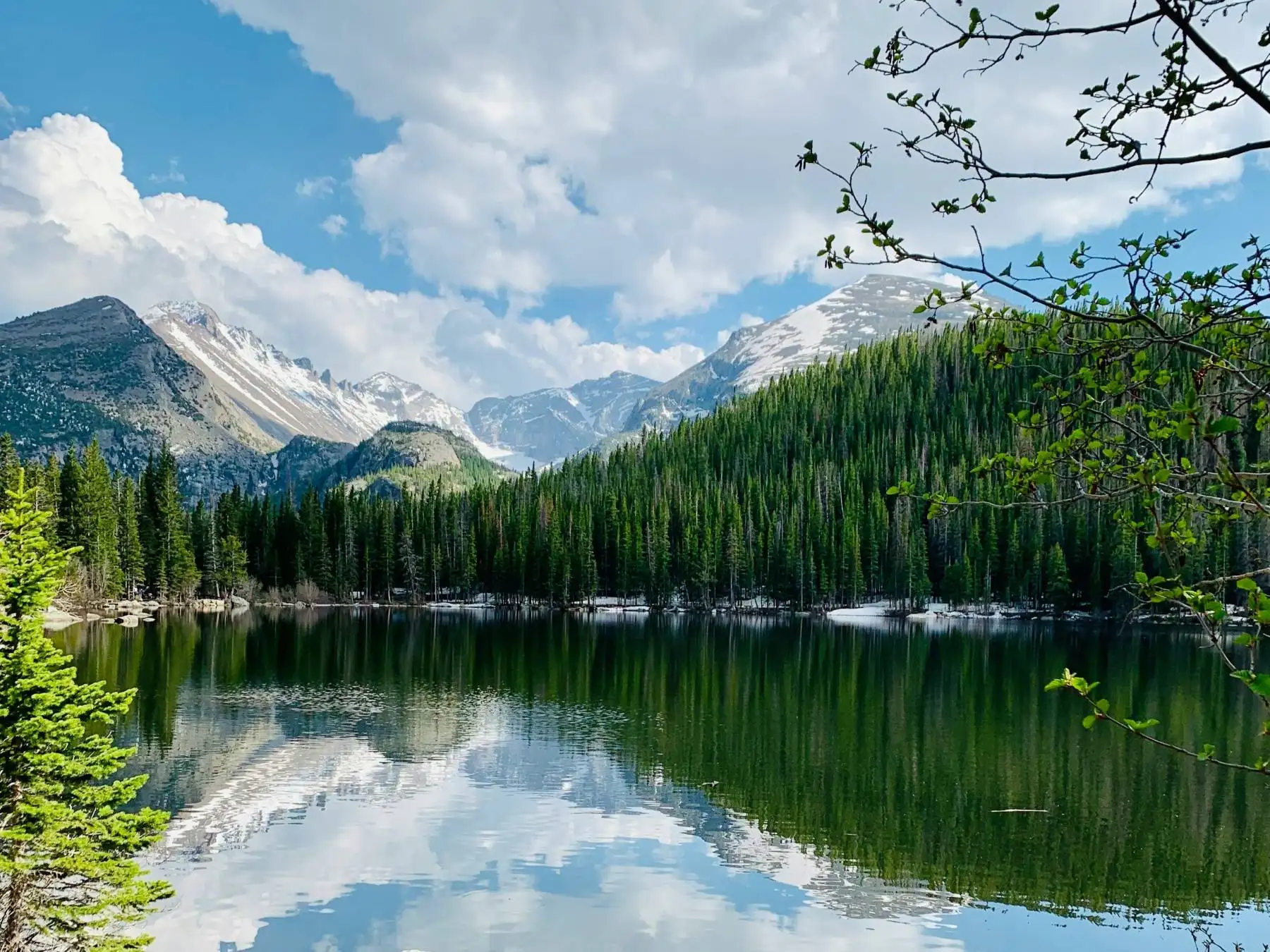
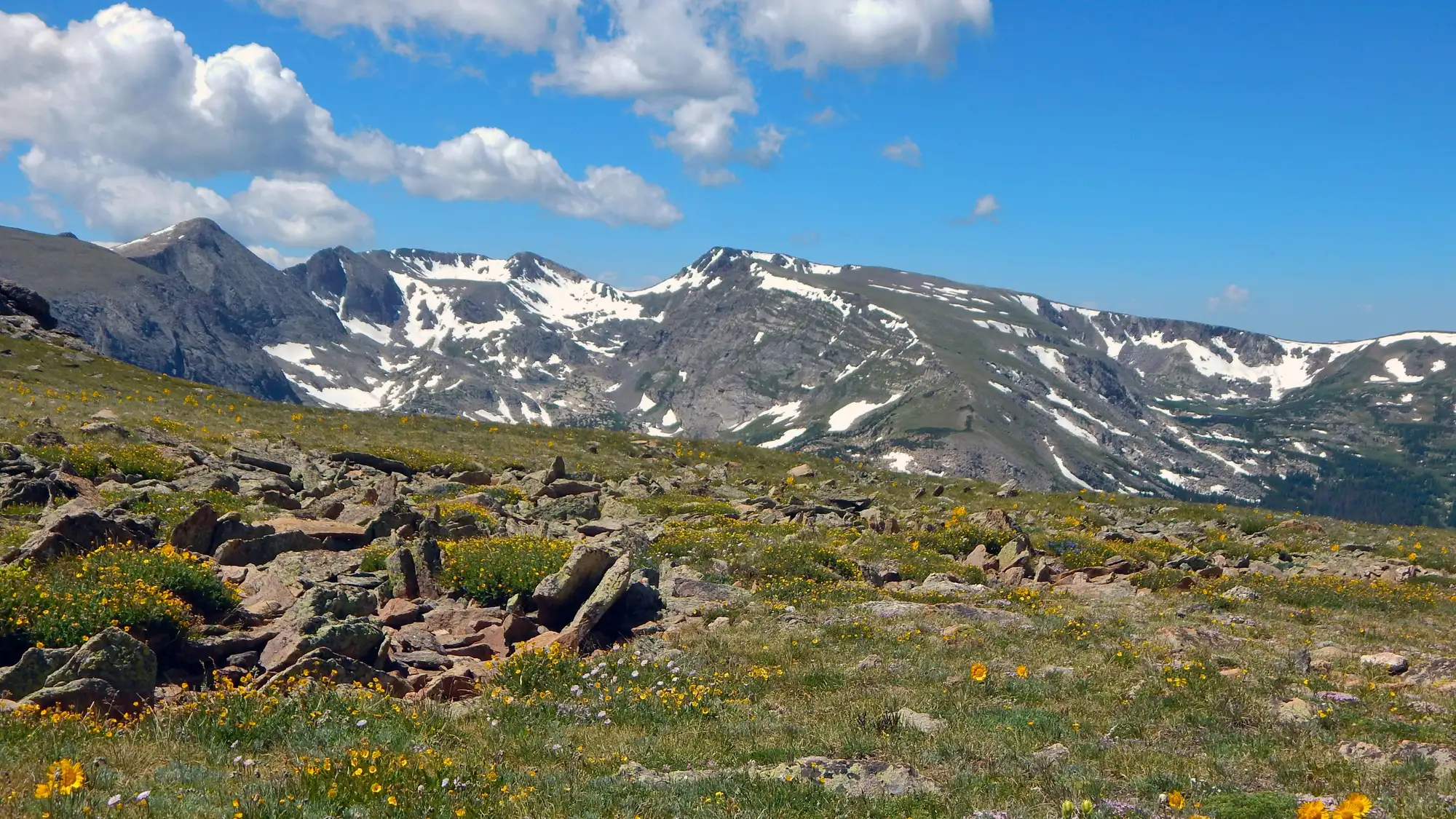
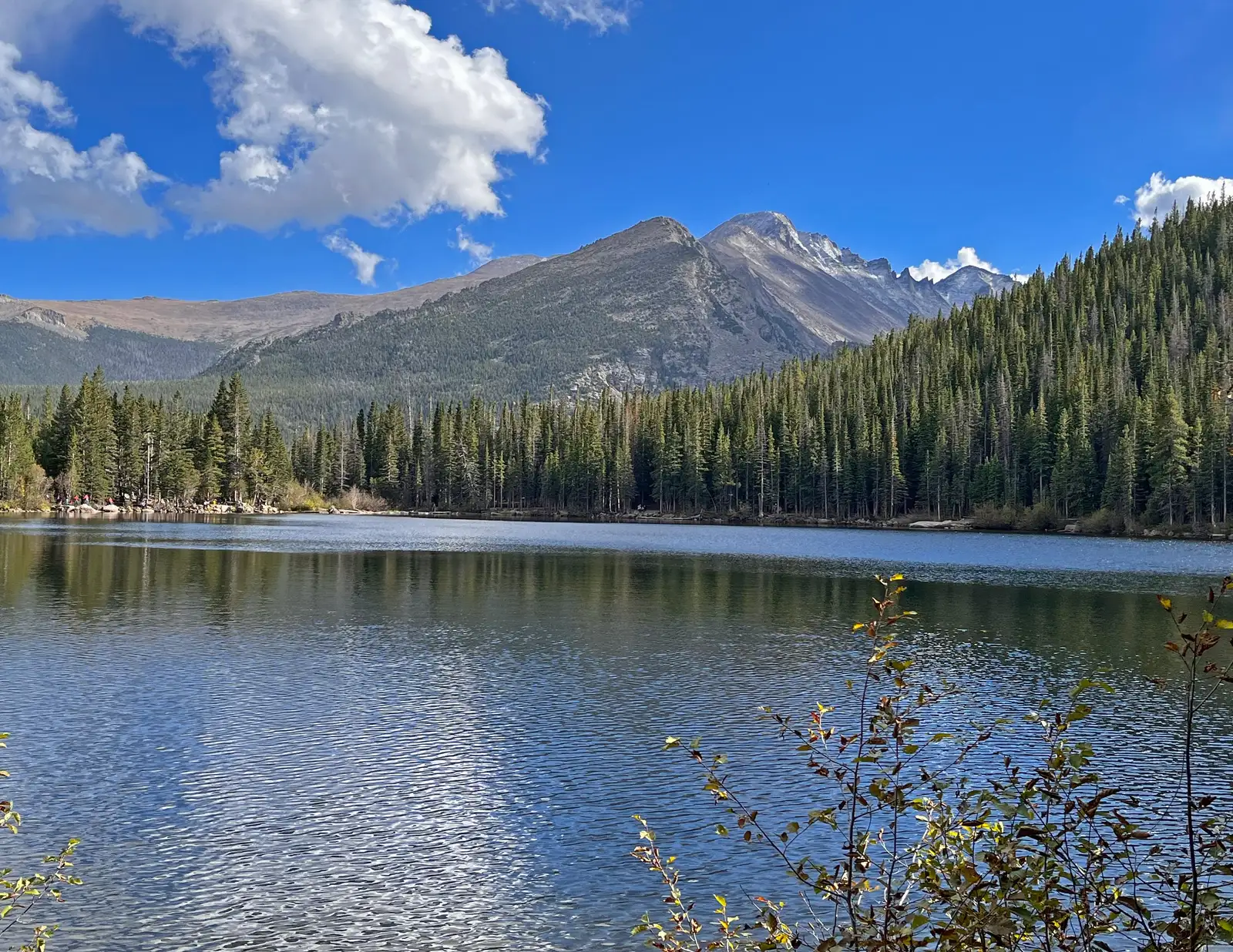
Rocky Mountain climbs from montane meadows near 7,800 feet to peaks above 14,000, and the higher you go, the more the human racket thins out. What replaces it is a soundscape most people never sit inside: snowmelt running over rock, wind moving through spruce, birdsong, and in autumn the bugle of elk carrying across the open meadows. Over 300 miles of trail lead to alpine lakes where, for long stretches, the loudest thing is water.
Those sounds are not just pleasant background. A large research synthesis found that the natural sounds common in US national parks, especially running water and birdsong, are linked to lower stress, better mood, and sharper thinking. That is the raw material Rocky Mountain hands you in bulk, from a lakeshore in Wild Basin to a quiet stretch above treeline.
You do not have to summit anything to get it. A short sit beside Sprague Lake or Lily Lake puts you inside the same running-water quiet the harder trails deliver, without the elevation gain. The park is loud with people in July and nearly silent in February, and both versions still hand you the sound that matters.
The science: A research synthesis found that the natural sounds abundant in US national parks, including running water and birdsong, are associated with lower stress and pain, better mood, and improved cognitive performance. Rocky Mountain is full of exactly those sounds, from lakeshores fed by snowmelt to birds moving through the montane forest.
Buxton, Pearson, Allou, Fristrup & Wittemyer (2021) · PNAS
Seasonal guide
Crowd levels use NPS monthly visitation, averaged 2015–2025. Excludes 2020 (COVID anomaly) and 2026 (partial year). Temperatures are NOAA climate normals from a station 9.3 miles away. Busy does not mean bad. If a peak month is your only window, the season notes below tell you how to work it.
This is the park at its emptiest, with February the quietest month of the year. Highs sit around 36 to 37F and lows drop to the mid-teens, and Trail Ridge Road is closed by snow, so the high country is reached only on skis or snowshoes. Come prepared for cold and short days, stick to lower montane trails and frozen lakeshores, and you get near-total solitude and silence.
March and April stay quiet with highs from the mid-40s to low 50s, while May jumps to busy as highs reach the low 60s and the season opens up. Higher trails hold snow and mud well into spring, and Trail Ridge Road usually does not fully open until late May. Focus on lower elevations, carry traction, and you'll trade a little access for far fewer people.
Summer is peak, with July the single busiest month and a timed-entry permit required for vehicle entry. Highs run 74 to 80F, comfortable for hiking, but afternoon thunderstorms build fast over the peaks, so being above treeline late is a real lightning risk. Start at dawn, be off exposed summits and tundra by early afternoon, and reserve entry and campsites well ahead.
September and October stay busy as the elk rut draws crowds and aspens turn gold, then November drops off sharply as winter closes in. Highs fall from around 70F in September to the mid-40s by November, with cold nights and early snow at elevation. Come on a weekday, listen for bugling elk across the meadows, and go before Trail Ridge Road closes for the season.
This month in the park
Timing changes everything out here. Pick a month to see when the light turns golden, which nights stay darkest for stargazing, and what visitors have actually recorded in bloom and on the move. The new-moon night is the one to plan a sky-watching evening around.
January 2027
Wildlife on the move · 32 species on record
- Steller's Jay 27 sightings
- Mule Deer 26 sightings
- Wapiti 26 sightings
- Canada Jay 22 sightings
- Black-billed Magpie 15 sightings
February 2027
Wildlife on the move · 31 species on record
- Wapiti 34 sightings
- Steller's Jay 33 sightings
- Mule Deer 23 sightings
- Mountain Chickadee 19 sightings
- Canada Jay 13 sightings
March 2027
In bloom · 4 species on record
- ❀ Prairie pasqueflower 3 sightings
- ❀ Bearberry 2 sightings
- ❀ Madrean springbeauty 1 sightings
- ❀ Hooker's Townsend-daisy 1 sightings
Wildlife on the move · 55 species on record
- Steller's Jay 71 sightings
- Wapiti 67 sightings
- Mule Deer 59 sightings
- Black-billed Magpie 48 sightings
- Mountain Chickadee 35 sightings
April 2027
In bloom · 13 species on record
- ❀ Prairie pasqueflower 5 sightings
- ❀ Creeping mahonia 4 sightings
- ❀ Bearberry 3 sightings
- ❀ Sagebrush buttercup 3 sightings
- ❀ Wax currant 2 sightings
Wildlife on the move · 90 species on record
- Wapiti 82 sightings
- Steller's Jay 75 sightings
- Wild Turkey 52 sightings
- Mule Deer 50 sightings
- Moose 40 sightings
May 2027
In bloom · 49 species on record
- ❀ Prairie pasqueflower 44 sightings
- ❀ Bearberry 29 sightings
- ❀ Creeping mahonia 16 sightings
- ❀ Rocky mountain marsh-marigold 9 sightings
- ❀ Golden corydalis 8 sightings
Wildlife on the move · 210 species on record
- Wapiti 358 sightings
- Moose 253 sightings
- Common Golden-mantled Ground Squirrel 215 sightings
- Steller's Jay 188 sightings
- Mule Deer 117 sightings
June 2027
In bloom · 169 species on record
- ❀ Blue columbine 116 sightings
- ❀ Pale alpine forget-me-not 91 sightings
- ❀ Bearberry 37 sightings
- ❀ Fairy-slipper 33 sightings
- ❀ Virginia strawberry 30 sightings
Wildlife on the move · 423 species on record
- Wapiti 799 sightings
- Common Golden-mantled Ground Squirrel 552 sightings
- Yellow-bellied Marmot 539 sightings
- Moose 491 sightings
- Steller's Jay 210 sightings
July 2026
In bloom · 208 species on record
- ❀ Blue columbine 168 sightings
- ❀ Fireweed 141 sightings
- ❀ Gunnison's Mariposa Lily 129 sightings
- ❀ Pearly everlasting 53 sightings
- ❀ Whipple's penstemon 40 sightings
Wildlife on the move · 525 species on record
- Yellow-bellied Marmot 794 sightings
- Common Golden-mantled Ground Squirrel 774 sightings
- Wapiti 761 sightings
- Moose 450 sightings
- American Pika 353 sightings
August 2026
In bloom · 117 species on record
- ❀ Blue columbine 102 sightings
- ❀ Fireweed 43 sightings
- ❀ Pearly everlasting 41 sightings
- ❀ Queen's Crown 41 sightings
- ❀ Arctic Gentian 24 sightings
Wildlife on the move · 396 species on record
- Common Golden-mantled Ground Squirrel 597 sightings
- Wapiti 561 sightings
- Yellow-bellied Marmot 422 sightings
- Moose 314 sightings
- American Pika 291 sightings
September 2026
In bloom · 58 species on record
- ❀ Pearly everlasting 16 sightings
- ❀ Fireweed 12 sightings
- ❀ Arctic Gentian 8 sightings
- ❀ Western harebell 8 sightings
- ❀ Blue columbine 7 sightings
Wildlife on the move · 253 species on record
- Wapiti 517 sightings
- Common Golden-mantled Ground Squirrel 241 sightings
- Steller's Jay 192 sightings
- Yellow-bellied Marmot 157 sightings
- American Pika 153 sightings
October 2026
In bloom · 12 species on record
- ❀ Western harebell 3 sightings
- ❀ Common dandelion 1 sightings
- ❀ Pearly everlasting 1 sightings
- ❀ Creeping thistle 1 sightings
- ❀ Musk thistle 1 sightings
Wildlife on the move · 134 species on record
- Wapiti 219 sightings
- Steller's Jay 154 sightings
- Mule Deer 113 sightings
- Brook Trout 91 sightings
- Black-billed Magpie 77 sightings
November 2026
Wildlife on the move · 52 species on record
- Steller's Jay 45 sightings
- Mule Deer 36 sightings
- Black-billed Magpie 32 sightings
- Wapiti 29 sightings
- Canada Jay 17 sightings
December 2026
Wildlife on the move · 45 species on record
- Steller's Jay 37 sightings
- Wapiti 37 sightings
- Mule Deer 36 sightings
- Black-billed Magpie 18 sightings
- Canada Jay 14 sightings
Sun and moon times are computed for the park's coordinates from standard NOAA solar equations and cross-checked against the U.S. Naval Observatory. Species lists are research-grade community observations for Rocky Mountain National Park, US, CO via iNaturalist, retrieved July 2026; sighting counts are all-time records for that calendar month.
Don’t wait for Rocky Mountain.
One big trip a year isn’t what changes how you feel — the small stuff in between is. The 7-Day Nature Reset is one tiny outdoor practice a day, wherever you already are. Day one takes 60 seconds.
No spam. No noise. Just nature.
Day 1 is landing in your inbox right now — go say hi.
Sleep nearby
Places to stay around Estes Park, Colorado. Pan the map to trade a shorter drive for a quieter night.
Camping inside the park books through Recreation.gov and is listed separately.
The map is provided by Stay22. If you book through it we may earn a commission at no cost to you, which helps keep Happier Outdoors running. It never changes what we recommend.
Let someone else lead
A guide is worth it when the terrain needs one, or when you would rather look around than navigate. These are the highest-rated trips running around Rocky Mountain, not the cheapest.
 Free cancellation
 Rocky Mountain National Park Half Day Hike
- Runs year-round
- Up to 20 per booking
- Moderate fitness needed
 Free cancellation
 Discover Rocky Mountain National Park-Small Group Tour & Picnic
- Runs year-round
- Up to 14 per booking
- Easy for most fitness levels
 Free cancellation
 Rocky Mountain National Park Guided Hiking Adventure
- Runs May–Oct
- Up to 11 per booking
- Moderate fitness needed
 Free cancellation
 Rocky Mountain National Park Guided Small Group Tour
- Runs year-round
- Up to 14 per booking
- Easy for most fitness levels
Tours are listed by Viator; booking happens there. If you book we may earn a commission at no cost to you, which helps keep Happier Outdoors running. It never changes what we list. Prices checked September 2026 and can change.
Activities & experiences
Beyond the trails
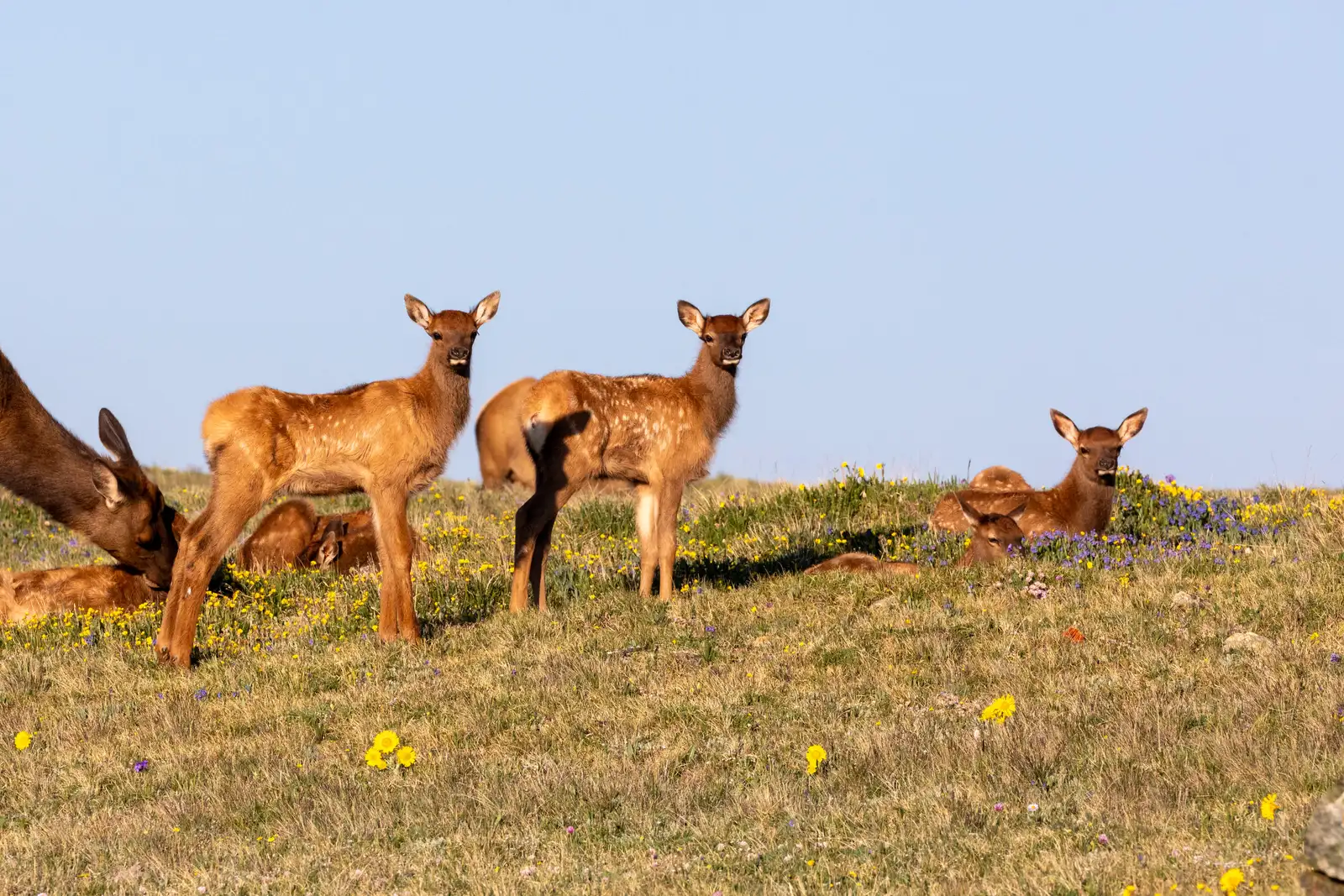
In September and October, elk herds move to lower elevations for fall mating season, known as the rut. Bull elk get aggressive when protecting the cows and young in their herd, so keep your distance.
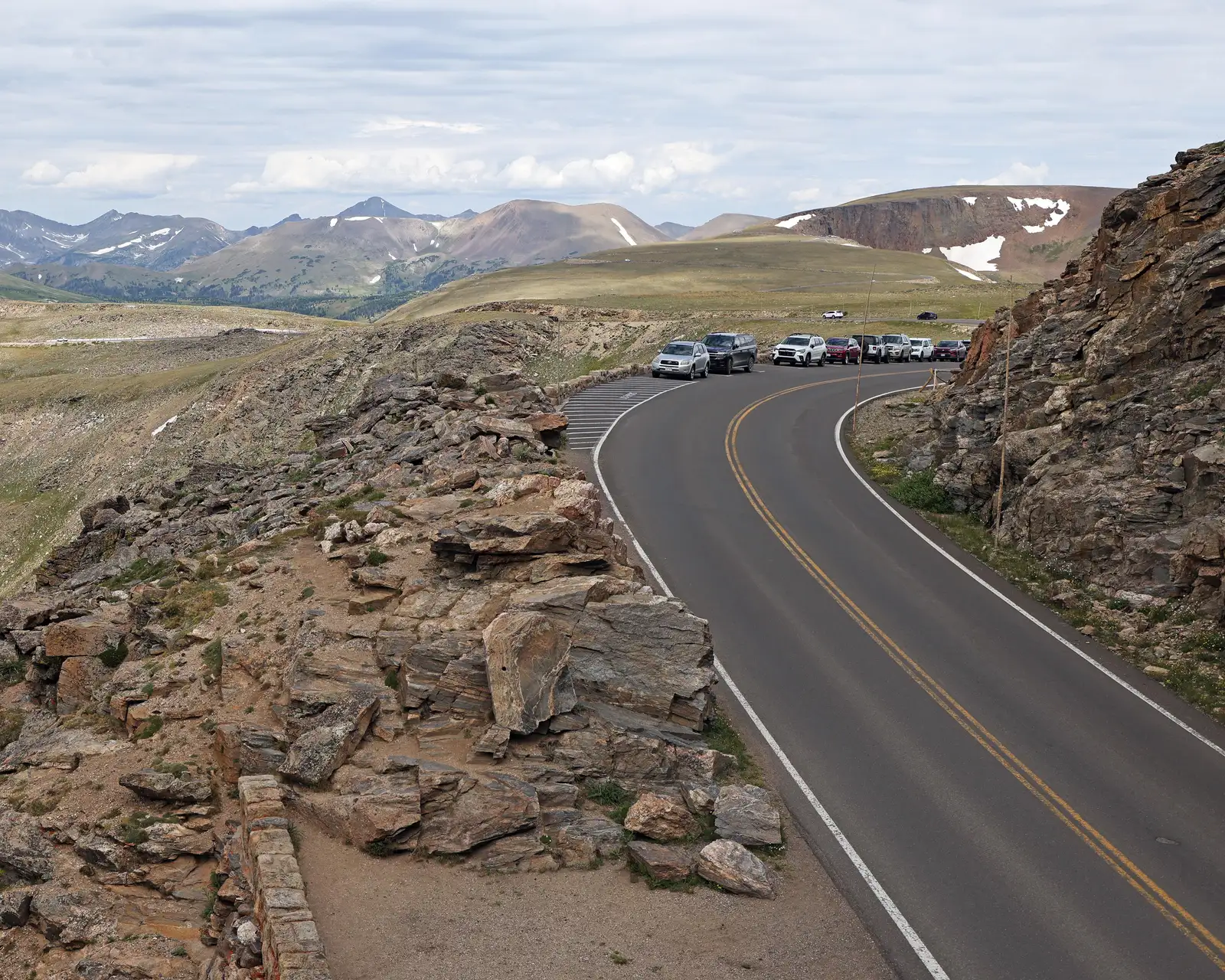
Trail Ridge Road runs 48 miles one way, connecting Grand Lake and Estes Park through the summer season. Open road, big views.
Built between 1913 and 1920, Old Fall River Road is a 9.4-mile unpaved climb. It starts near Endovalley Picnic Area and ends at Fall River Pass, by the Alpine Visitor Center. From there, take Trail Ridge Road back to the east side.
Winter changes the driving here. Read up on winter road conditions before you go.
Cross-country skiing is a quiet way into the winter season at Rocky. Snow is usually deep enough from December through late March, and the west side offers a range of terrain.
Hidden Valley is home to Junior Ranger Headquarters, a spot for kids and families to learn about the park. It opens for summer on May 23.
Details and current conditions live on nps.gov.
From the field
Common questions
When is the best time to visit Rocky Mountain National Park?
For the mildest weather visit June through September, but expect the heaviest crowds then, with July the busiest month by far. If you want quiet with tolerable conditions, aim for late September and October, when fall temperatures cool and visitation eases, or accept cold and snow for the deep solitude of January and February.
Is Rocky Mountain National Park dog-friendly?
No, dogs and other pets are prohibited on all trails, tundra, and meadows inside the park. Leashed pets on a leash of six feet or less are allowed only in established campgrounds, picnic areas, parking lots, and along roads where vehicles can go, and they are not permitted in visitor centers. Pet-friendly paved trails like the Lake Estes Trail sit outside the park boundary near Estes Park.
What is the quietest trail in Rocky Mountain National Park?
Hikers consistently point to trails on the less-visited west side near Grand Lake and in the Wild Basin area as the quietest options. Routes like Timber Lake, Lawn Lake, Lake Verna, and the lakes off Wild Basin (Finch, Pear, Bluebird) tend to stay secluded because they run longer than three miles, climb over 1,000 feet, or require entering the west side of the park. This is visitor consensus rather than an official ranking, so conditions vary by day and season.
How crowded does Rocky Mountain National Park get?
Very crowded in summer, with about 4.17 million visits in 2025 and July as the peak month. Crowds concentrate along the Bear Lake Road corridor, Glacier Gorge, Wild Basin, and Trail Ridge Road, where parking often fills by mid-morning. To manage this, the park requires a timed-entry permit from late May through mid-October.
Is Rocky Mountain National Park accessible for wheelchairs?
Yes, four trails are primarily wheelchair accessible: Lily Lake, Sprague Lake, Coyote Valley, and the Holzwarth Historic Site. All three summer shuttle routes have ramps and kneeling buses, though some bus stops and trailheads along Bear Lake Road have barriers. The park also offers a free all-terrain wheelchair by reservation for more rugged terrain.
Can you camp at Rocky Mountain National Park?
Yes, the park has five campgrounds. Four (Moraine Park, Glacier Basin, Aspenglen, and Timber Creek) require reservations in summer through Recreation.gov, while Longs Peak is first-come, first-served. Summer nightly fees start around $35 for non-electric sites, and there is a seven-night maximum stay.
Do you need a reservation to enter Rocky Mountain National Park?
Yes, a timed-entry permit is required for all vehicle entry from mid-May through late October, generally between 9 a.m. and 2 p.m. for most areas. Book it in advance on Recreation.gov by selecting your date and arrival time. An overnight camping reservation at the four main campgrounds includes timed entry starting at 1 p.m. on your check-in day.
Where do you park at Rocky Mountain National Park?
Park at destination trailheads if you arrive early, since major lots fill fast: Glacier Gorge by 6 a.m. and Bear Lake by 9 a.m. in peak season. When those are full, use the Park & Ride Transit Hub on Bear Lake Road and ride the free shuttles, though the hub itself fills by around 10:30 a.m. A timed-entry permit lets you into the park but does not guarantee a spot at any specific trailhead.