Olympic National Park
Port Angeles, Washington · Pacific Northwest
The rainforest sound that calms your body
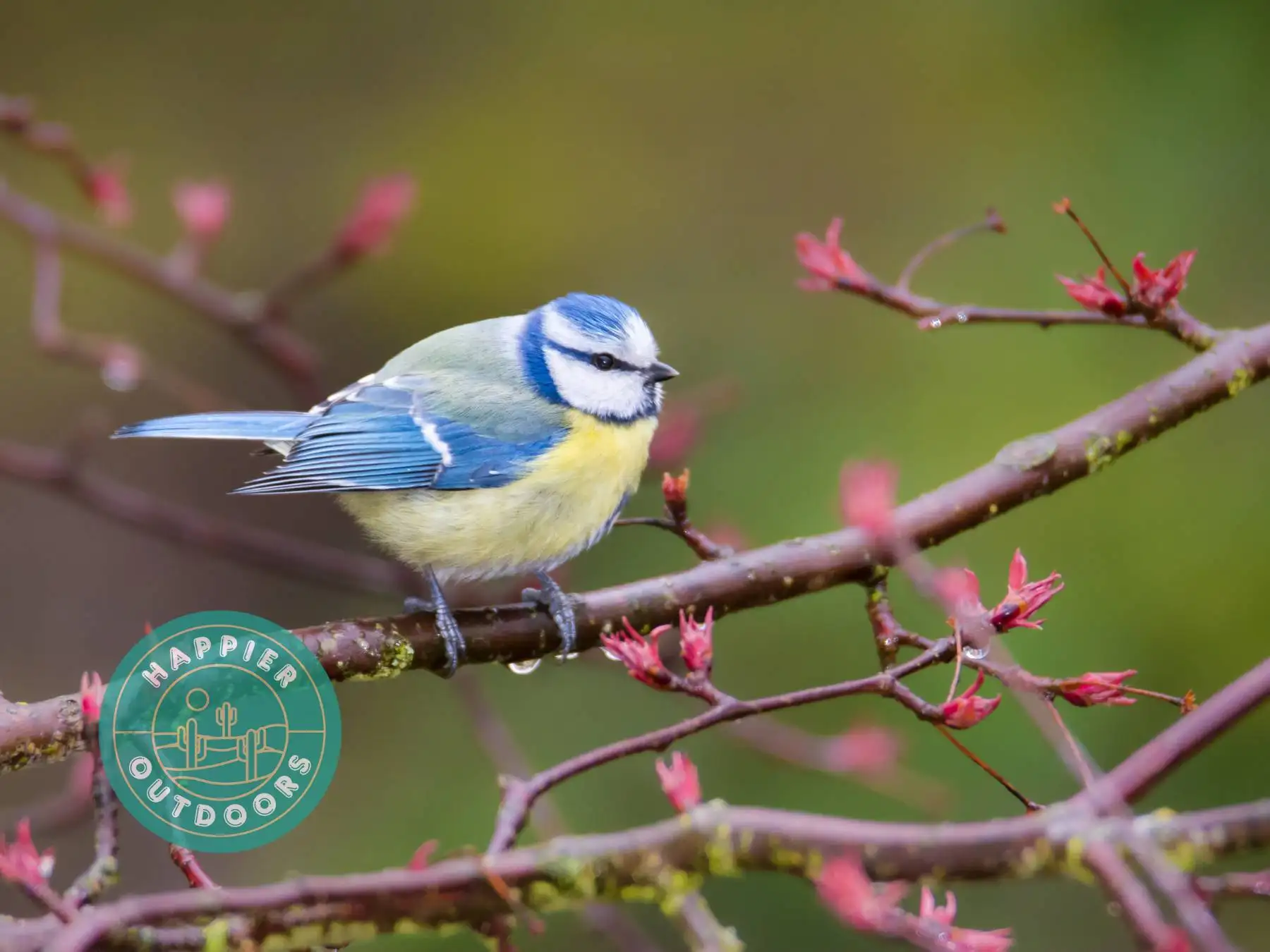
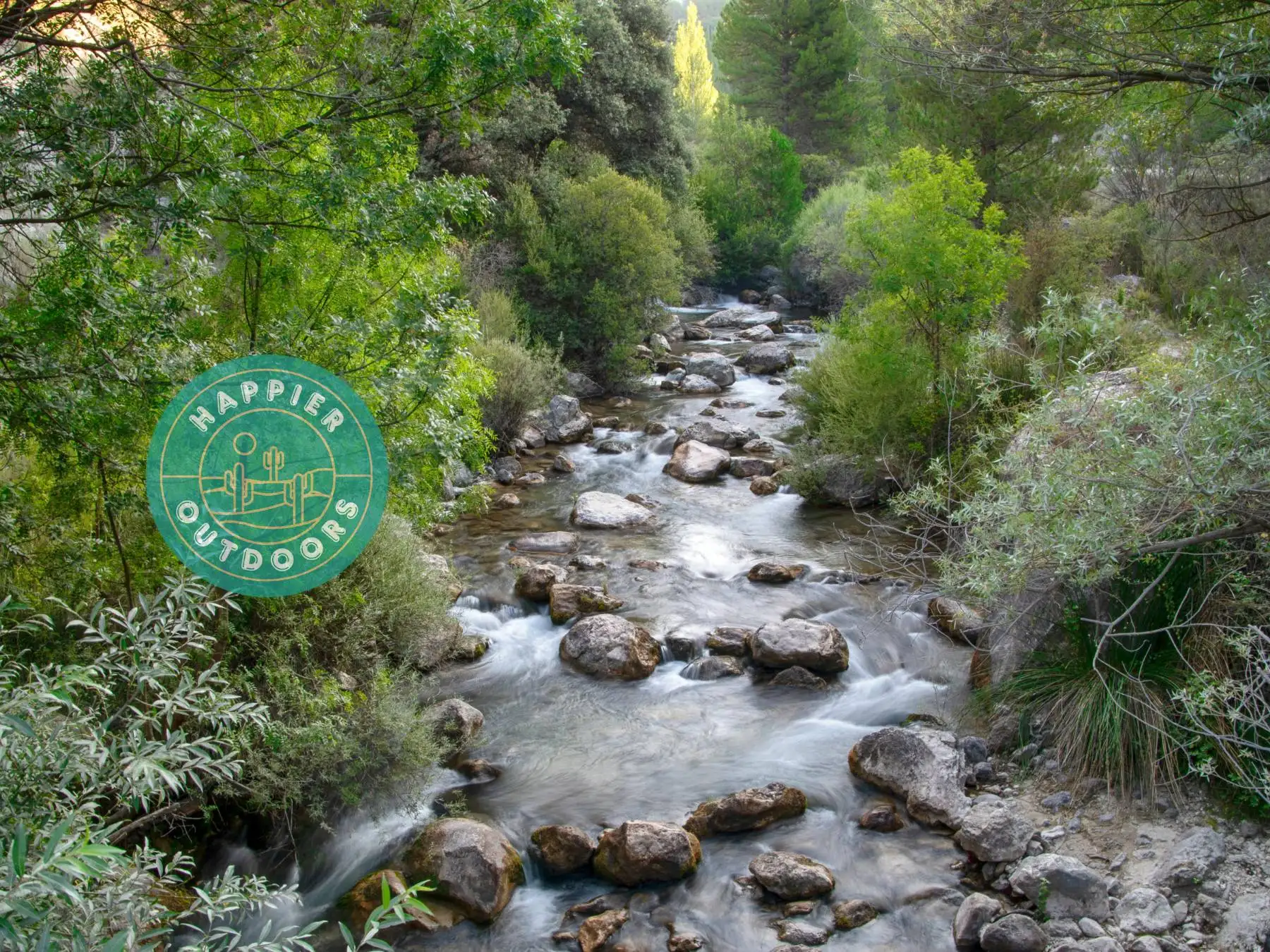
Olympic packs three landscapes into one park: glacier-capped peaks, over 70 miles of wild coastline, and old-growth temperate rain forest where the Hoh and Quinault valleys catch some of the heaviest rainfall in the country. The rain forest is the part most people remember. Moss hangs from big-leaf maples, ferns cover the floor, and the place is rarely silent the way a desert is. Instead it carries a soft, constant layer of sound: streams, drips, and birdsong.
That soundscape does more than set a mood. When the mechanical noise of daily life falls away and running water and birdsong take its place, the body tends to ease out of its keyed-up state. It is one of the quieter reasons a walk under the canopy leaves people feeling settled rather than just tired.
The reset is not confined to the trees. The coastline delivers surf and tide pools, the Sol Duc valley holds hot springs, and the high country opens at Hurricane Ridge. Since roughly 90% of visitors never wander more than a mile from paved paths, a short walk past the popular loops buys you the deep quiet the rain forest is known for.
The science: In a laboratory listening session, ten minutes of a nature soundscape, compared with an urban one in the same people, raised heart rate variability and lowered heart and breathing rates, alongside lower self-reported anxiety. Olympic's Hoh and Quinault rain forests are built from exactly those sounds: streams over stone, birdsong, and wind through moss-hung old growth, with almost none of the mechanical noise the recording replaced.
Kumpulainen, Esmaeilzadeh, Pesonen, Brazão & Pesola (2025) · Psychophysiology
Seasonal guide
Crowd levels use NPS monthly visitation, averaged 2015–2025. Excludes 2020 (COVID anomaly) and 2026 (partial year). Temperatures are NOAA climate normals from a station 15.1 miles away. Busy does not mean bad. If a peak month is your only window, the season notes below tell you how to work it.
Low-elevation days stay mild, with highs in the low 40s and lows near freezing, but this is the wettest stretch, with roughly 9 to 10 inches of rain a month, and mountain snow can be heavy. It is the quietest season by far, so come for empty rainforest trails and pack rain gear and layers. Check road and pass conditions before heading up to Hurricane Ridge.
Highs climb from the upper 40s in March to the low 60s by May as rainfall drops off, though March and April stay damp. March and April remain quiet before crowds build in May. This is a good window for the rainforest and lower trails, with waterfalls running full and fewer people on the paths.
Summer brings the driest, warmest weather, with highs in the upper 60s to mid-70s and July and August seeing the year's biggest crowds. Parking at Hurricane Ridge and the Hoh fills by 10 a.m. on weekends, so arrive before 8 a.m. or after 5 p.m., or ride the Clallam Transit bus. Book campsites months ahead and explore lesser-known valleys to sidestep the busiest lots.
September stays warm and dry with highs near 68 and remains busy, while October cools into the mid-50s and November drops to the mid-40s as heavy rain returns. Early fall is a sweet spot for warm days with thinning crowds, and late fall trades weather for solitude. Bring rain gear by November and enjoy near-empty trails.
This month in the park
Timing changes everything out here. Pick a month to see when the light turns golden, which nights stay darkest for stargazing, and what visitors have actually recorded in bloom and on the move. The new-moon night is the one to plan a sky-watching evening around.
January 2027
In bloom · 4 species on record
- ❀ Salal 1 sightings
- ❀ Common yarrow 1 sightings
- ❀ Lawn daisy 1 sightings
- ❀ Mountain owl's clover 1 sightings
Wildlife on the move · 89 species on record
- Ochre Sea Star 23 sightings
- Giant Green Anemone 22 sightings
- Canada Jay 17 sightings
- Gooseneck Barnacle 12 sightings
- Douglas's Squirrel 9 sightings
February 2027
In bloom · 4 species on record
- ❀ Common snowdrop 7 sightings
- ❀ Lawn daisy 3 sightings
- ❀ Rustyhair Saxifrage 2 sightings
- ❀ Common Whitlowgrass 1 sightings
Wildlife on the move · 95 species on record
- Bald Eagle 27 sightings
- Giant Green Anemone 13 sightings
- American Crow 12 sightings
- Ochre Sea Star 12 sightings
- Pacific Banana Slug 11 sightings
March 2027
In bloom · 21 species on record
- ❀ Arctic Butterbur 27 sightings
- ❀ Western skunk cabbage 24 sightings
- ❀ Pacific trillium 16 sightings
- ❀ Salmonberry 13 sightings
- ❀ Osoberry 7 sightings
Wildlife on the move · 157 species on record
- Ochre Sea Star 89 sightings
- Giant Green Anemone 80 sightings
- Wapiti 36 sightings
- Gooseneck Barnacle 34 sightings
- Mule Deer 32 sightings
April 2027
In bloom · 63 species on record
- ❀ Pacific trillium 107 sightings
- ❀ Western skunk cabbage 53 sightings
- ❀ Arctic Butterbur 40 sightings
- ❀ Salmonberry 33 sightings
- ❀ Fairy-slipper 20 sightings
Wildlife on the move · 294 species on record
- Pacific Banana Slug 97 sightings
- Ochre Sea Star 95 sightings
- Three-lined Aeolid 82 sightings
- Giant Green Anemone 81 sightings
- Mule Deer 55 sightings
May 2027
In bloom · 170 species on record
- ❀ Pacific trillium 137 sightings
- ❀ Pacific Bleeding Heart 39 sightings
- ❀ Fairy-slipper 32 sightings
- ❀ Threeleaf Foamflower 30 sightings
- ❀ Glacier Lily 30 sightings
Wildlife on the move · 431 species on record
- Ochre Sea Star 550 sightings
- Pacific Banana Slug 260 sightings
- Mule Deer 169 sightings
- Giant Green Anemone 162 sightings
- Yellow-spotted Millipede 141 sightings
June 2027
In bloom · 246 species on record
- ❀ Avalanche lily 96 sightings
- ❀ Threeleaf Foamflower 69 sightings
- ❀ Pacific trillium 45 sightings
- ❀ Glacier Lily 42 sightings
- ❀ Cliff Douglasia 38 sightings
Wildlife on the move · 568 species on record
- Pacific Banana Slug 430 sightings
- Mule Deer 404 sightings
- Ochre Sea Star 313 sightings
- Giant Green Anemone 264 sightings
- Yellow-spotted Millipede 213 sightings
July 2026
In bloom · 273 species on record
- ❀ Threeleaf Foamflower 94 sightings
- ❀ Avalanche lily 84 sightings
- ❀ Olympic Onion 62 sightings
- ❀ Columbia lily 56 sightings
- ❀ Western columbine 46 sightings
Wildlife on the move · 681 species on record
- Mule Deer 485 sightings
- Pacific Banana Slug 470 sightings
- Ochre Sea Star 345 sightings
- Giant Green Anemone 335 sightings
- Snowberry Checkerspot 327 sightings
August 2026
In bloom · 181 species on record
- ❀ Threeleaf Foamflower 53 sightings
- ❀ Pearly everlasting 51 sightings
- ❀ Fringed Grass of Parnassus 35 sightings
- ❀ Olympic Bellflower 32 sightings
- ❀ Mountain Bog Gentian 22 sightings
Wildlife on the move · 641 species on record
- Pacific Banana Slug 391 sightings
- Mule Deer 349 sightings
- Ochre Sea Star 275 sightings
- Giant Green Anemone 248 sightings
- Olympic Marmot 227 sightings
September 2026
In bloom · 83 species on record
- ❀ Pearly everlasting 60 sightings
- ❀ Threeleaf Foamflower 30 sightings
- ❀ Common Cat's-ear 16 sightings
- ❀ Wall Lettuce 15 sightings
- ❀ Common yarrow 15 sightings
Wildlife on the move · 455 species on record
- Pacific Banana Slug 289 sightings
- Mule Deer 187 sightings
- Giant Green Anemone 135 sightings
- Ochre Sea Star 116 sightings
- Sooty Grouse 105 sightings
October 2026
In bloom · 19 species on record
- ❀ Threeleaf Foamflower 12 sightings
- ❀ Pearly everlasting 4 sightings
- ❀ Creeping buttercup 1 sightings
- ❀ Red Clover 1 sightings
- ❀ American searocket 1 sightings
Wildlife on the move · 206 species on record
- Pacific Banana Slug 160 sightings
- Giant Green Anemone 72 sightings
- Mule Deer 65 sightings
- Canada Jay 59 sightings
- Douglas's Squirrel 55 sightings
November 2026
In bloom · 5 species on record
- ❀ Threeleaf Foamflower 2 sightings
- ❀ Common dandelion 1 sightings
- ❀ Salal 1 sightings
- ❀ American searocket 1 sightings
- ❀ Common yarrow 1 sightings
Wildlife on the move · 134 species on record
- Mule Deer 26 sightings
- Ochre Sea Star 26 sightings
- Giant Green Anemone 22 sightings
- Douglas's Squirrel 20 sightings
- Wapiti 19 sightings
December 2026
In bloom · 3 species on record
- ❀ Threeleaf Foamflower 1 sightings
- ❀ Common yarrow 1 sightings
- ❀ Herb Robert 1 sightings
Wildlife on the move · 93 species on record
- Giant Green Anemone 14 sightings
- Ochre Sea Star 13 sightings
- Gooseneck Barnacle 12 sightings
- Douglas's Squirrel 8 sightings
- Canada Jay 7 sightings
Sun and moon times are computed for the park's coordinates from standard NOAA solar equations and cross-checked against the U.S. Naval Observatory. Species lists are research-grade community observations for Olympic National Park via iNaturalist, retrieved July 2026; sighting counts are all-time records for that calendar month.
Don’t wait for Olympic.
One big trip a year isn’t what changes how you feel — the small stuff in between is. The 7-Day Nature Reset is one tiny outdoor practice a day, wherever you already are. Day one takes 60 seconds.
No spam. No noise. Just nature.
Day 1 is landing in your inbox right now — go say hi.
Sleep nearby
Places to stay around Port Angeles, WA. Pan the map to trade a shorter drive for a quieter night.
Camping inside the park books through Recreation.gov and is listed separately.
The map is provided by Stay22. If you book through it we may earn a commission at no cost to you, which helps keep Happier Outdoors running. It never changes what we recommend.
Let someone else lead
A guide is worth it when the terrain needs one, or when you would rather look around than navigate. These are the highest-rated trips running around Olympic, not the cheapest.
 Free cancellation
 Hoh Rain Forest and Rialto Beach Guided Tour in Olympic National Park
- Runs May–Nov
- Up to 12 per booking
- Easy for most fitness levels
 Free cancellation
 Sol Duc, Lake Crescent, and Hurricane Ridge Guided Tour in Olympic National Park
- Runs May–Sep
- Up to 12 per booking
- Easy for most fitness levels
 Free cancellation
 Half Day Guided Tour of Olympic National Park
- Runs May–Nov
- Up to 12 per booking
- Easy for most fitness levels
 Free cancellation
 Best of Olympic National Park from Seattle: All-Inclusive Small-Group Day Tour
- Up to 10 per booking
- Easy for most fitness levels
Tours are listed by Viator; booking happens there. If you book we may earn a commission at no cost to you, which helps keep Happier Outdoors running. It never changes what we list. Prices checked September 2026 and can change.
Activities & experiences
Beyond the trails
In late summer and early fall, salmon leap from Salmon Cascades on the Sol Duc River. A viewing platform above the cascades gives you a look.
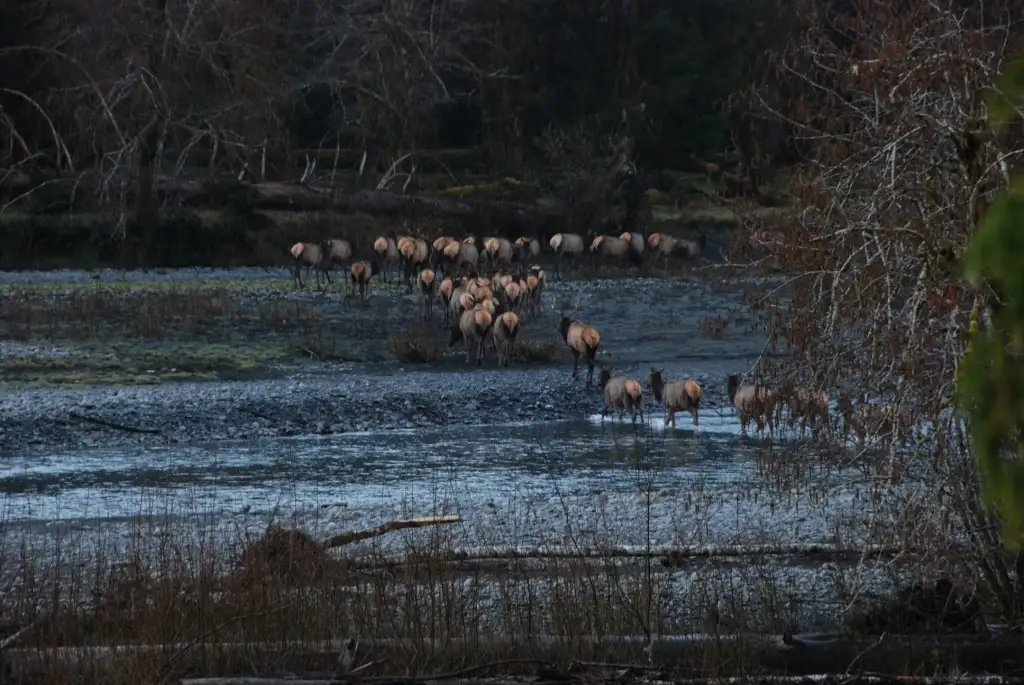
In the park, humans are visitors to wild animals' home. Treat that home with respect and care.
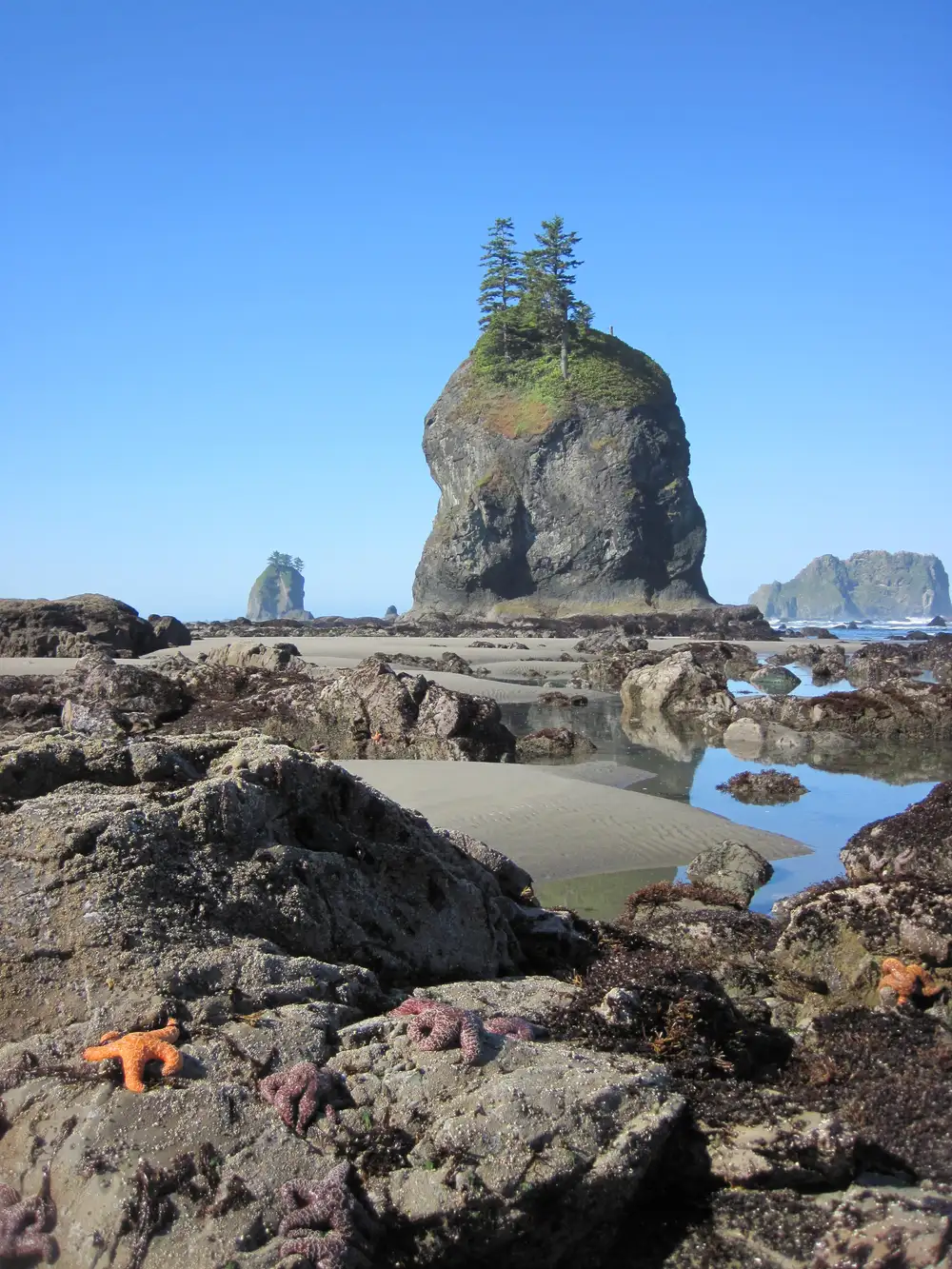
Some beaches let you see sea creatures up close without leaving the sand. Tidepools hold sea stars, anemones, barnacles, nudibranchs, crabs, and more.
This app covers front country: places you can reach by car, bike, or short hike. For the back country, the Wilderness Information Center (WIC) is where rangers talk through routes, gear, and trail conditions, and set you up with a permit.
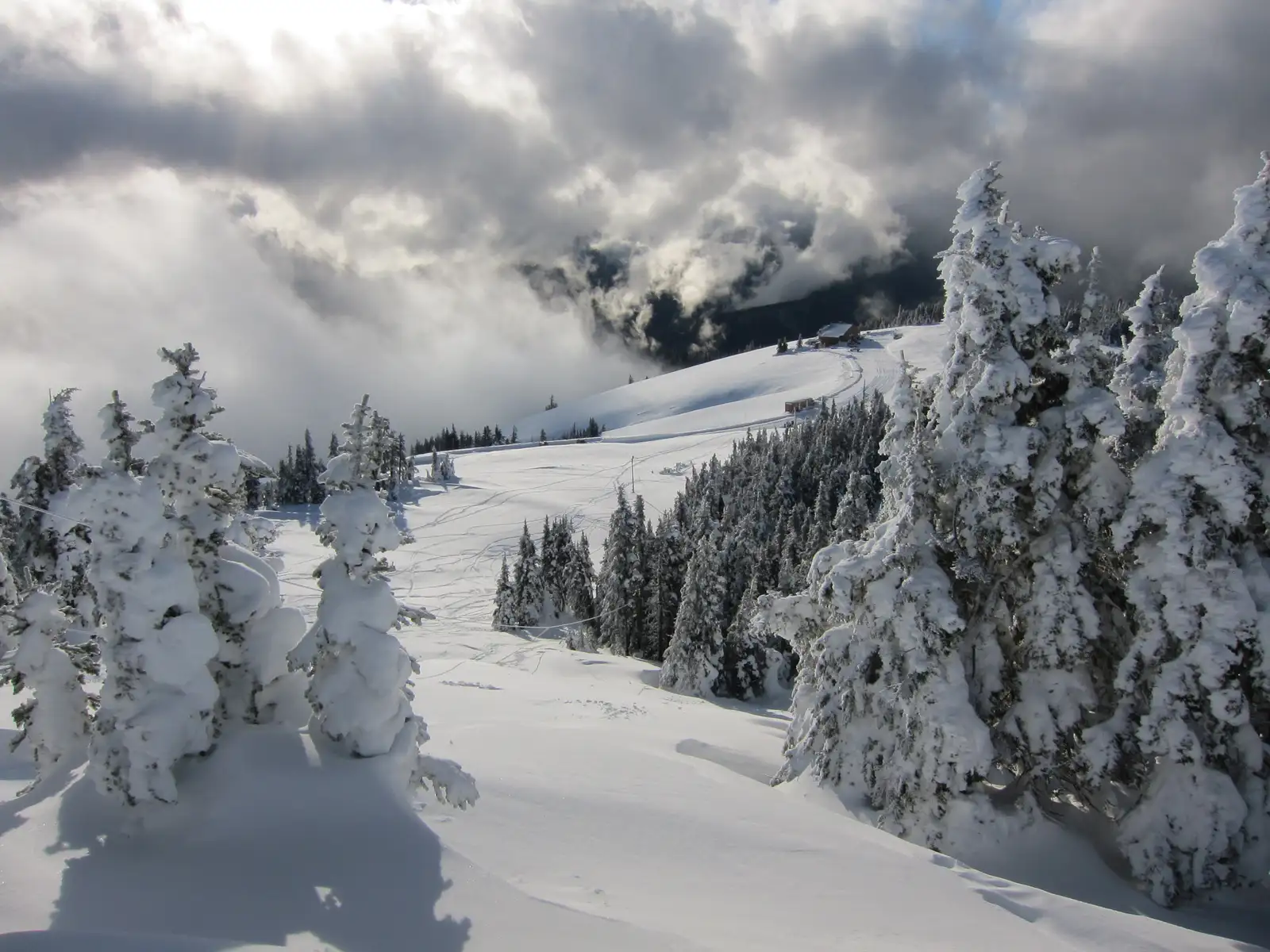
Hurricane Ridge is the spot for snowshoeing, cross-country and downhill skiing, snowboarding, tubing, and more. The winter season generally runs mid-December through the end of March.
Details and current conditions live on nps.gov.
From the field
Common questions
When is the best time to visit Olympic National Park?
July through September bring the warmest, driest weather, with highs from the upper 60s to mid-70s, but they are also the most crowded. For fair conditions with thinner crowds, aim for late spring or early fall, and expect wetter weather from October through early spring.
How crowded does Olympic National Park get?
Olympic gets very busy in summer, with August the single busiest month and June through September drawing more than half the year's visitors. Crowds concentrate between 10 a.m. and 2 p.m., especially at Hurricane Ridge and the Hoh Rain Forest, while December and January are the quietest months.
Is Olympic National Park dog-friendly?
Only in limited areas, and always on a leash no longer than six feet. Dogs are allowed on a handful of trails such as Spruce Railroad, Madison Falls, Peabody Creek, and July Creek Loop, on certain beaches including Rialto to Ellen Creek and the Kalaloch area, and in developed campgrounds, picnic areas, and parking lots. They are not permitted on rainforest or wilderness trails or on park shuttles, though service animals are exempt.
What is the quietest trail in Olympic National Park?
The park points to Aurora Creek, Lover's Lane, and the upper Hoh River Trail as the least crowded, because they are steep, hard to find, or lie beyond where most visitors turn around. Most people stay within a mile of paved paths, so walking past short loops like Hall of Mosses quickly thins the crowd.
Is Olympic National Park accessible for wheelchairs and strollers?
Yes, in part. Olympic has several paved or accessible trails such as Madison Falls, the Hoh Mini Trail, and stretches of the Spruce Railroad Trail, plus accessible visitor centers at Port Angeles and Hurricane Ridge with wheelchairs available to borrow. Most backcountry trails, many campgrounds, and park transportation are not accessible.
Can you camp at Olympic National Park?
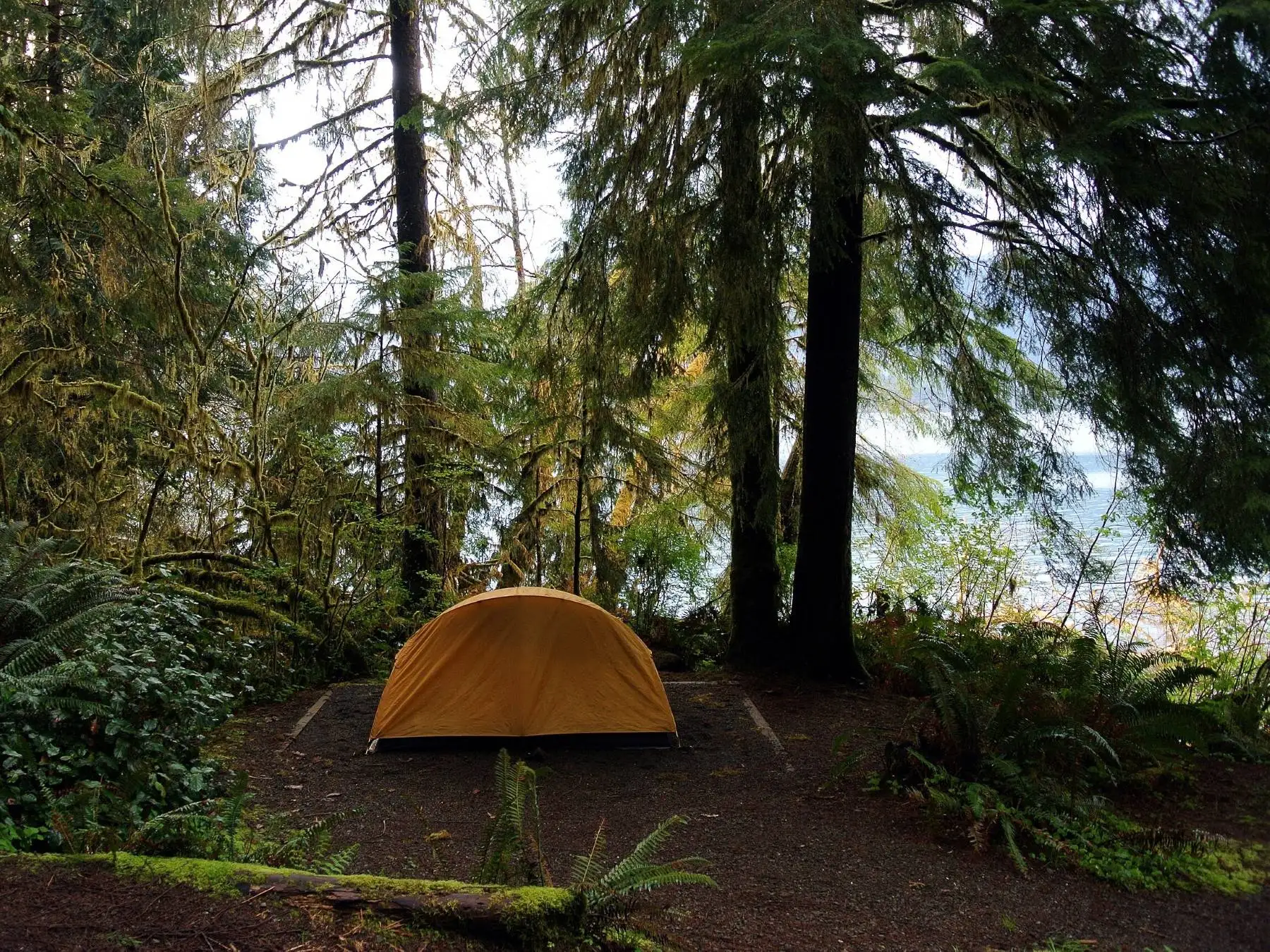
Yes, at six developed campgrounds including Hoh, Kalaloch, Mora, Fairholme, Sol Duc, and Staircase, plus primitive options. Nightly fees run from about $15 to $65, with several campgrounds reservable on Recreation.gov and others first-come, first-served.
Where do you park at Olympic National Park?
Parking is very limited at popular spots, and the Hurricane Ridge and Hoh Rain Forest lots often fill by 10 a.m. on summer weekends, which triggers metering and waits of one to two hours. Arrive before 8 a.m. or after 5 p.m., or take the Clallam Transit summer bus from Port Angeles to Hurricane Ridge.
Do you need a reservation to enter Olympic National Park?
No, Olympic has no park-wide timed-entry reservation for general day visits or trail access as of 2026. You only need a wilderness permit for overnight backcountry camping, and campground reservations for certain sites in peak season.
How much does it cost to enter Olympic National Park?
A private vehicle pass costs $30 and is valid for seven consecutive days. Motorcycles are $25, individuals on foot or bike are $15, and an annual Olympic pass is $55.