
North Cascades National Park
Sedro-Woolley, Washington · Pacific Northwest
The reset that follows you home
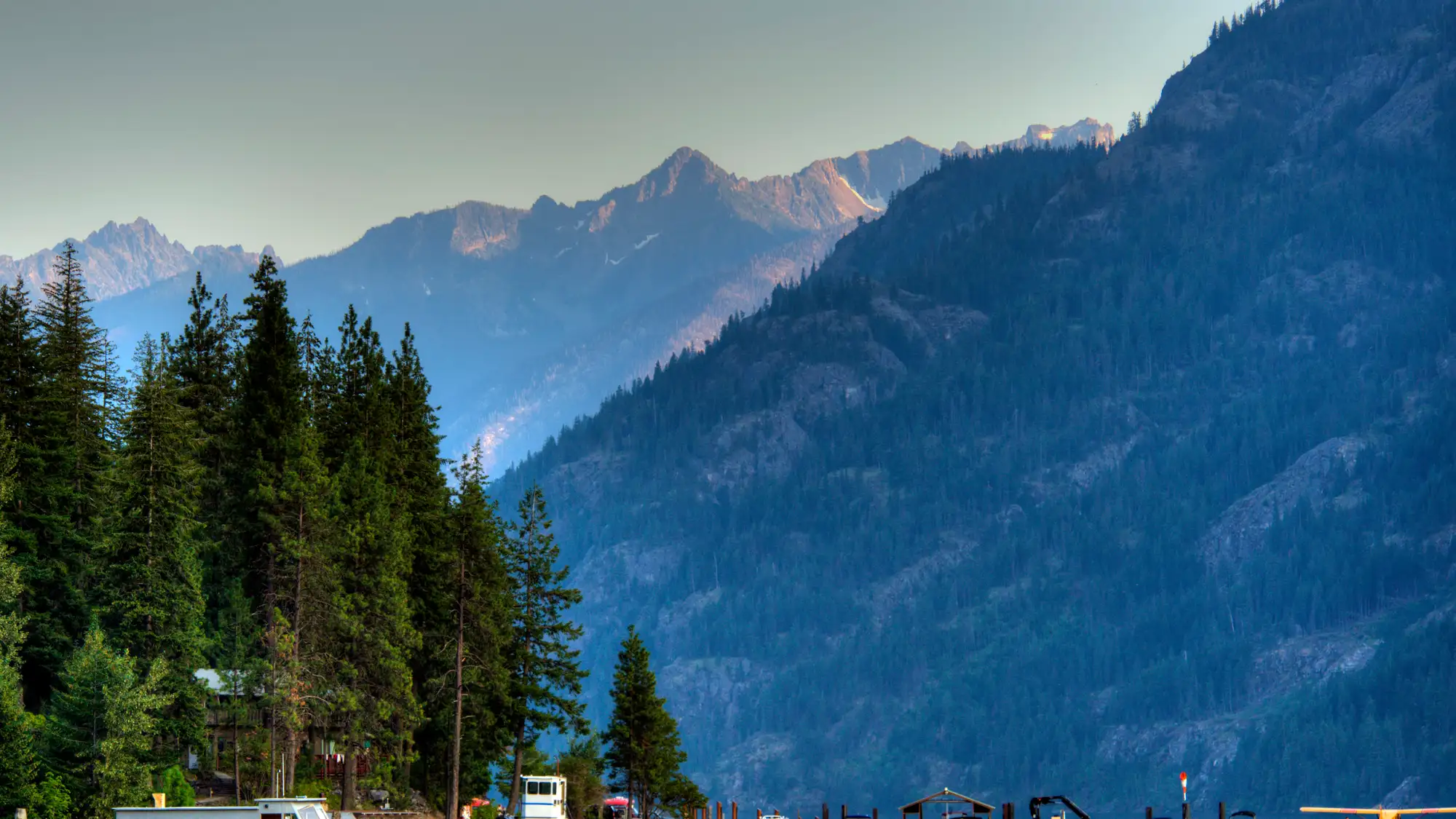
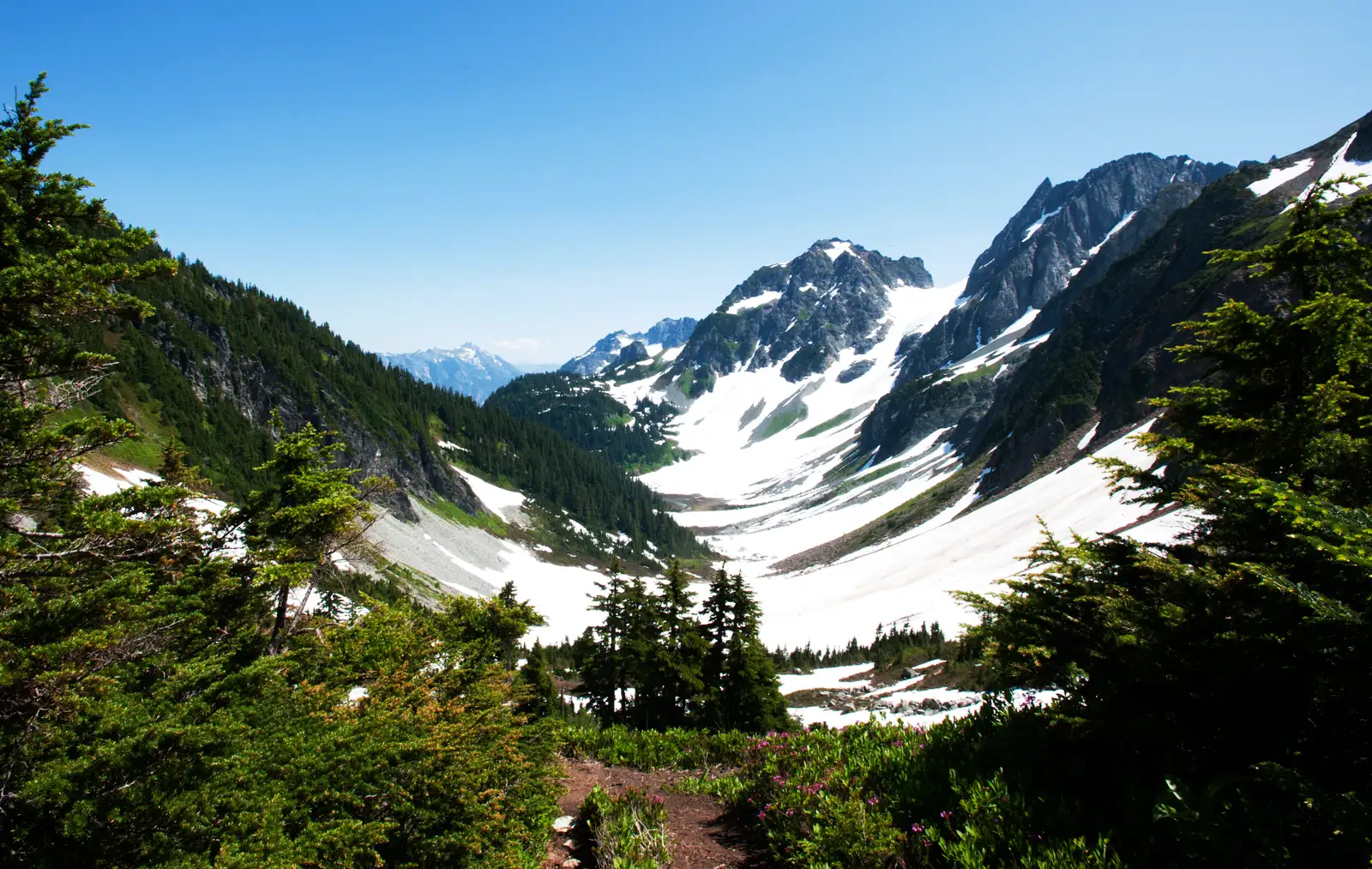
North Cascades is one of the least-visited national parks in the lower 48, even though it sits less than three hours from Seattle. State Route 20 threads past forested valleys and turquoise reservoirs, but the heart of the park is roadless: jagged peaks crowned by more than 300 glaciers, cascading water in the drainages below, and a wilderness where a backcountry permit is the price of admission. Most people who come here come to walk into it.
paragraphs are 2-4 sentences
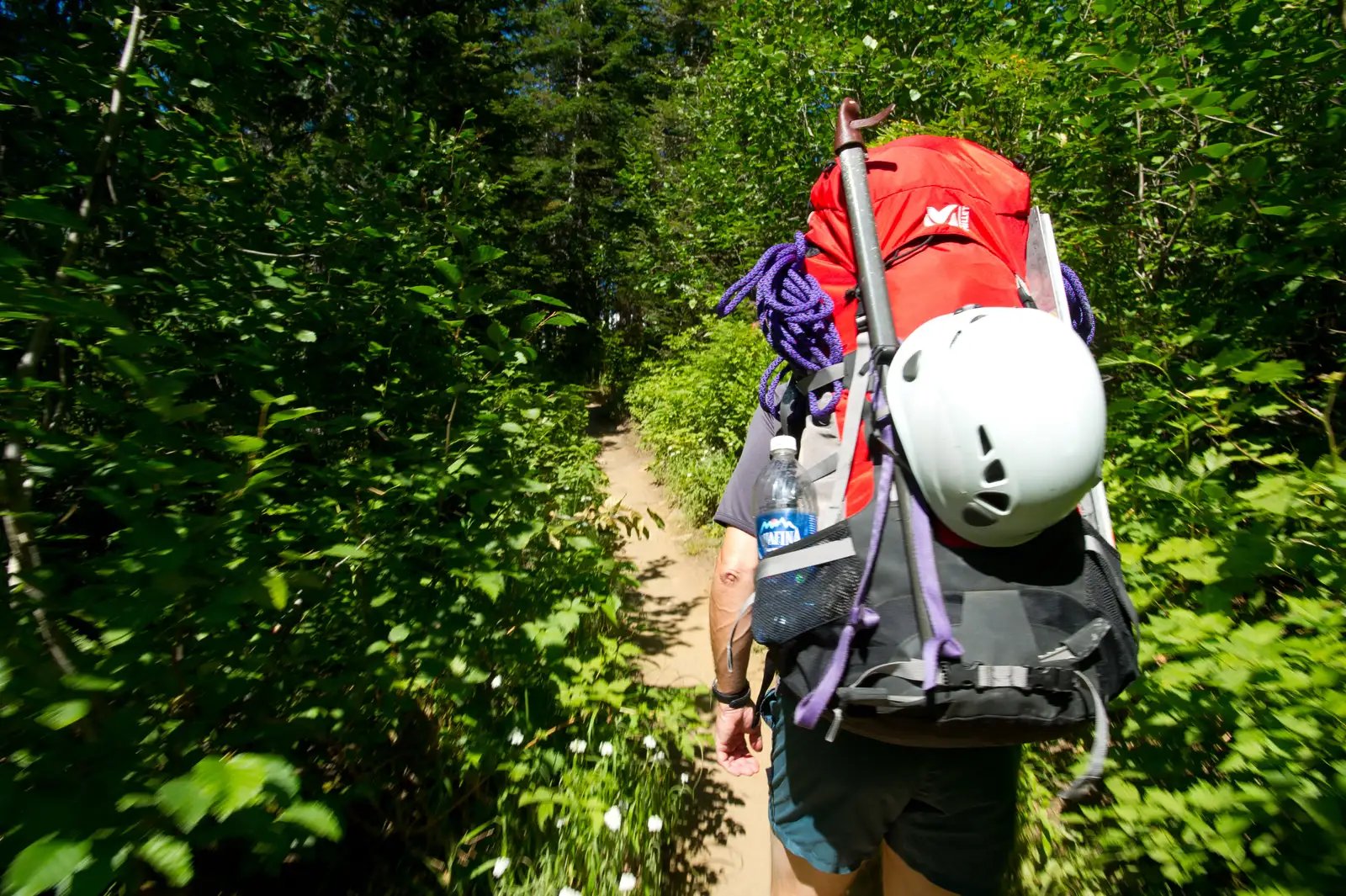
That structure changes what the place can do for you. A day hike gives you a good view and a quieter afternoon, but this park is built around multi-day trips: reserve a permit, shoulder a pack, and disappear into a valley for a few nights. The longer you stay away from the demands you drove in with, the more the reset compounds.
So the honest promise of North Cascades is not a single overlook. It is time. Give the place several days of walking, cold clear water, and glacier-lit silence, and what settles does not evaporate the moment you reach the trailhead again.
The science: Researchers who followed combat veterans through a 3.5-day mountain wilderness program found their depression, anxiety, and PTSD symptoms dropped, and the change was still measurable six weeks later, well after they had gone home. North Cascades is built for exactly that kind of trip: year-round backcountry permits, remote valleys, and a landscape where several nights of walking and camping is the normal way to see it. It was self-report and self-selected, so read it as encouragement rather than proof, but the durability is the part worth planning around.
Vella, Lyman & Lovering (2023) · Military Behavioral Health
Seasonal guide
Crowd levels use NPS monthly visitation, averaged 2015–2025. Excludes 2020 (COVID anomaly) and 2026 (partial year). Temperatures are NOAA climate normals from a station 2.9 miles away. Busy does not mean bad. If a peak month is your only window, the season notes below tell you how to work it.
Winter is deep and empty here, with highs in the upper 30s to low 40s, lows near freezing, and January piling on over 12 inches of precipitation as rain and snow. State Route 20 closes between the Ross Dam Trailhead and Lone Fir, cutting off much of the high country. Come for genuine solitude, stick to accessible lower-elevation areas, and note that Goodell Creek stays open first-come with no services.
Spring warms slowly, with highs climbing from the upper 40s in March to the mid-60s by May, while snow lingers on higher trails into July. March and April stay quiet before May brings the first real crowds, and storms remain common. Focus on lower valley trails, come dressed for wet weather, and enjoy the early wildlife and greening forest.
Summer is the prime window and the busiest, with July and August highs in the upper 70s at Diablo Dam and Stehekin on the drier east side reaching the 90s. These are the driest months and snow is off most trails by mid-July. Reserve campgrounds and backcountry permits well ahead, start early, and aim for weekdays or remote trailheads to sidestep the peak.
Early fall holds warm, clear stretches with September highs in the low 70s, then temperatures fall into the mid-40s and rain climbs back over 13 inches by November. September stays busy for its color and wildlife before crowds thin sharply. Go in September or October for autumn color and cooling air, and be ready for early storms and shortening days.
This month in the park
Timing changes everything out here. Pick a month to see when the light turns golden, which nights stay darkest for stargazing, and what visitors have actually recorded in bloom and on the move. The new-moon night is the one to plan a sky-watching evening around.
January 2027
Wildlife on the move · 3 species on record
- Mule Deer 1 sightings
- Douglas's Squirrel 1 sightings
- Boreal Burying Beetle 1 sightings
February 2027
Wildlife on the move · 5 species on record
- Bald Eagle 1 sightings
- American Dipper 1 sightings
- American Beaver 1 sightings
- Wapiti 1 sightings
- Downy Woodpecker 1 sightings
March 2027
In bloom · 2 species on record
- ❀ Pacific trillium 1 sightings
- ❀ Oregon Boxwood 1 sightings
Wildlife on the move · 23 species on record
- Mule Deer 5 sightings
- Red-breasted Sapsucker 2 sightings
- Mountain Lion 2 sightings
- Mountain Goat 2 sightings
- Mourning Cloak 2 sightings
April 2027
In bloom · 26 species on record
- ❀ Pacific trillium 9 sightings
- ❀ Red-flowering Currant 3 sightings
- ❀ Pacific Dogwood 2 sightings
- ❀ Yellow fritillary 2 sightings
- ❀ Fairy-slipper 1 sightings
Wildlife on the move · 48 species on record
- Mule Deer 5 sightings
- Yellow-rumped Warbler 4 sightings
- Common Raven 3 sightings
- American Robin 3 sightings
- Canada Goose 2 sightings
May 2027
In bloom · 99 species on record
- ❀ Fairy-slipper 13 sightings
- ❀ Pacific trillium 9 sightings
- ❀ Threeleaf Foamflower 8 sightings
- ❀ Western Starflower 8 sightings
- ❀ Bearberry 7 sightings
Wildlife on the move · 150 species on record
- Mule Deer 17 sightings
- American Black Bear 11 sightings
- Yellow-spotted Millipede 10 sightings
- Pacific Banana Slug 9 sightings
- Pale Swallowtail 9 sightings
June 2027
In bloom · 98 species on record
- ❀ Pipsissewa 21 sightings
- ❀ Threeleaf Foamflower 16 sightings
- ❀ Little Prince's Pine 13 sightings
- ❀ Bride's Bonnet 10 sightings
- ❀ Western columbine 9 sightings
Wildlife on the move · 217 species on record
- Mule Deer 30 sightings
- Douglas's Squirrel 20 sightings
- Evening Grosbeak 15 sightings
- Hairy Woodpecker 14 sightings
- American Robin 13 sightings
July 2026
In bloom · 133 species on record
- ❀ Pipsissewa 26 sightings
- ❀ Threeleaf Foamflower 14 sightings
- ❀ Western columbine 13 sightings
- ❀ Bride's Bonnet 12 sightings
- ❀ Fireweed 12 sightings
Wildlife on the move · 241 species on record
- Mountain Goat 45 sightings
- Hoary Marmot 41 sightings
- Sooty Grouse 40 sightings
- Mule Deer 30 sightings
- American Pika 23 sightings
August 2026
In bloom · 76 species on record
- ❀ Mountain Bog Gentian 17 sightings
- ❀ Fringed Grass of Parnassus 15 sightings
- ❀ Western columbine 14 sightings
- ❀ Pearly everlasting 10 sightings
- ❀ Partridgefoot 7 sightings
Wildlife on the move · 224 species on record
- Hoary Marmot 49 sightings
- American Pika 41 sightings
- Mountain Goat 38 sightings
- Western Toad 36 sightings
- American Black Bear 24 sightings
September 2026
In bloom · 25 species on record
- ❀ Threeleaf Foamflower 5 sightings
- ❀ Fringed Grass of Parnassus 4 sightings
- ❀ Pearly everlasting 3 sightings
- ❀ Tansy 3 sightings
- ❀ Fireweed 3 sightings
Wildlife on the move · 151 species on record
- American Pika 24 sightings
- Douglas's Squirrel 20 sightings
- American Black Bear 18 sightings
- Hoary Marmot 18 sightings
- Sockeye Salmon 16 sightings
October 2026
In bloom · 2 species on record
- ❀ Threeleaf Foamflower 1 sightings
- ❀ Cusick's speedwell 1 sightings
Wildlife on the move · 72 species on record
- American Black Bear 10 sightings
- Pink Salmon 10 sightings
- American Pika 9 sightings
- American Dipper 8 sightings
- Sooty Grouse 7 sightings
November 2026
Wildlife on the move · 11 species on record
- Mule Deer 5 sightings
- Barrow's Goldeneye 2 sightings
- American Dipper 2 sightings
- Pacific Sideband 2 sightings
- Bufflehead 1 sightings
December 2026
Wildlife on the move · 2 species on record
- Trumpeter Swan 1 sightings
- Douglas's Squirrel 1 sightings
Sun and moon times are computed for the park's coordinates from standard NOAA solar equations and cross-checked against the U.S. Naval Observatory. Species lists are research-grade community observations for North Cascades National Park Service Complex, US, WA via iNaturalist, retrieved July 2026; sighting counts are all-time records for that calendar month.
Don’t wait for North Cascades.
One big trip a year isn’t what changes how you feel — the small stuff in between is. The 7-Day Nature Reset is one tiny outdoor practice a day, wherever you already are. Day one takes 60 seconds.
No spam. No noise. Just nature.
Day 1 is landing in your inbox right now — go say hi.
Activities & experiences
Beyond the trails
The lakes and rivers here draw plenty of anglers. Fishing is a popular way to spend time on the water.
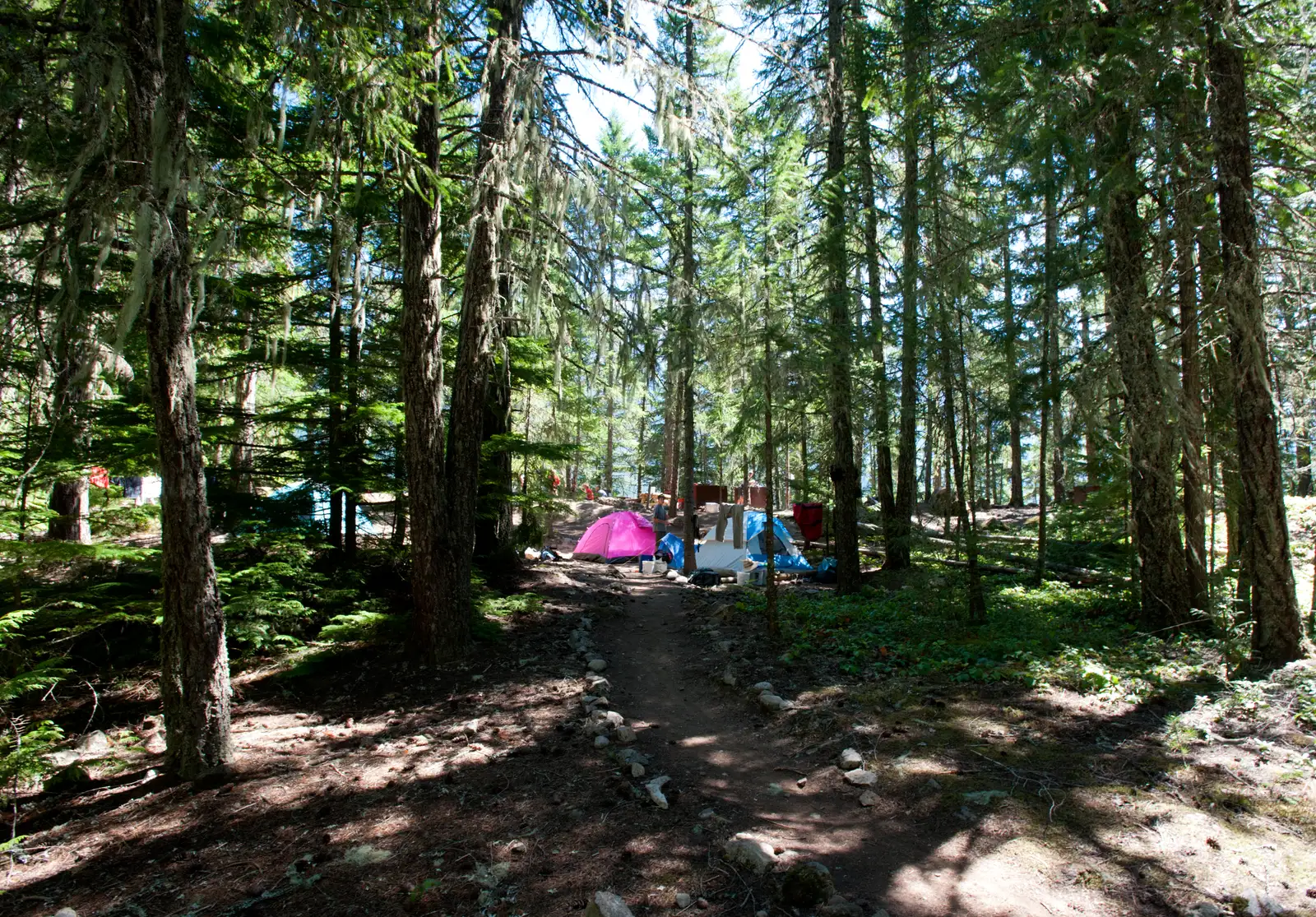
Backcountry camping rewards hikers who come prepared. Do the planning first, then head out.
The lakes are made for paddling. Kayaks, canoes, and paddleboards all get used here.
Motorboaters have their pick of water. Gorge, Diablo, and Ross lakes and Lake Chelan are all open to them.
Whitewater fans head for the Skagit and Stehekin rivers, mostly in summer. Both draw rafters and kayakers.
Details and current conditions live on nps.gov.
From the field
Common questions
When is the best time to visit North Cascades National Park?
Mid-June through late September offers the most reliable weather, with summer daytime highs in the 70s and snow off most trails by mid-July. Autumn and spring draw visitors for fall color and wildlife, but storms are common year-round, so pack for a few days of rain and wind whenever you go.
Is North Cascades National Park dog-friendly?
Dogs are generally prohibited in the park and allowed only leashed on the Pacific Crest Trail and within 50 feet of roads, not on other trails or on park shuttles. Leashed pets are welcome in the adjacent Ross Lake and Lake Chelan National Recreation Areas and on most surrounding national forest lands.
What is the quietest trail in North Cascades?
Visitors consistently point to Cutthroat Lake, Hidden Lake Lookout, and Thornton Lake as the least-crowded trails, largely because remote trailheads and rough access roads deter most people. With the park's low overall visitation, even moderately difficult trails often offer solitude, while the most isolated ones stay overlooked by anyone seeking convenience.
How busy does North Cascades get?
It is one of the quieter national parks, but July and August are the clear peak, with roughly 9,000 and 8,500 recorded visitors, dropping off sharply after September. December through February are the quietest months by far, with fewer than 60 visitors on average, so winter delivers near-total solitude for those prepared for the conditions.
Is North Cascades National Park accessible for wheelchairs?
Accessibility is limited but real, centered on the fully accessible Trail of the Cedars, a 0.3-mile loop, plus accessible parking and restrooms at the North Cascades Visitor Center and Wilderness Information Center. The first mile of Stehekin Valley Road is flat and paved, though most park trails are steep mountain hikes and roads like SR 20 close seasonally.
Can you camp at North Cascades National Park?
Yes, the park has several drive-in campgrounds along State Route 20 plus Stehekin and backcountry sites, with nightly fees running from about $20 to $75. Goodell Creek stays open year-round on a first-come basis with no fee or services outside the operational season, while the other drive-in campgrounds are reservable through recreation.gov.
Do you need a permit for North Cascades National Park?
A permit is required year-round for any overnight backcountry stay, including camping and mountaineering, but no timed-entry or day-use reservation is needed for driving, day hiking, or popular areas like Cascade Pass. Reserve backcountry permits on recreation.gov at least two days ahead, or get walk-up permits at the Wilderness Information Center in Marblemount.
Is there an entrance fee for North Cascades National Park?
There is no entrance fee to visit North Cascades National Park, and no parking pass is required at trailheads within the park. Campgrounds charge nightly fees and backcountry permits carry a small per-person cost, and hikes starting on adjacent national forest land may need a Northwest Forest Pass.
Where do you park at North Cascades National Park?
Most visitors park directly at trailheads along State Route 20, where there are no parking fees or passes required. Dedicated parking is also available at the North Cascades Visitor Center in Newhalem, and overnight parking is restricted to designated campgrounds only.