
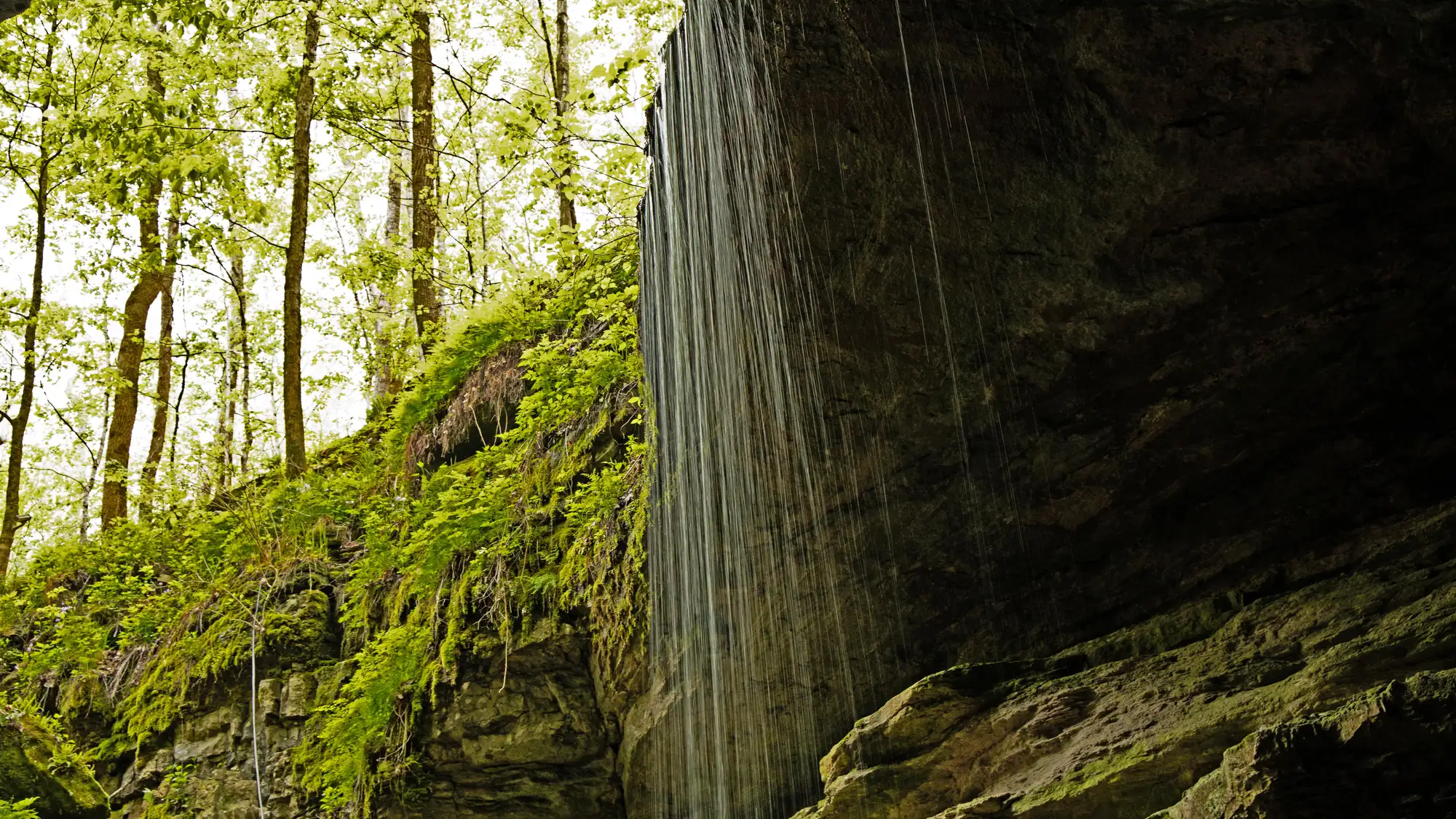
Mammoth Cave National Park
Mammoth Cave, Kentucky · Southeast
The cave takes the load off
Go underground at Mammoth Cave and the day gets simpler in a hurry. The cave holds a constant 54 degrees no matter the season overhead, the only light is what your guide carries, and the everyday racket you brought in has nothing to echo off. It is the longest known cave system on Earth, yet being inside it feels close and contained rather than vast.
The surface keeps a gentler version of the same quiet. Rolling hills and deep river valleys sit over the karst, the Green River winds through the middle of it, and nearly all of the roughly 747,000 people who visit each year cluster around the historic entrance. Cross to the north side or walk the outer trails and the crowd thins to almost nothing.
That is the real offer here. Whether you drop into the dark or wander a quiet loop above it, the park keeps pulling inputs off your plate rather than piling new ones on.
The science: In a study of adults with anxiety and depression, a single hour of floating in a dark, silent, skin-temperature salt tank produced a very large drop in state anxiety and a large rise in serenity, and what did the work was the removal of input rather than anything pleasant added. A cave tour is not a flotation tank, but it subtracts the same things: underground, the constant noise, the shifting light, and the temperature swings above all fall away. What is left is a quiet the surface rarely delivers.
Feinstein, Khalsa, Yeh, Wohlrab, Simmons, Stein & Paulus (2018) · PLOS ONE
Seasonal guide
Crowd levels use NPS monthly visitation, averaged 2015–2025. Excludes 2020 (COVID anomaly) and 2026 (partial year). Temperatures are NOAA climate normals from a station 4.7 miles away. Busy does not mean bad. If a peak month is your only window, the season notes below tell you how to work it.
Winter is the calmest stretch, with highs from the high 40s to low 50s, lows near freezing, and occasional snow or ice. The cave itself holds a steady 54°F, so this is a fine time to tour without the summer lines. Dress in warm layers, watch the forecast for icy roads, and book a tour ahead even in the off-season, since holiday weeks still fill.
Spring brings school groups and rising crowds, with highs climbing from the low 60s in March to the low 80s by May. This is also the wettest season, averaging about five inches of rain a month, and storms can bring flooding in low-lying areas. Pack rain gear, reserve cave tours in advance, and use the quieter north-side trails when the visitor center gets busy.
Summer is peak season, and July and August alone account for more than half the year's visitors, with highs near 90°F and humid air. The cave's constant 54°F is a genuine relief from the heat. Reserve tours weeks ahead, arrive early before lots overflow, and cool off underground during the hottest part of the day.
Fall eases off, with highs falling from the mid-80s in September to the low 60s by November and campgrounds quieting down. Cave tour tickets can still sell out on holidays and school breaks, so reserve ahead. The mild, drier weather makes it one of the better windows for the surface trails and river valleys.
This month in the park
Timing changes everything out here. Pick a month to see when the light turns golden, which nights stay darkest for stargazing, and what visitors have actually recorded in bloom and on the move. The new-moon night is the one to plan a sky-watching evening around.
January 2027
Wildlife on the move · 21 species on record
- White-tailed Deer 6 sightings
- Northern Zigzag Salamander 3 sightings
- American Toad 2 sightings
- Mammoth Cave Cricket 2 sightings
- Wild Turkey 1 sightings
February 2027
Wildlife on the move · 21 species on record
- Wood Frog 5 sightings
- Mammoth Cave Cricket 5 sightings
- Spotted Salamander 3 sightings
- White-tailed Deer 3 sightings
- Eastern Gray Squirrel 3 sightings
March 2027
In bloom · 60 species on record
- ❀ Virginia saxifrage 55 sightings
- ❀ Cut-leaved toothwort 43 sightings
- ❀ Yellow Corydalis 34 sightings
- ❀ Toadshade 28 sightings
- ❀ Virginia Springbeauty 20 sightings
Wildlife on the move · 99 species on record
- Northern Zigzag Salamander 29 sightings
- Mammoth Cave Cricket 17 sightings
- White-tailed Deer 12 sightings
- Eastern Newt 10 sightings
- Spotted Salamander 9 sightings
April 2027
In bloom · 112 species on record
- ❀ Fire pink 50 sightings
- ❀ Celandine Poppy 45 sightings
- ❀ Dwarf larkspur 43 sightings
- ❀ Blue phlox 42 sightings
- ❀ Wild geranium 37 sightings
Wildlife on the move · 244 species on record
- Zebra Swallowtail 34 sightings
- Eastern Tiger Swallowtail 29 sightings
- Pipevine Swallowtail 21 sightings
- Eastern Tent Caterpillar Moth 21 sightings
- Six-spotted Tiger Beetle 20 sightings
May 2027
In bloom · 69 species on record
- ❀ Guyandotte beauty 31 sightings
- ❀ Purple Rocket 14 sightings
- ❀ American tuliptree 13 sightings
- ❀ Partridgeberry 7 sightings
- ❀ Honewort 7 sightings
Wildlife on the move · 318 species on record
- Eastern Tiger Swallowtail 31 sightings
- Wild Turkey 28 sightings
- Mammoth Cave Cricket 24 sightings
- Cave Salamander 23 sightings
- White-tailed Deer 21 sightings
June 2027
In bloom · 37 species on record
- ❀ Pointed-leaved tick-trefoil 6 sightings
- ❀ Wild hydrangea 5 sightings
- ❀ American germander 4 sightings
- ❀ White avens 3 sightings
- ❀ Widow's-cross 3 sightings
Wildlife on the move · 274 species on record
- White-tailed Deer 23 sightings
- Eastern Tiger Swallowtail 16 sightings
- Eastern Gray Squirrel 15 sightings
- Pipevine Swallowtail 15 sightings
- Fowler's Toad 15 sightings
July 2026
In bloom · 48 species on record
- ❀ American germander 6 sightings
- ❀ Rosepink 5 sightings
- ❀ American lopseed 4 sightings
- ❀ Crane-fly orchid 4 sightings
- ❀ Carolina ruellia 4 sightings
Wildlife on the move · 275 species on record
- White-tailed Deer 32 sightings
- American Bullfrog 32 sightings
- Wild Turkey 28 sightings
- Eastern Copperhead 25 sightings
- Fowler's Toad 21 sightings
August 2026
In bloom · 33 species on record
- ❀ White snakeroot 6 sightings
- ❀ Flowering spurge 3 sightings
- ❀ Leafy elephant's-foot 3 sightings
- ❀ American jumpseed 3 sightings
- ❀ Tall bellflower 3 sightings
Wildlife on the move · 286 species on record
- Banded Tussock Moth 34 sightings
- White-tailed Deer 28 sightings
- Wild Turkey 27 sightings
- Fowler's Toad 21 sightings
- Eastern Tiger Swallowtail 20 sightings
September 2026
In bloom · 34 species on record
- ❀ White snakeroot 9 sightings
- ❀ Blue mistflower 7 sightings
- ❀ Wingstem 4 sightings
- ❀ Tall bellflower 3 sightings
- ❀ Cardinal flower 2 sightings
Wildlife on the move · 191 species on record
- White-tailed Deer 26 sightings
- Banded Tussock Moth 19 sightings
- Fowler's Toad 17 sightings
- Wild Turkey 13 sightings
- Mammoth Cave Cricket 11 sightings
October 2026
In bloom · 5 species on record
- ❀ White snakeroot 5 sightings
- ❀ Canada clearweed 2 sightings
- ❀ Blue mistflower 1 sightings
- ❀ Downy lobelia 1 sightings
- ❀ Bluestem goldenrod 1 sightings
Wildlife on the move · 115 species on record
- White-tailed Deer 18 sightings
- Mammoth Cave Cricket 10 sightings
- Wild Turkey 9 sightings
- Eastern Gray Squirrel 7 sightings
- Eastern Copperhead 6 sightings
November 2026
Wildlife on the move · 42 species on record
- White-tailed Deer 11 sightings
- Northern Zigzag Salamander 6 sightings
- Mammoth Cave Cricket 6 sightings
- Asian Lady Beetle 3 sightings
- Eastern Cave Long-jawed Spider 3 sightings
December 2026
Wildlife on the move · 21 species on record
- White-tailed Deer 11 sightings
- Mammoth Cave Cricket 7 sightings
- Eastern Gray Squirrel 4 sightings
- Wild Turkey 3 sightings
- Pickerel Frog 2 sightings
Sun and moon times are computed for the park's coordinates from standard NOAA solar equations and cross-checked against the U.S. Naval Observatory. Species lists are research-grade community observations for Mammoth Cave National Park, US, KY via iNaturalist, retrieved July 2026; sighting counts are all-time records for that calendar month.
Don’t wait for Mammoth Cave.
One big trip a year isn’t what changes how you feel — the small stuff in between is. The 7-Day Nature Reset is one tiny outdoor practice a day, wherever you already are. Day one takes 60 seconds.
No spam. No noise. Just nature.
Day 1 is landing in your inbox right now — go say hi.
Sleep nearby
Most visitors base in Bowling Green, KY, about 25 miles out. Its larger urban size and interstate location offer far more rooms and better prices. Cave City is only about 10 miles from the park but has a smaller concentration of chain hotels and budget motels. The map opens on Bowling Green, so pan toward the park to trade rooms and price for a shorter morning drive.
Camping inside the park books through Recreation.gov and is listed separately.
The map is provided by Stay22. If you book through it we may earn a commission at no cost to you, which helps keep Happier Outdoors running. It never changes what we recommend.
Activities & experiences
Beyond the trails
Humans have watched the night sky since prehistoric times, using stars and planets to navigate, keep time, and connect across cultures. Whatever your reason for looking up, this park makes a good place to do it.
The park holds a wide range of plant and animal life, from rare cave species to common woodland creatures. Seeing them can be a highlight, but these animals are wild. Take precautions to keep both yourself and the wildlife safe.
A short paddle down the Green River, running from Houchin Ferry inside the park to the former site of Lock and Dam #6 or the Brownsville boat ramp.
This route puts in at the Tailwater Recreation Area below the Nolin River Dam, just north of the park.
Less traveled than the popular Dennison Ferry to Green River Ferry run, this longer stretch of the Green River offers more quiet on the water.
Paddlers on this well-loved trip start at the Dennison Ferry Day Use Area and finish at the Green River Ferry.
Details and current conditions live on nps.gov.
From the field
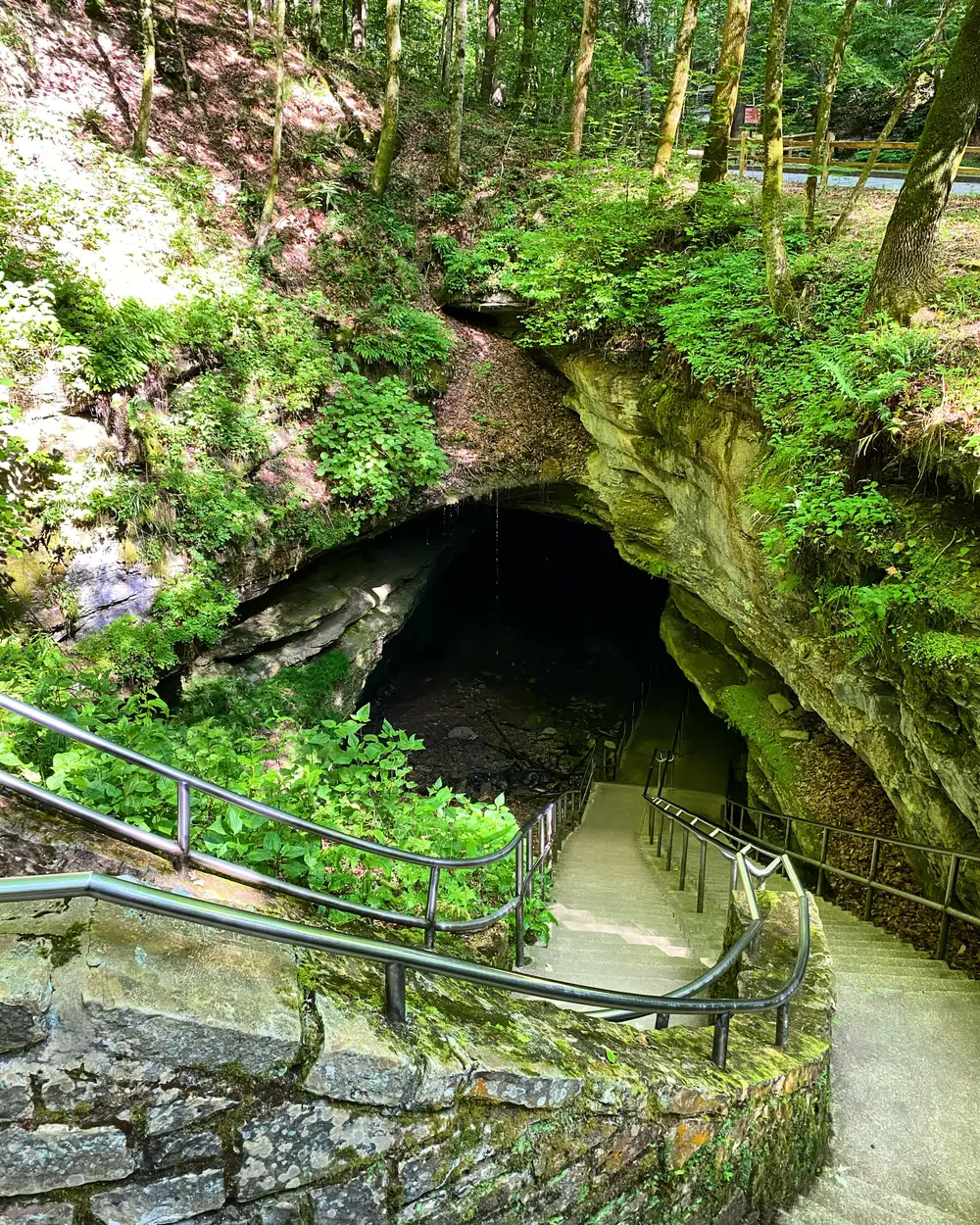
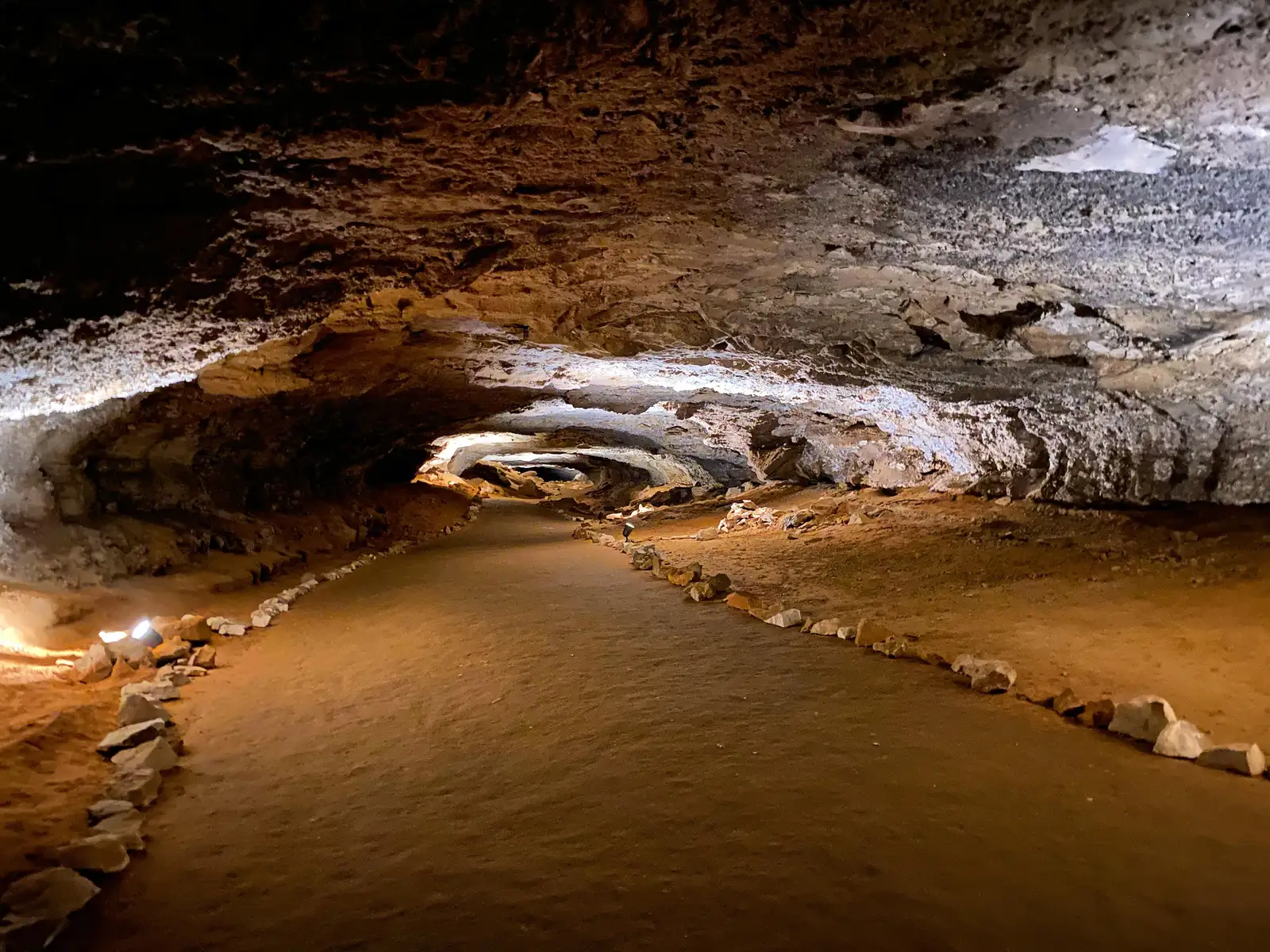
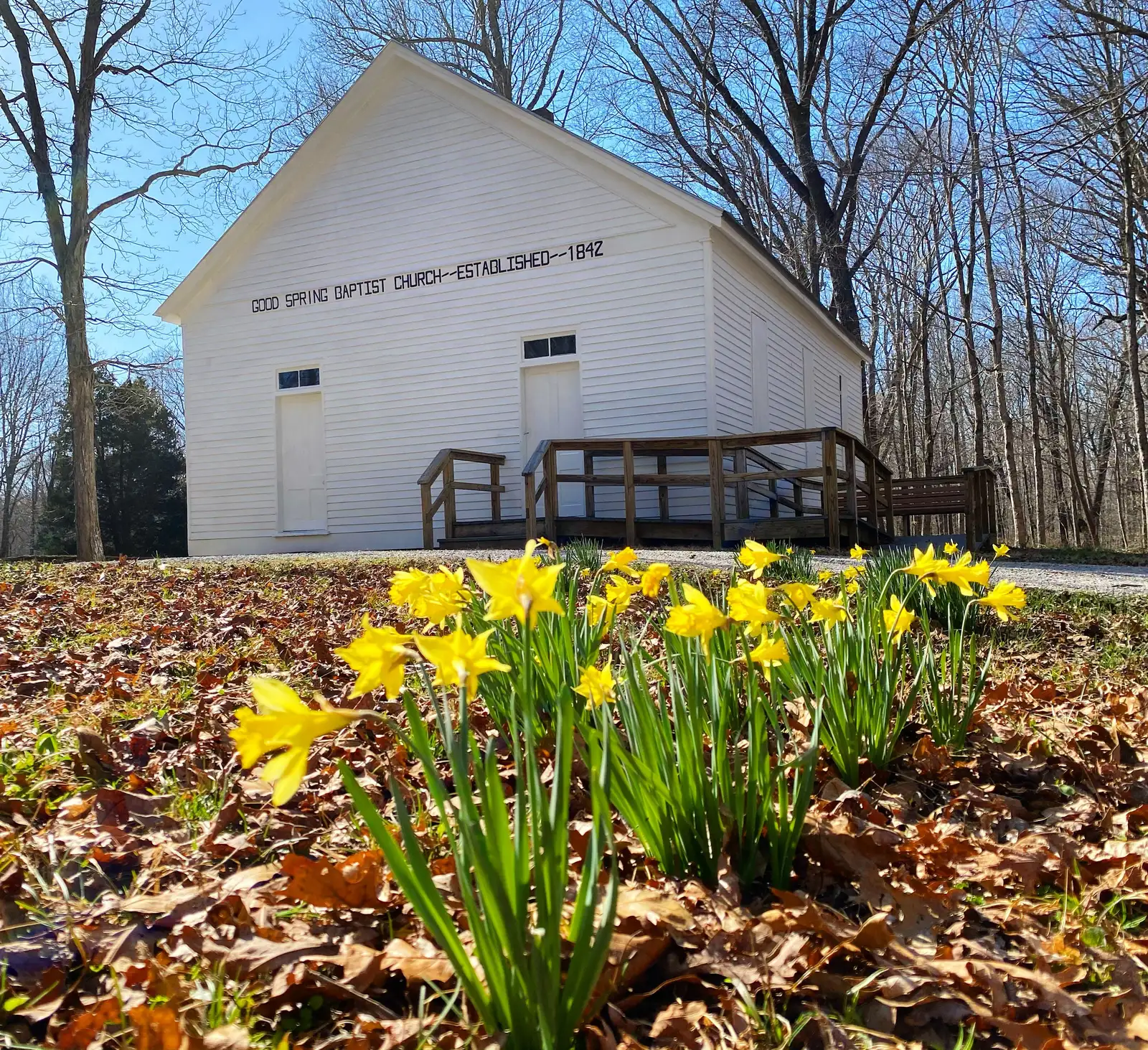
Common questions
When is the best time to visit Mammoth Cave National Park?
The cave stays a constant 54°F year-round, so the best time depends on what you want above ground. Winter, from December through February, is the quietest by far, with cool days in the 40s and 50s and occasional snow or ice. July and August are the busiest, together drawing more than half the year's visitors, so bring a jacket for the cave and reserve tours well ahead.
Is Mammoth Cave National Park dog-friendly?
Yes, leashed dogs are welcome on all surface trails, paved paths, and park roads, but they are not allowed in the cave, in park buildings, or on the tour buses. Leashes must be six feet or shorter at all times. For cave visits, The Lodge at Mammoth Cave runs a day-use kennel for dogs and cats, with fees and proof of vaccination required.
What is the quietest trail at Mammoth Cave National Park?
The Sand Cave Trail, Sloan's Crossing Pond Walk, Turnhole Bend Nature Trail, and the Buffalo Trail are the park's quietest, least-crowded paths. Most visitors never leave the cave area near the historic entrance, so these short loops and the north-side backcountry stay calm. The Buffalo Trail is a 5.5-mile out-and-back from the Maple Springs trailhead on the north side of the Green River.
How crowded does Mammoth Cave National Park get?
Mammoth Cave drew about 747,000 visitors in 2024, and it gets busiest in July and August, which together account for more than half of annual visitation. Congestion concentrates around the historic entrance and visitor center, where cave tours often sell out. Reservations are the only reliable way to secure a tour spot, since walk-up tickets are not guaranteed.
Is Mammoth Cave National Park accessible for wheelchairs?
Yes, the park has a fully wheelchair-accessible visitor center, an Accessible cave tour with no stairs, and four accessible surface trails: Heritage, Echo River Spring, Sand Cave, and Sloan's Crossing Pond. Most other natural trails have uneven surfaces and are not suited to mobility devices. The park does not rent wheelchairs or provide mobility assistance, so bring a companion if you need help.
Can you camp at Mammoth Cave National Park?
Yes, the park has three frontcountry campgrounds plus backcountry and riverside sites, all reserved through Recreation.gov. Mammoth Cave Campground sits a quarter mile from the visitor center and is open March through November, while Houchin Ferry is the only frontcountry campground open year-round. Backcountry and riverside permits run $10 per trip.
Where do you park at Mammoth Cave National Park?
Parking is free, with main lots north of the visitor center and south of the Lodge, plus overflow at the Camp Store for campers. There is no entrance fee and no gate at the park. In summer the lots can overflow, so arriving early or using north-side backcountry trailheads helps on busy days.