
Haleakalā National Park
Kula, Hawaii · Hawaii
Where the noise finally runs out
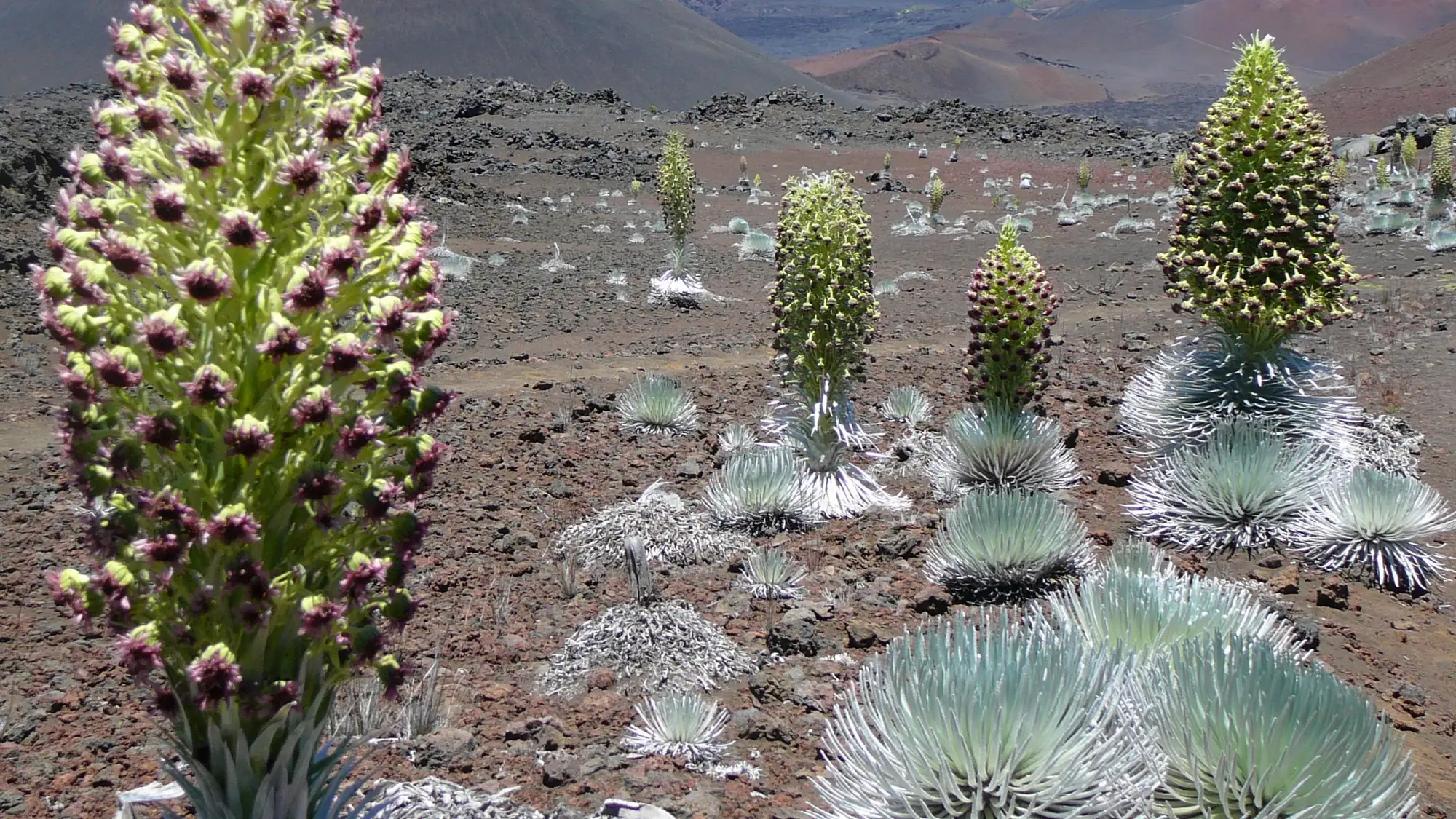
Haleakalā climbs to a 10,023-foot summit, and the crater that opens below the rim is one of the quietest places anyone has ever measured. Ambient sound there sits close to the threshold of human hearing. Above the clouds, with cinder-red volcanic ground stretching out empty in every direction, there is almost nothing left to hear.
Most visitors pack the sunrise overlook and never move past it. Step onto the routes the crowd skips and the silence deepens fast. The park service points to the short Pa Ka'oao (White Hill) trail near the visitor center and the Supply Trail out of Hosmer Grove as the paths people overlook while they queue for sunrise at Puʻu ʻUlaʻula.
That kind of quiet is rare, and it does more than feel pleasant. A landscape stripped of intrusive, intermittent sound gives worn-out attention somewhere to rest and rebuild. Between the near-total quiet of the crater and the sub-tropical rainforest of the Kīpahulu coast, the park hands you two very different versions of the same reset.
The science: When Munich's old airport shut down, children who had lived under the former flight path improved in long-term memory and reading, while children near a newly opened airport got worse, the same measures moving in opposite directions as noise was removed and imposed. That work was done around schools and aircraft, not in a park, but it shows something plainly: quiet does not just feel better, it restores the mental machinery that background noise steadily erodes. Haleakalā's crater delivers about as complete a version of that quiet as exists on Earth, close to the threshold of hearing.
Hygge, Evans & Bullinger (2002) · Psychological Science
Seasonal guide
Crowd levels use NPS monthly visitation, averaged 2015–2025. Excludes 2020 (COVID anomaly) and 2026 (partial year). Temperatures are NOAA climate normals from a station 6.8 miles away. Busy does not mean bad. If a peak month is your only window, the season notes below tell you how to work it.
At the ranger station near 6,962 feet, highs sit around 60F and nights drop into the low 40s, with March still wet near 6 inches of rain before May dries to about 2.4 inches. The summit runs far colder, near freezing at dawn, and clouds can swallow the view in minutes. Crowds build toward a May peak, so book the sunrise reservation early and pack heavy layers even on a warm-looking day.
Summer is the driest stretch, with rain dropping to around 1.6 inches in June, and it is also the busiest, peaking in July. Station highs reach the mid-60s, but the 10,023-foot summit can still sit near 30F at sunrise under intense solar radiation. Reserve sunrise slots 60 days out, arrive well before 3am for a parking spot, and carry warm clothing plus sun protection.
Fall is the calmest window of the year, with October and November the quietest months overall. Highs run around 63 to 64F at the station while rain climbs back toward 4.6 inches by November. Fewer people at the overlooks means easier parking and a real shot at the crater's quiet, so this is the season to slow down and take the trails others skip.
Winter brings the heaviest rain, over 5 inches in both December and January, and the coldest summit temperatures, often near or below freezing at dawn. December sees a holiday bump, but January and February are quiet. Check conditions before you drive up, pack for cold and wet, and be ready for fast-moving clouds to hide the view.
This month in the park
Timing changes everything out here. Pick a month to see when the light turns golden, which nights stay darkest for stargazing, and what visitors have actually recorded in bloom and on the move. The new-moon night is the one to plan a sky-watching evening around.
January 2027
In bloom · 3 species on record
- ❀ Māmane 3 sightings
- ❀ Fragrant evening-primrose 1 sightings
- ❀ Woodland false buttonweed 1 sightings
Wildlife on the move · 36 species on record
- Chukar 49 sightings
- Hawaiian Goose 36 sightings
- ʻIʻiwi 25 sightings
- ʻApapane 16 sightings
- Hawaiian Garden Spider 5 sightings
February 2027
In bloom · 7 species on record
- ❀ Fragrant evening-primrose 5 sightings
- ❀ Māmane 2 sightings
- ❀ Common Cat's-ear 1 sightings
- ❀ Hairypink 1 sightings
- ❀ Mist flower 1 sightings
Wildlife on the move · 62 species on record
- Chukar 50 sightings
- Hawaiian Goose 28 sightings
- ʻIʻiwi 18 sightings
- ʻApapane 14 sightings
- Hawaiian Garden Spider 8 sightings
March 2027
In bloom · 4 species on record
- ❀ Māmane 1 sightings
- ❀ Pūkiawe 1 sightings
- ❀ Akeake 1 sightings
- ❀ Purple Bush-Bean 1 sightings
Wildlife on the move · 54 species on record
- Chukar 60 sightings
- ʻIʻiwi 43 sightings
- ʻApapane 25 sightings
- Hawaiian Goose 22 sightings
- Hawaiian Garden Spider 15 sightings
April 2027
In bloom · 3 species on record
- ❀ Fragrant evening-primrose 1 sightings
- ❀ African tulip tree 1 sightings
- ❀ Oriental false hawksbeard 1 sightings
Wildlife on the move · 61 species on record
- Chukar 61 sightings
- ʻIʻiwi 23 sightings
- ʻApapane 12 sightings
- Warbling White-eye 7 sightings
- House Sparrow 6 sightings
May 2027
In bloom · 6 species on record
- ❀ Māmane 2 sightings
- ❀ Fragrant evening-primrose 2 sightings
- ❀ Pūkiawe 2 sightings
- ❀ Akeake 1 sightings
- ❀ 'Aiakanene 1 sightings
Wildlife on the move · 63 species on record
- Chukar 61 sightings
- ʻIʻiwi 45 sightings
- ʻApapane 35 sightings
- House Sparrow 13 sightings
- Hawaiian Goose 9 sightings
June 2027
In bloom · 9 species on record
- ❀ Kūpaoa 2 sightings
- ❀ Redstem Stork's-bill 1 sightings
- ❀ Ribwort plantain 1 sightings
- ❀ 'ohelo 'ai 1 sightings
- ❀ Fragrant evening-primrose 1 sightings
Wildlife on the move · 78 species on record
- Chukar 52 sightings
- Hawaiian Goose 25 sightings
- Large Spotted Ladybird 22 sightings
- Convergent Lady Beetle 16 sightings
- Ashy Gray Lady Beetle 8 sightings
July 2026
In bloom · 10 species on record
- ❀ Fragrant evening-primrose 4 sightings
- ❀ Common Cat's-ear 3 sightings
- ❀ 'ohelo 'ai 2 sightings
- ❀ Māmane 2 sightings
- ❀ Redstem Stork's-bill 1 sightings
Wildlife on the move · 60 species on record
- Chukar 47 sightings
- Hawaiian Goose 34 sightings
- ʻApapane 15 sightings
- Ring-necked Pheasant 7 sightings
- Seven-spotted Lady Beetle 7 sightings
August 2026
In bloom · 18 species on record
- ❀ Fragrant evening-primrose 5 sightings
- ❀ Redstem Stork's-bill 2 sightings
- ❀ Sheep's sorrel 2 sightings
- ❀ Kūpaoa 2 sightings
- ❀ Common passionfruit 1 sightings
Wildlife on the move · 57 species on record
- Chukar 41 sightings
- Hawaiian Goose 25 sightings
- Hawaiian Garden Spider 7 sightings
- Hawaiian Blue 7 sightings
- Warbling White-eye 6 sightings
September 2026
In bloom · 10 species on record
- ❀ Common passionfruit 1 sightings
- ❀ Crofton Weed 1 sightings
- ❀ Kūpaoa 1 sightings
- ❀ Yellow ginger 1 sightings
- ❀ Fragrant evening-primrose 1 sightings
Wildlife on the move · 58 species on record
- Chukar 65 sightings
- Hawaiian Goose 20 sightings
- ʻIʻiwi 8 sightings
- Red-crested Cardinal 4 sightings
- Seven-spotted Lady Beetle 4 sightings
October 2026
In bloom · 7 species on record
- ❀ Fragrant evening-primrose 2 sightings
- ❀ Common Cat's-ear 1 sightings
- ❀ Heath Groundsel 1 sightings
- ❀ White clover 1 sightings
- ❀ 'ohelo 'ai 1 sightings
Wildlife on the move · 37 species on record
- Chukar 59 sightings
- Hawaiian Goose 19 sightings
- Gulf Fritillary 4 sightings
- Hawaiian Garden Spider 4 sightings
- ʻIʻiwi 4 sightings
November 2026
In bloom · 6 species on record
- ❀ 'ohelo 'ai 1 sightings
- ❀ Māmane 1 sightings
- ❀ Creeping beggarweed 1 sightings
- ❀ Manono 1 sightings
- ❀ Scarlet pimpernel 1 sightings
Wildlife on the move · 54 species on record
- Chukar 50 sightings
- Hawaiian Goose 38 sightings
- ʻIʻiwi 11 sightings
- ʻApapane 5 sightings
- Western Honey Bee 4 sightings
December 2026
In bloom · 11 species on record
- ❀ Māmane 7 sightings
- ❀ Fragrant evening-primrose 4 sightings
- ❀ Kūpaoa 3 sightings
- ❀ Common selfheal 2 sightings
- ❀ Orchard grass 1 sightings
Wildlife on the move · 51 species on record
- Chukar 72 sightings
- Hawaiian Goose 47 sightings
- ʻIʻiwi 34 sightings
- ʻApapane 19 sightings
- Hawaiian Garden Spider 9 sightings
Sun and moon times are computed for the park's coordinates from standard NOAA solar equations and cross-checked against the U.S. Naval Observatory. Species lists are research-grade community observations for Haleakala National Park, US, HI via iNaturalist, retrieved July 2026; sighting counts are all-time records for that calendar month.
Don’t wait for Haleakalā.
One big trip a year isn’t what changes how you feel — the small stuff in between is. The 7-Day Nature Reset is one tiny outdoor practice a day, wherever you already are. Day one takes 60 seconds.
No spam. No noise. Just nature.
Day 1 is landing in your inbox right now — go say hi.
Sleep nearby
Most visitors base in Kahului, HI, about 28 miles out. Kahului near the airport has far more rooms and better prices than the gateway. Kula sits at the park entrance but has very limited lodging. The map opens on Kahului, so pan toward the park to trade rooms and price for a shorter morning drive.
Camping inside the park books through Recreation.gov and is listed separately.
The map is provided by Stay22. If you book through it we may earn a commission at no cost to you, which helps keep Happier Outdoors running. It never changes what we recommend.
Let someone else lead
A guide is worth it when the terrain needs one, or when you would rather look around than navigate. These are the highest-rated trips running around Haleakalā, not the cheapest.
 Free cancellation
 Haleakala Crater Hiking Experience
- Runs year-round
- Up to 8 per booking
- Moderate fitness needed
 Free cancellation
 Maui: Haleakala Sunrise Spectacular with Local Breakfast
- Runs year-round
- Wheelchair accessible
 Free cancellation
 Private Haleakala Summit & Stroll from Kahului
- Runs year-round
- Private tour, up to 11
- Wheelchair accessible
 Free cancellation
 Haleakala Sunset and Astronomy Tour
- Up to 7 per booking
- Service animals welcome
Tours are listed by Viator; booking happens there. If you book we may earn a commission at no cost to you, which helps keep Happier Outdoors running. It never changes what we list. Prices checked September 2026 and can change.
Activities & experiences
Beyond the trails
Work through activities about the plants, animals, and history here, and earn a Junior Ranger badge.
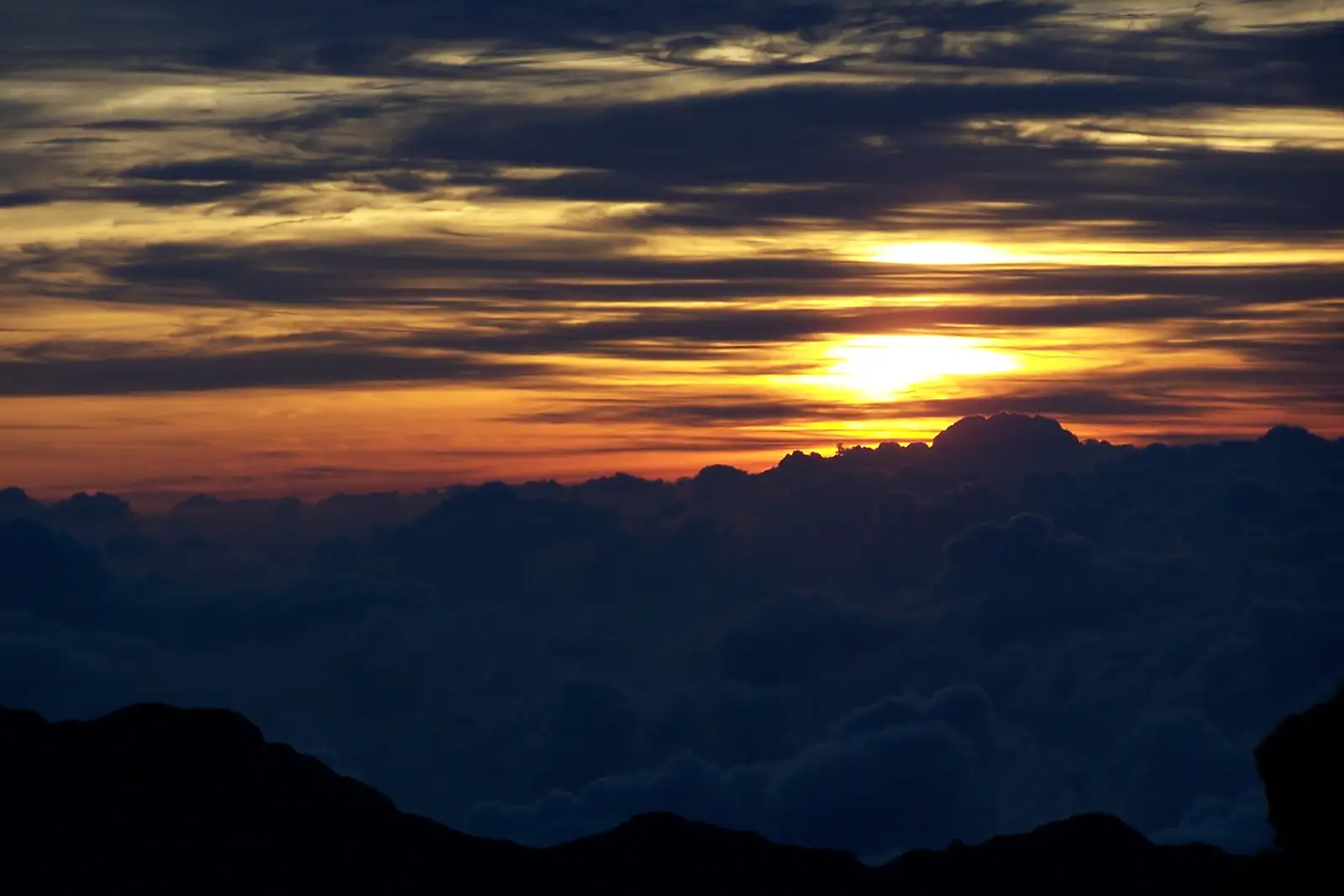
Dawn from the summit draws crowds for good reason. You need an advance sunrise reservation, which lets you watch from any of four lookouts on the way up.
Three bookstores run by the HPPA sit at Park Headquarters, the Haleakalā Visitor Center, and the Kīpahulu Visitor Center. There is an online bookstore too.
Details and current conditions live on nps.gov.
From the field
Common questions
When is the best time to visit Haleakalā National Park?
October and November are the quietest months, while May through July are the busiest, so early fall gives you thinner crowds and easier parking. Weather is unpredictable year-round: the ranger station near 6,962 feet sees highs around 60F with nights in the 40s, and the 10,023-foot summit can sit near freezing at dawn even in summer.
Is Haleakalā National Park dog-friendly?
Leashed dogs are allowed only on paved roads and within the Hosmer Grove and Kīpahulu campground boundaries. They are not permitted on any trails, in the backcountry, or inside buildings, and the park runs no hiker shuttles, so plan trail time without your dog.
What is the quietest trail at Haleakalā?
The park service points to the Supply Trail, which links Hosmer Grove to the Halemauʻu overlook, as one of the least-crowded routes because it sits outside the main summit crater where most people cluster. The short Pa Ka'oao (White Hill) trail and the Hosmer Grove nature loop are also easy to have to yourself while the crowd queues for sunrise.
How crowded does Haleakalā get?
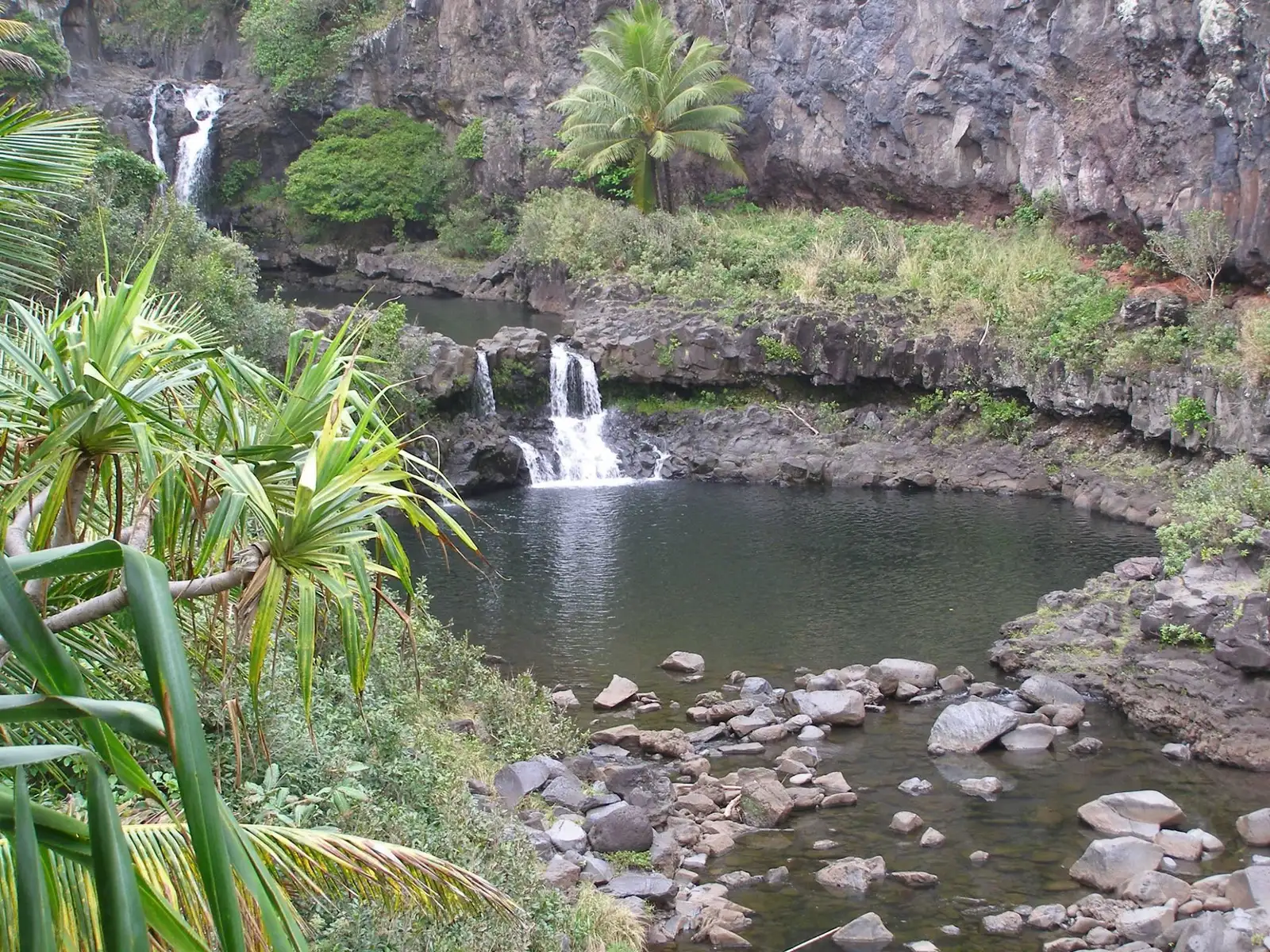
The park draws roughly 1.2 million visitors a year, and sunrise between 3am and 7am is by far the busiest window, filling the narrow summit road and parking lots almost instantly. Crowds also concentrate at the coastal Kīpahulu District around the Pools of ʻOheʻo, so visiting at sunset or midday, or in the fall, thins things out.
Is Haleakalā National Park accessible?
The Headquarters, Haleakalā summit, and Kīpahulu visitor centers are all accessible, with paved paths and accessible parking at key facilities and summit overlooks. No hiking trails inside the park are wheelchair accessible, though, as trails and crater routes are rugged, unpaved, or steep.
Can you camp at Haleakalā National Park?
Yes, the park has two drive-up campgrounds, Hosmer Grove in the summit district and Kīpahulu on the coast, plus primitive wilderness tent sites at Hōlua and Palikū reached only by trail. All camping is reservation-only online through recreation.gov, with a maximum of three consecutive nights and a three-night total within any 30-day period.
Where do you park at Haleakalā?
Parking is limited to four designated summit lots plus lots in the Kīpahulu District, and each closes the moment it fills. For sunrise, arrive well before 3am, and for sunset arrive two to three hours early, since lots fill within minutes and vehicles are turned away at the gate once capacity is reached.
Do I need a reservation to see the sunrise?
Yes, a timed-entry reservation is required for every vehicle entering the summit district between 3am and 7am, and it costs $1 per vehicle. Book it at recreation.gov up to 60 days in advance, with a small batch released two days ahead, and note that it guarantees park entry but not a specific parking spot.
How much does it cost to enter Haleakalā National Park?
Entry is $30 per private vehicle, $25 per motorcycle, or $15 per person on foot or bike, and each pass is valid for three days and covers both the Summit and Kīpahulu Districts. Youth 15 and under are free, and an annual park pass is $55.