Great Basin National Park
Baker, Nevada · Southwest
Where darkness is the draw
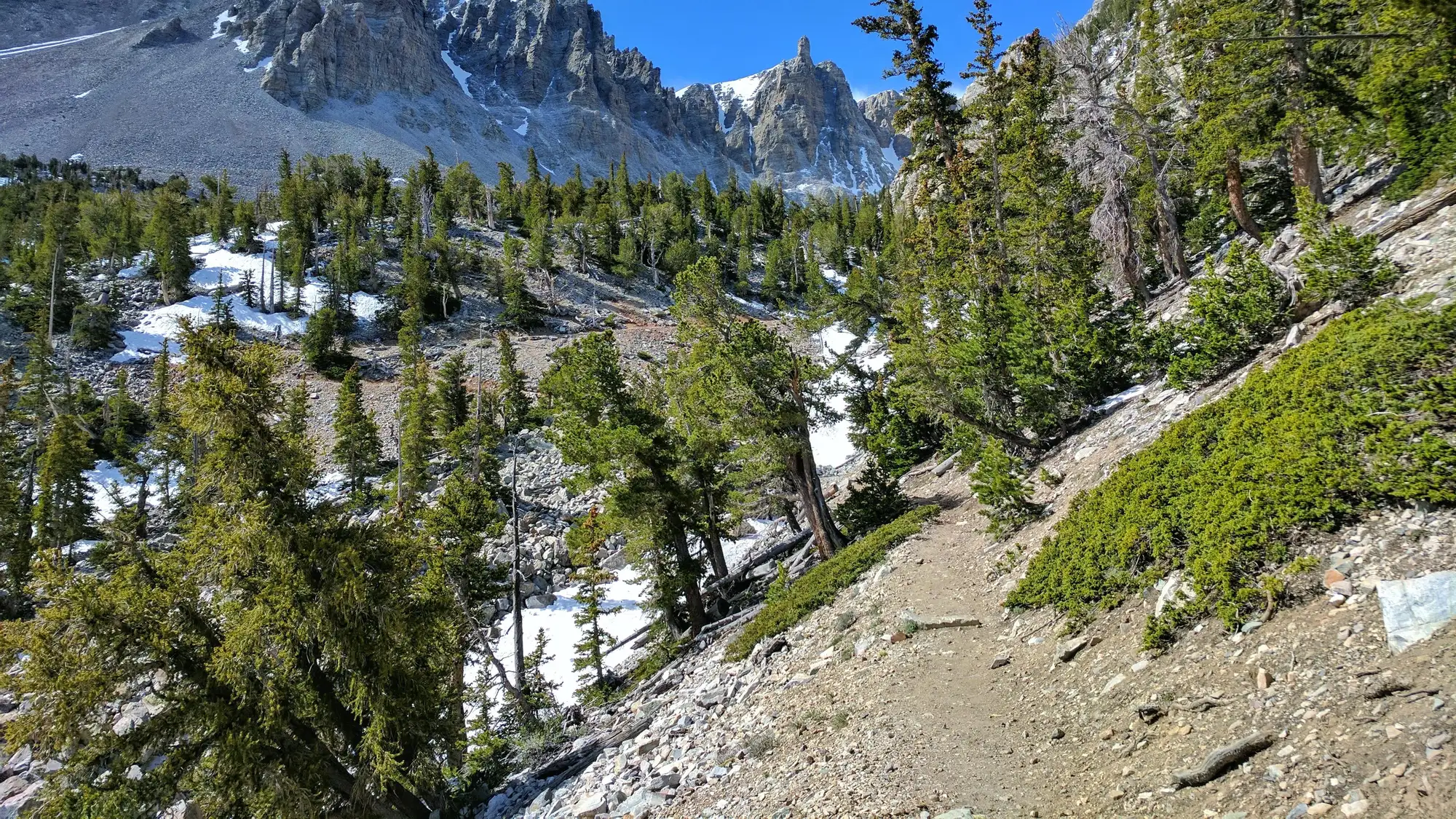
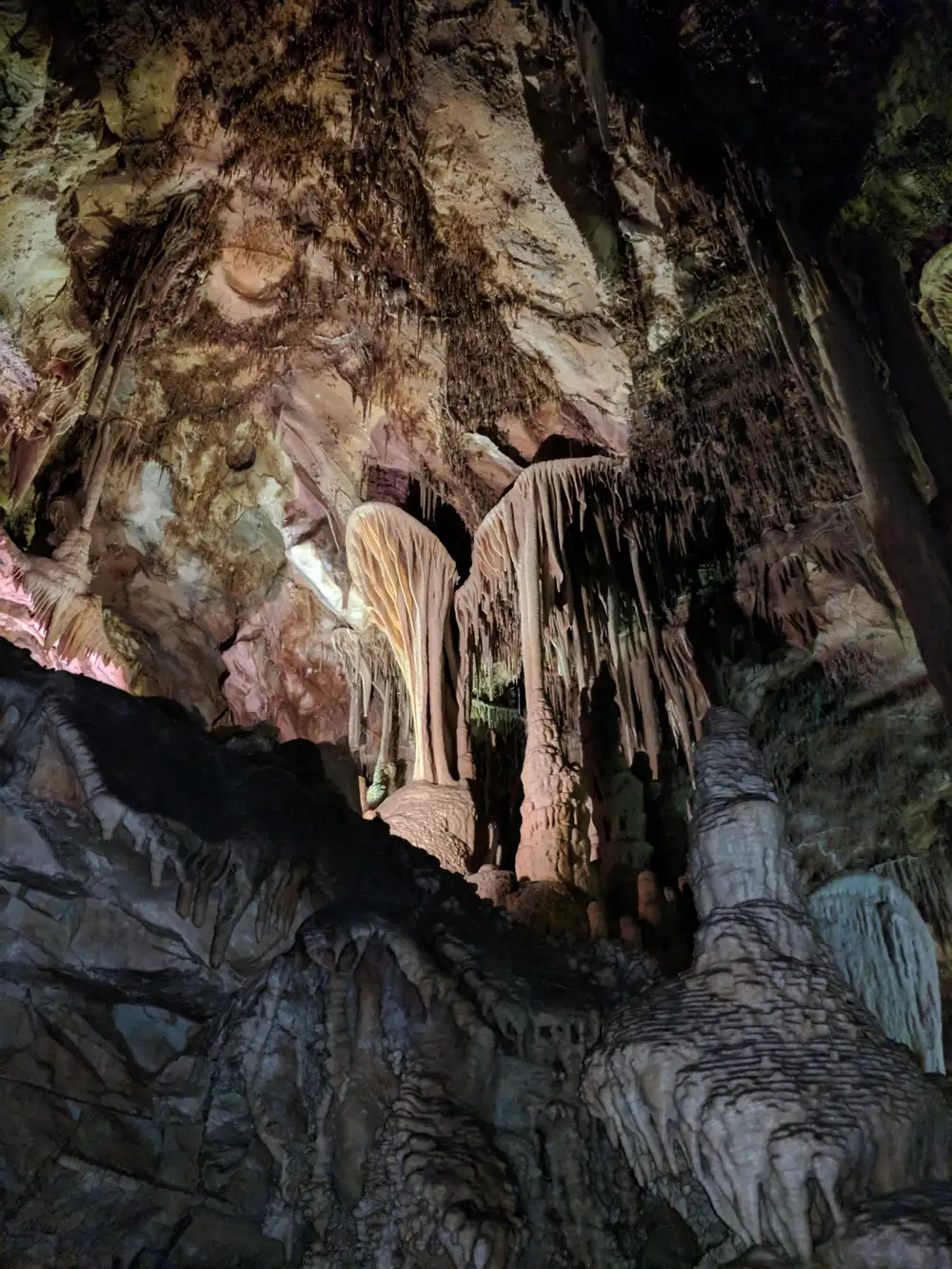
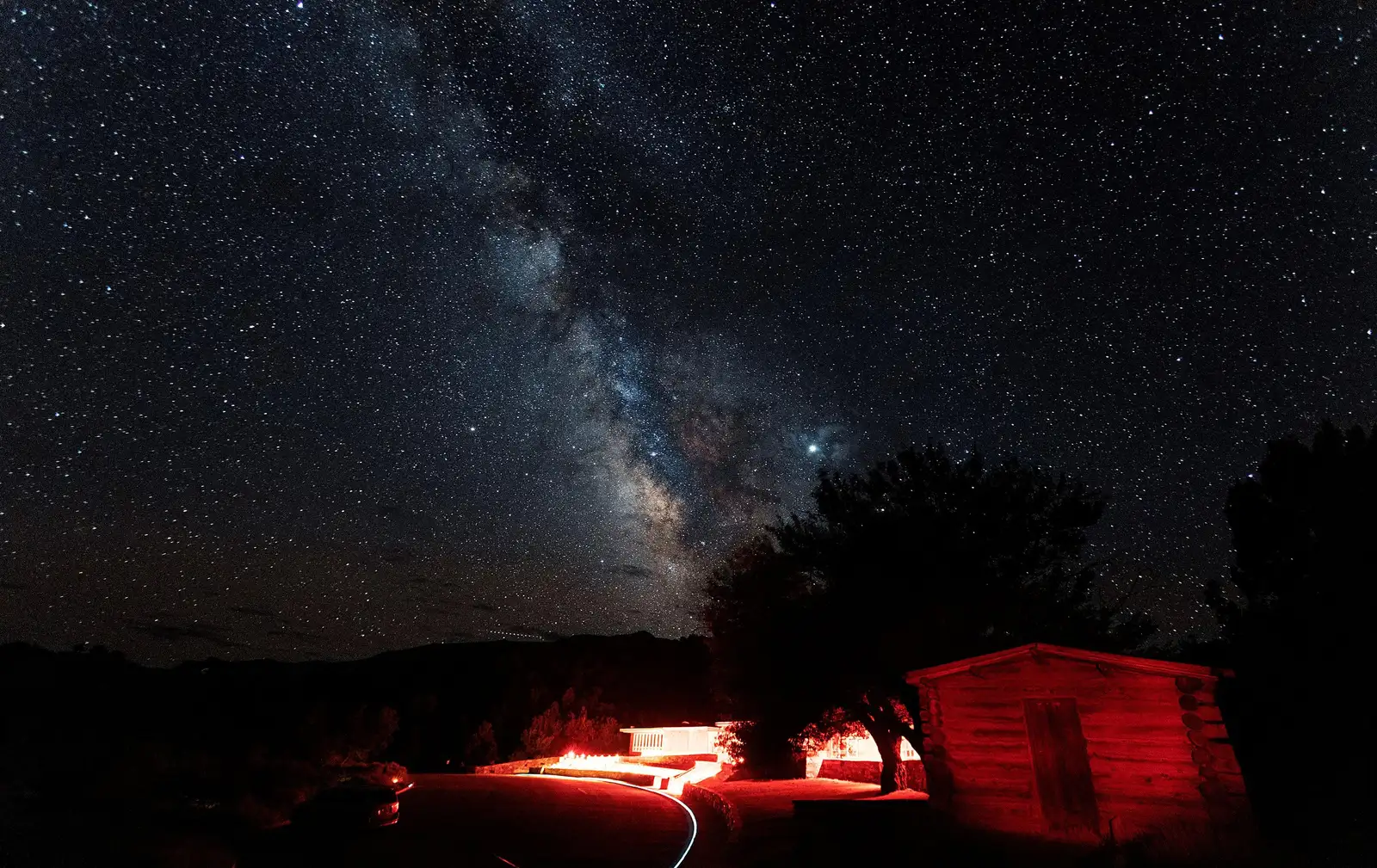
Great Basin stacks nearly 8,000 feet of elevation into one park, from the sagebrush valley floor to the 13,063-foot summit of Wheeler Peak. Ancient bristlecone pines, among the oldest living things on earth, hold the high slopes, and Lehman Caves runs cool and dark beneath the surface. But the feature the park guards most closely is overhead.
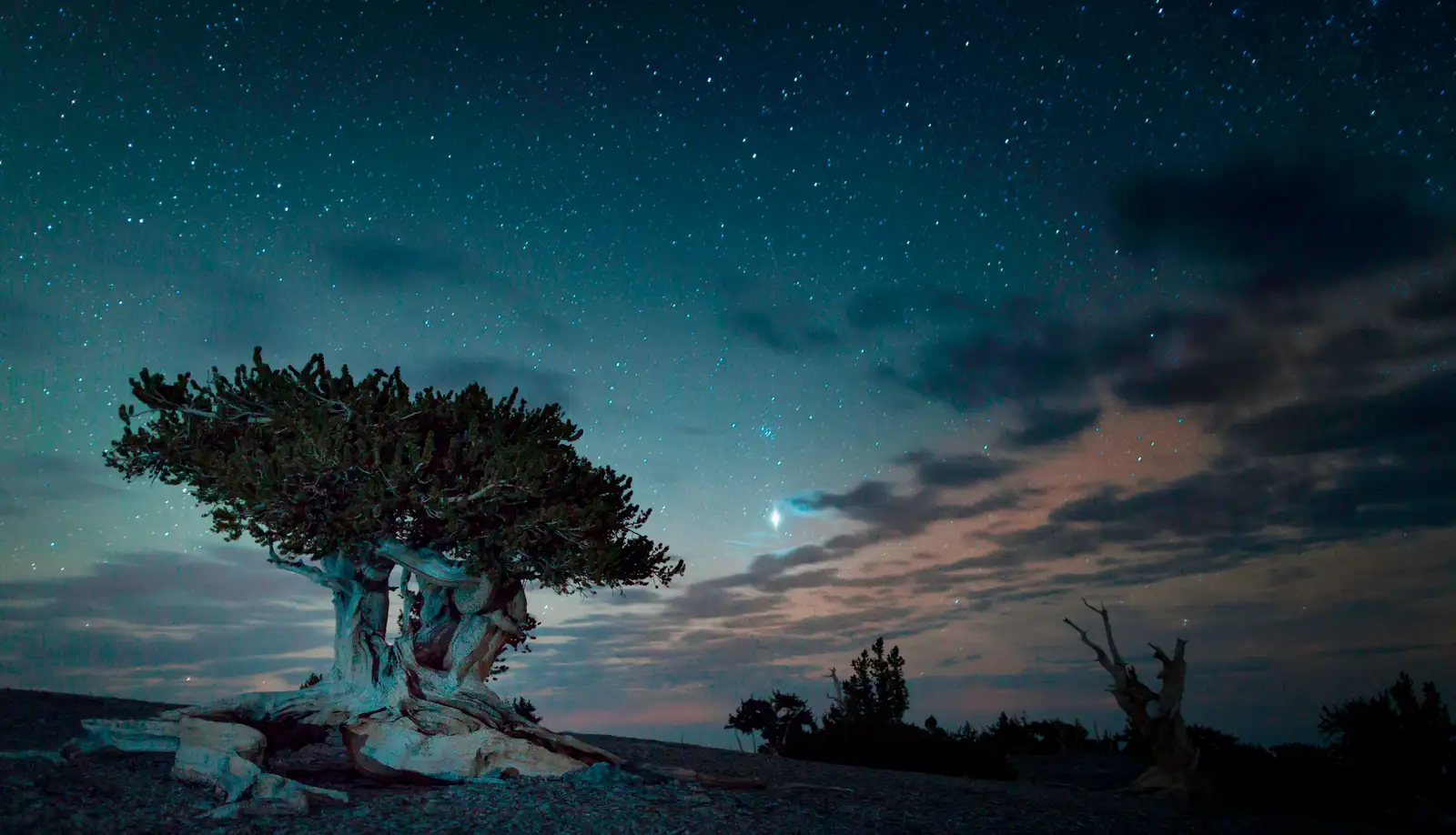
This is one of the least-visited national parks in the country, with roughly 140,000 people a year, and that remoteness is what keeps the sky black. No nearby city throws up a glow to wash it out. On a moonless night the stars arrive in numbers most people have simply never seen.
Standing under a sky like that tends to pull attention outward and quiet the running commentary in your head. It costs nothing and asks nothing of you. You lie back, look up, and the scale of it does the work.
The science: In research led by Martens, people who viewed photographs of the starry night sky felt reliable awe, and images of the naked-eye star field were rated more restorative than deep-space images even though deep space stirred more awe. Great Basin protects exactly that naked-eye sky, some of the darkest left in the country, though it is worth being honest that the study was pictures on a screen rather than a night under real darkness. Treat it as evidence that the ordinary star-filled sky moves something in us, not proof about the park itself.
Martens, Prokopetz & Tomlinson (2025) · International Journal of Psychology
Seasonal guide
Crowd levels use NPS monthly visitation, averaged 2015–2025. Excludes 2020 (COVID anomaly) and 2026 (partial year). Temperatures are NOAA climate normals from a station 4.6 miles away. Busy does not mean bad. If a peak month is your only window, the season notes below tell you how to work it.
Winter is the quietest season by far, with January averaging around 1,575 visitors. Valley highs sit near 40F and lows drop to about 20F, and snow closes the upper Wheeler Peak Scenic Drive, but Lehman Caves stays a steady temperature year-round and the snow-covered lower trails are made for snowshoeing. Come prepared for cold and check road status before you go.
Spring stays quiet through March and April before crowds pick up in May. Valley highs climb from the upper 40s to the mid 60s, but deep snowpack often lingers at high elevations well into early summer, so the summit and alpine lakes may still be locked in snow. Stick to the lower creek trails and the caves early in the season.
Summer is peak season and the only stretch when high-elevation trails and roads are reliably clear. Valley highs run into the low-to-mid 80s in July while the alpine zone stays cool, and fierce afternoon thunderstorms are common. Start early, carry layers for the elevation swing, and reserve Lehman Caves tours and campgrounds ahead.
Fall brings a September peak before crowds thin through October and November. Valley highs slide from the low 70s down to the upper 40s, nights turn cold, and early snow can arrive at elevation. September and early October offer some of the most comfortable hiking of the year, so book early if you want that window.
This month in the park
Timing changes everything out here. Pick a month to see when the light turns golden, which nights stay darkest for stargazing, and what visitors have actually recorded in bloom and on the move. The new-moon night is the one to plan a sky-watching evening around.
January 2027
Wildlife on the move · 10 species on record
- Townsend's Solitaire 4 sightings
- Wild Turkey 2 sightings
- Great Basin Cave Pseudoscorpion 2 sightings
- Woodhouse's Scrub-Jay 2 sightings
- Clark's Nutcracker 1 sightings
February 2027
Wildlife on the move · 21 species on record
- Dark-eyed Junco 5 sightings
- Cassin's Finch 5 sightings
- Wild Turkey 4 sightings
- American Robin 2 sightings
- Red-breasted Nuthatch 2 sightings
March 2027
Wildlife on the move · 19 species on record
- Wild Turkey 5 sightings
- Cassin's Finch 4 sightings
- Townsend's Solitaire 3 sightings
- Spotted Towhee 2 sightings
- American Robin 2 sightings
April 2027
In bloom · 2 species on record
- ❀ Sagebrush buttercup 2 sightings
- ❀ Greenleaf manzanita 1 sightings
Wildlife on the move · 43 species on record
- Yellow-bellied Marmot 8 sightings
- Wild Turkey 6 sightings
- Western Fence Lizard 4 sightings
- Hoary Comma 4 sightings
- Rock Squirrel 4 sightings
May 2027
In bloom · 17 species on record
- ❀ Greenleaf manzanita 8 sightings
- ❀ Thickleaf beardtongue 3 sightings
- ❀ Western Wallflower 2 sightings
- ❀ Hooker's Balsamroot 2 sightings
- ❀ Mountain Ball Cactus 2 sightings
Wildlife on the move · 150 species on record
- Common Sagebrush Lizard 25 sightings
- Western Fence Lizard 19 sightings
- Field Crescent 19 sightings
- Mule Deer 16 sightings
- Wild Turkey 13 sightings
June 2027
In bloom · 51 species on record
- ❀ Western columbine 24 sightings
- ❀ Spotted fritillary 9 sightings
- ❀ Plains Pricklypear 8 sightings
- ❀ Spinystar 8 sightings
- ❀ Sego Lily 6 sightings
Wildlife on the move · 236 species on record
- Common Sagebrush Lizard 54 sightings
- Western Fence Lizard 51 sightings
- Mule Deer 44 sightings
- Gopher Snake 30 sightings
- Wild Turkey 28 sightings
July 2026
In bloom · 58 species on record
- ❀ Sego Lily 17 sightings
- ❀ Holmgren's buckwheat 15 sightings
- ❀ Watson's Penstemon 8 sightings
- ❀ Prairie mallow 8 sightings
- ❀ Western columbine 7 sightings
Wildlife on the move · 204 species on record
- Mule Deer 54 sightings
- Wild Turkey 31 sightings
- Common Sagebrush Lizard 26 sightings
- Weidemeyer's Admiral 23 sightings
- Clark's Nutcracker 22 sightings
August 2026
In bloom · 19 species on record
- ❀ Prairie mallow 9 sightings
- ❀ Rocky Mountain Beeplant 6 sightings
- ❀ Holmgren's buckwheat 3 sightings
- ❀ Watson's Penstemon 3 sightings
- ❀ Western columbine 2 sightings
Wildlife on the move · 162 species on record
- Mule Deer 35 sightings
- Wild Turkey 25 sightings
- Western Fence Lizard 21 sightings
- Weidemeyer's Admiral 15 sightings
- Great Basin Wood-Nymph 13 sightings
September 2026
In bloom · 16 species on record
- ❀ Silvery lupine 2 sightings
- ❀ Big Sagebrush 2 sightings
- ❀ Sky pilot 2 sightings
- ❀ Redroot Buckwheat 2 sightings
- ❀ Alpine Gold 1 sightings
Wildlife on the move · 93 species on record
- Mule Deer 34 sightings
- Wild Turkey 15 sightings
- Western Fence Lizard 14 sightings
- Uinta Chipmunk 10 sightings
- Clark's Nutcracker 9 sightings
October 2026
In bloom · 3 species on record
- ❀ Slendertube skyrocket 1 sightings
- ❀ Mat rock spiraea 1 sightings
- ❀ Sky pilot 1 sightings
Wildlife on the move · 61 species on record
- Wild Turkey 16 sightings
- Mule Deer 16 sightings
- Western Conifer Seed Bug 8 sightings
- Uinta Chipmunk 8 sightings
- Western Fence Lizard 5 sightings
November 2026
Wildlife on the move · 15 species on record
- Wild Turkey 5 sightings
- Townsend's Solitaire 2 sightings
- Red-breasted Nuthatch 2 sightings
- Mule Deer 2 sightings
- Mountain Chickadee 2 sightings
December 2026
Wildlife on the move · 14 species on record
- Townsend's Solitaire 5 sightings
- Wild Turkey 3 sightings
- Mountain Chickadee 3 sightings
- Woodhouse's Scrub-Jay 3 sightings
- American Dipper 1 sightings
Sun and moon times are computed for the park's coordinates from standard NOAA solar equations and cross-checked against the U.S. Naval Observatory. Species lists are research-grade community observations for Great Basin National Park, US, NV via iNaturalist, retrieved July 2026; sighting counts are all-time records for that calendar month.
Don’t wait for Great Basin.
One big trip a year isn’t what changes how you feel — the small stuff in between is. The 7-Day Nature Reset is one tiny outdoor practice a day, wherever you already are. Day one takes 60 seconds.
No spam. No noise. Just nature.
Day 1 is landing in your inbox right now — go say hi.
Sleep nearby
Most visitors base in Ely, Nevada, about 69 miles out. Ely offers a wider variety of hotels and better prices than the tiny gateway town. Baker is only 5 miles from the entrance but has just one or two motels. The map opens on Ely, so pan toward the park to trade rooms and price for a shorter morning drive.
Camping inside the park books through Recreation.gov and is listed separately.
The map is provided by Stay22. If you book through it we may earn a commission at no cost to you, which helps keep Happier Outdoors running. It never changes what we recommend.
Activities & experiences
Beyond the trails
Roads here range from paved to four-wheel-drive only. Come prepared and use good judgment before you head out.
A backcountry permit lets you camp deep in the mountains, away from the developed areas.
Pole Canyon's entrance has day-use picnic areas with tables and charcoal grills. It is a shaded spot away from the visitor center crowds. Pack out your ashes and follow all fire restrictions.
Details and current conditions live on nps.gov.
From the field
Common questions
When is the best time to visit Great Basin National Park?
The most reliable stretch is summer, roughly June through September, when high-elevation trails and the Wheeler Peak Scenic Drive are clear of snow. Those months also bring the biggest crowds and common fierce afternoon thunderstorms, so start early. For dark skies with fewer people, fall nights turn cold but stay clear.
Is Great Basin National Park dog-friendly?
Dogs are allowed on just one trail here, the Lexington Arch Trail, on a leash six feet or shorter. They are also welcome in campgrounds and on paved surfaces and drivable roads, but not on other trails, in the backcountry, or inside park buildings. Trained service animals are permitted everywhere.
What is the quietest trail in Great Basin National Park?
Hikers point to the Strawberry Creek and Snake Creek trails as the emptiest in the park, reached only by unpaved, dead-end gravel roads in seldom-visited corners. The Baker Creek Loop, about 3.3 miles at the end of gravel Baker Creek Road, is another low-traffic option. These are visitor-reported picks rather than an official ranking, but the remoteness is real.
How crowded does Great Basin National Park get?
Great Basin is one of the least crowded national parks in the country, drawing only about 140,000 visitors a year. The busy season runs Memorial Day through Labor Day, with July the peak month, and crowds concentrate at the visitor centers and Lehman Caves tours, which sell out in summer. Winter is the quietest season by far.
Is Great Basin National Park accessible for wheelchairs?
Yes, the park has two trails built to ADA standards, including a 0.4-mile paved path through subalpine forest near the Lehman Caves Visitor Center. Both visitor centers are fully accessible with accessible restrooms and exhibits, and most campgrounds have wheelchair-accessible sites. Lehman Caves itself has a historic entrance tunnel that does not meet ADA standards, so cave access cannot be guaranteed for wheelchair users.
Can you camp at Great Basin National Park?
Yes, the park has five developed campgrounds plus 12 free primitive sites along Snake Creek Road. Developed sites run $20 a night and are booked through Recreation.gov, while the Snake Creek primitive sites are free, first-come, and have no water. Site fees drop to $10 a night with a Senior or Access Pass.
Where do you park at Great Basin National Park?
Most visitors park at the Lehman Caves Visitor Center, the Great Basin Visitor Center in Baker, and the Wheeler Peak Scenic Drive trailheads. Lots at the top of Wheeler Peak fill on holiday weekends in peak season, and roadside parking is prohibited, so arrive early. Overflow parking is available at the Great Basin Visitor Center and Astronomy Amphitheater when main lots fill.