Grand Canyon National Park
Grand Canyon, Arizona · Southwest
A canyon too big to hold
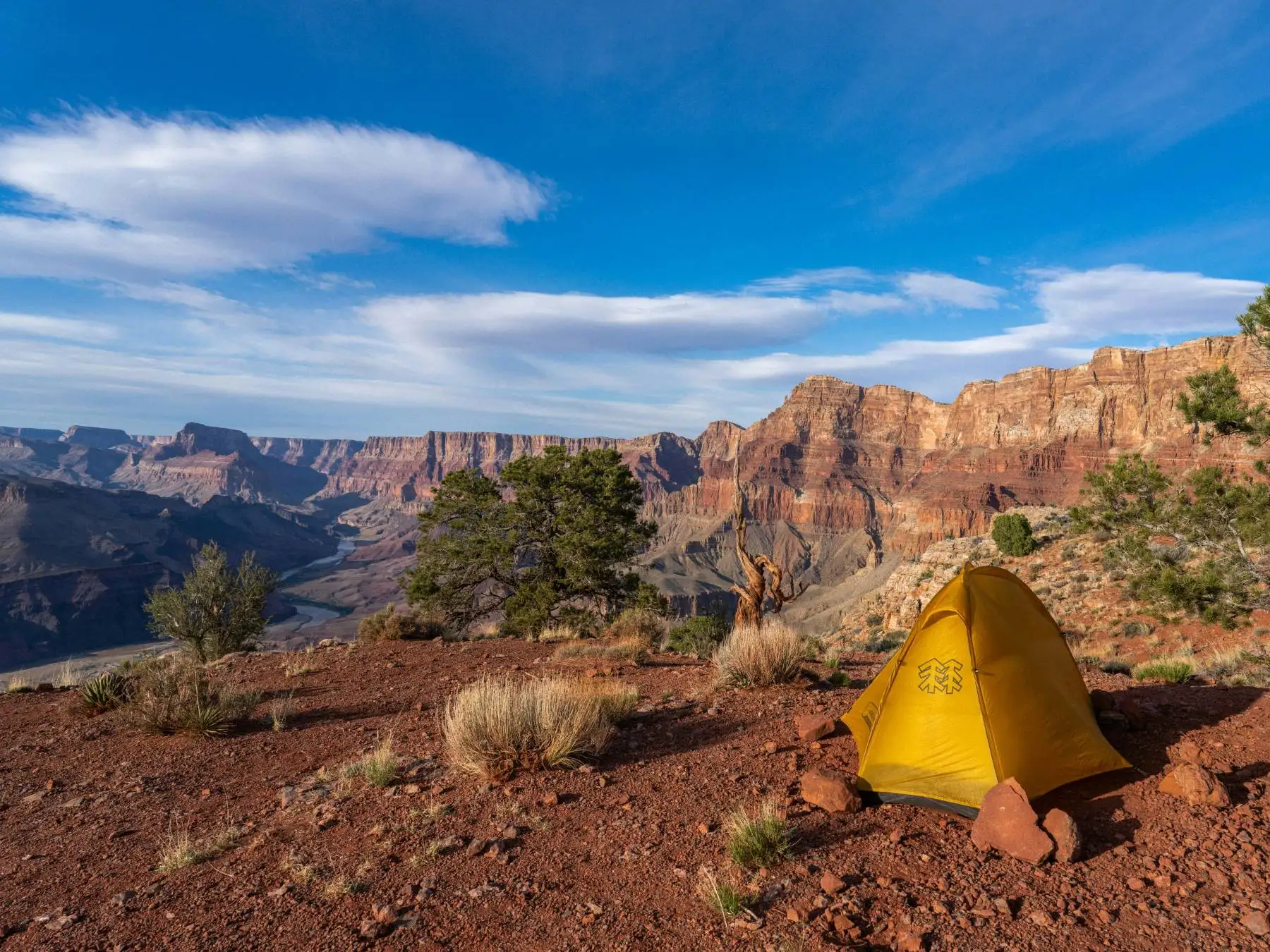
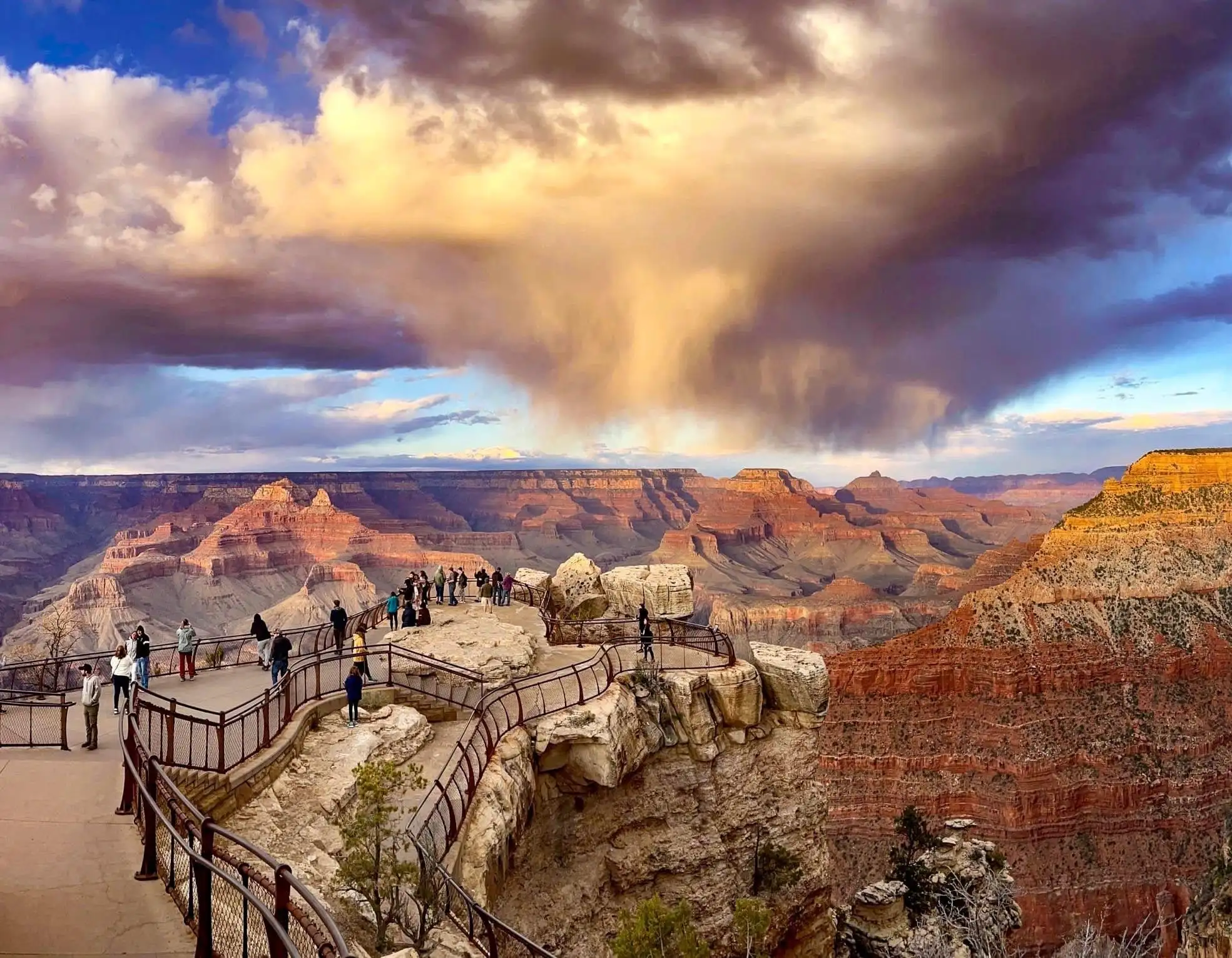
Grand Canyon does not build up to a view. You walk to the edge and the ground simply falls away, a mile down to the Colorado River and roughly ten across to the far rim. The scale is the point. It is one of the most dramatic examples of erosion on Earth, and standing at the rim your usual sense of proportion has nothing to hold onto.
That gap between what you expected and what is actually in front of you has a physical effect. The mind briefly stops running its own errands and just looks. The park makes this easy to reach because so much of it happens from the rim itself, no descent required, along the paved stretches near Grand Canyon Village where the drop is right there beside you.
The setting rewards a slow look rather than a fast one. Elevations run from about 2,500 feet at the river to 8,400 feet on the North Rim, so light and weather move across the layered rock all day, and the banded walls keep changing color as the sun crosses them.
The science: Psychologists led by Piff found that awe, the feeling triggered by something so physically vast it overwhelms your usual frame of reference, reduced people's self-focus and made them behave more generously toward others. Few landscapes deliver that trigger as bluntly as a rim that drops a mile straight to the river, which is exactly why a first look over the edge tends to stop conversation cold.
Piff, Dietze, Feinberg, Stancato & Keltner (2015) · Journal of Personality and Social Psychology
Seasonal guide
Crowd levels use NPS monthly visitation, averaged 2015–2025. Excludes 2020 (COVID anomaly) and 2026 (partial year). Temperatures are NOAA climate normals from a station 4 miles away. Busy does not mean bad. If a peak month is your only window, the season notes below tell you how to work it.
March stays fairly quiet before crowds build fast through April and May. Rim highs climb from the low 50s into the 70s with nights still near freezing early on, and the inner canyon runs much warmer, so carry layers for the rim and plenty of water if you head below it. This is a good window to see the canyon before summer heat and peak lines arrive.
This is the busiest and hottest stretch, with entrance waits reaching two hours between 9:30 a.m. and 4 p.m. Rim highs hit the low-to-mid 80s, but the inner canyon runs 20 to 30 degrees hotter, and July and August bring afternoon monsoon storms with lightning and flash-flood risk. Start at dawn, ride the shuttles, stay high during storms, and use this season to reach the North Rim, open roughly mid-May to mid-October.
September stays busy and warm, then October and November quiet down noticeably as temperatures cool into the 50s and 60s on the rim with chilly nights. The North Rim closes to full access by mid-October, so plan North Rim visits early in this window. For fewer people and comfortable rim walking, late October and November are among the easiest times to be here.
Winter is the calmest time on the South Rim, which stays open all year, while the North Rim is closed. Rim highs sit in the 40s with lows near 18 to 21 degrees and snow is common, so bring traction and warm layers and check forecasts before you go. The trade-off is crisp air, snow-dusted rock, and overlooks you can have almost to yourself.
This month in the park
Timing changes everything out here. Pick a month to see when the light turns golden, which nights stay darkest for stargazing, and what visitors have actually recorded in bloom and on the move. The new-moon night is the one to plan a sky-watching evening around.
January 2027
In bloom · 2 species on record
- ❀ Utah Agave 2 sightings
- ❀ Crimson Monkeyflower 1 sightings
Wildlife on the move · 76 species on record
- Common Raven 83 sightings
- Wapiti 79 sightings
- Mule Deer 57 sightings
- Woodhouse's Scrub-Jay 50 sightings
- Dark-eyed Junco 36 sightings
February 2027
In bloom · 6 species on record
- ❀ Brittlebush 3 sightings
- ❀ Redstem Stork's-bill 2 sightings
- ❀ Desert Trumpet 1 sightings
- ❀ Turpentine Broom 1 sightings
- ❀ Tuber anemone 1 sightings
Wildlife on the move · 90 species on record
- Wapiti 111 sightings
- Common Raven 85 sightings
- Mule Deer 51 sightings
- Dark-eyed Junco 40 sightings
- Rock Squirrel 38 sightings
March 2027
In bloom · 36 species on record
- ❀ Winding mariposa lily 6 sightings
- ❀ Tuber anemone 5 sightings
- ❀ Beavertail Pricklypear 4 sightings
- ❀ Turpentine Broom 4 sightings
- ❀ Redstem Stork's-bill 2 sightings
Wildlife on the move · 168 species on record
- Wapiti 373 sightings
- Common Raven 228 sightings
- Rock Squirrel 197 sightings
- Woodhouse's Scrub-Jay 129 sightings
- Mule Deer 119 sightings
April 2027
In bloom · 111 species on record
- ❀ Crimson Monkeyflower 30 sightings
- ❀ Winding mariposa lily 11 sightings
- ❀ Roundleaf buffaloberry 9 sightings
- ❀ Dwarf Lousewort 8 sightings
- ❀ Common hoptree 7 sightings
Wildlife on the move · 276 species on record
- Wapiti 278 sightings
- Rock Squirrel 229 sightings
- Common Raven 146 sightings
- Desert Spiny Lizard 96 sightings
- Common Side-blotched Lizard 78 sightings
May 2027
In bloom · 152 species on record
- ❀ Kingcup Cactus 22 sightings
- ❀ Crimson Monkeyflower 19 sightings
- ❀ Stansbury's Cliffrose 15 sightings
- ❀ Common hoptree 12 sightings
- ❀ Utah Agave 11 sightings
Wildlife on the move · 432 species on record
- Rock Squirrel 318 sightings
- Wapiti 311 sightings
- Plateau Fence Lizard 234 sightings
- Desert Spiny Lizard 172 sightings
- Common Raven 145 sightings
June 2027
In bloom · 137 species on record
- ❀ New Mexico locust 39 sightings
- ❀ Stansbury's Cliffrose 18 sightings
- ❀ Sego Lily 12 sightings
- ❀ Thickleaf beardtongue 11 sightings
- ❀ Utah Agave 10 sightings
Wildlife on the move · 504 species on record
- Common Side-blotched Lizard 438 sightings
- Wapiti 285 sightings
- Rock Squirrel 279 sightings
- Common Raven 199 sightings
- Plateau Fence Lizard 190 sightings
July 2026
In bloom · 111 species on record
- ❀ Arizona mariposa lily 15 sightings
- ❀ New Mexico locust 9 sightings
- ❀ Horsetail milkweed 8 sightings
- ❀ Kaibab Plateau beardtongue 8 sightings
- ❀ Slendertube skyrocket 7 sightings
Wildlife on the move · 518 species on record
- Rock Squirrel 314 sightings
- Wapiti 243 sightings
- Common Raven 176 sightings
- Plateau Fence Lizard 173 sightings
- Bighorn Sheep 91 sightings
August 2026
In bloom · 72 species on record
- ❀ Crimson Monkeyflower 11 sightings
- ❀ Horsetail milkweed 7 sightings
- ❀ Redroot Buckwheat 6 sightings
- ❀ Fernbush 4 sightings
- ❀ Apache plume 4 sightings
Wildlife on the move · 464 species on record
- Rock Squirrel 239 sightings
- Wapiti 185 sightings
- Plateau Fence Lizard 172 sightings
- Common Raven 144 sightings
- Turkey Vulture 77 sightings
September 2026
In bloom · 115 species on record
- ❀ Mat rock spiraea 12 sightings
- ❀ Rubber Rabbitbrush 11 sightings
- ❀ Grand Canyon Goldenweed 11 sightings
- ❀ Fernbush 10 sightings
- ❀ Slender Buckwheat 10 sightings
Wildlife on the move · 348 species on record
- Rock Squirrel 222 sightings
- Wapiti 171 sightings
- Common Raven 120 sightings
- Plateau Fence Lizard 100 sightings
- Turkey Vulture 88 sightings
October 2026
In bloom · 35 species on record
- ❀ Crimson Monkeyflower 21 sightings
- ❀ Stansbury's Cliffrose 5 sightings
- ❀ Trailing Windmills 3 sightings
- ❀ Apache plume 3 sightings
- ❀ Mat rock spiraea 3 sightings
Wildlife on the move · 248 species on record
- Wapiti 186 sightings
- Rock Squirrel 150 sightings
- Common Raven 110 sightings
- Bighorn Sheep 93 sightings
- Woodhouse's Scrub-Jay 79 sightings
November 2026
In bloom · 11 species on record
- ❀ Crimson Monkeyflower 4 sightings
- ❀ Desert Trumpet 2 sightings
- ❀ Apache plume 2 sightings
- ❀ Snapdragon Vine 2 sightings
- ❀ Brittlebush 1 sightings
Wildlife on the move · 126 species on record
- Wapiti 117 sightings
- Common Raven 106 sightings
- Mule Deer 88 sightings
- Bighorn Sheep 82 sightings
- Woodhouse's Scrub-Jay 80 sightings
December 2026
In bloom · 3 species on record
- ❀ Rubber Rabbitbrush 2 sightings
- ❀ Wright's buckwheat 1 sightings
- ❀ Utah Agave 1 sightings
Wildlife on the move · 73 species on record
- Wapiti 123 sightings
- Common Raven 110 sightings
- Mule Deer 72 sightings
- Woodhouse's Scrub-Jay 57 sightings
- Dark-eyed Junco 49 sightings
Sun and moon times are computed for the park's coordinates from standard NOAA solar equations and cross-checked against the U.S. Naval Observatory. Species lists are research-grade community observations for Grand Canyon National Park, US, AZ via iNaturalist, retrieved July 2026; sighting counts are all-time records for that calendar month.
Don’t wait for Grand Canyon.
One big trip a year isn’t what changes how you feel — the small stuff in between is. The 7-Day Nature Reset is one tiny outdoor practice a day, wherever you already are. Day one takes 60 seconds.
No spam. No noise. Just nature.
Day 1 is landing in your inbox right now — go say hi.
Sleep nearby
Most visitors base in Williams, Arizona, about 59 miles out. Williams sits right on I-40 at the head of the road to the South Rim, with far more rooms and better prices than Tusayan at the gate. Tusayan is a mile from the South Entrance but small, resort-focused and pricier. The map opens on Williams, so pan toward the park to trade rooms and price for a shorter morning drive.
Camping inside the park books through Recreation.gov and is listed separately.
The map is provided by Stay22. If you book through it we may earn a commission at no cost to you, which helps keep Happier Outdoors running. It never changes what we recommend.
Let someone else lead
A guide is worth it when the terrain needs one, or when you would rather look around than navigate. These are the highest-rated trips running around Grand Canyon, not the cheapest.
 Free cancellation
 Half Day Private Grand Canyon Guided Hiking Tour
- Runs year-round
- Private tour, up to 9
- Easy for most fitness levels
 Free cancellation
 Grand Canyon Sunset Hiking Adventure Deep Below The South Rim
- Runs year-round
- Private tour, up to 9
- Easy for most fitness levels
 Free cancellation
 Grand Canyon Full Day Private Tour & Hike
- Runs year-round
- Private tour, up to 8
- Easy for most fitness levels
 Free cancellation
 Grand Canyon Private Guided Tour
- Runs year-round
- Private tour, up to 7
- Wheelchair accessible
Tours are listed by Viator; booking happens there. If you book we may earn a commission at no cost to you, which helps keep Happier Outdoors running. It never changes what we list. Prices checked September 2026 and can change.
Activities & experiences
Beyond the trails
Kolb Studio hangs right on the canyon edge in Historic Grand Canyon Village, a house turned museum. Inside, the exhibit A Grand Life at Grand Canyon tells the story of the Kolb brothers through their antique cameras and decades of plein-air paintings. You can also watch the film of their 1912 trip down the Colorado River.
Rock layers hold the story of how this canyon formed, and a ranger walks you through the science in 30 minutes. The Geology Talk runs daily at 3:00 pm through May 22, 2026. Meet in front of Yavapai Geology Museum.
Two films run daily in the South Rim Visitor Center Theater. On the hour, the 24-minute 'We Are Grand Canyon' shares the heritage and viewpoints of the 11 tribal communities tied to the canyon. On the half hour, 'Grand Canyon - a Journey of Wonder' covers the natural and human history of the place and the work to protect it for plants, animals, and people.
Details and current conditions live on nps.gov.
From the field
Common questions
When is the best time to visit Grand Canyon National Park?
October through early spring is the calmest time to visit the South Rim, which is open all year, while summer brings the biggest crowds and the most heat. Rim highs sit in the 40s and 50s in winter with cold nights and possible snow, climb into the 60s and 70s by spring, and reach the low-to-mid 80s in July and August, when temperatures inside the canyon run 20 to 30 degrees hotter.
Is Grand Canyon National Park dog-friendly?
Yes, leashed pets are allowed on the rim trails and paved paths above the rim, including the Rim Trail and the Greenway, but they are prohibited below the rim on all inner canyon trails and are not allowed on park shuttle buses. Pets may also stay at Mather Campground, Desert View Campground, Trailer Village, and Yavapai Lodge, and a kennel is available on the South Rim.
What is the quietest trail at Grand Canyon?
Visitors consistently point to Shoshone Point and the Hermit Trail on the South Rim as the least crowded options, with Cape Final and Widforss on the North Rim offering more solitude still. Most hikers cluster on the three main corridor trails, so these see far less foot traffic, though Shoshone Point sits behind an easy-to-miss dirt parking area and Hermit starts on rocky, less-maintained footing.
How crowded does Grand Canyon get?
Grand Canyon is one of the busiest national parks in the country, drawing close to 5 million visitors a year, with the heaviest crowds from spring break through Labor Day. The South Rim absorbs about 90 percent of all visitors, and entrance lines can reach two hours between roughly 9:30 a.m. and 4 p.m., so arriving before 10 a.m. or after 2 p.m. helps a lot.
Is Grand Canyon accessible for wheelchairs?
Yes, the South Rim offers wheelchair-accessible shuttle buses, accessible visitor centers, and a paved 1.3-mile stretch of the Rim Trail between Verkamp's Visitor Center and Yavapai Geology Museum. Down-canyon trails are not accessible due to steep grades and rough terrain, and a Scenic Drive Accessibility Permit lets eligible visitors drive personal vehicles on roads normally closed to traffic.
Can you camp at Grand Canyon National Park?
Yes, the park has three campgrounds: Mather (357 sites) and Desert View (50 sites) on the South Rim, and the North Rim Campground (about 125 sites), all $30 per night for standard sites. Reservations for Desert View and North Rim are required during their open seasons, while Mather is reservation-recommended and keeps a small number of first-come sites.
Where do you park at the South Rim?
Most visitors park in Lots 1 through 4 around the Grand Canyon Visitor Center, but these fill by about 10 a.m. in peak season. When they're full, try Lots A and B at Market Plaza or Lots C and D in the Village Historic District, or leave the car at the Tusayan Park & Ride and take the free Purple Route shuttle in to skip the entrance lines.