

Dry Tortugas National Park
Homestead, Florida · Southeast
The crossing is part of the reset
Dry Tortugas sits almost 70 miles west of Key West, and there is no shortcut to it. No road, no bridge, no quick pull-off. You reach it only by ferry, private boat, or seaplane, and that distance filters out the noise before you ever arrive. By the time the water turns that clear tropical blue, the mainland and its signal are long gone.
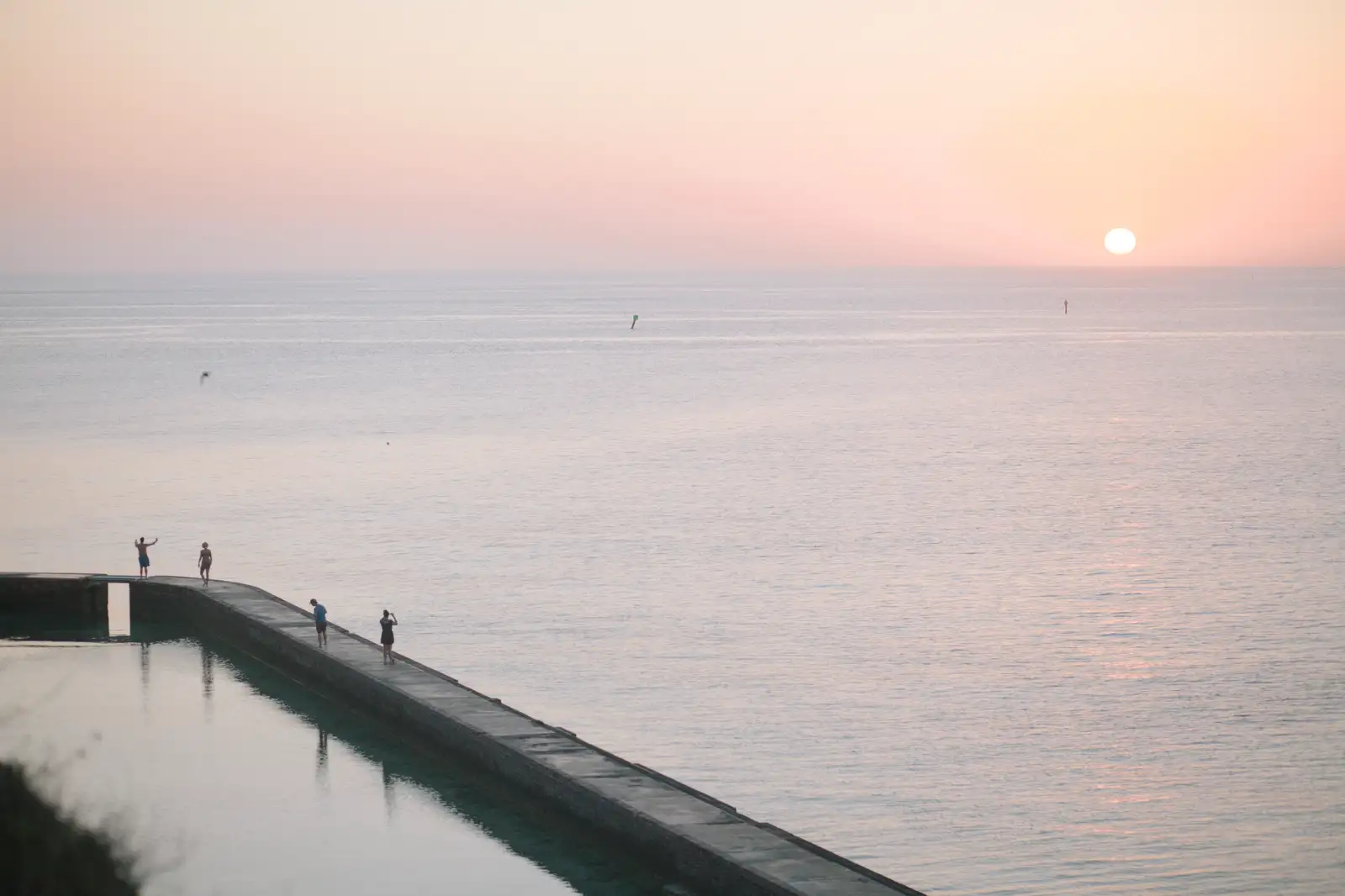
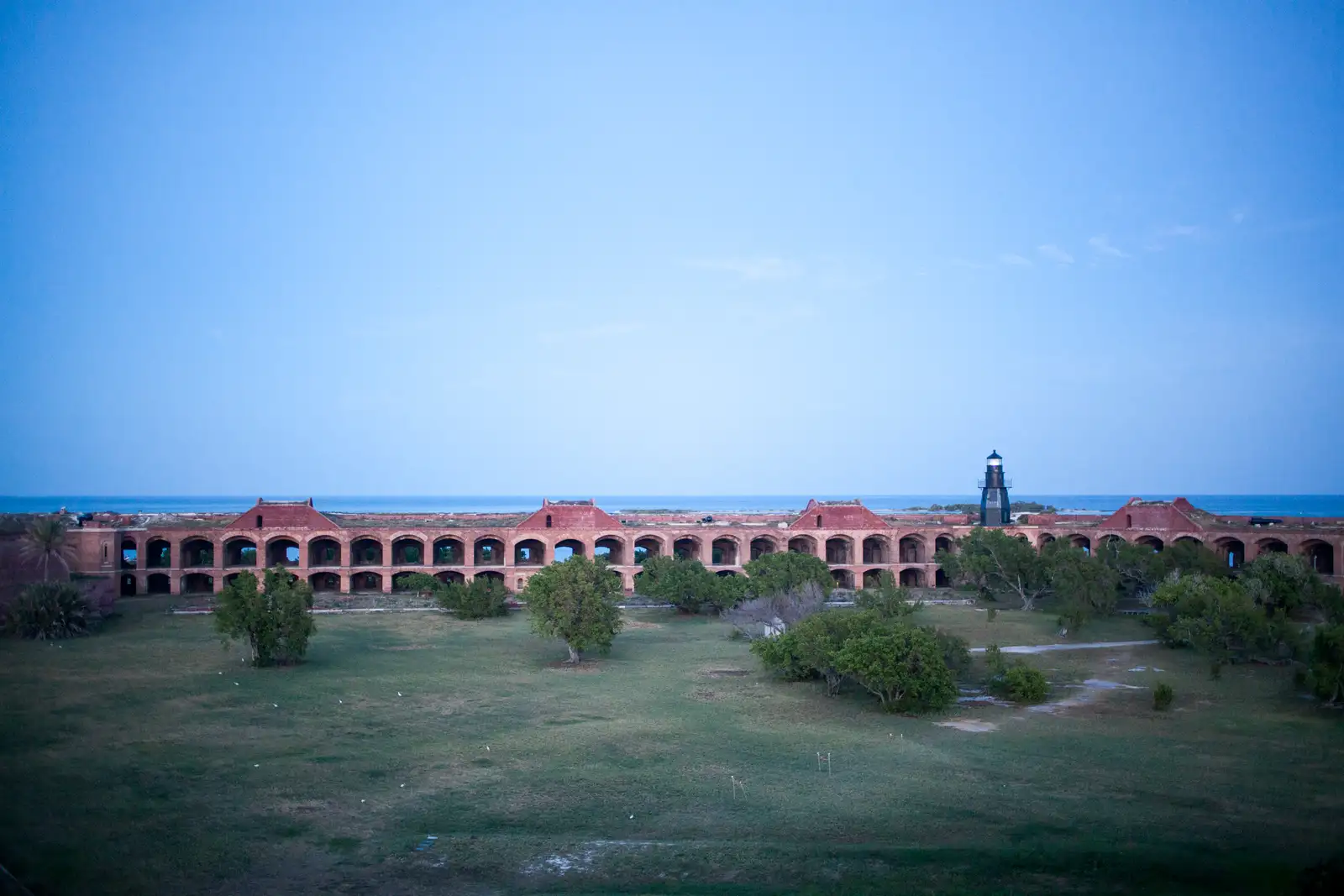
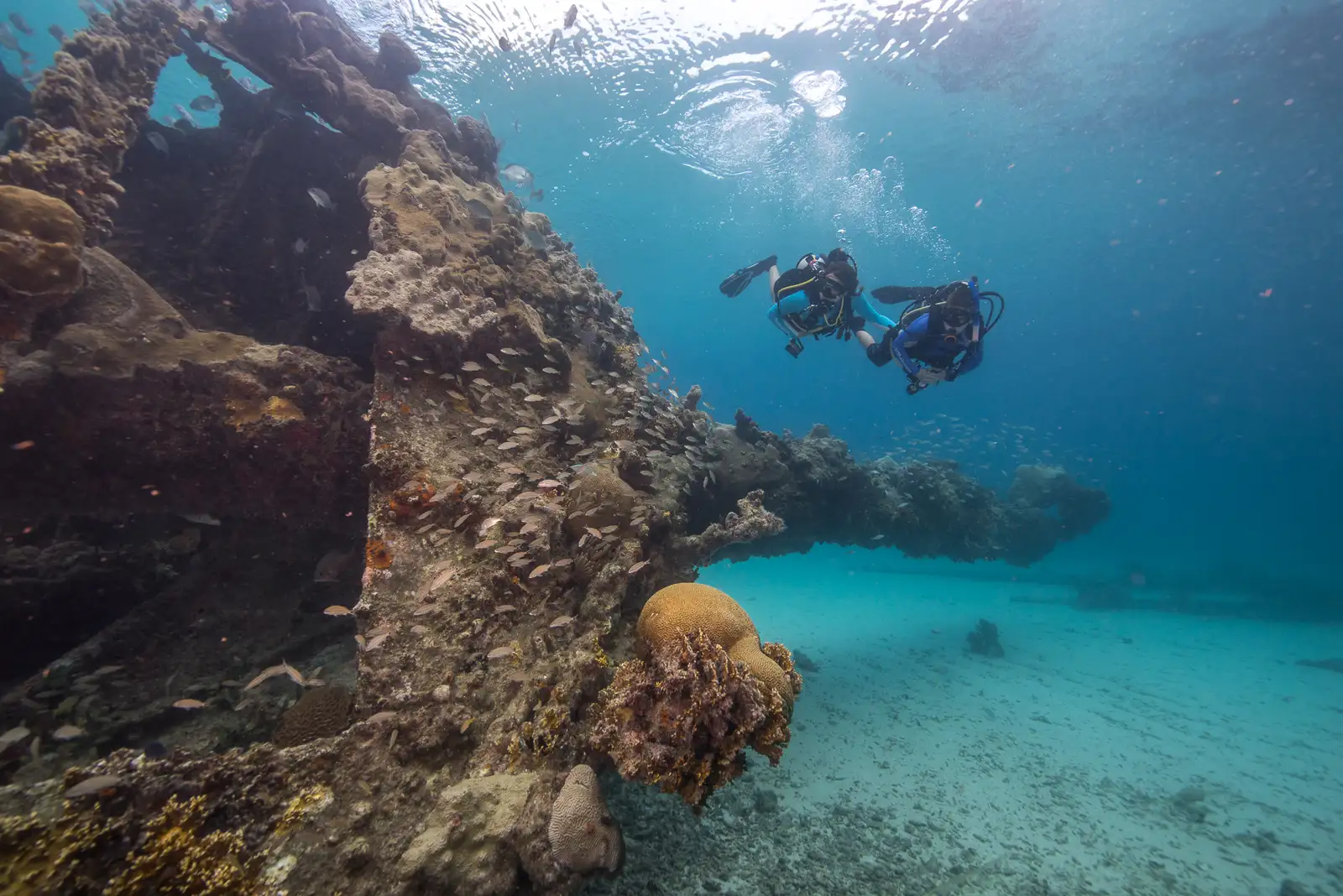
What waits is mostly open water with seven small islands scattered across it. Fort Jefferson dominates Garden Key, a huge brick ring surrounded by coral reefs, snorkeling shallows, and some of the richest bird life in the region. The park is open around the clock, so the eight primitive campsites let a handful of people stay after the day boats leave, when the sky darkens and the only sounds are wind and water.
The pull here is not a summit or a famous overlook. It is subtraction. Strip away the car, the crowd, and the phone, and what is left is a reef, a fort, and a horizon that goes on in every direction.
The science: Researchers randomly sent young cancer survivors on either an eight-day remote wilderness expedition of hiking, kayaking and camping or a resort holiday, and only the expedition group showed a significant rise in nature connectedness. Dry Tortugas runs on the same logic: it sits almost 70 miles from Key West, reachable only by boat or seaplane, so getting there is a real departure from ordinary life rather than a detour off the highway. Camping overnight on Garden Key leaves you alone with the water, the fort, and the stars, the kind of full immersion the study set apart from a comfortable break.
Jong, Dahlqvist, Lown, Schats, Beckman & Jong (2023) · BMC Public Health
Seasonal guide
Crowd levels use NPS monthly visitation, averaged 2015–2025. Excludes 2020 (COVID anomaly) and 2026 (partial year). Temperatures are NOAA climate normals from a station 0.1 miles away. Busy does not mean bad. If a peak month is your only window, the season notes below tell you how to work it.
Highs sit in the mid-70s with lows around the mid-60s, and the air is milder and drier than summer. This is the stormy season, though, meaning windier conditions and rougher seas that sometimes cancel the ferry, so book flexible dates, pack a layer for the crossing, and check the boat status before you go.
Warm and largely settled, with highs climbing from the high 70s to the mid-80s and generally calmer water for snorkeling. These are the busiest months, and with only 175 ferry seats a day, reserve your crossing well ahead and aim for an early start on the island.
Hot and humid, with highs near 90 and the start of tropical storm season bringing a chance of isolated afternoon storms. The water is warm and calm for snorkeling, so get in early, drink plenty, watch the forecast, and be ready for a plan change if a storm moves through.
The calmest for crowds but the wettest and stormiest, with September averaging over 7 inches of rain during peak hurricane season. Monitor tropical forecasts closely in September and October, and consider November, when highs ease into the high 70s, rain drops off, and you can have the fort nearly to yourself.
This month in the park
Timing changes everything out here. Pick a month to see when the light turns golden, which nights stay darkest for stargazing, and what visitors have actually recorded in bloom and on the move. The new-moon night is the one to plan a sky-watching evening around.
January 2027
In bloom · 4 species on record
- ❀ Baycedar 2 sightings
- ❀ Wild poinsettia 1 sightings
- ❀ Southern Searocket 1 sightings
- ❀ Aloe vera 1 sightings
Wildlife on the move · 108 species on record
- Magnificent Frigatebird 55 sightings
- Brown Pelican 30 sightings
- Caribbean Land Hermit Crab 29 sightings
- Ruddy Turnstone 24 sightings
- Laughing Gull 15 sightings
February 2027
In bloom · 2 species on record
- ❀ Aloe vera 1 sightings
- ❀ Baycedar 1 sightings
Wildlife on the move · 98 species on record
- Magnificent Frigatebird 46 sightings
- Ruddy Turnstone 26 sightings
- Brown Pelican 21 sightings
- Gray Snapper 17 sightings
- Royal Tern 16 sightings
March 2027
In bloom · 7 species on record
- ❀ Snow Squarestem 2 sightings
- ❀ Wild poinsettia 1 sightings
- ❀ Catchfly prairie gentian 1 sightings
- ❀ Baycedar 1 sightings
- ❀ Scarlet Cordia 1 sightings
Wildlife on the move · 195 species on record
- Magnificent Frigatebird 66 sightings
- Sooty Tern 42 sightings
- Ruddy Turnstone 34 sightings
- Gray Snapper 34 sightings
- Caribbean Land Hermit Crab 23 sightings
April 2027
In bloom · 7 species on record
- ❀ Common Purslane 1 sightings
- ❀ Beach Morning Glory 1 sightings
- ❀ Wild poinsettia 1 sightings
- ❀ Catchfly prairie gentian 1 sightings
- ❀ Sea grape 1 sightings
Wildlife on the move · 230 species on record
- Sooty Tern 124 sightings
- Magnificent Frigatebird 111 sightings
- Hooded Warbler 54 sightings
- Western Cattle-Egret 44 sightings
- Masked Booby 42 sightings
May 2027
In bloom · 5 species on record
- ❀ Scarlet Cordia 2 sightings
- ❀ Catchfly prairie gentian 1 sightings
- ❀ Southern Searocket 1 sightings
- ❀ Sea grape 1 sightings
- ❀ Caribbean Stylo 1 sightings
Wildlife on the move · 233 species on record
- Sooty Tern 76 sightings
- Magnificent Frigatebird 70 sightings
- Western Cattle-Egret 31 sightings
- Brown Pelican 29 sightings
- Gray Snapper 29 sightings
June 2027
In bloom · 6 species on record
- ❀ Beach Morning Glory 1 sightings
- ❀ Wild poinsettia 1 sightings
- ❀ Catchfly prairie gentian 1 sightings
- ❀ Bracted fanpetals 1 sightings
- ❀ Blue Porterweed 1 sightings
Wildlife on the move · 127 species on record
- Sooty Tern 39 sightings
- Magnificent Frigatebird 24 sightings
- Gray Snapper 12 sightings
- Western Cattle-Egret 12 sightings
- Atlantic Sergeant Major 11 sightings
July 2026
Wildlife on the move · 253 species on record
- Sooty Tern 46 sightings
- Magnificent Frigatebird 38 sightings
- Caribbean Land Hermit Crab 34 sightings
- Gray Snapper 30 sightings
- Brown Anole 28 sightings
August 2026
In bloom · 5 species on record
- ❀ Wild poinsettia 2 sightings
- ❀ Snow Squarestem 2 sightings
- ❀ White Moneywort 1 sightings
- ❀ Perfumed spiderlily 1 sightings
- ❀ Blue Porterweed 1 sightings
Wildlife on the move · 149 species on record
- Gray Snapper 19 sightings
- Sandwich Tern 19 sightings
- Magnificent Frigatebird 17 sightings
- Atlantic Tarpon 15 sightings
- Knobby brain coral 12 sightings
September 2026
Wildlife on the move · 102 species on record
- Caribbean Land Hermit Crab 16 sightings
- Ruddy Turnstone 13 sightings
- Magnificent Frigatebird 13 sightings
- Gray Snapper 5 sightings
- Atlantic Tarpon 5 sightings
October 2026
In bloom · 16 species on record
- ❀ Beach Morning Glory 2 sightings
- ❀ Common Purslane 1 sightings
- ❀ Turkey tangle frogfruit 1 sightings
- ❀ Green Buttonwood 1 sightings
- ❀ Creeping beggarweed 1 sightings
Wildlife on the move · 120 species on record
- Caribbean Land Hermit Crab 17 sightings
- Queen Conch 9 sightings
- Magnificent Frigatebird 8 sightings
- Ruddy Turnstone 7 sightings
- Brown Pelican 7 sightings
November 2026
Wildlife on the move · 98 species on record
- Magnificent Frigatebird 24 sightings
- Caribbean Land Hermit Crab 23 sightings
- Ruddy Turnstone 18 sightings
- Gray Snapper 12 sightings
- Brown Pelican 10 sightings
December 2026
Wildlife on the move · 91 species on record
- Caribbean Land Hermit Crab 23 sightings
- Magnificent Frigatebird 17 sightings
- Ruddy Turnstone 12 sightings
- Brown Pelican 10 sightings
- Gray Snapper 9 sightings
Sun and moon times are computed for the park's coordinates from standard NOAA solar equations and cross-checked against the U.S. Naval Observatory. Species lists are research-grade community observations for Dry Tortugas National Park, US, FL via iNaturalist, retrieved July 2026; sighting counts are all-time records for that calendar month.
Don’t wait for Dry Tortugas.
One big trip a year isn’t what changes how you feel — the small stuff in between is. The 7-Day Nature Reset is one tiny outdoor practice a day, wherever you already are. Day one takes 60 seconds.
No spam. No noise. Just nature.
Day 1 is landing in your inbox right now — go say hi.
Sleep nearby
Places to stay around Key West, Florida. Pan the map to trade a shorter drive for a quieter night.
Camping inside the park books through Recreation.gov and is listed separately.
The map is provided by Stay22. If you book through it we may earn a commission at no cost to you, which helps keep Happier Outdoors running. It never changes what we recommend.
Let someone else lead
A guide is worth it when the terrain needs one, or when you would rather look around than navigate. These are the highest-rated trips running around Dry Tortugas, not the cheapest.

Dry Tortugas National Park Day Trip by Catamaran from Key West
- Up to 15 per booking
- Wheelchair accessible
 Free cancellation
 Dry Tortugas National Park Day Trip by Luxury Private Boat
- Runs year-round
- Private tour, up to 13
- Stroller accessible
Tours are listed by Viator; booking happens there. If you book we may earn a commission at no cost to you, which helps keep Happier Outdoors running. It never changes what we list. Prices checked September 2026 and can change.
From the field
Common questions
When is the best time to visit Dry Tortugas National Park?
The most reliable window is winter through spring, roughly December to May, when temperatures are milder and drier with highs in the 70s and 80s. Winter brings calmer air but a stormy season with windier, rougher seas that can cancel ferries, while summer runs hot and humid with a higher chance of isolated tropical storms from June through November. Pick your dates around sea conditions as much as crowds.
Is Dry Tortugas National Park dog-friendly?
Leashed dogs are allowed on Garden Key's exterior areas, beaches, and campground, but never inside Fort Jefferson. Because pets are not permitted on the commercial ferry or seaplanes, a dog can only reach the park aboard a private boat, and owners must pack out all waste.
What is the quietest trail in Dry Tortugas National Park?
There are only two official trails, so solitude comes from the park's remoteness rather than a hidden path. The Fort Jefferson Loop is about half a mile and open year-round, while visitors note the roughly one-mile Bush Key Trail is closed from February to September to protect nesting birds, leaving it empty and solitary only when it reopens in the fall.
How crowded does Dry Tortugas National Park get?
Crowds are capped by design, with a daily limit of 330 visitors on Garden Key and ferry passengers limited to 175 per day. The busiest stretch is March through July, and because nearly everyone stays on the small Garden Key, people concentrate around Fort Jefferson and the beaches during daylight hours.
Is Dry Tortugas National Park accessible for wheelchairs?
Accessibility is limited by the remote island setting, but the first tier of Fort Jefferson, plus the grass and brick walkway around it, are wheelchair accessible. The second and third tiers are not, and the Yankee Freedom ferry has a boarding lift at the Key West dock that requires advance notice to arrange.
Can you camp at Dry Tortugas National Park?
Yes, camping is available only at the primitive Garden Key Campground, with 8 individual sites plus an overflow area and one group site. Individual sites cost $15 per night and cannot be reserved, while the group site for 10 to 20 people costs $30 per night and must be booked in advance by emailing the park.
Where do you park at Dry Tortugas National Park?
There is no parking at the park itself because it has no car access and sits 70 miles out in the Gulf. Visitors leave their vehicles in Key West at the ferry or seaplane departure points before crossing to the islands.
How much does it cost to enter Dry Tortugas National Park?
The entrance fee is $15.00 per person, good for 7 consecutive days, and anyone 15 and under is free. Ferry tickets include the entrance fee but not camping; seaplane and private boat visitors pay separately, so bring cash for each person 16 and older.