Death Valley National Park
Death Valley, California · West
Where nothing green still settles you
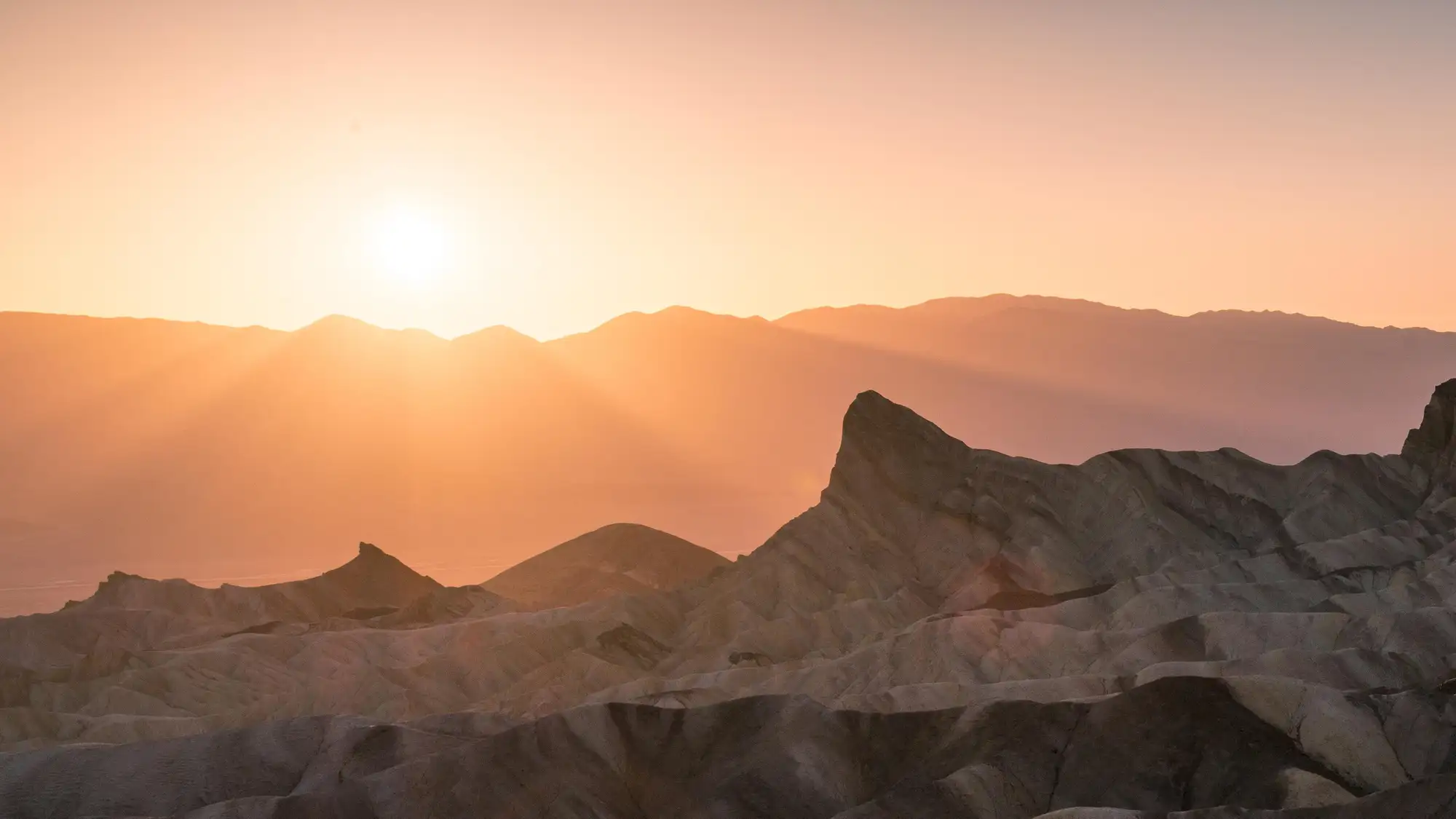
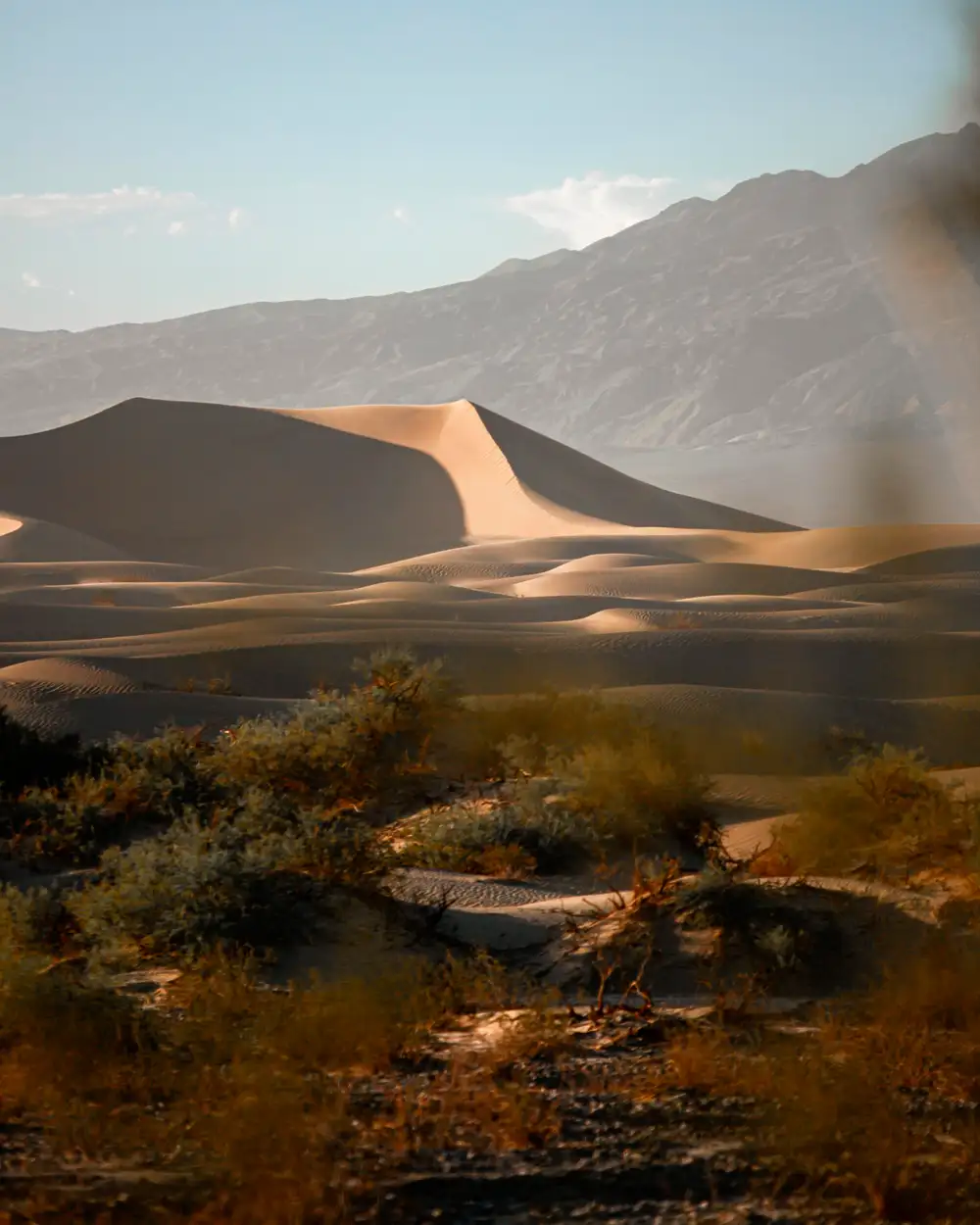
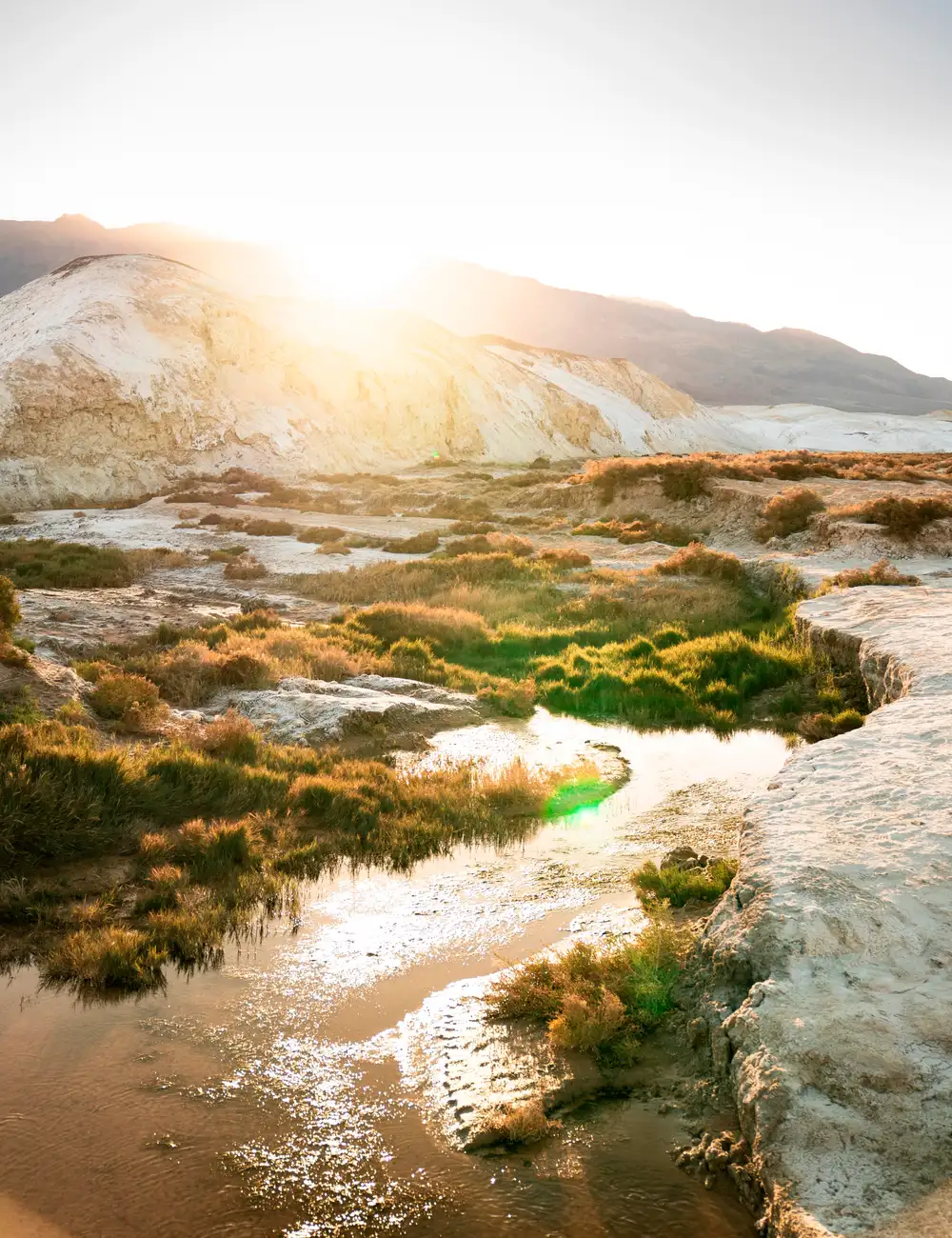
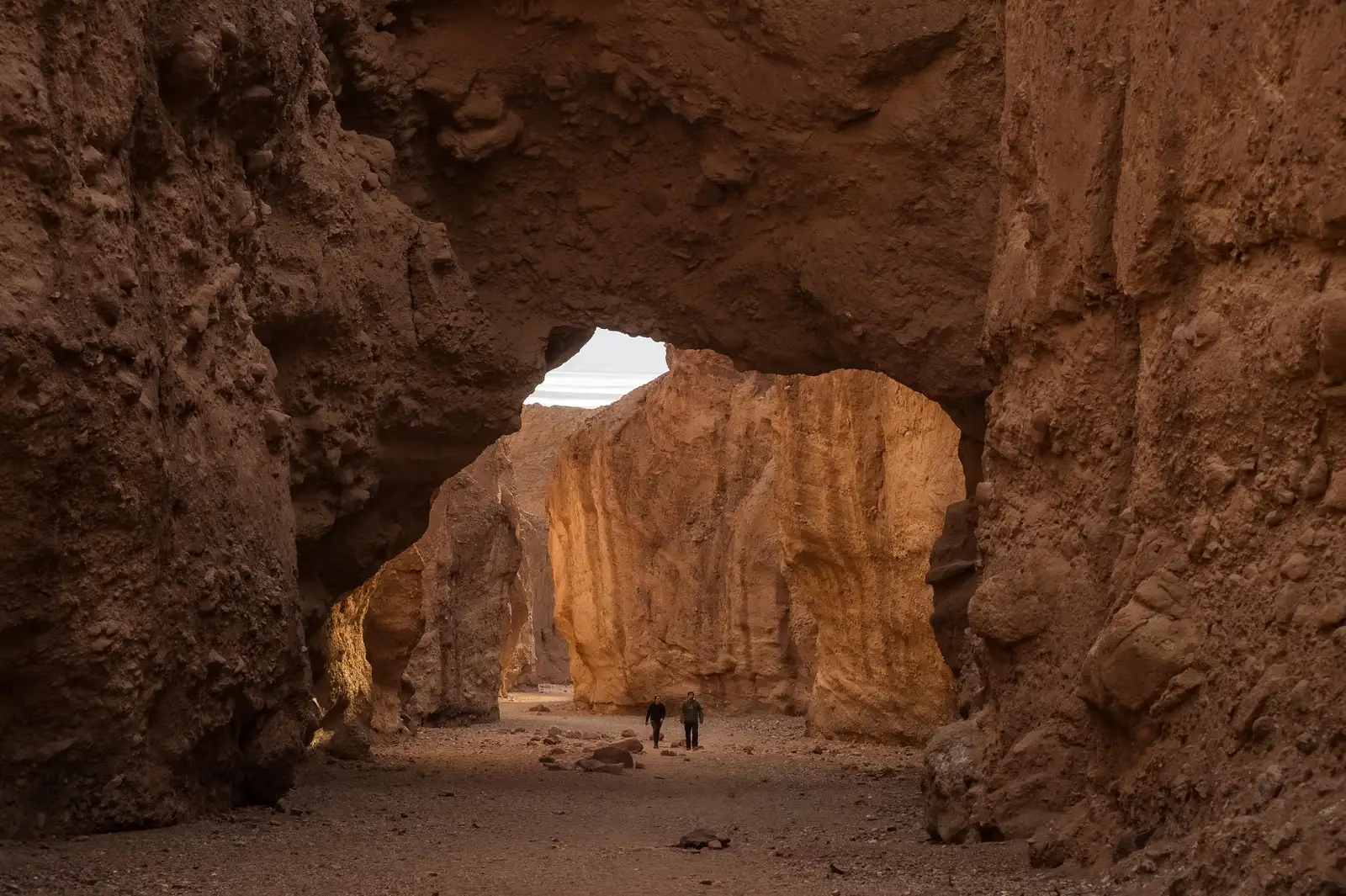
Death Valley is a place of subtraction. It sits in a below-sea-level basin where rain almost never falls, and what is left is salt pan, gravel, wind-carved rock, and dunes with barely a green thing in sight. The name promises a wasteland, yet the park points to a real diversity of life hanging on in its oases and washes.
That emptiness is the whole point. There is very little here to pull at your attention or feed a churning mind, and the scale of the open basin leaves worry nowhere to hide. Standing on the salt flats at Badwater or looking out from Zabriskie Point, the landscape asks nothing of you.
The extremes stack contrasts most deserts never manage. Winter snow frosts the high peaks above a valley that hit record heat months earlier, and after dark the sky fills with stars because there is almost no artificial light for miles.
The science: In a VR headset, men who spent ten minutes in a virtual desert showed lower cortisol and blood pressure than men who sat in a virtual office, even though the barren scene had almost no greenery. Death Valley is that brown landscape made real, and the same starkness people read as lifeless is exactly the kind of arid view that measurably calmed the body.
Yin, Bratman, Browning, Spengler & Olvera-Alvarez (2022) · Journal of Environmental Psychology
Seasonal guide
Crowd levels use NPS monthly visitation, averaged 2015–2025. Excludes 2020 (COVID anomaly) and 2026 (partial year). Temperatures are NOAA climate normals from a station 7.9 miles away. Busy does not mean bad. If a peak month is your only window, the season notes below tell you how to work it.
Spring is the busiest and most popular season, with highs climbing from the high 70s in March to the upper 90s by May, and possible wildflowers after a wet winter. This is peak crowding, so start early, book lodging and Furnace Creek sites well ahead, and use less-famous canyons to escape the lines. By late May the heat is already serious, so treat midday like summer.
Summer is dangerously hot, with July highs near 115F and June and August not far behind, and visitation drops sharply as a result. If this is your only window, confine yourself to paved viewpoints and short stops in the early morning, carry far more water than feels necessary, and never hike low-elevation trails in the afternoon. Higher-elevation areas run cooler and offer a real reprieve.
Autumn eases the heat gradually, from September highs still above 100F down to the low 70s by November, with generally clear skies. September stays quiet and October and November draw more people, so it is a strong balance of tolerable weather and moderate crowds. Early-season visitors should still treat the valley floor as hot and save exertion for morning.
Winter brings the mildest valley temperatures, with highs in the 60s and low 70s, chilly nights near 40F, and snow capping the high peaks. Low-angle light and rare rainstorms make it a beautiful time to explore, though holidays like Christmas, New Year's, MLK Day, and Presidents' Day bring crowds. Pack layers for cold mornings and clear nights.
This month in the park
Timing changes everything out here. Pick a month to see when the light turns golden, which nights stay darkest for stargazing, and what visitors have actually recorded in bloom and on the move. The new-moon night is the one to plan a sky-watching evening around.
January 2027
In bloom · 48 species on record
- ❀ Desert Holly 31 sightings
- ❀ Creosote Bush 19 sightings
- ❀ Golden desert-snapdragon 18 sightings
- ❀ Desert Sunflower 14 sightings
- ❀ Golden Suncup 9 sightings
Wildlife on the move · 149 species on record
- Coyote 45 sightings
- Common Raven 42 sightings
- Common Side-blotched Lizard 40 sightings
- Large Creosote Gall Midge 33 sightings
- Donkey 23 sightings
February 2027
In bloom · 92 species on record
- ❀ Golden desert-snapdragon 157 sightings
- ❀ Desert fivespot 115 sightings
- ❀ Browneyes 52 sightings
- ❀ Desert Sunflower 51 sightings
- ❀ Notch-leaf Scorpionweed 50 sightings
Wildlife on the move · 205 species on record
- Common Side-blotched Lizard 169 sightings
- Death Valley Pupfish 59 sightings
- Common Chuckwalla 52 sightings
- Smeringurus vachoni 48 sightings
- Common Raven 43 sightings
March 2027
In bloom · 175 species on record
- ❀ Desert fivespot 228 sightings
- ❀ Notch-leaf Scorpionweed 198 sightings
- ❀ Golden desert-snapdragon 126 sightings
- ❀ Creosote Bush 99 sightings
- ❀ Gravel ghost 76 sightings
Wildlife on the move · 440 species on record
- White-lined Sphinx 488 sightings
- Common Side-blotched Lizard 426 sightings
- Death Valley Pupfish 270 sightings
- Common Chuckwalla 166 sightings
- Zebra-tailed Lizard 137 sightings
April 2027
In bloom · 173 species on record
- ❀ Notch-leaf Scorpionweed 61 sightings
- ❀ Desert fivespot 55 sightings
- ❀ Creosote Bush 43 sightings
- ❀ Desert rock nettle 34 sightings
- ❀ Turtleback 34 sightings
Wildlife on the move · 345 species on record
- Common Side-blotched Lizard 197 sightings
- Common Chuckwalla 161 sightings
- White-lined Sphinx 151 sightings
- Desert Iguana 138 sightings
- Zebra-tailed Lizard 119 sightings
May 2027
In bloom · 117 species on record
- ❀ Desert Mariposa Lily 30 sightings
- ❀ Apricot globemallow 15 sightings
- ❀ Lilac Sunbonnet 15 sightings
- ❀ Mojave Woodyaster 11 sightings
- ❀ Engelmann's Hedgehog Cactus 11 sightings
Wildlife on the move · 353 species on record
- Common Side-blotched Lizard 81 sightings
- Zebra-tailed Lizard 66 sightings
- Desert Horned Lizard 54 sightings
- Desert Collared Lizard 44 sightings
- Coyote 43 sightings
June 2027
In bloom · 73 species on record
- ❀ Panamint mariposa lily 21 sightings
- ❀ Desert milkweed 9 sightings
- ❀ Netvein Goldeneye 7 sightings
- ❀ Turtleback 6 sightings
- ❀ Apricot globemallow 5 sightings
Wildlife on the move · 207 species on record
- Common Side-blotched Lizard 25 sightings
- Coyote 19 sightings
- Zebra-tailed Lizard 18 sightings
- Western Whiptail 16 sightings
- Donkey 16 sightings
July 2026
In bloom · 30 species on record
- ❀ Panamint mariposa lily 18 sightings
- ❀ Wildrose canyon buckwheat 5 sightings
- ❀ Pinyon mesa buckwheat 5 sightings
- ❀ Hoffmann's buckwheat 3 sightings
- ❀ Pagoda Buckwheat 3 sightings
Wildlife on the move · 132 species on record
- Zebra-tailed Lizard 20 sightings
- Coyote 18 sightings
- Sidewinder 15 sightings
- Common Raven 12 sightings
- Common Side-blotched Lizard 12 sightings
August 2026
In bloom · 11 species on record
- ❀ Wildrose canyon buckwheat 3 sightings
- ❀ Fragrant evening primrose 2 sightings
- ❀ Rose Sage 2 sightings
- ❀ Spineless Horsebrush 2 sightings
- ❀ Glandular wild buckwheat 1 sightings
Wildlife on the move · 120 species on record
- Coyote 23 sightings
- Zebra-tailed Lizard 14 sightings
- White-faced Ibis 11 sightings
- Desert Iguana 11 sightings
- Greater Roadrunner 10 sightings
September 2026
In bloom · 25 species on record
- ❀ Hoffmann's buckwheat 5 sightings
- ❀ Pagoda Buckwheat 4 sightings
- ❀ Flatcrown Buckwheat 2 sightings
- ❀ Panamint mountain wild buckwheat 2 sightings
- ❀ Rose Sage 2 sightings
Wildlife on the move · 160 species on record
- Zebra-tailed Lizard 30 sightings
- Common Side-blotched Lizard 23 sightings
- Coyote 23 sightings
- Common Raven 19 sightings
- Desert Tarantula 19 sightings
October 2026
In bloom · 54 species on record
- ❀ Apricot globemallow 9 sightings
- ❀ Hoffmann's buckwheat 9 sightings
- ❀ Chinchweed 7 sightings
- ❀ Emory's rockdaisy 7 sightings
- ❀ Parry's wild buckwheat 6 sightings
Wildlife on the move · 241 species on record
- Coyote 33 sightings
- Common Side-blotched Lizard 31 sightings
- Pallid-winged Grasshopper 29 sightings
- Common Raven 28 sightings
- Great-tailed Grackle 25 sightings
November 2026
In bloom · 55 species on record
- ❀ Creosote Bush 9 sightings
- ❀ Apricot globemallow 7 sightings
- ❀ Desert Trumpet 7 sightings
- ❀ Hoffmann's buckwheat 7 sightings
- ❀ Pagoda Buckwheat 7 sightings
Wildlife on the move · 197 species on record
- Pallid-winged Grasshopper 42 sightings
- Common Side-blotched Lizard 41 sightings
- Desert Tarantula 40 sightings
- Common Raven 35 sightings
- Coyote 35 sightings
December 2026
In bloom · 45 species on record
- ❀ Desert Holly 27 sightings
- ❀ Creosote Bush 13 sightings
- ❀ Turtleback 10 sightings
- ❀ Desert Sunflower 8 sightings
- ❀ Valley ringstem 6 sightings
Wildlife on the move · 128 species on record
- Coyote 47 sightings
- Common Raven 41 sightings
- Large Creosote Gall Midge 33 sightings
- Desert Tarantula 32 sightings
- Bighorn Sheep 28 sightings
Sun and moon times are computed for the park's coordinates from standard NOAA solar equations and cross-checked against the U.S. Naval Observatory. Species lists are research-grade community observations for Death Valley National Park, US, CA via iNaturalist, retrieved July 2026; sighting counts are all-time records for that calendar month.
Don’t wait for Death Valley.
One big trip a year isn’t what changes how you feel — the small stuff in between is. The 7-Day Nature Reset is one tiny outdoor practice a day, wherever you already are. Day one takes 60 seconds.
No spam. No noise. Just nature.
Day 1 is landing in your inbox right now — go say hi.
Sleep nearby
Places to stay around Beatty, Nevada. Pan the map to trade a shorter drive for a quieter night.
Camping inside the park books through Recreation.gov and is listed separately.
The map is provided by Stay22. If you book through it we may earn a commission at no cost to you, which helps keep Happier Outdoors running. It never changes what we recommend.
Let someone else lead
A guide is worth it when the terrain needs one, or when you would rather look around than navigate. These are the highest-rated trips running around Death Valley, not the cheapest.
 Free cancellation
 4-Hour Private Hidden Hot Springs Tour near Death Valley
- Runs year-round
- Private tour, up to 4
- Easy for most fitness levels
 Free cancellation
 Death Valley Sunset and Stargazing Tour from Las Vegas
- Runs year-round
- Up to 14 per booking
- Easy for most fitness levels
 Free cancellation
 Death Valley Small Group Day Tour with Sunset and Stargazing
- Runs year-round
- Up to 13 per booking
- Easy for most fitness levels
 Free cancellation
 Death Valley Day & Night Tour - Scenic Stops, Sunset & Stargazing
- Runs year-round
- Up to 14 per booking
- Stroller accessible
Tours are listed by Viator; booking happens there. If you book we may earn a commission at no cost to you, which helps keep Happier Outdoors running. It never changes what we list. Prices checked September 2026 and can change.
Activities & experiences
Beyond the trails
Ravens, roadrunners, hummingbirds. Death Valley draws a mix of resident and migratory birds, so bring binoculars.
Come spring, wildflowers show up across the valley. Learn which ones you might see and where.
This short scenic drive follows an unpaved road through colorful badlands.
Artists Drive is a one-way route of nine miles (14.5 km) through eroded, colorful desert hills. The Artists Palette viewpoint holds the most vivid scenery along the way.
At 282 feet (86 m) below sea level, Badwater Basin is the lowest point in North America. A quarter-mile (400 m) walk brings you to the famous polygon salt formations, though in summer you can take in the view from the parking area.
Devils Golf Course is a vast field of rock salt, weathered by wind and rain into jagged spires so rough that only the devil could play golf here. Listen closely for faint pops and pings, the sound of billions of salt crystals bursting as they expand and contract in the heat.
Details and current conditions live on nps.gov.
From the field
Common questions
When is the best time to visit Death Valley?
Spring is the most popular window, with warm sunny days and the chance of wildflowers, followed by autumn's pleasant temperatures and clear skies. Summer starts early and turns scorching by May, while winter brings cool days, chilly nights, and snow on the high peaks that many find especially beautiful.
Is Death Valley dog-friendly?
Leashed dogs (six feet maximum) are allowed only in developed areas, along roads, and on the bicycle path to Harmony Borax Works. They are never permitted on trails, on the dunes, or in wilderness, and you should never leave a pet in a vehicle, where heat can quickly turn deadly.
What is the quietest trail in Death Valley?
Visitors and the park consistently point to Desolation Canyon as the least-crowded hike, partly because it is unmarked at the visitor center and reached by a small unpaved road south of CA-190. Others note that Grotto Canyon gets overlooked because everyone's attention is fixed on the nearby Mesquite Flat Sand Dunes, and Golden Canyon empties out after the first mile.
How crowded does Death Valley get?
The park draws over 1.32 million visitors a year, with crowds peaking in winter and spring rather than summer. The busiest stretch runs January through April, especially spring break and winter holidays, while June through September stay quiet because of extreme heat.
Is Death Valley accessible for wheelchairs and strollers?
Accessibility is limited but real, centered on paved viewpoints and a few boardwalks. The Salt Creek Interpretive Trail is a fully accessible half-mile boardwalk loop, and the Furnace Creek Visitor Center offers accessible restrooms, water, and audio-description devices, though most other trails are unpaved and uneven due to wilderness protection.
Can you camp at Death Valley?
Yes, the park has one reservable NPS campground at Furnace Creek plus five first-come, first-served campgrounds, along with backcountry roadside camping. Furnace Creek can be booked up to six months ahead for the October 15 to April 15 season, while the others fill on a first-come basis; in summer heat, only a few campgrounds reliably stay open.
Where do you park at Death Valley?
There are paved and gravel lots at major viewpoints and trailheads like Furnace Creek, Zabriskie Point, and Badwater Basin. Small lots at popular spots such as Mesquite Flat Sand Dunes and Dante's View fill by mid-morning in peak season, so arriving before 9 AM is the safest bet, and RVs and buses over 25 feet are not allowed on Dante's View Road.