Cuyahoga Valley National Park
Peninsula, Ohio
The valley between two restless cities
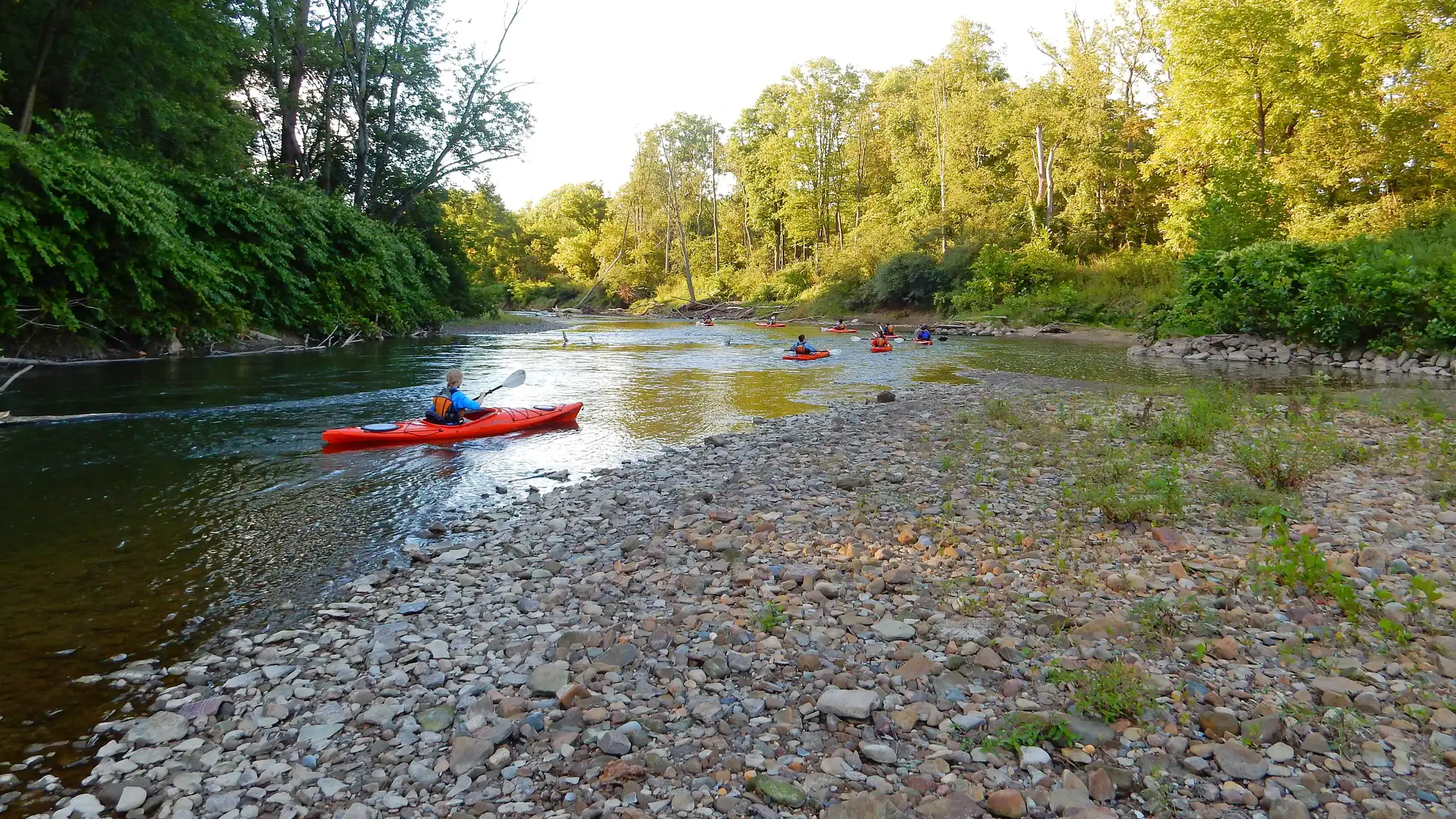
Cuyahoga Valley wraps around a winding river in the strip of land between Cleveland and Akron. It never feels far from either city, and that is the point. Deep forest, rolling farmland, and the historic Ohio and Erie Canal towpath sit within a short drive of a few million people, which is exactly the contrast that matters here.
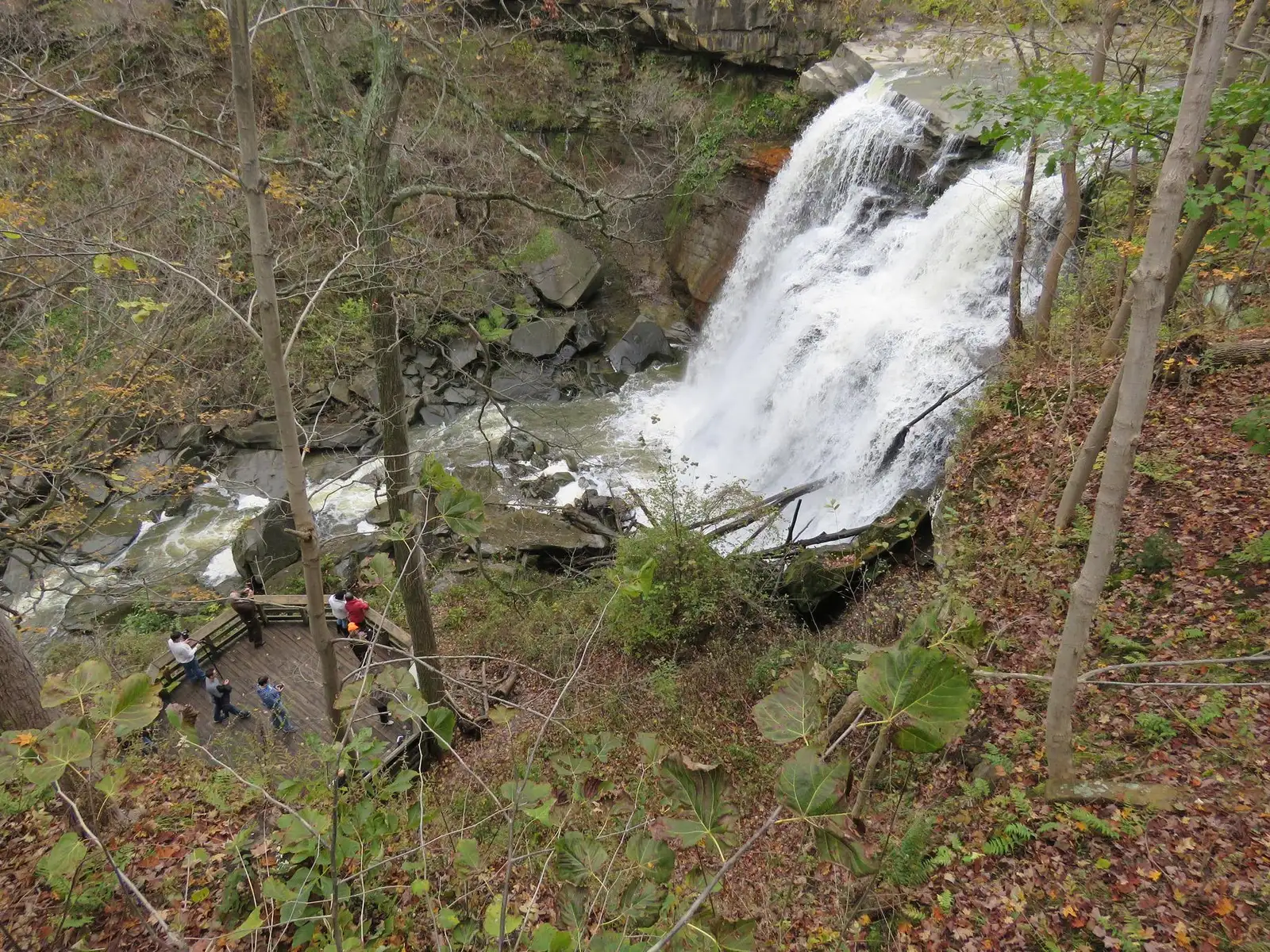
The Towpath Trail is flat, hard-packed, and easy to walk without thinking, so the walking gets out of the way and the surroundings take over. Brandywine Falls drops over a shelf of layered rock, the Beaver Marsh hums with frogs and birds, and the river threads it all together. None of it demands effort. It just asks you to stay a while.
The marquee sites fill fast, but the park holds over 100 miles of trail. Forested loops away from the famous spots stay calm even on crowded weekends, which is where the real reset lives.
The science: In a study by Bratman and colleagues, people who took a 90-minute walk through a natural setting showed less rumination, the looping self-critical thought, than people who walked the same length of time in a city. Brain scans backed it up, with lower activity in a region tied to that kind of brooding. A place like this, green and quiet yet minutes from the freeway, is close to the exact comparison they ran.
Bratman, Hamilton, Hahn, Daily & Gross (2015) · PNAS
Seasonal guide
Crowd levels use NPS monthly visitation, averaged 2015–2025. Excludes 2020 (COVID anomaly) and 2026 (partial year). Temperatures are NOAA climate normals from a station 11 miles away. Busy does not mean bad. If a peak month is your only window, the season notes below tell you how to work it.
Winter is the quietest stretch, with highs in the mid-30s and lows dipping toward 18F or below. Lake-effect snow off Lake Erie can change conditions fast, so layer up and check the roads. This is prime time for snowshoeing, cross-country skiing, and having the Towpath nearly to yourself.
Spring warms from the mid-40s in March to the low 70s by May, with rain feeding wildflowers and new leaves. Crowds stay light in March and April before May starts filling up. Expect muddy trails after storms, and pack a rain layer for the changeable days.
Summer is the busiest season, with highs in the high 70s to low 80s and real humidity. Popular lots like Brandywine Falls fill by 10 a.m. and daily through peak season, so arrive early or shift to a shaded forest loop. Mornings on the river and marsh are the coolest, calmest window.
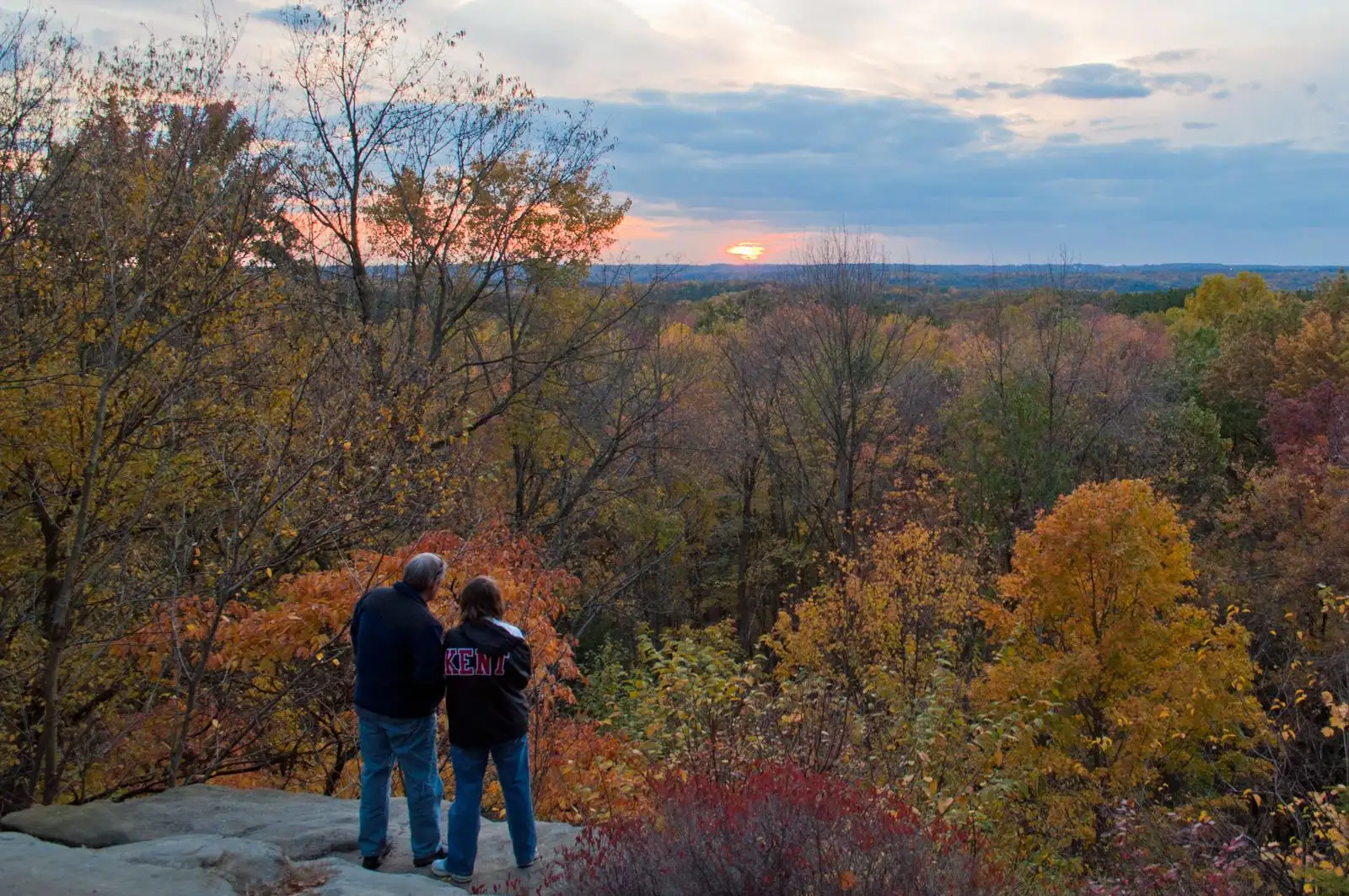
Fall runs from low-70s days in September to freezing nights by November, with foliage typically peaking in mid-October. October weekends draw big leaf-peeping crowds, so go on a weekday or start at dawn. By November the crowds thin out and the bare forest opens up long views.
This month in the park
Timing changes everything out here. Pick a month to see when the light turns golden, which nights stay darkest for stargazing, and what visitors have actually recorded in bloom and on the move. The new-moon night is the one to plan a sky-watching evening around.
January 2027
In bloom · 3 species on record
- ❀ Eastern Skunk Cabbage 2 sightings
- ❀ Swamp rose mallow 1 sightings
- ❀ Ozark witch-hazel 1 sightings
Wildlife on the move · 115 species on record
- Great Blue Heron 56 sightings
- American Robin 39 sightings
- Red-tailed Hawk 37 sightings
- White-throated Sparrow 35 sightings
- American Black Duck 33 sightings
February 2027
In bloom · 5 species on record
- ❀ Eastern Skunk Cabbage 7 sightings
- ❀ Dandelions 1 sightings
- ❀ Common snowdrop 1 sightings
- ❀ Bird's-eye speedwell 1 sightings
- ❀ Winter Aconite 1 sightings
Wildlife on the move · 150 species on record
- Great Blue Heron 80 sightings
- American Black Duck 58 sightings
- Canada Goose 45 sightings
- Eastern Screech-Owl 45 sightings
- Northern Cardinal 44 sightings
March 2027
In bloom · 23 species on record
- ❀ Eastern Skunk Cabbage 21 sightings
- ❀ Virginia Springbeauty 18 sightings
- ❀ Colt's-foot 17 sightings
- ❀ Lesser celandine 9 sightings
- ❀ Bloodroot 7 sightings
Wildlife on the move · 228 species on record
- Spotted Salamander 217 sightings
- Wood Frog 195 sightings
- Great Blue Heron 169 sightings
- Painted Turtle 162 sightings
- Jefferson Salamander 104 sightings
April 2027
In bloom · 90 species on record
- ❀ Bloodroot 130 sightings
- ❀ Large white trillium 130 sightings
- ❀ Virginia Springbeauty 83 sightings
- ❀ Virginia bluebells 64 sightings
- ❀ Yellow trout lily 61 sightings
Wildlife on the move · 383 species on record
- Painted Turtle 227 sightings
- Wood Duck 207 sightings
- Eastern Red-backed Salamander 141 sightings
- Great Blue Heron 132 sightings
- Red-winged Blackbird 121 sightings
May 2027
In bloom · 134 species on record
- ❀ Large white trillium 163 sightings
- ❀ Azure bluet 89 sightings
- ❀ Philadelphia fleabane 57 sightings
- ❀ Jack-in-the-Pulpit 42 sightings
- ❀ Flowering dogwood 39 sightings
Wildlife on the move · 676 species on record
- Painted Turtle 239 sightings
- Great Blue Heron 216 sightings
- Common Snapping Turtle 188 sightings
- Wood Duck 168 sightings
- Baltimore Oriole 136 sightings
June 2027
In bloom · 124 species on record
- ❀ Foxglove beardtongue 21 sightings
- ❀ Partridgeberry 21 sightings
- ❀ Multiflora rose 14 sightings
- ❀ Annual fleabane 13 sightings
- ❀ Dame's rocket 12 sightings
Wildlife on the move · 844 species on record
- Common Snapping Turtle 235 sightings
- Wood Duck 195 sightings
- Ebony Jewelwing 191 sightings
- Great Blue Heron 177 sightings
- Painted Turtle 120 sightings
July 2026
In bloom · 117 species on record
- ❀ Black-eyed Susan 28 sightings
- ❀ Chicory 23 sightings
- ❀ Fringed loosestrife 18 sightings
- ❀ Swamp rose mallow 16 sightings
- ❀ Wild bergamot 16 sightings
Wildlife on the move · 830 species on record
- Wood Duck 191 sightings
- Eastern Tiger Swallowtail 163 sightings
- Ebony Jewelwing 162 sightings
- Great Blue Heron 158 sightings
- Eastern Pondhawk 150 sightings
August 2026
In bloom · 100 species on record
- ❀ American groundnut 25 sightings
- ❀ Common jewelweed 22 sightings
- ❀ Brown-eyed Susan 19 sightings
- ❀ American hog-peanut 18 sightings
- ❀ Pale jewelweed 17 sightings
Wildlife on the move · 652 species on record
- Common Eastern Bumble Bee 198 sightings
- Wood Duck 182 sightings
- Great Blue Heron 154 sightings
- Eastern Tiger Swallowtail 152 sightings
- Green Heron 121 sightings
September 2026
In bloom · 88 species on record
- ❀ Common jewelweed 32 sightings
- ❀ Pale jewelweed 27 sightings
- ❀ Great blue lobelia 24 sightings
- ❀ Wingstem 22 sightings
- ❀ Brown-eyed Susan 22 sightings
Wildlife on the move · 585 species on record
- Common Eastern Bumble Bee 146 sightings
- Wood Duck 127 sightings
- Great Blue Heron 115 sightings
- Painted Turtle 106 sightings
- Western Honey Bee 84 sightings
October 2026
In bloom · 32 species on record
- ❀ Fall phlox 6 sightings
- ❀ American witch-hazel 3 sightings
- ❀ Wingstem 3 sightings
- ❀ New England aster 3 sightings
- ❀ Brown-eyed Susan 3 sightings
Wildlife on the move · 423 species on record
- Great Blue Heron 91 sightings
- Painted Turtle 81 sightings
- Wood Duck 62 sightings
- Isabella Tiger Moth 61 sightings
- Eastern Red-backed Salamander 57 sightings
November 2026
In bloom · 8 species on record
- ❀ Swamp rose mallow 2 sightings
- ❀ Eastern Skunk Cabbage 1 sightings
- ❀ Red Clover 1 sightings
- ❀ American witch-hazel 1 sightings
- ❀ Lawn daisy 1 sightings
Wildlife on the move · 192 species on record
- Eastern Screech-Owl 61 sightings
- American Black Duck 49 sightings
- Great Blue Heron 47 sightings
- Bald Eagle 45 sightings
- Eastern Bluebird 44 sightings
December 2026
Wildlife on the move · 109 species on record
- Great Blue Heron 50 sightings
- Bald Eagle 39 sightings
- Eastern Bluebird 35 sightings
- Northern Cardinal 26 sightings
- American Tree Sparrow 26 sightings
Sun and moon times are computed for the park's coordinates from standard NOAA solar equations and cross-checked against the U.S. Naval Observatory. Species lists are research-grade community observations for Cuyahoga Valley National Park, US, OH via iNaturalist, retrieved July 2026; sighting counts are all-time records for that calendar month.
Don’t wait for Cuyahoga Valley.
One big trip a year isn’t what changes how you feel — the small stuff in between is. The 7-Day Nature Reset is one tiny outdoor practice a day, wherever you already are. Day one takes 60 seconds.
No spam. No noise. Just nature.
Day 1 is landing in your inbox right now — go say hi.
Sleep nearby
Most visitors base in Cuyahoga Falls, Ohio, about 9 miles out. It offers numerous major chain hotels and better prices just a short drive from the park. Peninsula is the historic heart of the park but has virtually no hotels, only a few vacation rentals and one B&B. The map opens on Cuyahoga Falls, so pan toward the park to trade rooms and price for a shorter morning drive.
Camping inside the park books through Recreation.gov and is listed separately.
The map is provided by Stay22. If you book through it we may earn a commission at no cost to you, which helps keep Happier Outdoors running. It never changes what we recommend.
Activities & experiences
Beyond the trails
The park's mix of habitats supports more than 200 bird species across the year. Bring a field guide and binoculars and see what turns up.
When conditions cooperate, snowshoeing is a good way to move through the park in winter. Wait for at least four inches of packed snow on the trail.
Fishing makes for an easy day here. Find out where the good spots are and how to fish responsibly.
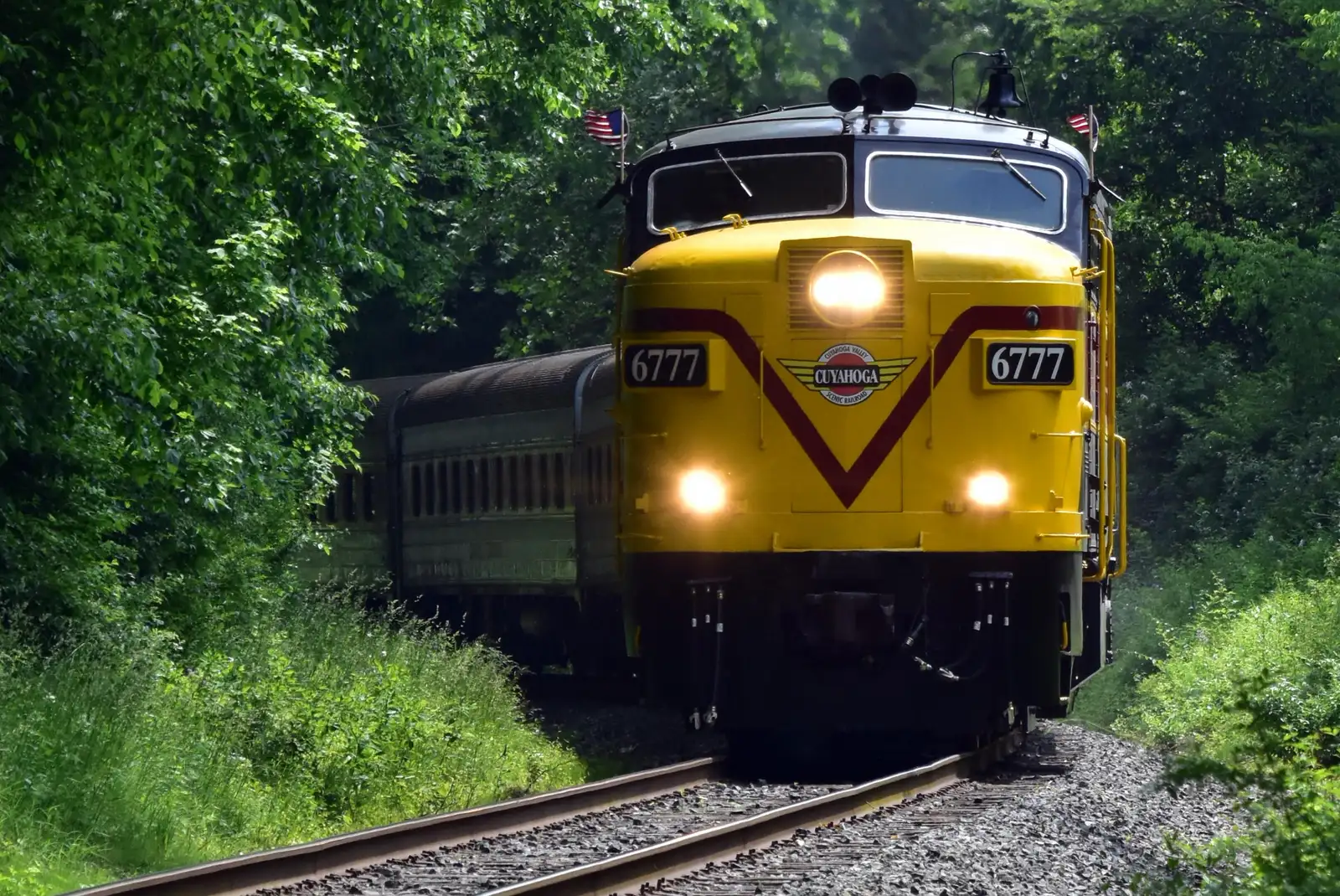
The Cuyahoga Valley Scenic Railroad offers a different way to see the park, from a seat on the train.
Kids ages 3 and older can earn a Junior Ranger badge. Here is how it works.
Built for intermediate riders, the East Rim Trail system has varied terrain, real obstacles, and good views.
Details and current conditions live on nps.gov.
From the field
Common questions
When is the best time to visit Cuyahoga Valley National Park?
The quietest months are January and February, while June through August draw the biggest crowds. For fall color, aim for mid-October when foliage typically peaks, and spring brings wildflowers and new leaves along the trails. Summer is warm and humid with highs in the low 80s, so dress in layers and start early.
Is Cuyahoga Valley National Park dog-friendly?
Yes, leashed dogs are welcome on over 100 miles of trails, including the Ledges Trail and the Ohio and Erie Canal Towpath, as long as the leash is six feet or shorter. Pets are not allowed in park buildings, on the East Rim Mountain Bike Trail System, or on the Cuyahoga Valley Scenic Railroad. Only service animals may ride the train.
What is the quietest trail in Cuyahoga Valley National Park?
Hikers consistently point to the Plateau Trail, Riding Run Trail, and Tree Farm Trail as the quietest options. They lack the waterfalls and rock formations that pull crowds toward Brandywine Falls and the Ledges, so their forested loops stay calm even on busy days. Furnace Run and Pine Grove trails are also frequently mentioned for solitude.
How crowded does Cuyahoga Valley National Park get?
Cuyahoga Valley is one of the most visited national parks in the country, drawing nearly 3 million people a year. It is busiest from 10 a.m. to 3 p.m. between May and October, and popular sites like Brandywine Falls and the Ledges fill first. Arrive early or visit in winter to sidestep the crowds.
Is Cuyahoga Valley National Park accessible for wheelchairs and strollers?
Yes, several major sites are wheelchair and stroller accessible. The Boston Mill Visitor Center is fully accessible with ADA restrooms, the Towpath Trail is level and hard-packed, and paved paths reach Beaver Marsh and part of the Brandywine Falls boardwalk. Steep ravine trails are the least accessible, and wheelchair loans are available first come, first served at Boston Mill.
Where do you park at Cuyahoga Valley National Park?
Park at designated trailhead lots such as Boston Mill Visitor Center, Brandywine Falls, and the Ledges Trailhead, since the park has no single entrance. Brandywine Falls often fills by 10 a.m. and Boston Mill fills on nice weekends and daily in summer. Nearby Metro Parks trailheads and other Towpath access points offer overflow options when the primary lots are full.
Is there an entrance fee for Cuyahoga Valley National Park?
No, there is no entrance fee at Cuyahoga Valley National Park. The park is free and open 24 hours a day, year-round, though certain sites like Brandywine Falls, the Ledges, and Kendall Lake close from dusk until morning.