Channel Islands National Park
Ventura, California · West
Islands that grew their own life
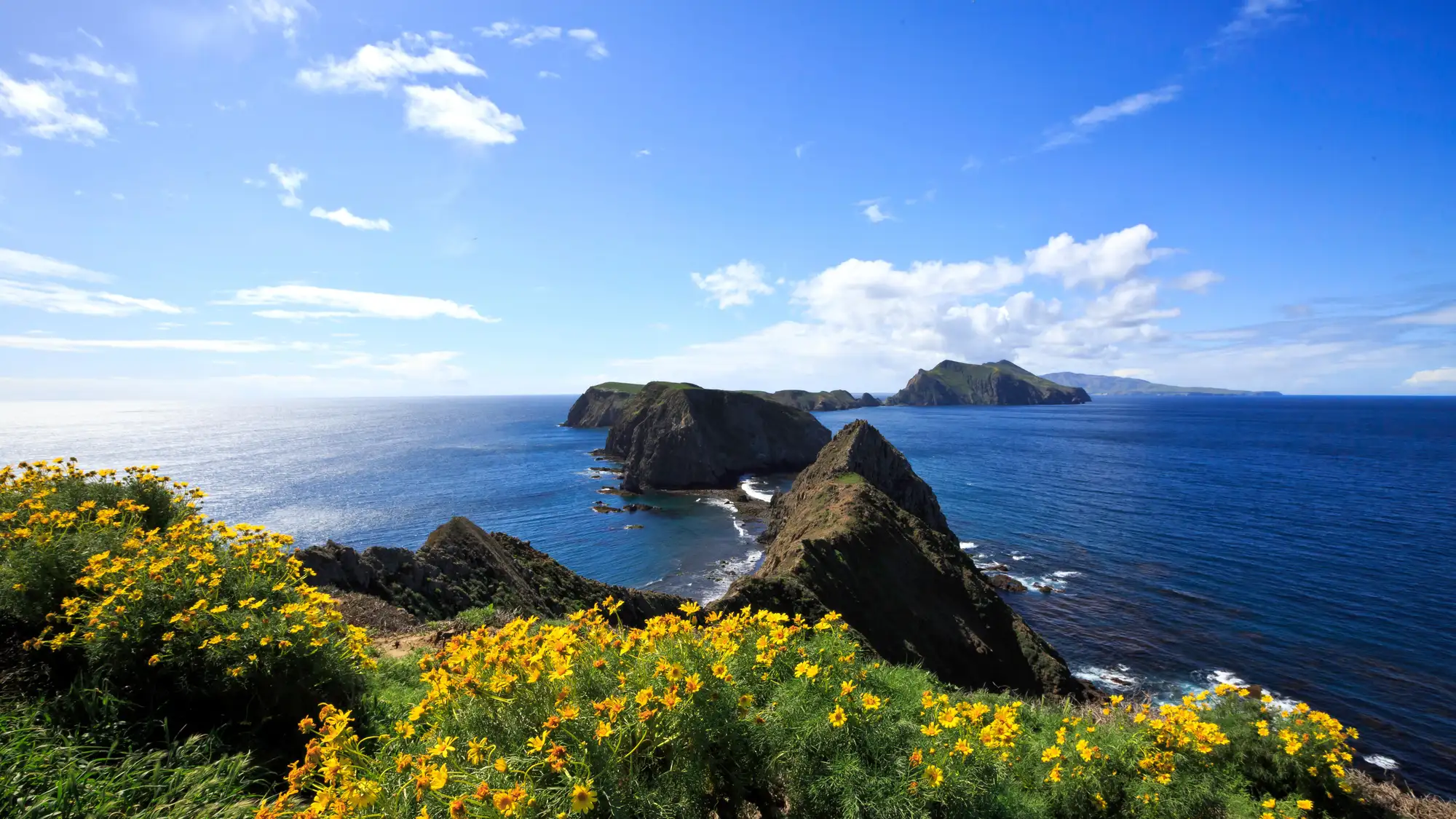
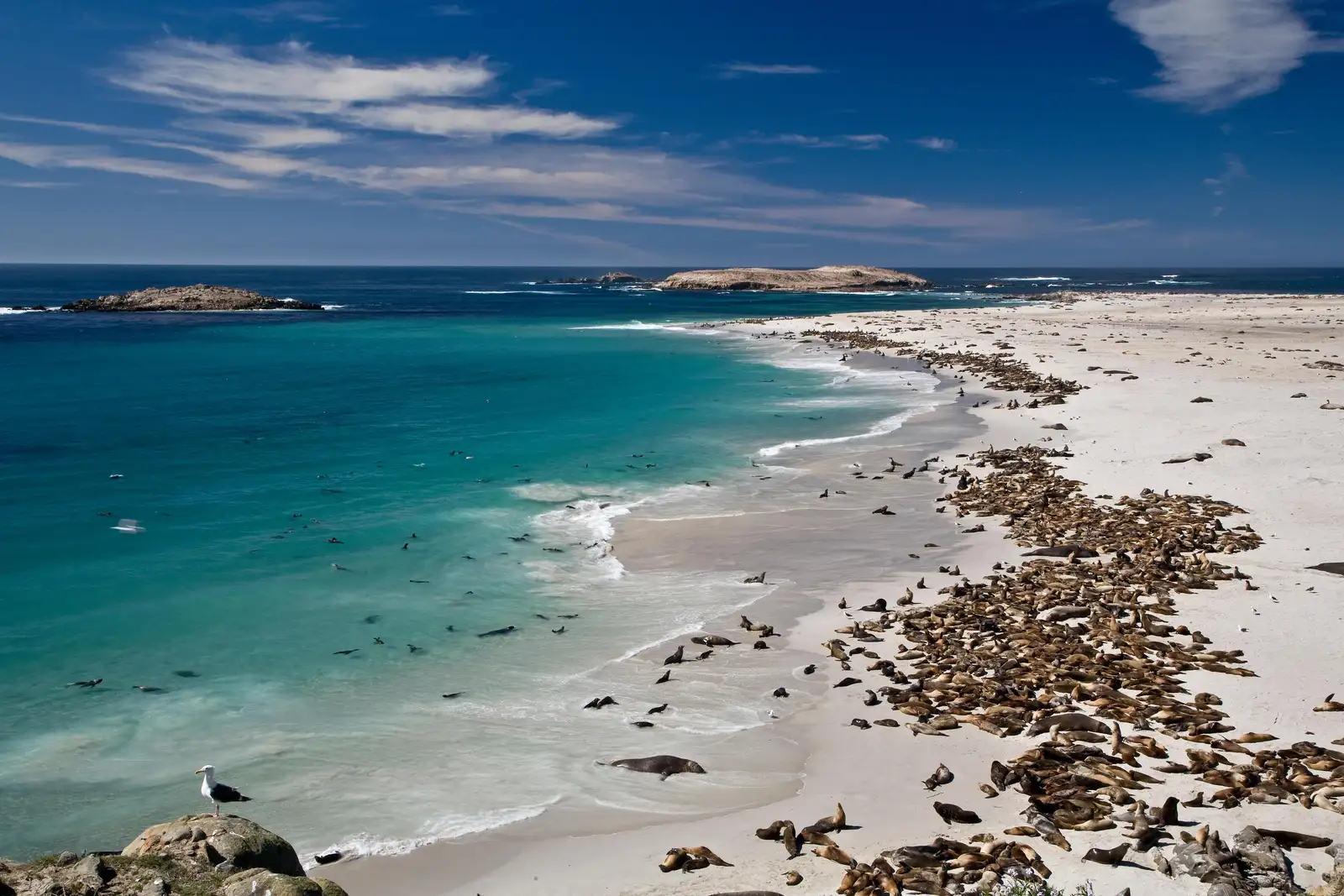
Channel Islands is five islands and the ocean around them, cut off from mainland California by a channel that has to be crossed by boat or small plane. That isolation is the whole story. Over thousands of years, plants and animals here drifted away from their mainland relatives into forms found nowhere else on Earth, the endangered island fox among them. The park protects a version of coastal southern California that has largely vanished everywhere else.
paragraphs2
That density of unusual life is not just a checklist for naturalists. It seems to be part of why the place feels good to be in. When you land on Santa Cruz or Santa Rosa, you are inside kelp forests offshore, seabird colonies overhead, and endemic plants underfoot, and the richness registers even before you can name a single species.
Getting here filters out the crowds and the noise on its own. The crossing takes an hour or more, phones lose signal, and what is left is water, wind, birdsong, and islands that have been left mostly to themselves. Sit on a bluff above Scorpion Anchorage and the reset happens without any summit involved.
The science: In a study of urban green spaces, Fuller and colleagues found that the psychological wellbeing people gained from a place rose with its biodiversity, meaning the richness of its plant and bird species. Notably, visitors could to some degree actually perceive that richness. A place packed with distinct forms of life, like these islands, gives the mind more to draw on.
Fuller, Irvine, Devine-Wright, Warren & Gaston (2007) · Biology Letters
Seasonal guide
Crowd levels use NPS monthly visitation, averaged 2015–2025. Excludes 2020 (COVID anomaly). Temperatures are NOAA climate normals from a station 29.6 miles away. Busy does not mean bad. If a peak month is your only window, the season notes below tell you how to work it.
Winter is the quietest stretch, with island highs in the low-60s and the wettest weather of the year on the crossing. Seas can turn rough, so watch the marine forecast and keep your dates flexible in case a boat is canceled. Pack warm, waterproof layers and you get near-empty trails and long views of the water in return.
Spring warms gradually and dries out, with island highs in the mid-60s and green hillsides after the winter rains. Crowds pick up from April onward, so book boats and campsites early and aim for a weekday if you can. Morning fog and cooler seas are common, so bring layers even on a bright day.
Summer is the peak season and the warmest, with island highs around the low-70s, dry skies, and the calmest, most reliable boat crossings. Scorpion Anchorage on Santa Cruz is busiest at midday, so take an early boat, or choose a lower-capacity island like Santa Rosa or Santa Barbara for real quiet. Reserve everything well ahead, since summer sites and shuttles fill fast.
Fall is a sweet spot, staying warm into September with island highs in the low-70s, then easing into quieter, cooler months. Crowds thin noticeably after September while the ocean often stays settled. Book a shoulder-season crossing and you get mild weather with far fewer people on the trails.
This month in the park
Timing changes everything out here. Pick a month to see when the light turns golden, which nights stay darkest for stargazing, and what visitors have actually recorded in bloom and on the move. The new-moon night is the one to plan a sky-watching evening around.
January 2027
In bloom · 55 species on record
- ❀ Island manzanita 23 sightings
- ❀ Santa Cruz Island wild buckwheat 10 sightings
- ❀ California fuchsia 8 sightings
- ❀ White-haired manzanita 7 sightings
- ❀ Island ceanothus 6 sightings
Wildlife on the move · 290 species on record
- Island Fox 122 sightings
- Island Scrub-Jay 69 sightings
- Common Raven 37 sightings
- Common Side-blotched Lizard 30 sightings
- Spanish Shawl 27 sightings
February 2027
In bloom · 44 species on record
- ❀ Island ceanothus 17 sightings
- ❀ Giant coreopsis 9 sightings
- ❀ Blue dicks 8 sightings
- ❀ Island manzanita 7 sightings
- ❀ Arroyo Willow 5 sightings
Wildlife on the move · 314 species on record
- Island Fox 183 sightings
- Island Scrub-Jay 85 sightings
- Common Side-blotched Lizard 52 sightings
- Brown Pelican 32 sightings
- Common Raven 32 sightings
March 2027
In bloom · 128 species on record
- ❀ Island bush monkeyflower 45 sightings
- ❀ Tomcat clover 36 sightings
- ❀ Blue dicks 32 sightings
- ❀ Early Onion 17 sightings
- ❀ Island ceanothus 17 sightings
Wildlife on the move · 446 species on record
- Island Fox 251 sightings
- Island Scrub-Jay 154 sightings
- Common Side-blotched Lizard 110 sightings
- Western Gull 71 sightings
- Brown Pelican 64 sightings
April 2027
In bloom · 129 species on record
- ❀ California poppy 102 sightings
- ❀ Island bush monkeyflower 49 sightings
- ❀ White Globe Lily 32 sightings
- ❀ Blue dicks 27 sightings
- ❀ Tidy tips 26 sightings
Wildlife on the move · 609 species on record
- Island Fox 333 sightings
- Common Side-blotched Lizard 193 sightings
- Island Scrub-Jay 181 sightings
- Island Fence Lizard 79 sightings
- Common Raven 61 sightings
May 2027
In bloom · 102 species on record
- ❀ California poppy 45 sightings
- ❀ Island bush monkeyflower 29 sightings
- ❀ White Globe Lily 28 sightings
- ❀ Milk thistle 18 sightings
- ❀ Southern bush monkeyflower 17 sightings
Wildlife on the move · 535 species on record
- Island Fox 249 sightings
- Common Side-blotched Lizard 159 sightings
- Island Scrub-Jay 156 sightings
- Western Gull 69 sightings
- Common Raven 63 sightings
June 2027
In bloom · 80 species on record
- ❀ Island bush monkeyflower 36 sightings
- ❀ California poppy 35 sightings
- ❀ Island Mallow 28 sightings
- ❀ Santa Cruz Island wild buckwheat 19 sightings
- ❀ White Globe Lily 18 sightings
Wildlife on the move · 453 species on record
- Island Fox 280 sightings
- Island Scrub-Jay 186 sightings
- Common Side-blotched Lizard 139 sightings
- Western Gull 103 sightings
- Brown Pelican 57 sightings
July 2026
In bloom · 61 species on record
- ❀ California poppy 23 sightings
- ❀ Santa Cruz Island wild buckwheat 21 sightings
- ❀ Island Mallow 13 sightings
- ❀ Toyon 9 sightings
- ❀ Island bush monkeyflower 9 sightings
Wildlife on the move · 522 species on record
- Island Fox 230 sightings
- Common Side-blotched Lizard 105 sightings
- Island Scrub-Jay 101 sightings
- Western Gull 81 sightings
- Island Fence Lizard 47 sightings
August 2026
In bloom · 54 species on record
- ❀ Santa Cruz Island wild buckwheat 19 sightings
- ❀ Island Mallow 17 sightings
- ❀ California fuchsia 14 sightings
- ❀ Narrowleaf milkweed 13 sightings
- ❀ California poppy 9 sightings
Wildlife on the move · 453 species on record
- Island Fox 199 sightings
- Island Scrub-Jay 126 sightings
- Common Side-blotched Lizard 93 sightings
- Common Raven 56 sightings
- Western Gull 53 sightings
September 2026
In bloom · 53 species on record
- ❀ Island Mallow 21 sightings
- ❀ California fuchsia 17 sightings
- ❀ Santa Cruz Island wild buckwheat 10 sightings
- ❀ California poppy 7 sightings
- ❀ Coyote brush 6 sightings
Wildlife on the move · 473 species on record
- Island Fox 167 sightings
- Island Scrub-Jay 86 sightings
- Common Side-blotched Lizard 83 sightings
- Common Raven 40 sightings
- Kelp Bass 38 sightings
October 2026
In bloom · 30 species on record
- ❀ California fuchsia 19 sightings
- ❀ Coyote brush 15 sightings
- ❀ Island Mallow 14 sightings
- ❀ California poppy 4 sightings
- ❀ Mediterranean Stork's-bill 4 sightings
Wildlife on the move · 525 species on record
- Island Fox 211 sightings
- Island Scrub-Jay 135 sightings
- Common Raven 87 sightings
- Common Side-blotched Lizard 85 sightings
- White-crowned Sparrow 42 sightings
November 2026
In bloom · 27 species on record
- ❀ Coyote brush 22 sightings
- ❀ Island Mallow 21 sightings
- ❀ California fuchsia 15 sightings
- ❀ Santa Cruz Island wild buckwheat 8 sightings
- ❀ California poppy 7 sightings
Wildlife on the move · 394 species on record
- Island Fox 172 sightings
- Island Scrub-Jay 72 sightings
- Brown Pelican 51 sightings
- Common Raven 46 sightings
- Common Side-blotched Lizard 41 sightings
December 2026
In bloom · 29 species on record
- ❀ California fuchsia 12 sightings
- ❀ Island manzanita 11 sightings
- ❀ Island Mallow 5 sightings
- ❀ Coyote brush 4 sightings
- ❀ Bigpod ceanothus 4 sightings
Wildlife on the move · 287 species on record
- Island Fox 142 sightings
- Island Scrub-Jay 62 sightings
- Common Raven 45 sightings
- Lophocampa indistincta 26 sightings
- Say's Phoebe 24 sightings
Sun and moon times are computed for the park's coordinates from standard NOAA solar equations and cross-checked against the U.S. Naval Observatory. Species lists are research-grade community observations for Channel Islands National Park, US, CA via iNaturalist, retrieved July 2026; sighting counts are all-time records for that calendar month.
Don’t wait for Channel Islands.
One big trip a year isn’t what changes how you feel — the small stuff in between is. The 7-Day Nature Reset is one tiny outdoor practice a day, wherever you already are. Day one takes 60 seconds.
No spam. No noise. Just nature.
Day 1 is landing in your inbox right now — go say hi.
Sleep nearby
Places to stay around Ventura, California. Pan the map to trade a shorter drive for a quieter night.
Camping inside the park books through Recreation.gov and is listed separately.
The map is provided by Stay22. If you book through it we may earn a commission at no cost to you, which helps keep Happier Outdoors running. It never changes what we recommend.
From the field
Common questions
When is the best time to visit Channel Islands National Park?
The islands are mild year-round with a Mediterranean climate, so the best time depends on what you want. Highs on the islands average in the mid-60s and lows in the low-50s across the seasons, with the warmest, driest weather from July through September and the quietest crowds from December through February. Ocean and weather conditions change day to day and island to island, so build in flexibility around boat schedules.
Can I bring my dog to Channel Islands National Park?
No, dogs and pets are not allowed on any of the islands, even on a leash. The ban protects unique wildlife like the endangered island fox from diseases carried by domestic animals. Pets are permitted only in the exterior areas of the mainland visitor center in Ventura, not inside the building or on shuttles and boats, and service animals require a superintendent permit after a health screening.
What is the quietest trail in Channel Islands National Park?
On Santa Cruz Island, the trails most often pointed to as the quietest are the Montañon Ridge Loop and the roughly 7.5-mile route to Smugglers Cove, along with Pelican Bay near Prisoners Harbor. These see far fewer people because they are rugged, involve significant elevation gain, and sit away from Scorpion Anchorage where most visitors land. Pelican Bay also requires a Nature Conservancy permit or a guide, which limits access further.
How crowded does Channel Islands National Park get?
Crowds are moderate overall, with about 263,000 visitors in 2024, and access is naturally capped by the need for boat or plane transport. The park is busiest from June through August, especially midday when concessionaire boats arrive, and nearly all of that traffic concentrates at Scorpion Anchorage on Santa Cruz Island. Santa Rosa, San Miguel, and Santa Barbara islands stay significantly quieter thanks to lower daily capacity limits.
Is Channel Islands National Park accessible for wheelchairs?
The mainland visitor centers in Ventura and Santa Barbara are fully accessible, but the islands themselves are very limited. No island trails are paved; they are narrow dirt and gravel paths, and only flat dirt roads near the landings and airstrip can be managed with a wheelchair or walker. Beach wheelchairs are available on request, and boat and plane accessibility arrangements must be made in advance with the concessionaire.
Can you camp at Channel Islands National Park?
Yes, the park offers primitive camping on all five islands, with sites on Anacapa, Santa Cruz, Santa Rosa, San Miguel, and Santa Barbara. Most sites are $15 per night, group sites at Scorpion Canyon run up to $40, and there is no water at most campgrounds, so plan to pack in supplies. Every site requires an advance reservation, and you must bring transportation to the island separately.
How do you get to Channel Islands National Park?
The islands are reached only by park concessionaire boats and planes or by private boat, though the mainland visitor center in Ventura is easy to reach by car or public transportation. Advance planning is strongly recommended because boat transportation requires reservations. Give yourself buffer time, since crossings depend on ocean and weather conditions.