
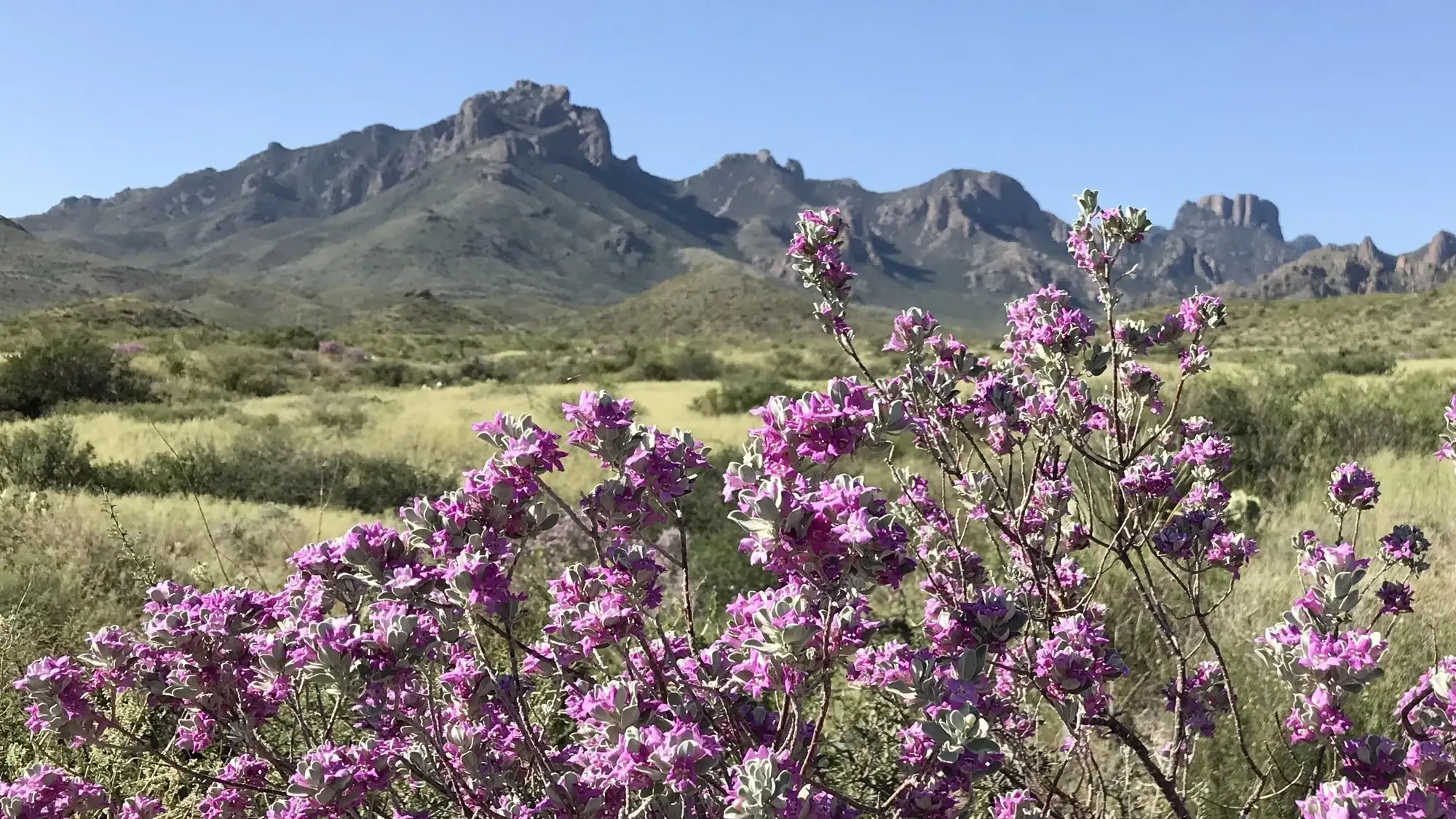
Big Bend National Park
Big Bend National Park, Texas
The river makes you feel small
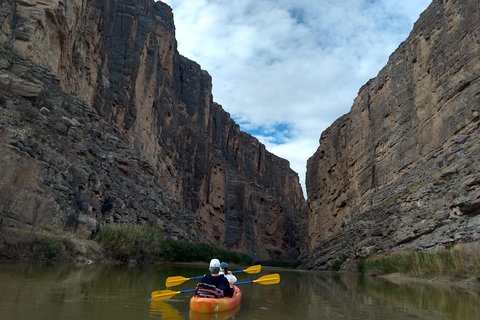
Big Bend sits at the literal end of the road in Far West Texas, where the Rio Grande has spent ages cutting through ancient limestone. The park itself calls the results temple-like canyons, and that is the right word for them. Stand at the mouth of one, or float between the walls in a canoe, and the scale quietly rearranges your sense of your own size.
That shift is not just poetry. Anderson, Monroy, and Keltner followed military veterans and young people from underserved communities on whitewater river trips and found that the awe they felt on the water predicted better wellbeing and fewer stress-related symptoms a full week later. The awe itself was doing the work, not only the exercise or the scenery.
Big Bend makes that feeling easy to find. It holds some of the darkest night skies in the country and, by the park's own account, the best species diversity of any national park in the United States, all of it wrapped in a remoteness that thins the human noise to almost nothing. Whether you paddle a canyon or just look up after dark, the same mechanism is at work.
The science: Anderson, Monroy, and Keltner studied military veterans and youth from underserved communities on whitewater river trips. The awe participants felt on the water predicted improved wellbeing and reduced stress-related symptoms, including PTSD, measured a week later.
Anderson, Monroy & Keltner (2018) · Emotion
Seasonal guide
Crowd levels use NPS monthly visitation, averaged 2015–2025. Excludes 2020 (COVID anomaly) and 2026 (partial year). Temperatures are NOAA climate normals from a station 2.5 miles away. Busy does not mean bad. If a peak month is your only window, the season notes below tell you how to work it.
March and April are the park's busiest months, with pleasant highs near 74F in March climbing into the low 80s by April before May pushes into the high 80s. Book campsites and lodging months out, and arrive at trailheads before 8 a.m. to beat the one-in, one-out parking control. May thins out as the heat arrives, so it can be a good compromise for cooler crowds.
These are the emptiest months for good reason: desert highs sit in the low 90s at Panther Junction and climb well above 100F on the flats by late morning, and July brings the wettest month with over two inches of rain and afternoon storm risk. The Chisos Mountains run 10 to 15 degrees cooler, so plan high-country hikes, start at dawn, and carry far more water than feels necessary. You will often have the trails nearly to yourself.
Fall eases from warm September days in the mid 80s down to comfortable November highs around 69F, with crowds building from very quiet in September to peak-level by November. October and November are among the finest windows here, mild by day and cool at night under exceptionally dark skies. Reserve camping ahead as the season fills, and pack a layer for the chilly evenings.
Winter is mild and pleasant, with highs in the low 60s and cold nights that can dip near freezing, and some freezing does occur though snow is rare. Holiday weeks in December and January draw crowds, so book early and start early, but late January can feel refreshingly quiet. Bring warm layers for dawn starts and dark, cold nights of stargazing.
This month in the park
Timing changes everything out here. Pick a month to see when the light turns golden, which nights stay darkest for stargazing, and what visitors have actually recorded in bloom and on the move. The new-moon night is the one to plan a sky-watching evening around.
January 2027
In bloom · 41 species on record
- ❀ Big Bend Bluebonnet 8 sightings
- ❀ Narrowleaf globemallow 5 sightings
- ❀ Feather dalea 5 sightings
- ❀ Yellow trumpet flower 4 sightings
- ❀ Bigelow's bristlehead 4 sightings
Wildlife on the move · 216 species on record
- Mexican Jay 141 sightings
- Greater Roadrunner 92 sightings
- Cactus Wren 36 sightings
- Say's Phoebe 32 sightings
- Rock Wren 31 sightings
February 2027
In bloom · 55 species on record
- ❀ Big Bend Bluebonnet 45 sightings
- ❀ Yellow Stingbush 13 sightings
- ❀ Torrey's Yucca 9 sightings
- ❀ Creosote Bush 6 sightings
- ❀ Narrowleaf globemallow 6 sightings
Wildlife on the move · 209 species on record
- Mexican Jay 83 sightings
- Greater Roadrunner 80 sightings
- Collared Peccary 30 sightings
- Canyon Towhee 28 sightings
- White-tailed Deer 27 sightings
March 2027
In bloom · 147 species on record
- ❀ Big Bend Bluebonnet 175 sightings
- ❀ Texas lignum-vitae 57 sightings
- ❀ Torrey's Yucca 52 sightings
- ❀ Ocotillo 33 sightings
- ❀ Mexican buckeye 32 sightings
Wildlife on the move · 474 species on record
- Mexican Jay 286 sightings
- Greater Roadrunner 201 sightings
- Greater Earless Lizard 129 sightings
- White-tailed Deer 126 sightings
- Cactus Wren 98 sightings
April 2027
In bloom · 223 species on record
- ❀ Scarlet hedgehog cactus 149 sightings
- ❀ Big Bend Bluebonnet 63 sightings
- ❀ Texas lignum-vitae 60 sightings
- ❀ Strawberry Cactus 51 sightings
- ❀ Purple Pricklypear 47 sightings
Wildlife on the move · 755 species on record
- Mexican Jay 265 sightings
- Greater Earless Lizard 231 sightings
- Greater Roadrunner 185 sightings
- White-tailed Deer 127 sightings
- Cactus Wren 113 sightings
May 2027
In bloom · 177 species on record
- ❀ Scarlet hedgehog cactus 63 sightings
- ❀ Firecrackerbush 42 sightings
- ❀ Tree cholla 23 sightings
- ❀ Yellow trumpet flower 21 sightings
- ❀ Pitcher's leatherflower 17 sightings
Wildlife on the move · 713 species on record
- Mexican Jay 219 sightings
- Greater Earless Lizard 152 sightings
- Greater Roadrunner 139 sightings
- Desert Millipede 101 sightings
- Vermilion Flycatcher 89 sightings
June 2027
In bloom · 111 species on record
- ❀ Yellow trumpet flower 27 sightings
- ❀ Firecrackerbush 23 sightings
- ❀ Texas milkweed 10 sightings
- ❀ Chiricahua Mountain stinkweed 10 sightings
- ❀ Plateau rocktrumpet 9 sightings
Wildlife on the move · 637 species on record
- Rusty-rumped Whiptail 68 sightings
- Mexican Jay 66 sightings
- Greater Earless Lizard 61 sightings
- Greater Roadrunner 57 sightings
- Desert Millipede 56 sightings
July 2026
In bloom · 149 species on record
- ❀ Firecrackerbush 46 sightings
- ❀ Yellow trumpet flower 34 sightings
- ❀ Orange Flameflower 18 sightings
- ❀ Texas milkweed 16 sightings
- ❀ Plateau rocktrumpet 13 sightings
Wildlife on the move · 592 species on record
- Black Webspinner 97 sightings
- Greater Earless Lizard 58 sightings
- Desert Millipede 51 sightings
- White-tailed Deer 45 sightings
- Western Diamond-backed Rattlesnake 42 sightings
August 2026
In bloom · 79 species on record
- ❀ Yellow trumpet flower 17 sightings
- ❀ Firecrackerbush 15 sightings
- ❀ Plateau rocktrumpet 10 sightings
- ❀ Cenizo 9 sightings
- ❀ Brownfoot 7 sightings
Wildlife on the move · 661 species on record
- Horse Lubber Grasshopper 56 sightings
- Mexican Jay 47 sightings
- Western Diamond-backed Rattlesnake 45 sightings
- White-tailed Deer 44 sightings
- Greater Earless Lizard 43 sightings
September 2026
In bloom · 135 species on record
- ❀ Firecrackerbush 37 sightings
- ❀ Yellow trumpet flower 32 sightings
- ❀ Evergreen sumac 17 sightings
- ❀ Mountain Sage 17 sightings
- ❀ Narrowleaf globemallow 15 sightings
Wildlife on the move · 805 species on record
- Western Diamond-backed Rattlesnake 104 sightings
- Texas Brown Tarantula 87 sightings
- Mexican Jay 72 sightings
- Horse Lubber Grasshopper 72 sightings
- Greater Earless Lizard 59 sightings
October 2026
In bloom · 171 species on record
- ❀ Yellow trumpet flower 25 sightings
- ❀ Narrowleaf desert honeysuckle 24 sightings
- ❀ American threefold 15 sightings
- ❀ Cenizo 15 sightings
- ❀ Rock Hibiscus 14 sightings
Wildlife on the move · 572 species on record
- Texas Brown Tarantula 106 sightings
- Mexican Jay 74 sightings
- Horse Lubber Grasshopper 69 sightings
- Plains Lubber Grasshopper 65 sightings
- Greater Roadrunner 61 sightings
November 2026
In bloom · 126 species on record
- ❀ Yellow trumpet flower 28 sightings
- ❀ Rock Hibiscus 28 sightings
- ❀ Narrowleaf desert honeysuckle 24 sightings
- ❀ Cenizo 22 sightings
- ❀ Brushland Lantana 18 sightings
Wildlife on the move · 445 species on record
- Mexican Jay 110 sightings
- Texas Brown Tarantula 108 sightings
- Greater Roadrunner 95 sightings
- American Black Bear 74 sightings
- Plains Lubber Grasshopper 61 sightings
December 2026
In bloom · 100 species on record
- ❀ Yellow trumpet flower 13 sightings
- ❀ Yellow Stingbush 12 sightings
- ❀ Brushland Lantana 12 sightings
- ❀ Narrowleaf globemallow 11 sightings
- ❀ Leatherweed 8 sightings
Wildlife on the move · 312 species on record
- Mexican Jay 132 sightings
- Greater Roadrunner 77 sightings
- White-tailed Deer 53 sightings
- Cactus Wren 39 sightings
- Say's Phoebe 37 sightings
Sun and moon times are computed for the park's coordinates from standard NOAA solar equations and cross-checked against the U.S. Naval Observatory. Species lists are research-grade community observations for Big Bend National Park, US, TX via iNaturalist, retrieved July 2026; sighting counts are all-time records for that calendar month.
Don’t wait for Big Bend.
One big trip a year isn’t what changes how you feel — the small stuff in between is. The 7-Day Nature Reset is one tiny outdoor practice a day, wherever you already are. Day one takes 60 seconds.
No spam. No noise. Just nature.
Day 1 is landing in your inbox right now — go say hi.
Sleep nearby
Places to stay around Terlingua, Texas. Pan the map to trade a shorter drive for a quieter night.
Camping inside the park books through Recreation.gov and is listed separately.
The map is provided by Stay22. If you book through it we may earn a commission at no cost to you, which helps keep Happier Outdoors running. It never changes what we recommend.
Let someone else lead
A guide is worth it when the terrain needs one, or when you would rather look around than navigate. These are the highest-rated trips running around Big Bend, not the cheapest.
 Free cancellation
 Hot Springs Canyon Full Day
- Up to 12 per booking
- Moderate fitness needed
Float the Canyons of the Rio Grande
- Runs year-round
- Up to 15 per booking
- Stroller accessible
 Free cancellation
 Big Bend National Park Self-Guided GPS Audio Driving Tour
- Runs year-round
- Service animals welcome
 Free cancellation
 Big Bend National Park Self-Guided Driving Audio Tour
- Easy for most fitness levels
Tours are listed by Viator; booking happens there. If you book we may earn a commission at no cost to you, which helps keep Happier Outdoors running. It never changes what we list. Prices checked September 2026 and can change.
Activities & experiences
Beyond the trails
For sheer numbers of birds, few spots in Big Bend beat Rio Grande Village. Head to the Nature Trail in the southeastern corner of the campground.
Cottonwood Campground sits near the Rio Grande under the shade of large cottonwood trees. Good place to watch for birds and other wildlife.
The park's primitive dirt roads reach the remote corners most visitors never see. You'll need a high-clearance, four wheel drive vehicle to attempt them.
A float trip on the Rio Grande carries you through one of the park's limestone canyons.
Lightly traveled roads and varied terrain make this a strong place to ride a bike.
A park ranger can lead you on a guided hike, talk, or evening program. It's a way to learn the stories behind the scenery.
Details and current conditions live on nps.gov.
From the field
Common questions
When is the best time to visit Big Bend National Park?
Fall and winter, roughly November through February, bring the mildest and most pleasant weather, with warm days and cool nights. Spring, especially March, is warm and comfortable but the busiest stretch of the year, while summer heat runs extreme, often well above 100F in the desert by late morning. Pick the season that fits your tolerance for heat and crowds.
Can I bring my dog to Big Bend National Park?
Dogs are allowed only where vehicles can go, meaning paved roads, parking areas, and developed campgrounds like Rio Grande Village and Cottonwood, always on a leash no longer than six feet. They are not permitted on any hiking trail, in the backcountry, or on the river. Only service animals are the exception on trails.
What is the quietest trail in Big Bend?
The Marufo Vega, Mariscal Canyon, and Ernst Ridge trails are among the least crowded in the park, largely because they are strenuous, remote, and offer no shade or water. Reaching Mariscal Canyon requires a high-clearance vehicle off River Road, and Marufo Vega runs through exposed open desert, so both demand serious preparation. Casual hikers head instead to shorter, busier routes like Lost Mine and Santa Elena Canyon.
How crowded does Big Bend get?
Big Bend draws around 561,000 visitors a year, with crowds concentrated from November through April. March is the single busiest month thanks to spring break, and the holiday weeks in December and January are also full, while June through August see the lowest visitation because of extreme heat. Parking and trailhead crowding peak mid-morning to early afternoon in winter.
Is Big Bend accessible for wheelchairs and strollers?
Big Bend has several accessible features, including the paved 0.3-mile Window View Trail, the paved Panther Path, a fully accessible Fossil Discovery Exhibit, and scenic overlooks with paved parking along Ross Maxwell Scenic Drive. The Panther Junction Visitor Center is open and accessible. Most hiking trails, primitive roads, and backcountry sites are not accessible due to steep, rough, or muddy terrain.
Can you camp at Big Bend National Park?
Yes, Big Bend has three developed campgrounds, Chisos Basin, Rio Grande Village, and Cottonwood, plus a concessioner RV park and primitive backcountry sites. All camping requires an advance reservation, as the park offers no first-come, first-served sites. Developed sites run $16 per night at Chisos Basin and Cottonwood, and $60 to $100 at Rio Grande Village.
Where do you park at Big Bend, and does it fill up?
Parking is in dedicated lots at trailheads and visitor centers like Lost Mine, Chisos Basin, Santa Elena Canyon, and Rio Grande Village, and during peak season from November through April these fill by late morning. When full, staff run one-in, one-out traffic control, and inbound traffic peaks between 8 a.m. and 1 p.m. Arriving before 8 a.m. is the surest way to get a spot at popular sites.