
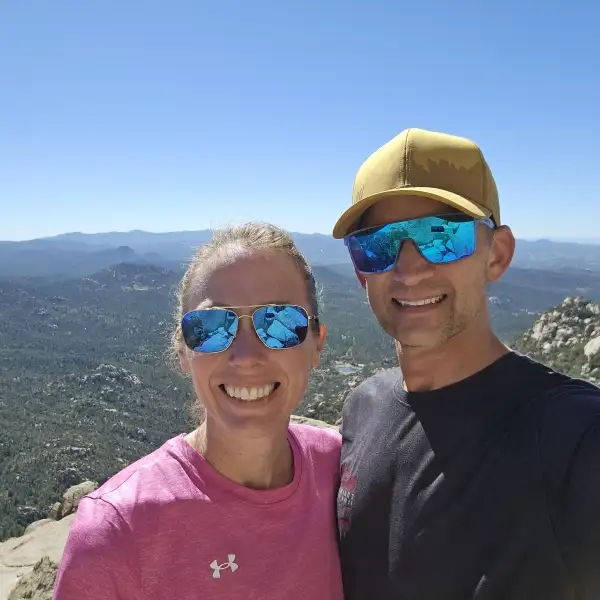
You’ll find Los Padres National Forest sprawling across nearly two million acres of California’s central coast, offering everything from pull-through RV sites to remote backcountry spots where you won’t see another soul for days. But here’s what most campers don’t realize until they arrive: this isn’t your typical national forest experience. The rules change depending on where you pitch your tent, and knowing these distinctions before you go can mean the difference between a successful trip and a frustrating one.
Key Takeaways
- Los Padres offers five campground types across 60+ sites: developed, primitive, group, RV, and dispersed camping options.
- Reservations through Recreation.gov required for developed sites; popular campgrounds fill six months ahead at $30-$50 nightly.
- Dispersed camping permitted outside designated sites with permit; stay limited to 14 days, 150 feet from water sources.
- Campfire permits mandatory year-round; fire restrictions vary by season due to wildfire risk in the region.
- Essential supplies include one gallon water per person daily, offline maps, emergency kit, and approved fuel containers.
Campground Types and Locations Across the Forest
When you’re planning a camping trip to Los Padres National Forest, you’ll encounter five distinct types of campgrounds spread across nearly two million acres of California wilderness. Developed campgrounds offer the most amenities—flush or vault toilets, picnic tables, fire rings, and established parking. You’ll find primitive car campgrounds with minimal facilities like pit toilets but no potable water. Group campgrounds accommodate organized parties and multiple families at designated sites. Select campgrounds allow RVs, though you’ll face posted length limits typically around 22–24 feet.
The forest’s five ranger districts each showcase unique geographic character. Coastal campgrounds like Kirk Creek and Plaskett Creek line the western boundary near Big Sur, while inland sites serve mountain plateaus and valleys. Higher-elevation camps in the Mt. Pinos area provide excellent stargazing opportunities. The Pine Mountain Club area alone contains 24 campgrounds surrounded by ancient pine forests and the Chumash Wilderness.
Wilderness Areas and Backcountry Camping Options
Spanning nearly half of Los Padres National Forest, ten congressionally designated wilderness areas protect 875,000 acres of California’s most rugged backcountry. From Ventana’s redwood canyons to Sespe’s chaparral-covered slopes, these regions offer genuine solitude for hikers and horseback riders—motorized and mechanized equipment aren’t allowed.
You won’t need a wilderness permit for overnight stays, but you’ll require a campfire permit for stoves and open fires. Practice Leave No Trace principles: pack out all waste, camp on durable surfaces, and maintain setbacks from water sources. Group size limits apply throughout.
Trailhead access varies dramatically. Some camps lie just 1–3 miles from parking areas, while remote destinations demand 10+ mile approaches. Check current trail conditions with your nearest ranger district before departure—creek crossings and seasonal closures can considerably impact your route. Beyond wilderness boundaries, the forest encompasses diverse terrain including beaches , forests, and mountains that provide additional camping opportunities.
Permits, Reservations, and Fee Requirements
Before you pack your tent and hit the trails, you’ll need to understand Los Padres’ permit system and reservation requirements. The forest uses different rules depending on whether you’re camping in developed campgrounds, dispersed sites, or wilderness areas. You’ll also need to budget for day-use parking passes and potentially campfire permits, so let’s break down what’s required for each type of camping experience. Dispersed camping is allowed only in certain areas and requires a permit , which can be obtained from local forest services along with any necessary campfire permits.
Reservation Systems and Availability
Most camping in Los Padres National Forest operates through Recreation.gov, the primary reservation platform that manages sites across 14 federal agencies. You can book online at www.recreation.gov or call 1-877-444-6777. Planning ahead is essential—popular sites fill up six months in advance.
The forest offers both reservable and first-come, first-served options:
| Campground | Reservable Sites | First-Come Sites |
|---|---|---|
| Reyes Creek | 20 of 26 | 6 |
| McGill | 54 of 73 | 18 |
| Pine Mountain | 5 of 7 | 2 |
| Unnamed | 9 of 13 | 3 |
McGill’s group sites accommodate 60-80 people and require reservations. Parks Management Company handles McGill bookings through campone.com. The Mt. Pinos Ranger District provides reservation links Tuesday-Saturday, 8am-4pm. The Arroyo Seco campground in the Monterey Ranger District near Greenfield also utilizes the national reservation system for booking campsites.
Required Permits and Fees
Once you’ve secured your reservation, understanding the permit and fee structure will help you budget for your trip. Individual campsites now cost $30 per night, while group sites run $50. Expect an additional $2 surcharge on weekends and national holidays. Extra vehicles will add $10 per night at certain locations.
You’ll need a free campfire permit for any portable stoves or fires outside designated sites. Download yours through the California Campfire Permit system before arriving. Always check current fire restrictions, as conditions change frequently.
Wilderness areas require recreation permits to protect natural resources. If you’re planning off-highway vehicle activities, you’ll need area-specific OHV permits. Contact your nearest Forest Service office to confirm which permits apply to your chosen destination. Many Los Padres campgrounds lack amenities like running water , so consider bringing your own supplies for extended stays.
Dispersed Camping Regulations
If you’re seeking more solitude and flexibility, dispersed camping in Los Padres National Forest lets you pitch your tent outside designated campgrounds—without reservations or fees. However, you can’t camp just anywhere. You’ll need to stay outside designated campgrounds, picnic areas, and trailheads, and keep at least 150 feet from water sources. Highway 33 and areas within one mile of developed sites are off-limits, though turnouts along Figueroa Mountain Road and Zaca Catway are fair game.
Your stay is limited to 14 days in one spot within a 28-day period, after which you must relocate at least 25 miles away. Groups exceeding 75 people require a special use permit. Always check with the nearest District Office for current open areas and restrictions.
Since no services are provided at dispersed campsites, you’ll need to bring your own water, handle waste properly, and pack out all trash when you leave.
Fire Safety Rules and Seasonal Restrictions
Because wildfire risk remains a constant concern in Los Padres National Forest, you’ll need to follow strict fire safety rules that change throughout the year. Current restrictions, in effect until January 31, 2026, prohibit open fires outside developed recreation sites and designated Campfire Use Sites. You can use portable gas or liquid fuel stoves with a valid California Campfire Permit, but you must clear flammable material five feet in all directions and keep a shovel nearby.
During extreme fire danger, all open flames become prohibited forest-wide. Smoking’s only allowed in enclosed vehicles, buildings, or cleared three-foot diameter areas. Internal combustion engines must have approved spark arresters and operate only on roads or designated trails. Fireworks remain banned year-round, and you can’t discharge firearms within 150 yards of campgrounds or occupied areas. Always check current restrictions before your trip.
Understanding California Campfire Permits
If you’re planning to build a campfire or use a portable stove in Los Padres National Forest, you’ll need a California Campfire Permit since it’s federally managed land. The good news is permits are completely free and valid for an entire calendar year once issued. You can get one online in minutes by taking a short quiz at permit.preventwildfiresca.org, or pick one up in person at any Forest Service office or ranger station throughout California.
Keep in mind that a campfire permit does not override any active fire bans, so always check current fire restrictions before your trip.
When Permits Are Required
Understanding when you need a California Campfire Permit prevents legal headaches and keeps you camping safely in Los Padres National Forest. You’ll need one year-round for camp stoves or campfires in Ventura and Santa Barbara County backcountry areas. The permit’s also required when building campfires outside designated sites during Level 1 restrictions.
At Level 2 or higher, you can’t use portable stoves or lanterns without a valid permit. Federal lands require permits for gas, jellied petroleum, or pressurized liquid fuel devices when local fire restrictions specify.
However, your permit doesn’t override Level 4 or 5 restrictions that ban all campfires. Local closure orders and temporary restrictions can prohibit fires even with a permit. Always check current conditions before lighting any flame.
How to Obtain One
Getting your California Campfire Permit takes just minutes online through PreventWildfireCA’s official portal, where you can self-issue and print it immediately. You’ll need to provide basic information and sign the permit if you’re 18 or older—it’s completely free and valid through December 31st of the current year.
If you prefer in-person assistance, visit:
- CAL FIRE offices
- USDA Forest Service stations
- Bureau of Land Management offices
- Los Padres National Forest ranger stations
- Local fire district offices
Always carry your printed permit while camping, as rangers can request to see it. Remember, holding a permit doesn’t override area-specific fire bans or seasonal closures. Contact the Los Padres National Forest office directly to confirm current fire restrictions before your trip.
Leave No Trace Principles and Wildlife Precautions
When you venture into Los Padres National Forest, you’ll want to minimize your impact on this pristine wilderness. Stick to established trails and campsites in popular areas, walking single file even through mud. In pristine zones, disperse your group to prevent creating new paths.
Pack out everything you bring in, including toilet paper and hygiene products. Dig catholes 6-8 inches deep at least 200 feet from water sources. Use minimal biodegradable soap and scatter wastewater far from streams.
Leave rocks, plants, and artifacts untouched. Never feed or approach wildlife—observe from a distance and store food securely. Keep your pets controlled and your group small. Travel quietly, camp away from trails, and yield to other visitors. These practices protect the forest’s ecosystem while preserving solitude for everyone.
Facilities and Amenities at Developed and Primitive Sites
Los Padres National Forest offers over 60 campgrounds across 1.75 million acres, ranging from developed sites with modern conveniences to primitive locations that deliver a true backcountry experience.
Developed campgrounds like Mt. Pinos, Reyes Creek, and Plaskett Creek provide essential comforts. You’ll find picnic tables, fire rings with grills, and restrooms at most locations. Plaskett Creek even features flush toilets and drinking water throughout the site.
Primitive campgrounds strip away modern amenities for a rustic adventure. Memorial Park and Pine Springs offer basic picnic tables but lack potable water. Sunset Campground requires high-clearance 4×4 access, rewarding you with secluded oak and pine shade.
Standard amenities across sites include:
- Picnic tables at designated campsites
- Fire rings and barbecue grills
- Vault or flush toilet facilities
- RV accommodations (length restrictions apply)
- Extra vehicle fees where applicable
Road Conditions and Vehicle Access Requirements
Maneuvering Los Padres National Forest requires careful planning, since road conditions vary dramatically from paved highways to challenging backcountry trails. You’ll find well-maintained county approaches near developed recreation areas, but remote forest roads often receive minimal upkeep—sometimes going years between grading cycles.
Standard passenger cars work fine on paved routes and graded dirt roads, yet high-clearance vehicles become necessary deeper into the backcountry. Many numbered forest roads require four-wheel drive, especially after storms create ruts and washouts.
Seasonal factors greatly impact access. Winter gates typically close in December and reopen late-April through mid-May. Rain rapidly degrades dirt surfaces, while post-fire areas may face temporary closures. Check the Motor Vehicle Use Map (MVUM) and current alerts before heading out—some roads close with minimal notice.
Essential Safety Considerations and Trip Planning
Before you head into Los Padres, you’ll need to tackle three critical safety fundamentals that can make or break your trip. Start by checking wildfire conditions and air quality daily—conditions change rapidly in Southern California, and a safe campsite one day might require evacuation the next. You’ll also want to prepare your vehicle for rough forest roads, confirm your route matches your clearance and capabilities, and pack emergency communication devices plus a thorough first-aid kit in case cell service disappears.
Monitor Wildfire Risk Daily
When planning any camping trip to Los Padres National Forest, you’ll need to check wildfire conditions every single day—even if you’ve already researched the area. Conditions change rapidly due to fires, smoke, and new restrictions that can emerge without warning.
Start your daily monitoring routine by visiting these essential resources:
- Los Padres National Forest alerts page for current closures and emergency updates
- PFIRS prescribed burn map for active operations statewide
- Los Padres Twitter/X and Facebook for real-time burning locations
- USDA Forest Service Pacific Southwest Region for wildfire risk updates
- Forestwatch.org for community alternatives and reduction projects
Recent fires like the Gifford (131,614 acres) have created extensive closures affecting Santa Lucia and Mt. Pinos Ranger Districts. Since most Southern California wildfires are human-caused, your vigilance protects everyone.
Vehicle and Route Preparation
Los Padres National Forest demands a vehicle that can handle punishment. High-clearance or 4×4 capability isn’t optional on rocky, rutted forest roads. Check your brakes, fluids, tires, and battery before departure. Pack a full-size spare, jack, tire plug kit, and portable compressor.
Download offline topographic maps and GPS routes—cell coverage disappears quickly. Verify current road conditions with the Forest Service for your ranger district. Seasonal closures, washouts, and snow can block primary routes without warning.
Trailers over sixteen to twenty-four feet often can’t navigate tight turns and narrow single-lane roads. Fuel stations are scarce, so carry reserve fuel in approved containers. Bring recovery gear: rated straps, shackles, and a shovel. Know how to use them before you need them.
Emergency Communication and Supplies
Your vehicle might be ready, but getting stuck on a remote forest road becomes dangerous fast without a way to call for help. Cell service is unreliable throughout Los Padres National Forest, so you’ll need backup communication methods. If you have a radio, use direct simplex on Channel 1 (Forest Net) or Channel 7 (Admin Net) with Tone 8 (103.5 Hz) to contact Los Padres Communication Center.
Pack these essential emergency supplies:
- Extra water (one gallon per person daily)
- First aid kit with medications
- Emergency blanket and fire starter
- Extra food and high-calorie snacks
- Flashlight with spare batteries
Where 911 works, use it for emergencies. Check the forest website before leaving for current alerts about fires, closures, and wildlife dangers.
Best Practices for Dispersed Camping
Dispersed camping in Los Padres National Forest offers remarkable solitude and flexibility, but it demands careful planning and responsible site selection. Check Forest Service maps and ranger station notices to confirm permitted zones before you travel. Set up camp at least 150 feet from water sources to protect riparian habitats and water quality.
Choose previously used sites with bare soil or existing fire rings to minimize new damage. You’ll typically follow a 14-day stay limit within any 28-day period, though district rules vary. Verify current fire restrictions and road closures with your local ranger district.
Pack out everything you bring in—no trash service exists in dispersed areas. Use catholes six to eight inches deep, positioned 150 feet from water and trails. Store food securely to prevent wildlife conflicts.
Conclusion
Your adventure in Los Padres National Forest starts with solid preparation. You’ll need to guarantee the right permits, understand current fire restrictions, and choose between developed campgrounds or remote backcountry sites. Check road conditions before heading out, and pack everything you’ll need since services are limited. Whether you’re seeking solitude in the wilderness or a family-friendly spot with amenities, respecting regulations and practicing Leave No Trace principles guarantees you’ll have an unforgettable experience while protecting this incredible landscape.