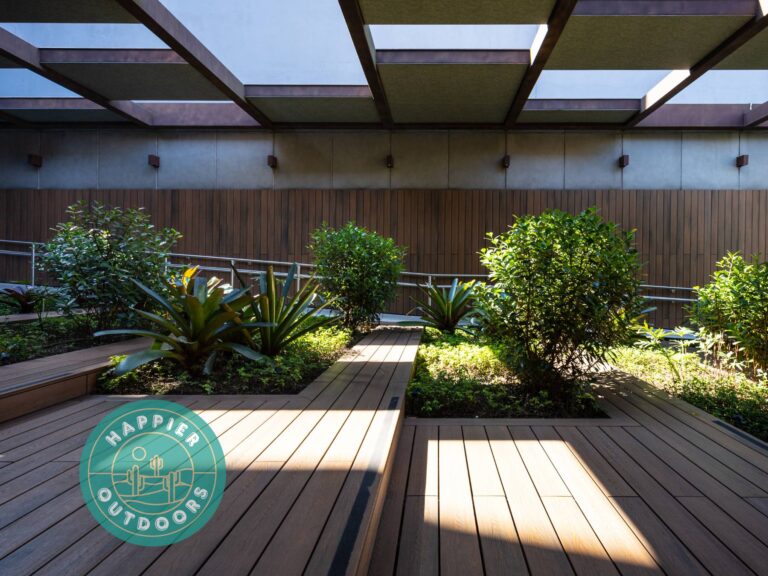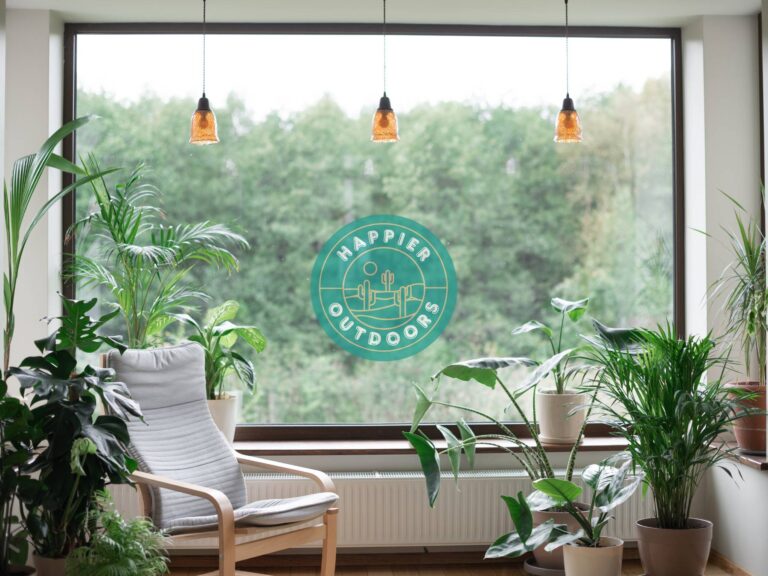


You’ve probably noticed how a walk in the park clears your head or how a sunny window makes your office feel less suffocating. That’s not just your imagination—it’s biology. Biophilic design taps into your brain’s hardwired connection to nature, and researchers have been measuring its effects on everything from hospital recovery times to workplace output. The numbers are striking, and they’re changing how architects and employers think about the spaces you inhabit daily.
Understanding Biophilic Design and Its Core Principles
When you step into a space filled with natural light, living plants, and materials like wood and stone, you’re experiencing biophilic design in action. This approach intentionally weaves nature into built environments to strengthen your connection to the natural world. This design philosophy is rooted in the innate human connection to nature that all people share.
The core principles focus on three key areas. First, direct nature integration brings plants, water features, and authentic materials into your space. Second, natural shapes replace rigid lines with organic curves, biomorphic patterns, and fractal geometries found in shells, leaves, and cellular structures. Third, natural processes reflect life’s rhythms—seasonal changes, material aging, and the interplay of light and shadow.
These elements work together to create environments that feel alive and dynamic. You’ll notice variable lighting, spatial depth, and textures that evolve over time.
Stress Reduction and Psychological Benefits in Healthcare Settings
When you incorporate nature views into healthcare spaces, you’re giving patients a powerful tool for reducing anxiety and promoting calm. Research shows that positive biophilic design outcomes include reduced hospitalization time, decreased pain levels, and lower stress for patients. These same design choices also protect your staff from burnout by creating environments that restore mental energy throughout demanding shifts. You’ll find that biophilic elements work double duty—supporting patient recovery while keeping your care team healthier and more engaged.
Nature Views Reduce Anxiety
Nature views offer a powerful, drug-free way to calm your mind and body—and the science backs this up. When you look at natural landscapes, your blood pressure drops, your heart rate slows, and your cortisol levels decrease. Your parasympathetic nervous system kicks in, shifting you from stress mode to relaxation.
In healthcare settings, these benefits translate to real outcomes. If you’re recovering in a hospital room with a nature view, you’re likely to heal faster, need less pain medication, and feel less anxious than patients staring at walls or parking lots. Organizations like Park RX America are now working to integrate nature prescriptions into routine healthcare delivery, with 10,000 parks included in their prescribing platform for healthcare providers.
Can’t get outside? Virtual nature works too. Research shows simulated green environments activate similar relaxation pathways in your brain, reducing anxiety with moderate to large effect sizes across diverse populations.
Staff Burnout Prevention
While patients benefit from nature views, healthcare workers face their own stress crisis—and biophilic design offers them relief too. When you integrate natural elements into hospital environments, you’re directly targeting the physiological markers of burnout. Exposure to natural materials and vegetation lowers blood pressure and cortisol levels, while natural light helps regulate circadian rhythms for better sleep quality.
The psychological benefits run equally deep. You’ll see improved mood, reduced anxiety symptoms, and stronger mental resilience among staff working in biophilic spaces. These environments boost cognitive function and decision-making while decreasing emotional fatigue. A 2024 systematic review confirmed that biophilic design in hospitals reduces stress for both patients and staff.
The organizational payoff is significant. Facilities with biophilic elements report higher productivity, fewer errors, and decreased absenteeism. Staff experience less conflict with patients and better teamwork with colleagues—creating sustainable improvements in healthcare delivery.
Accelerated Physical Recovery and Improved Patient Outcomes
When you’re recovering from surgery or illness, the environment around you matters more than you might think. Biophilic design elements like natural views and greenery can actually shorten your hospital stay by nearly four days and cut your need for pain medication by up to 61%. These aren’t just comfort upgrades—they’re measurable improvements that speed up your physical healing and get you back home faster. Advanced predictive modeling can now tailor healthcare environments to individual patient needs, forecasting significant improvements in recovery outcomes through optimized environmental parameters.
Shorter Hospital Stays
Beyond the psychological benefits, biophilic design delivers measurable improvements in physical recovery times. When you’re hospitalized with a view of nature rather than a blank wall, you’ll likely leave about 18 hours sooner. Research shows biophilic elements reduce hospital stays by an average of 18%, with some studies reporting reductions up to 33%.
The financial implications are substantial. If a hospital reduces average stays by just one day, it can save over $12.3 million annually. Natural light alone accounts for stays shortened by approximately 3.67 days.
These faster recoveries stem from reduced stress, improved mood, and better physiological conditions. You’ll experience less pain, need fewer medications, and your body’s healing processes work more efficiently. Shorter hospital stays also significantly reduce the risk of hospital-acquired infections, further improving patient outcomes. Nature-connected spaces don’t just feel better—they help you get home faster.
Reduced Pain Levels
A simple garden view can cut your need for pain medication by up to 61%. That’s not a typo—it’s what happens when you bring nature into healthcare spaces. Your body responds to natural elements by lowering cortisol and calming your nervous system, which directly reduces how intensely you feel pain.
Here’s what biophilic design does for pain management:
- Lowers physiological stress markers like heart rate and blood pressure during treatments
- Reduces inflammation linked to chronic pain through decreased sympathetic nervous system activity
- Improves sleep quality via circadian-supporting lighting, essential for pain recovery
- Decreases anxiety that amplifies pain perception
You’re not just healing faster—you’re experiencing less suffering along the way. Research with oncology patients found that biophilic interventions like Green Therapy rooms with garden views and nature-based VR were deemed safe and feasible while patients reported these experiences as enjoyable and even reduced their dread for chemotherapy appointments.
Workplace Productivity and Creative Performance Gains
Though traditional office design often prioritizes aesthetics or cost savings, biophilic design delivers measurable gains in workplace productivity and creative performance that directly impact your bottom line.
When you incorporate natural elements into your workspace, you’ll see a 15% boost in both productivity and creativity. Plants alone can improve memory retention by up to 20%, while natural daylight exposure adds another 2% productivity increase. These aren’t subtle changes—they’re significant improvements that compound across your entire workforce.
Your employees will also experience 37% less tension and 38% less fatigue, freeing mental energy for innovative thinking. Green-certified buildings report 26% better cognition among workers. By reducing environmental stressors through nature-inspired design, you’re creating conditions where deep focus and creative breakthroughs happen naturally. Since employees spend approximately 90% of their time indoors, optimizing these interior spaces with biophilic elements becomes essential for maximizing human potential.
Educational Environments and Student Achievement
The benefits of biophilic design extend far beyond the corporate world and into our schools, where students of all ages show remarkable improvements when surrounded by natural elements. Research shows that exposure to green views and natural daylight enhances memory and attention spans, while children with ADHD demonstrate measurable concentration improvements after spending time in green outdoor spaces.
Here’s what biophilic classrooms deliver:
- Lower stress levels and faster recovery from stressful events
- Improved standardized test scores and math performance
- Reduced behavioral referrals and absenteeism
- Better air quality through green walls and living gardens
You’ll also find that natural light supports vitamin D synthesis, improving sleep patterns and overall health. These physical benefits create a foundation for cognitive gains and emotional stability that directly impact academic success.
Cognitive Function and Brain Health Enhancement
Beyond classroom walls, biophilic design’s influence on your brain operates at a fundamental neurological level. When you’re surrounded by natural elements, your brain activates specific pathways that sharpen attention, strengthen memory, and spark creative thinking. Research shows exposure to nature boosts creative problem-solving by approximately 50%.
Your stress hormones drop too. Lower cortisol levels mean clearer thinking and better sustained focus. EEG measurements confirm this—your brain shows relaxation patterns that actually improve cognitive performance.
The benefits extend to clinical settings as well. Elderly patients with diabetes showed improved cognitive scores when exposed to indoor biophilic environments. Researchers found positive changes in physiological markers linked to brain health, including reduced inflammation.
Unlike medications, biophilic design offers you a sustainable, low-effort approach to maintaining cognitive function throughout your life.
Social Wellbeing and Community Connection
While biophilic design clearly sharpens your individual cognitive abilities, its effects ripple outward into how you connect with others. Green spaces like parks and community gardens serve as natural gathering spots where you’ll encounter neighbors and build relationships organically.
Research shows that nature-rich environments reduce feelings of alienation and strengthen your sense of belonging. Here’s how biophilic design enhances social connection:
- Shared spaces create opportunities for casual encounters and community events
- Workplace greenery improves emotional wellbeing and strengthens coworker relationships
- Urban nature access reduces isolation and invites social participation
- Community identity grows when you connect with local natural environments
These design elements also promote social equity by providing nature experiences across all socioeconomic groups, creating jobs in landscaping and environmental education that empower underserved communities.
Practical Applications for Implementing Biophilic Design
Transforming your space with biophilic design doesn’t require a complete renovation—you can start with simple, targeted changes that bring nature indoors. Add potted plants or moss art to improve air quality and reduce stress. Install larger windows or skylights to maximize natural light, which boosts mood and regulates your circadian rhythm.
You can incorporate natural materials like exposed wood, stone, or bamboo into flooring, furniture, and finishes. These elements provide tactile warmth and visual authenticity that synthetic materials can’t match. Consider adding a small water feature—even a tabletop fountain creates calming sounds that promote psychological restoration.
For larger-scale impact, explore vertical gardens or green walls. If you’re in an urban setting, support community gardens and greening initiatives that cool heat islands while fostering social connection and biodiversity.
Closing Thoughts
You’ve seen the evidence—biophilic design isn’t just about aesthetics. It’s a powerful tool that can transform your health, sharpen your mind, and strengthen your connections with others. Whether you’re redesigning your workspace, classroom, or home, bringing nature indoors creates real, measurable benefits. Start small with plants or natural light, and you’ll quickly notice the difference in how you feel and perform.