
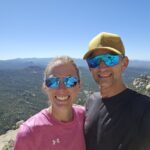
You’re standing at the edge of red rock canyons that plunge thousands of feet below, watching the sun paint ancient stone in shades of amber and crimson. Moab’s viewpoints aren’t just scenic overlooks—they’re front-row seats to some of nature’s most spectacular shows. From glowing arches at dawn to mesa-top vistas at dusk, each spot offers something different. The real question isn’t whether you’ll be amazed, but which overlook you’ll hit first.
Dead Horse Point at Sunset: Utah’s Most Photographed Overlook
Standing 2,000 feet above the Colorado River, Dead Horse Point delivers one of the American Southwest’s most jaw-dropping sunset shows. You’ll watch the setting sun ignite red and orange sandstone cliffs while shadows deepen across canyon floors 2,000 feet below.
The overlook sits at 5,900 feet elevation, roughly 32 miles from Moab via US-191 and Utah-313. Its western orientation frames the sun as it drops behind Canyonlands’ buttes and mesas. Clear desert air creates dramatic color gradients during golden hour.
You can shoot from railed platforms at the main point or hike eight miles of rim trails for alternative angles. The park’s open until 10:00 p.m. year-round. Expect crowds at the primary overlook during peak season—this vista’s earned its reputation as one of Utah’s most photographed viewpoints. The area also offers camping opportunities for those wanting to catch both sunset and sunrise from this spectacular vantage point.
Mesa Arch at Sunrise: Moab’s Iconic Glowing Portal
While sunset at Dead Horse Point paints the western horizon in fire, sunrise chasers flock to Mesa Arch for an entirely different spectacle. This 50-foot stone span perches atop a 500-foot cliff, and when the morning sun breaks, magic happens. The arch’s underside explodes in intense orange light, creating one of the Southwest’s most iconic images. You’ll frame the La Sal Mountains and Buck Canyon through the opening while standing at the edge of a 1,200-foot drop.
The half-mile trail is easy, but arrive early—you’ll share this unfenced cliff edge with crowds. Don’t climb the arch; it’s both dangerous and prohibited. A nature guide available at the trailhead provides educational context about the arch’s formation and the fragile desert ecosystem. Spring mornings offer snow-capped peaks in the distance and that legendary glow beneath ancient sandstone.
Island in the Sky: Grand View Point and Green River Overlook
You’ll find Grand View Point at the end of Island in the Sky’s scenic drive, where a paved 100-yard path leads to jaw-dropping overlooks more than 1,000 feet above the canyon floor. For longer exploration, extend your visit on the 2-mile round-trip rim trail that hugs the mesa edge. Green River Overlook sits along the same drive with its own quick, accessible walk to stunning views of the Green River’s winding canyon below. Island in the Sky is the most visited district of Canyonlands National Park.
Trail Access and Distance
The Island in the Sky district sits about 32–35 miles from Moab, making it an easy day trip for viewpoint hunters. You’ll drive US-191 north for about 11 miles, then turn west on UT-313 for roughly 22 miles to reach the entrance. Once inside, a fully paved 34-mile scenic loop connects both overlooks.
Here’s what makes access so convenient:
- Green River Overlook: Just a 100-yard walk from parking—it’s practically drive-up access
- Grand View Point: Similar easy access with a short paved path to the main rim
- Extended options: Grand View Point offers a 2-mile rim trail if you’re feeling adventurous
- Total driving time: Plan 35–45 minutes from Moab to the visitor center
Both viewpoints work perfectly for visitors of all abilities. The Visitor Center along the scenic drive operates daily from 9 am to 4:30 pm for trip planning and park information.
Optimal Sunrise and Sunset
Grand View Point delivers one of Moab’s most spectacular sunrise experiences. You’ll watch early morning light sweep across endless canyons and distant plateaus, with the La Sal Mountains creating a dramatic backdrop. The paved walk from parking makes catching dawn here effortlessly. Renowned for breathtaking vistas, this viewpoint sits at the southern end of the Island in the Sky District.
Green River Overlook claims the title for Moab’s best sunset spot. Its west-facing position aligns perfectly with the setting sun, illuminating the Green River and Henry Mountains in golden light. You won’t need to hike—just walk from your car to the viewpoint.
Both locations sit in Island in the Sky district, closest to Moab. Green River Overlook even offers camping, so you can catch sunset and return for sunrise without leaving the park. You’ll find space to spread out at both overlooks.
Shafer Canyon Overlook: Jaw-Dropping Switchbacks Into the Abyss
You’ll find one of Moab’s most thrilling viewpoints just past the Island in the Sky Visitor Center, where Shafer Canyon Overlook showcases the legendary switchbacks plunging 1,500 feet down sheer sandstone cliffs. The short walk from the parking area rewards you with jaw-dropping views of vehicles traversing the serpentine road carved into vertical canyon walls—a scene that’s absolutely mesmerizing at sunrise and sunset. Spring and Fall offer the most favorable weather conditions while helping you avoid the largest crowds that pack this popular overlook during peak summer months. This easily accessible stop pairs perfectly with nearby Grand View Point and Green River Overlook for a complete Island in the Sky experience.
Dramatic Switchback Road Views
Few roads anywhere can match the raw, heart-stopping drama of the Shafer Trail switchbacks plunging 1,500 feet down the sheer sandstone cliffs of Island in the Sky. From the overlook, you’ll watch tight hairpin turns stack vertically against massive Wingate and Kayenta cliffs, creating a road that literally clings to the abyss.
The visual contrast makes this view unforgettable:
- Red-orange cliffs tower beside the pale road surface
- Deep canyon shadows emphasize the vertical drop
- Vehicles below look like tiny specks against huge walls
- White Rim bench and distant buttes stretch beyond the switchbacks
This narrow, unpaved route started as a Native American path, became a uranium-hauling road, and now serves adventurous 4WD travelers. You’ll see a visible timeline of human history carved into stone.
Photography and Timing Tips
When golden hour light floods across Shafer Canyon, the switchbacks transform into one of the American Southwest’s most photogenic scenes. You’ll want to arrive at sunrise or sunset when warm light intensifies the red rock and casts dramatic shadows along the road’s curves. Pack a wide-angle lens to capture the entire switchback sequence, plus a telephoto to isolate individual turns and tiny vehicles descending into the abyss.
Position your tripod near the rim’s edge and use foreground elements like slickrock or juniper to add depth. Wait for 4x4s to navigate the switchbacks—they’re perfect scale references that emphasize the massive vertical drop. Bracket your exposures during golden hour to manage extreme contrast between bright sky and shadowed canyon walls. Spring and fall offer the most stable conditions for extended shooting sessions.
Combining Nearby Island Overlooks
Since Shafer Canyon Overlook sits just minutes from Island in the Sky’s most celebrated viewpoints, you can knock out several jaw-dropping panoramas in a single morning. The paved Grand View Point Road makes hopping between stops incredibly easy.
Strategic touring loops typically include:
- Mesa Arch – catch the sunrise glow through the stone frame
- Grand View Point – the district’s signature 360-degree overlook at road’s end
- Buck Canyon Overlook – peer into dramatic side canyons
- Upheaval Dome – explore the mysterious impact crater
You’ll spend more time gazing than driving. Most overlooks are just 5–10 minutes apart, letting you experience the full scope of Canyonlands’ layered geology. Pack snacks and water—you’ll want to linger at each stop as the desert light shifts across those massive sandstone cliffs.
Delicate Arch Viewpoints: Roadside and Trailside Perspectives
For visitors seeking memorable views of Delicate Arch without tackling the full 3-mile trail, two dedicated viewpoints off Delicate Arch Road deliver excellent alternatives. You’ll find both at the Delicate Arch Viewpoint parking area, roughly 14 miles from the visitor center.
The Lower Viewpoint requires just 200 feet of wheelchair-accessible walking—perfect when you’re short on time or energy. For a better perspective, take the Upper Viewpoint trail. This moderate 0.5-mile roundtrip climbs 171 feet over rocky terrain and stairs, rewarding you with a clearer sightline to the arch.
Both viewpoints position you about one mile from Delicate Arch across the canyon. Bring binoculars or a telephoto lens to appreciate details. You’ll capture stunning landscape compositions featuring the arch framed by surrounding canyons and La Sal Mountains.
The Windows Section: Three Giant Arches in Easy Walking Distance
The Windows Section packs three massive arches into one convenient stop just 12 miles from the park entrance. You’ll find North Window, South Window, and Turret Arch clustered within a one-mile radius, making this the park’s highest concentration of giant formations.
The easy trail takes just 30-60 minutes and offers incredible value:
- North Window – 51 feet high and 93 feet wide, visible right from the parking lot
- South Window – The park’s third-largest arch at 105 feet long and 65 feet high
- Turret Arch – Features a distinctive keyhole shape from its second window
- Primitive Loop – Extends your adventure to 1.2 miles with unique perspectives
You’ll also spot the Parade of Elephants formation and enjoy distant views of the La Sal Mountains.
Double Arch and Balanced Rock: Arches’ Roadside Highlights
Double Arch’s twin spans tower 112 feet high, with openings reaching 148 feet wide. You can scramble right up into the arches for dramatic perspectives. Balanced Rock presents a 3,600-ton boulder perched impossibly on a narrow pedestal—a demonstration of erosion’s artistry. Both features offer unobstructed photo opportunities and showcase the park’s stratigraphic drama up close, making them essential stops for every visitor.
Needles Overlook: Remote Panoramas of Canyonlands’ Southern Spires
You’ll find Needles Overlook 32 miles south of Moab, where you’ll turn west on Canyon Rims Road for another 17 miles of paved driving. This remote viewpoint rewards your journey with stunning 360-degree views of Cedar Mesa Sandstone spires rising 1,600 feet below. Best of all, you’ll escape the crowds and experience the sweeping panoramas of Canyonlands’ Needles District in peaceful solitude.
Accessing the Remote Overlook
Located 32 miles south of Moab on US Highway 191, Needles Overlook awaits at the end of a spectacular 22-mile journey westward on County Road 133. You’ll drive approximately 30 minutes on well-maintained gravel roads suitable for any vehicle, making this adventure accessible year-round.
The journey’s remoteness creates a rewarding experience:
- Total commitment: Plan three to four hours for the complete 76-mile scenic loop
- Minimal crowds: The lengthy detour keeps visitor numbers delightfully low
- Essential facilities: You’ll find parking and camping at the road’s end
- No services on-site: The nearest amenities sit 35 miles away at Needles Visitor Center
This significant time investment rewards you with solitude and breathtaking views. Pack water and snacks since you won’t find services at the overlook.
Photography and Viewing Tips
Once you arrive at this spectacular viewpoint, timing and technique will make or break your images. Plan to shoot from late afternoon through sunset when low-angle light sculpts the Needles’ spires and distant mesas. The most saturated colors often appear 15–30 minutes after sundown, so don’t pack up early.
Use a sturdy tripod—wind gusts along this exposed rim can ruin sharpness. Shoot multi-frame panoramas with 30–50% overlap to capture the full canyon arc without distortion. Include foreground elements like slickrock or junipers to add depth and scale.
Bracket your exposures to handle the bright sky and shadowed canyons below. Ultra-wide lenses (16–35mm) work beautifully for sweeping vistas, while telephotos (70–200mm) isolate individual spire clusters for layered, dramatic compositions.
River Road Pullouts: Cliffs and Castles Along Highway 128
Highway 128 delivers one of Moab’s most rewarding scenic drives, winding 44 miles alongside the Colorado River through a spectacular red-rock gorge. You’ll find countless pullouts where sheer canyon walls tower above the water, creating perfect photo opportunities around every bend.
The route shows off some incredible landmarks:
- Fisher Towers Viewpoint at mile 24.7 frames towering red spires against distant peaks
- Castle Valley buttes rise like ancient fortresses above the river corridor
- Lions Park offers picnic areas, restrooms, and direct river access right at the start
- Multiple riverside pullouts let you watch rafters and admire cliff reflections
Plan 2–3 hours for the round trip, and hit the road early morning or late afternoon when the light makes those red cliffs absolutely glow.
La Sal Mountain Overlooks: Alpine Views Above Moab’s Desert Floor
The 60-mile La Sal Mountain Loop Road climbs from Moab’s desert floor to nearly 9,000 feet, creating one of the most dramatic elevation changes you’ll experience on any scenic drive in Utah. You’ll pass through pinyon-juniper, oak, pine, and aspen zones while gazing down at red rock canyons below.
Castle Valley overlooks showcase Castleton Tower and surrounding sandstone fins framed by La Sal peaks. The contrast is striking—snow-capped summits rising above crimson cliffs. Plan three hours for the drive, stopping at multiple pullouts designed for photography.
For closer alpine views, hike trails near Oowah Lake or tackle Mt. Tukuhnikivatz from La Sal Pass. Fall brings golden aspens. Summer offers cool refuge from desert heat. Winter adds snow-covered slopes that amplify the desert-alpine contrast.
Sunrise vs. Sunset: Matching Each Overlook to Golden Hour
After choosing your perfect viewpoint, timing matters just as much as location. You’ll want to match each overlook to its golden hour for the best experience.
East-facing spots shine at sunrise:
- Mesa Arch lights up bright orange underneath as the sun peeks over the La Sal Mountains
- North Window frames Turret Arch perfectly as golden light streams through
- Partition Arch positions the sun rising directly through the formation seasonally
- Panorama Point spreads golden light across red rocks with distant mountain views
West-facing locations excel at sunset:
- Green River Overlook faces the Henry Mountains and setting sun
- Dead Horse Point turns fiery red as cliffs glow above the Colorado River
- Monument Basin’s spires illuminate while canyons fade into shadow
You can’t go wrong either way—just face east for dawn or west for dusk.
How to Combine Overlooks: Distances, Drive Times, and Itineraries
Since most of Moab’s best overlooks cluster within three main zones—Arches National Park, the Island in the Sky district of Canyonlands, and Dead Horse Point—you can easily string together multiple viewpoints in a single outing. In Arches, Park Avenue, La Sal Mountains Viewpoint, and Courthouse Towers sit just 5–7 minutes apart near the entrance, perfect for a quick morning loop. Balanced Rock anchors the mid-park hub: you’re only 5–10 minutes from the Windows Section and 10–15 minutes from Delicate Arch Viewpoint. For Canyonlands, budget 40–45 minutes from Moab to the Island in the Sky entrance, then another 20–25 minutes to Grand View Point. Dead Horse Point lies 45–50 minutes out on the same highway, making back-to-back park visits feasible in one day.
Conclusion
You’ve got the ultimate viewpoint guide now! Start planning your route, pack your camera, and get ready for some seriously stunning views. Whether you’re chasing that perfect sunrise glow at Mesa Arch or watching the sunset paint Dead Horse Point, Moab’s overlooks won’t disappoint. Don’t rush—give yourself time to soak it all in. These views are the reason you came to Utah. Now get out there and explore!
