

You’ve probably walked into a space and felt instantly calm without knowing why. That’s not accidental—it’s often the result of biophilic design at work. The Terrapin framework breaks this concept into 14 distinct patterns that connect you to nature through architecture. From the obvious, like plants and natural light, to the subtle, like strategic views and airflow, each pattern serves a specific purpose. Understanding them might change how you see every building you enter.
Visual Connection With Nature
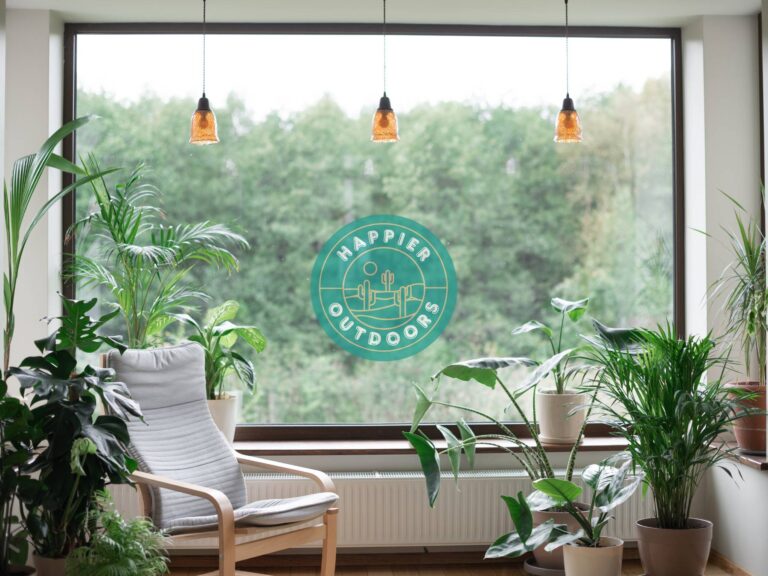
When you step into a space flooded with natural light and sweeping views of greenery, your body responds before your mind catches up. Your stress drops, your focus sharpens, and your mood lifts. That’s the power of visual connection with nature at work.
This pattern centers on creating direct sightlines to natural elements—trees, water, sky, or landscapes. Large windows, strategic glazing, and unobstructed views bring the outdoors in. Your circadian rhythm syncs with daylight’s natural shifts, improving your sleep and alertness. Terrapin Bright Green outlined this as one of their 14 patterns of biophilic design in their influential 2014 publication.
You don’t need wilderness outside your window. Even aquariums, indoor plants, or water features activate these benefits. The key is giving your eyes something living, dynamic, and real to rest on throughout your day.
Non-Visual Connection With Nature
While visual connections to nature often steal the spotlight, your other senses play an equally powerful role in creating authentic biophilic experiences. Think about how the sound of flowing water, the scent of cedar, or the texture of natural wood grain can instantly transport you outdoors—even when you’re sitting at your desk. Research shows that natural scents can improve immune function and reduce anxiety levels. By engaging your hearing, smell, and touch, you can design spaces that feel genuinely connected to nature without relying solely on what you see.
Engaging All Your Senses
Beyond what meets the eye, biophilic design taps into your full sensory experience to forge deeper connections with nature. When you hear water trickling from a fountain or feel a gentle breeze through an operable window, your body responds with reduced stress and improved focus.
These non-visual elements work powerfully on your nervous system. Natural airflow variations keep you alert while mimicking outdoor conditions. Water sounds trigger calming responses and lower your heart rate. Even airborne compounds from plants influence your mood and hormones in subtle but measurable ways.
You’ll also notice how fresh, naturally ventilated air sharpens your thinking compared to stagnant indoor environments. By engaging touch, sound, and smell alongside sight, biophilic spaces create richer, more restorative experiences that satisfy your innate need for nature. This multisensory approach aligns with Kellert’s Direct Experience principle, which emphasizes actual contact with natural elements like light, air, water, and plants.
Sounds, Scents, and Textures
Though your eyes naturally dominate how you perceive indoor spaces, your other senses quietly shape your comfort and well-being in profound ways. The sound of flowing water or birdsong can lower your stress and sharpen your focus. Natural scents—fresh wood, earth, or flowers—trigger relaxation responses that reduce your heart rate and cortisol levels.
When you run your hand across textured wood grain or cool stone, you’re engaging touch-based pathways that foster comfort and familiarity. Even subtle variations in temperature and airflow across your skin can invigorate you, breaking environmental monotony.
These non-visual connections work together. A space featuring gentle water sounds, natural material fragrances, and varied textures creates a multisensory experience that masks urban noise, improves your mood, and supports mental restoration throughout your day. This sensory approach aligns with Terrapin’s framework, which organizes biophilic design into three main categories and fourteen patterns to guide comprehensive implementation.
Beyond What You See
When you close your eyes in a forest, nature doesn’t disappear—it surrounds you through the rustle of leaves, the scent of pine needles, and the feel of bark beneath your fingertips. This pattern captures those non-visual sensory experiences that connect you to the natural world.
You don’t need to see nature to feel its benefits. Birdsong, flowing water, earthy scents, and textured materials all trigger measurable physiological responses—lowering your blood pressure and stress hormones while boosting mental clarity. This innate biological connection between humans and nature explains why even subtle natural stimuli can produce such powerful calming effects.
Designers apply this pattern through water features that create soothing sounds, natural materials with varied textures, and ventilation systems that bring outdoor scents inside. The key is layering these elements thoughtfully. Too much stimulation overwhelms; too little goes unnoticed. When balanced correctly, these invisible connections create deeply restorative spaces.
Non-Rhythmic Sensory Stimuli
You’ve probably noticed how the sound of rustling leaves or the flicker of sunlight through branches captures your attention without overwhelming you. These non-rhythmic sensory stimuli work because they’re unpredictable yet familiar, keeping your mind engaged rather than tuning out. When you incorporate elements like variable nature sounds or subtle light effects into a space, you’re tapping into your brain’s natural attraction to sensory complexity. Research shows that this approach contributes to stress reduction when biophilic design principles are thoughtfully implemented.
Unpredictable Nature Sounds
Have you ever noticed how the random chirping of birds or the unpredictable gurgle of a stream captures your attention without overwhelming you? That’s the magic of unpredictable nature sounds—they’re engaging yet calming.
Unlike monotonous artificial noises, these sounds vary constantly. Think rustling leaves, crackling fires, or rainfall patterns. Your brain finds them interesting without feeling threatened or overstimulated.
These sounds create what researchers call “soft fascination.” Your mind stays gently engaged while stress melts away. You’ll notice improved focus, better creativity, and a deeper sense of presence. Research shows that listening to these natural sounds lowers cortisol levels and reduces heart rate.
Designers bring these benefits indoors through water features, wind chimes, and recorded natural soundscapes. The key is variability—sounds that shift and change like they would outdoors. Your nervous system recognizes this natural rhythm and responds with relaxation.
Flickering Light Effects
Light does something fascinating when it filters through swaying tree branches or dances from a campfire—it flickers in unpredictable patterns that your brain finds deeply satisfying. This natural light variation creates sensory interest that keeps you engaged without causing stress.
However, there’s a vital difference between nature’s gentle flicker and artificial light problems. Fluorescent lights with faulty ballasts create rapid, harsh flickering that strains your eyes and triggers headaches. Your eye muscles constantly adjust to these intensity changes, leading to fatigue and reduced concentration.
The key is balance. You can incorporate subtle dynamic lighting that mimics dappled sunlight through foliage—this enhances cognitive engagement and emotional well-being. These gentle variations in light intensity and color temperature also support natural circadian rhythms, helping regulate your sleep-wake cycles and hormone balance throughout the day. But you’ll want to eliminate problematic artificial flicker by choosing quality fixtures with advanced drivers and maximizing natural daylight through large windows and skylights.
Thermal and Airflow Variability
While most buildings maintain a steady, uniform temperature throughout, nature rarely works that way—and your body knows the difference. Thermal and airflow variability mimics the subtle shifts you’d experience outdoors—gentle breezes, patches of sun and shade, slight temperature changes as you move through a space.
This pattern engages your senses in ways static environments can’t. You feel more alert, refreshed, and connected to the natural world. Operable windows, strategic shading, atriums, and courtyards all create these dynamic conditions.
Beyond comfort, this approach delivers practical benefits. Natural ventilation reduces reliance on mechanical systems, cutting energy costs and carbon emissions. Variable airflow improves air quality, while thermal diversity gives you control over your environment—boosting satisfaction and lowering stress. Your body evolved for variation, not monotony.
Presence of Water
When you introduce water into a space, you’re engaging multiple senses at once—sight, sound, and even touch create a rich sensory experience that feels instinctively restorative. You can incorporate water through various design options, from reflective pools and fountains to small tabletop features that fit any scale. These elements do more than look beautiful; they actively calm your mood, reduce stress, and help you feel more connected to the natural world.
Multi-Sensory Water Benefits
Water engages your senses in ways few other design elements can match. When you encounter water in a space, you’re experiencing architecture that speaks directly to your body and mind through multiple channels simultaneously.
Consider how water transforms your experience:
- Sound creates immediate calm—flowing or trickling water reduces your stress and anxiety levels
- Sight captivates through movement, reflections, and kaleidoscopic light patterns dancing across surfaces
- Touch connects you physically to nature when features allow interaction
- Atmosphere shifts as water increases humidity, benefiting your respiratory health
This multi-sensory engagement does more than please—it restores your cognitive function and sharpens concentration. You don’t need rushing waterfalls; even gentle sounds or visual reflections trigger positive responses. Water’s dynamic presence makes spaces feel alive and deeply connected to natural rhythms.
Water Feature Design Options
From tranquil reflecting pools to cascading walls, water features offer remarkable flexibility in how you bring this essential element into your space. You can choose static options like ponds that create calm visual anchors, or dynamic elements like fountains and streams that introduce movement and soothing sounds.
Indoor spaces benefit from contained features such as water walls or decorative bowls that deliver nature’s presence without requiring extensive infrastructure. Misting systems add atmospheric moisture while engaging your sense of touch.
When selecting materials, opt for natural stone and wood that reflect local ecology. Design with organic, flowing lines that mimic real watercourses. Consider recirculating systems that minimize water consumption while maintaining sensory benefits. You can even integrate rainwater capture to enhance sustainability and connect your feature to natural water cycles.
Calming Effects on Mood
Beyond their visual appeal, water features deliver powerful psychological benefits that can transform how you feel in a space. When you’re near flowing water, your body responds by lowering cortisol levels and reducing heart rate—measurable signs that stress is melting away.
Here’s what water presence can do for your emotional state:
- Reduces anxiety while increasing feelings of happiness and contentment
- Creates a sense of refuge through comforting, calming sounds
- Triggers awe and wonder that boost your mental health
- Enhances mood through light reflections and gentle movement
Even brief 5-20 minute exposures to water features yield noticeable calming effects. The combination of soothing sounds, visual movement, and light interplay creates a dynamic yet peaceful environment that supports your emotional equilibrium throughout the day.
Dynamic and Diffuse Light
Light in natural environments never stays the same—it shifts in intensity, color, and direction as the day unfolds. When you bring this dynamic quality indoors through windows, skylights, and light wells, you’re supporting your body’s circadian rhythms. This improves your sleep, mood, and cognitive function.
Diffuse light matters equally. It scatters evenly, softening harsh shadows and reducing glare. You’ll experience less eye strain and fatigue compared to direct artificial lighting. Translucent materials and light shelves help achieve this calming effect.
The magic happens when you combine both qualities. Shadows from trees or water reflections create evolving patterns that stimulate your senses throughout the day. These dynamic, diffuse conditions make spaces feel fresh, alive, and connected to nature—far more engaging than static artificial environments ever could.
Connection With Natural Systems
While shifting light keeps your senses engaged moment to moment, biophilic design goes further by connecting you to larger natural systems that operate across hours, seasons, and years. This pattern helps you sense the rhythm of the living world around you.
When you’re aware of ecological processes, you feel part of something bigger. Design achieves this through:
- Seasonal visibility — watching plants bloom, change color, and go dormant
- Weather awareness — feeling rain, seeing storms approach, sensing humidity shifts
- Wildlife encounters — observing birds, insects, or other creatures moving through spaces
- Growth cycles — witnessing plants mature or water levels fluctuate naturally
These connections aren’t decorative. They remind you that nature isn’t static—it’s constantly evolving. You become an active participant in ecological time, not just an observer.
Biomorphic Forms and Patterns
Even when you can’t step outside, biomorphic forms bring nature’s shapes directly into your space. These organic designs mirror the curves, patterns, and textures you’d find in leaves, shells, and pebbles. You won’t see rigid straight lines here—instead, you’ll notice flowing curves and free-form shapes that echo nature’s fluidity.
Think fractals, spirals, and Fibonacci sequences woven into your furniture, textiles, and wall patterns. These self-similar geometries create visual complexity without overwhelming your senses. They strike a balance between engaging and calming.
When you’re surrounded by biomorphic elements, your brain recognizes these familiar natural references. This recognition lowers your stress hormones and reduces mental fatigue. You’ll find yourself thinking more clearly and feeling more creative. The textures—reminiscent of bark or stone—deepen your sensory connection beyond what you simply see.
Material Connection With Nature
When you’re designing spaces that feel genuinely connected to nature, your material choices matter more than almost any other decision. Wood, stone, and natural fibers bring tactile warmth and visual authenticity that synthetic alternatives simply can’t replicate. These materials don’t just look good—they engage your senses, age gracefully, and create spaces that feel alive rather than manufactured.
Wood, Stone, Natural Fibers
Natural materials like wood, stone, and fibers create an immediate sensory bridge between indoor spaces and the natural world. When you incorporate these elements, you’re tapping into deep evolutionary preferences that promote calm and well-being.
Wood brings warmth and varied grain patterns that reduce stress. Stone grounds you with textures shaped by geological time. Natural fibers like wool, jute, and hemp add organic softness without off-gassing harmful chemicals.
Here’s what these materials offer:
- Psychological comfort through tactile and visual richness
- Improved air quality from low-VOC natural fibers
- Acoustic benefits as wood absorbs sound
- Site-specific authenticity when sourced locally
You don’t need elaborate water features or living walls. Sometimes a wooden beam, stone accent, or woven textile delivers the nature connection you’re seeking.
Tactile and Aesthetic Appeal
Surfaces that shift beneath your fingertips—cool stone, warm wood grain, the subtle roughness of handwoven linen—do more than please the eye. They engage your sense of touch in ways that synthetic materials simply can’t replicate.
Natural materials carry complexity. Wood has grain patterns that tell stories of growth. Stone holds temperature differently than plastic. Woven fibers create micro-textures that feel alive against your skin. These variations stimulate your nervous system and strengthen your connection to the natural world.
There’s also beauty in aging. Materials that develop patina over time—weathered copper, worn leather, sun-bleached wood—add sensory depth and authenticity. They reflect natural cycles rather than fighting them.
When you combine varied textures with natural geometries like fractals and biomorphic shapes, spaces become both visually compelling and deeply satisfying to inhabit.
Authentic Versus Synthetic Materials
How well can your senses detect a fake? Better than you might think. Your brain recognizes authentic materials through subtle cues—the cool weight of real stone, organic imperfections in wood grain, fractal patterns in natural textures. Synthetic imitations simply can’t replicate these qualities, and neuroscience confirms your nervous system responds differently to genuine materials.
Here’s why authentic matters:
- Real materials activate neural pathways associated with nature connection
- Synthetic alternatives often off-gas harmful chemicals from petroleum-based plastics
- Natural textures and thermal properties create deeper psychological comfort
- Authentic choices support environmental sustainability over plastic pollution
When budget limits options, pair high-quality synthetics with real elements, natural light, and fresh air. Your senses—and your well-being—deserve honesty.
Complexity and Order
When you step into a space that feels instinctively right—neither sterile nor chaotic—you’re likely experiencing complexity and order at work. This pattern draws from nature’s fractal geometry—those self-similar shapes you’ll find in ferns, snowflakes, and coastlines that repeat across multiple scales.
Your brain craves this layered richness. Environments with mid-range fractal complexity reduce stress, lower anxiety, and sharpen cognitive function. Too simple, and you’re bored. Too complex, and you’re overwhelmed.
Effective design achieves this balance through nested hierarchies—think textures, patterns, and spatial configurations that reveal new details as you move closer. The key is reaching that third iteration of complexity that most modern architecture misses. When designers nail it, you get spaces that feel engaging yet calming, information-rich yet coherent.
Prospect
The view from a hilltop, a corner office, or a café window seat—these spaces share something primal. You’re drawn to them because your brain is wired to seek out expansive views. This isn’t about aesthetics—it’s survival instinct repurposed for modern comfort.
When you can survey your surroundings, you feel in control. Your stress drops, your focus sharpens, and your mood lifts.
Here’s what prospect does for you:
- Reduces cortisol levels by creating feelings of safety
- Restores mental energy through effortless visual engagement
- Boosts productivity in workspaces with distant views
- Speeds healing in healthcare settings
Design for prospect means large windows, elevated platforms, and clear sight lines. You’re not just looking out—you’re reconnecting with an ancient need.
Refuge
While prospect draws you toward open views and expansive horizons, refuge pulls you in the opposite direction—toward shelter. This pattern taps into your instinct to find safe, protected spaces where you can retreat from the world.
Think of cozy alcoves, window seats with overhead canopies, or quiet nooks tucked away from busy areas. These spaces reduce your exposure to noise, movement, and visual chaos. Your body responds by lowering stress hormones and heart rate.
Effective refuge design balances enclosure with connection. You’re sheltered but not isolated—you can still observe your surroundings from a protected position. Natural materials and soft textures enhance the sense of comfort.
You’ll find refuge patterns in library reading nooks, healthcare quiet rooms, and residential window seats that offer cozy retreats with exterior views.
Mystery
What happens when a space doesn’t reveal everything at once? You feel drawn forward, curious about what lies ahead. That’s the Mystery pattern at work.
Mystery uses partially obscured views and sensory cues to spark your exploration instinct. Think winding paths, peek-a-boo windows, or sounds drifting from hidden sources. These elements create anticipation without overwhelming you.
Here’s what Mystery does for you:
- Triggers your natural curiosity and desire to discover
- Creates pleasurable anticipation as you move through spaces
- Reduces stress through positive emotional engagement
- Deepens your connection to your environment
The sweet spot? Design elements that reveal themselves from 20 to 100 feet away. Closer feels startling; farther feels disconnected. When balanced with openness, Mystery transforms ordinary spaces into journeys worth taking.
Risk and Peril
Mystery draws you deeper into a space—but Risk and Peril gives you a reason to feel truly alive once you’re there.
This pattern introduces controlled threat—think glass floors over steep drops, cantilevered ledges, or water features that feel slightly dangerous. You’re never actually at risk, but your brain doesn’t quite believe it. That tension triggers heightened awareness and a rush of beneficial stress that sharpens your focus and lifts your mood.
Our ancestors survived by maneuvering through environments where danger lurked. Risk and Peril taps into those ancient instincts, activating vigilance without real consequences.
The result? You feel more engaged, more alert, more present. Spaces become memorable rather than forgettable. When paired with refuge elements, this pattern creates dynamic emotional layers that transform ordinary environments into genuinely stimulating experiences.
Closing Thoughts
You don’t need a complete renovation to embrace these 14 patterns. Start small—add plants near your workspace, open windows for fresh air, or choose a seat with a view. By weaving nature into your surroundings, you’ll create spaces that genuinely support your well-being. Whether you’re designing a home or office, these principles will help you build environments where you can truly thrive.